Norovirus continues to put pressure on NHS as hospital cases remain high
More than 900 patients on average were in hospital each day with norovirus-like symptoms
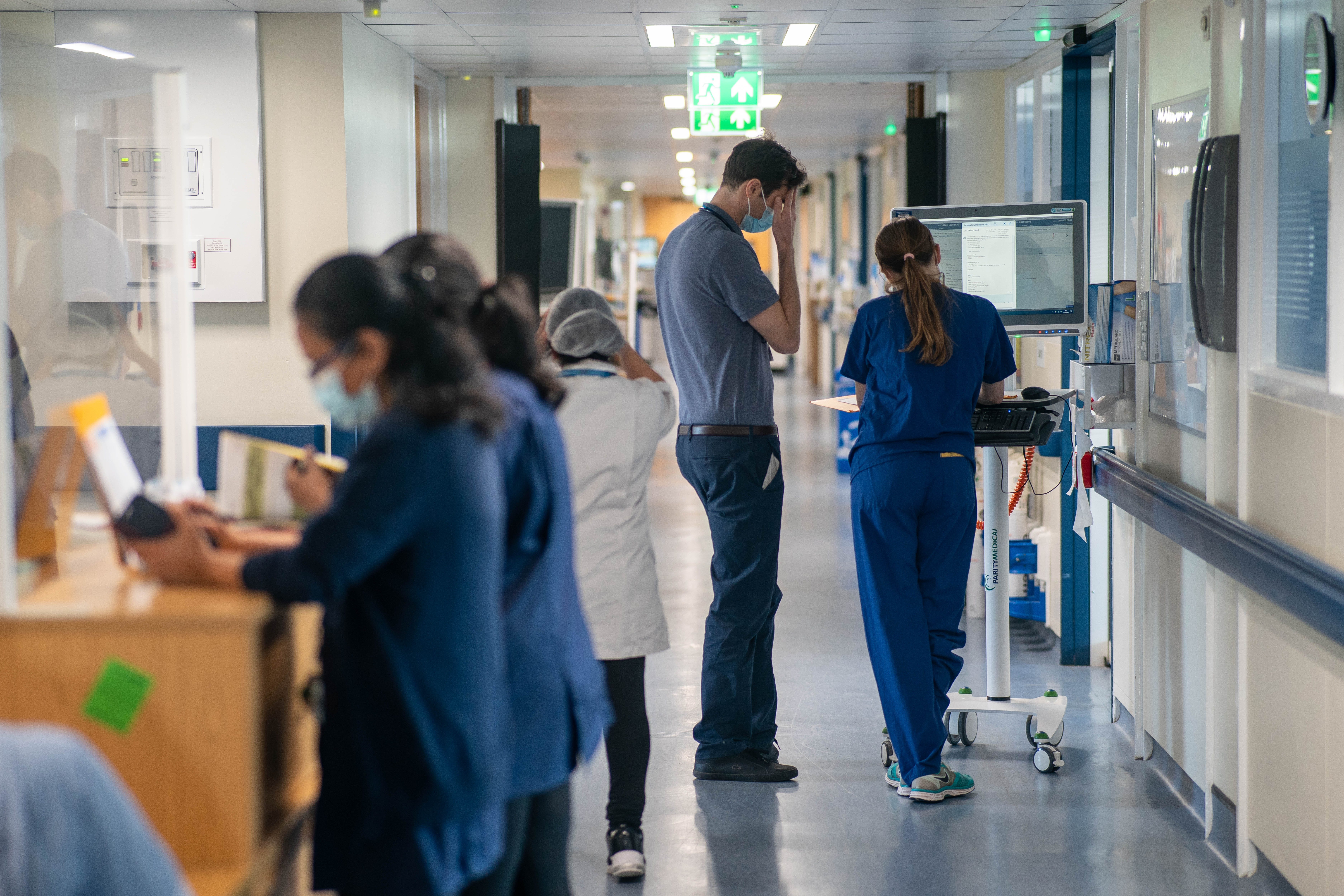
The “winter vomiting bug” continues to put pressure on the NHS as hospital cases for norovirus remain high.
More than 900 patients on average were in hospital each day with diarrhoea, vomiting or norovirus-like symptoms.
More than a thousand (1,093) beds on average were closed or occupied last week, latest NHS data revealed – a rise on the previous week, which saw an average of 950 hospital beds filled each day.
There were also almost 4,000 more calls (3,878) received by NHS 111 services (381,479) compared to the same week last year (377,601).
Flu rates continue to drop since last month’s peak, but there was still an average of 1,491 patients in hospital with flu and an average of 630 patients in hospital with Covid-19 per day last week.
Data also shows ambulances handed over patients more than two minutes faster last month, despite facing their busiest January since before the Covid pandemic.
Provisional figures out today show there were 420,324 ambulance handovers with known times in January, the highest number for the month since 2020 and a 5.2 per cent increase compared to 399,415 in January last year.
Health secretary Wes Streeting said: “By planning for winter earlier than ever before, we’re now seeing real improvements in urgent and emergency care. Ambulance response times and handovers are faster, the longest A&E delays are falling compared to last year, and flu is taking up fewer hospital beds.
“We backed this with £450 million for urgent and emergency care, 500 new ambulances on the road, and millions of flu, Covid and RSV vaccinations to keep people well and out of hospital.
“Winter pressures haven’t disappeared, but we’re learning from this season to strengthen our response further and break the cycle of struggle the NHS faces each winter."
The government announced on Monday that from April, the RSV vaccine will be offered to additional groups most vulnerable to serious outcomes from infection, specifically adults aged 80 years and over and all residents in care homes for older adults.
NHS national medical director Professor Meghana Pandit said: “Higher vaccination rates are helping to limit the impact of winter viruses like flu, though cases of the vomiting bug are still high in hospitals, which staff are working extremely hard to keep under control.
“Vaccinations remain the best protection available from seasonal viruses, so if you are eligible for your flu, Covid or RSV jab please come forward.”
It comes as NHS resident doctors in England have voted to continue industrial action for another six months as part of their ongoing row over pay and jobs.
An average of 19,120 doctors were on strike each day between 17 and 22 December ahead of Christmas last year – slightly higher than the 17,236 average in the previous set of November strikes. These marked the 14th walk-out since March 2023.
Join our commenting forum
Join thought-provoking conversations, follow other Independent readers and see their replies
Comments
Bookmark popover
Removed from bookmarks