Cancer screenings are up and death rates are down: The healthiest US states ranked
The yearly report found that cancer screenings are up and premature deaths are down across the country


The healthiest states in the country are in New England, according to new detailed analysis of Americans’ wellbeing.
New Hampshire took the top spot, according to a report from the UnitedHealth Foundation which reviewed 2025 data from the Department of Health and Human Services on social and economic factors, physical environment, resident behaviors, clinical care and health outcomes.
The Granite State was followed by Massachusetts, Vermont, Connecticut and Utah, according to the annual report.
The majority of least healthy states were scattered across the Deep South. Louisiana was the least healthy, the report found, followed by Arkansas, Mississippi, Alabama and West Virginia.
But Dr. Margaret-Mary Wison, CEO of the U.S. health care company, said the findings were encouraging and that the group sees “progress across the nation, including improvements in mortality, stabilizing trends in measures of behavioral health and progress in several measures of clinical care.”

Head-to-head
New Hampshire and the other New England states were named the healthiest because of their great quality of life which includes an excellent standard of clean air and water.
However, flood-prone New Hampshire isn’t perfect and hurricane-hit Louisiana has some health-related strengths, the study also found.
New Hampshire had a low prevalence of non-medical drug and cigarette use and a high number of people with a high school level education. Higher levels of education are tied to better health outcomes and make it more likely for people to find care.
Still, the state had a high rate of excessive drinking, low public health funding and Black and white segregation in communities, the report pointed out.
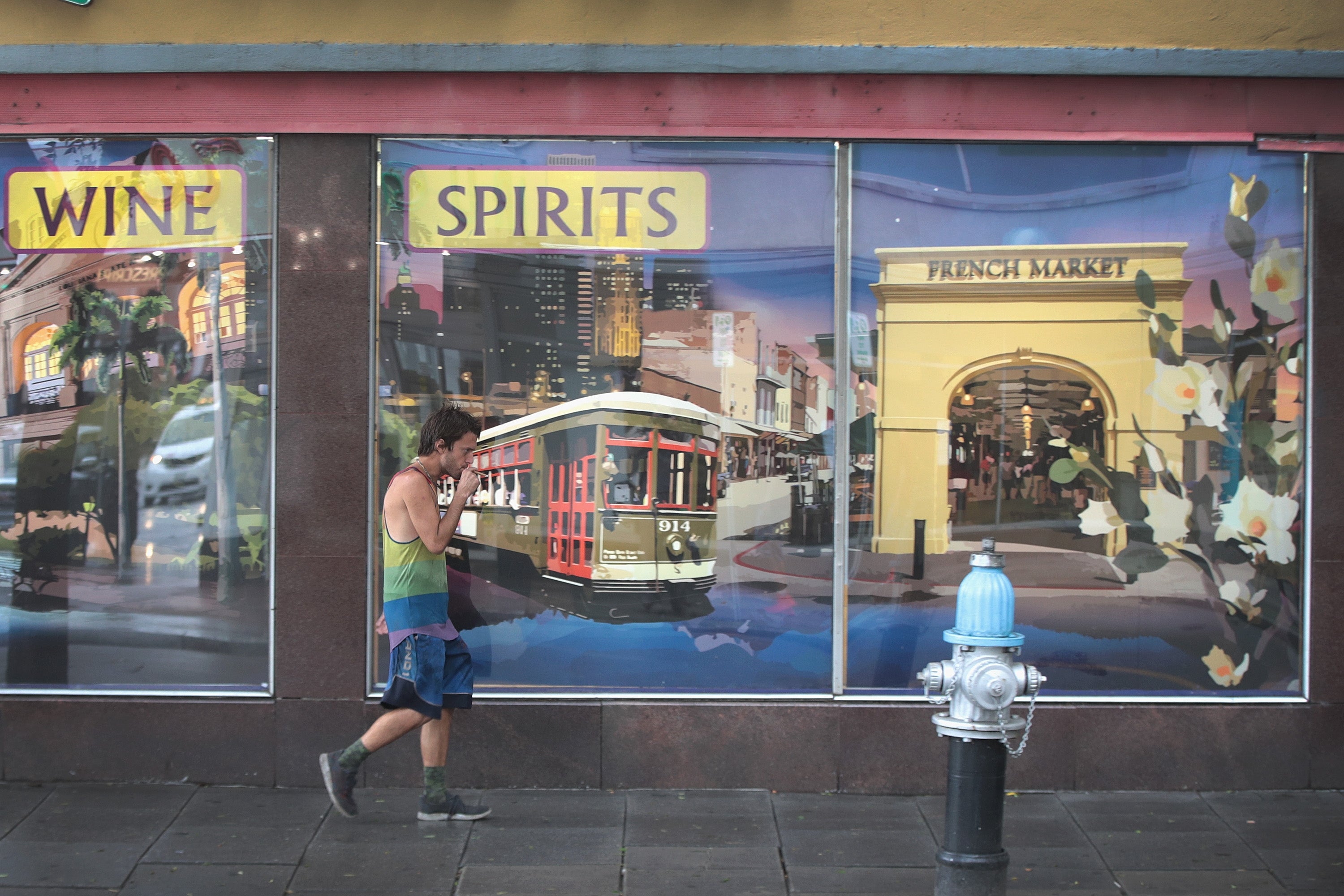
Louisiana was found to be the unhealthiest state for the fourth consecutive year because of its social and economic standings.
Louisiana has one of the highest economic hardship rates in the U.S. It also has a high homicide rate, increased incidence of the sexually transmitted infection chlamydia and was one of the states with the largest rise in adults who said they avoided health care due to rising costs.
But the Bayou State also had high reading proficiency among fourth graders in public school, a high prevalence of cancer screenings and adults who said they had a health care provider, according to UnitedHealth Foundation, the foundation of the UnitedHealth Group.
“The data also show the distinct challenges faced by different communities, including rural America, that must be addressed through tailored interventions,” Wilson stressed.
Notably, the report did not include impacts from extreme weather events. Louisiana and the Gulf Coast is being impacted by larger and worsening storms, driven by human-caused climate change. New Hampshire has recently been hit with several devastating flood events as a warmer atmosphere brings more moisture-packed storms.
The nation takes a step forward
The report also focused on the health of the country more broadly. There had been “encouraging progress” made in combatting physical inactivity, reducing national death rates and increasing cancer screenings over the last decade, UnitedHealth noted.
The national rate of physical inactivity decreased by 10 percent, although it was 1.2 times higher in rural areas. Physical inactivity has been linked to developing obesity and other health conditions that can lead to cancer and heart disease.
Premature death rates fell eight percent between 2022 and 2023, and the drug-related death rate also dropped for the first time since 2018 as the fentanyl trade took a hit and the synthetic opioids became less deadly.
Cancer screenings ticked up by 15 percent between 2022 and 2024. Some doctors have cited increased access to screenings as a factor in rising rates of early cancers in young adults.
A move to lower the recommended screening age for colorectal cancer from 50 to 45 years old led to a 62 percent surge in screening, according to the American Cancer Society.
Join our commenting forum
Join thought-provoking conversations, follow other Independent readers and see their replies
Comments
Bookmark popover
Removed from bookmarks