Asian countries ramp up health screenings as India confirms Nipah cases
Nipah is a zoonotic virus first identified during a 1990s outbreak in Malaysia
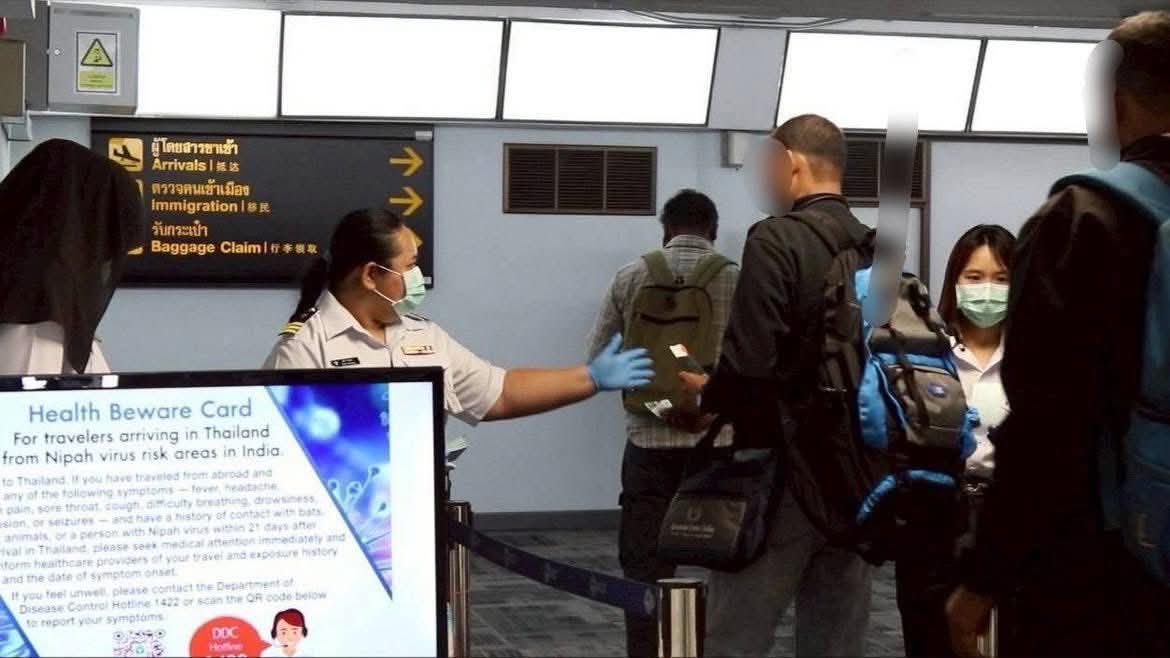
Indian authorities have announced the containment of a Nipah virus outbreak in West Bengal, following the confirmation of two cases. This development comes as several Asian nations have heightened health screenings for arrivals from India.
India's Health Ministry confirmed on Tuesday that two Nipah cases had been identified since December. All individuals who had come into contact with the infected patients were subsequently quarantined and tested. The ministry reported that 196 contacts were traced, all of whom tested negative for the virus, though no specific details about the patients were released.
“The situation is under constant monitoring, and all necessary public health measures are in place,” the ministry said.
Nipah, a zoonotic virus first identified during a 1990s outbreak in Malaysia, spreads through fruit bats, pigs and human-to-human contact. There is no vaccine for the virus, which can cause raging fevers, convulsions and vomiting. The only treatment is supportive care to control complications and keep patients comfortable.
The virus has an estimated fatality rate of between 40% and 75%, according to the WHO, making it far more deadly than the coronavirus.
There were no reported cases of the virus outside India, but several Asian countries introduced or reinforced screening measures at airports as a precaution.
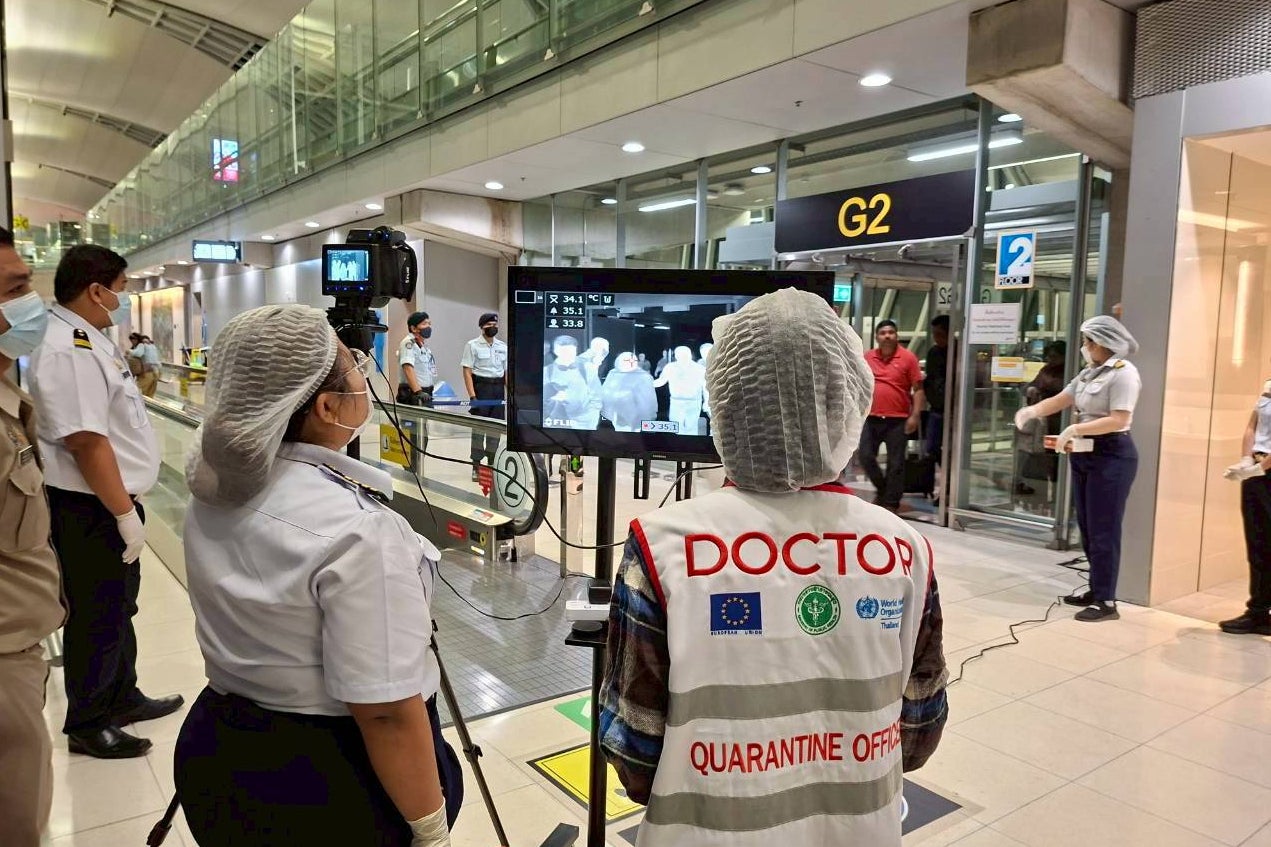
Indonesia and Thailand increased screening at major airports, with health declarations, temperature checks and visual monitoring for arriving passengers. Thailand’s Department of Disease Control said thermal scanners had been installed at arrival gates for direct flights from West Bengal at Bangkok’s Suvarnabhumi Airport.
Myanmar’s Health Ministry advised against nonessential travel to West Bengal and urged travelers to seek immediate medical care if symptoms develop within 14 days of travel. It said fever surveillance introduced during the COVID-19 pandemic at airports has been intensified for passengers arriving from India, with laboratory testing capacity and medical supplies readied.
Vietnam’s Health Ministry on Tuesday urged strict food safety practices and directed local authorities to increase monitoring at border crossings, health facilities and communities, according to state media.
China said it was strengthening disease prevention measures in border areas. State media reported that health authorities had begun risk assessments and enhanced training for medical staff, while increasing monitoring and testing capabilities.
Earlier Nipah outbreaks were reported in West Bengal in 2001 and 2007, while recent cases have largely been detected in southern Kerala state. A major outbreak in 2018 killed at least 17 people in Kerala.
Bookmark popover
Removed from bookmarks