Humans have forced cod to shrink in size by half since 1990s, scientists find
Fast-growing cod have almost disappeared from the Baltic
Excessive fishing has forced Baltic cod to undergo genetic changes that have halved their size over the past 30 years, a new study has found.
The research, published in the journal Science Advances, is the first to show that decades of overfishing and environmental change can profoundly alter the genetic make-up of a fully marine species.
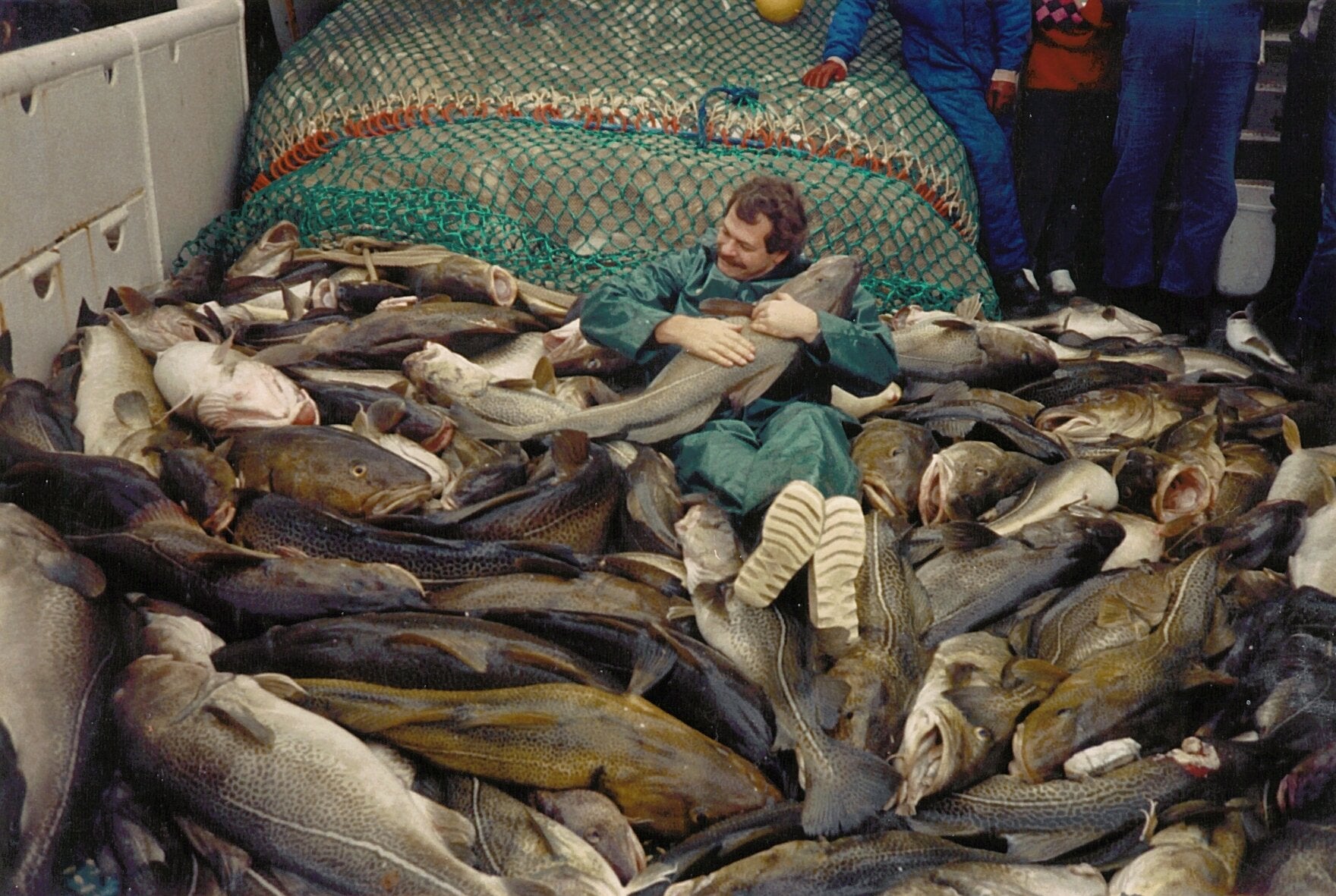
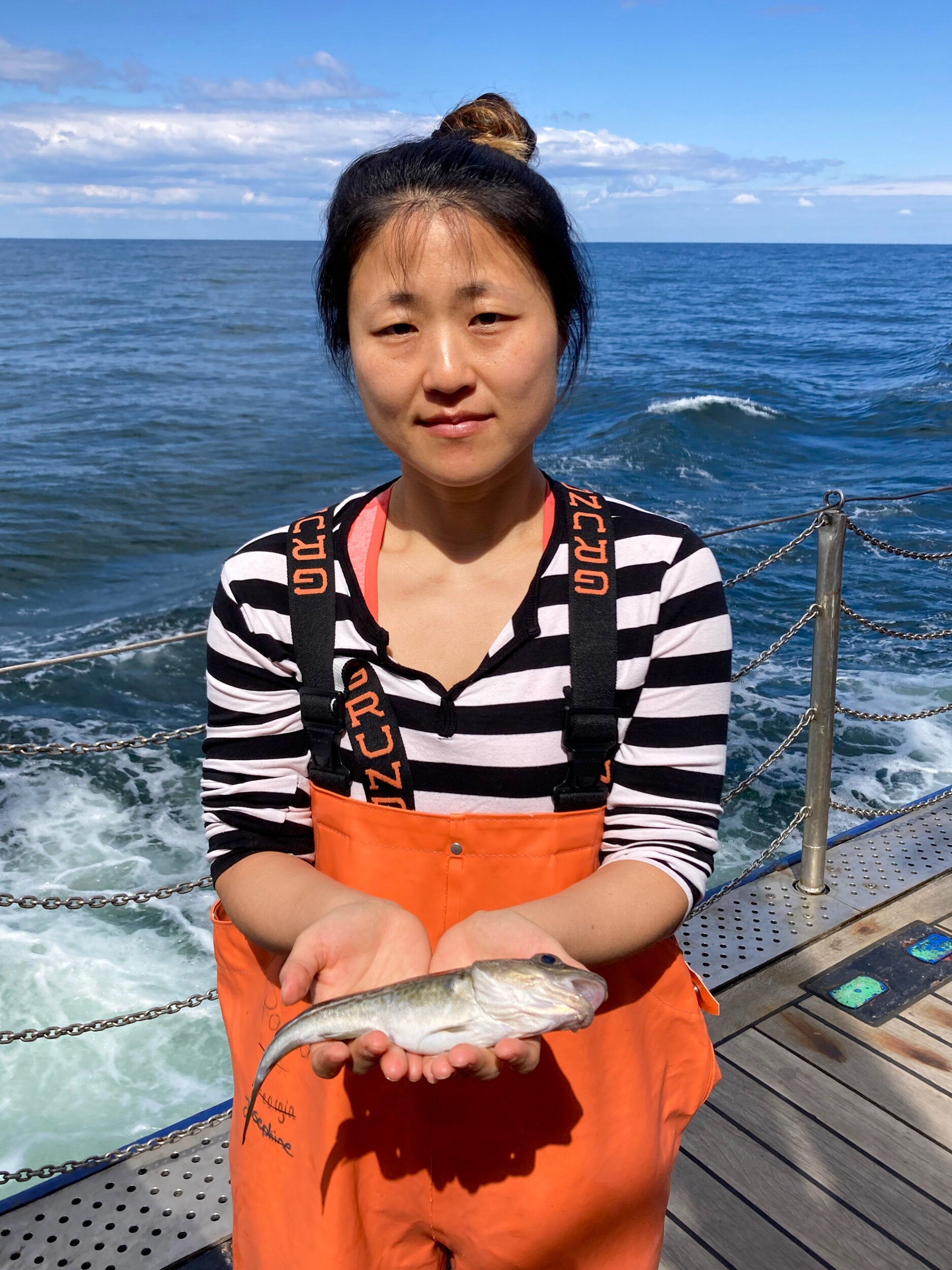
Baltic cod once measured more than a meter long and weighed up to 40kg, forming the backbone of the region’s fishery. In the last three decades, however, the species has shrunk so much that even a full-grown cod can fit neatly on a dinner plate.
“For the first time in a fully marine species, we have provided evidence of evolutionary changes in the genomes of a fish population subjected to intense exploitation, which has pushed the population to the brink of collapse,” lead author Kwi Young Han said.
Researchers examined an archive of ear stones from 152 overexploited Eastern Baltic cod, Gadus morhua, caught in the Bornholm Basin between 1996 and 2019. The ear stones record annual growth in some fish species, similar to tree rings, making them valuable timekeepers.
They specifically looked into the growth trends of the cod over 25 years of heavy fishing and compared the changes with genetic alterations found in the species at the full genome level.
The study revealed a “48 per cent decrease in asymptotic body length” of the cod from 1996 to 2019, with indications that the species had evolved due to human interference.
Genetic variations in the cod associated with body growth showed signs of “directional selection”, researchers pointed out.
Some structural changes in the genome seemed to indicate environmental adaptation, hinting the "shrinking" had a genetic basis tied to human activity.
"Selective overexploitation has altered the genome of Eastern Baltic cod," Dr Han explained. "We see this in the significant decline in average size, which we could link to reduced growth rates.”
The study found the genomes of fast-growing cod differed systematically from slow growers, with the fast growers nearly disappearing from the Baltic.
"When the largest individuals are consistently removed from the population over many years, smaller, faster-maturing fish gain an evolutionary advantage," Thorsten Reusch, another author of the study, said. "What we’re observing is evolution in action, driven by human activity. This is scientifically fascinating, but ecologically deeply concerning.”
The new research calls for conservation policies to look into the adaptive potential of marine species.
Join our commenting forum
Join thought-provoking conversations, follow other Independent readers and see their replies
Comments
Bookmark popover
Removed from bookmarks