The dilemma facing Australia’s koala conservationists – too many koalas
Koala populations in some areas could grow ‘beyond what the ecosystem can sustain’, scientists say
A booming population of koalas in parts of south Australia has sparked a “dilemma” among conservationists about their long-term ecological harm to the region.
Koalas are officially endangered in several parts of Australia, especially the east coast due to widespread habitat loss, with estimates varying between 729,000 to 918,000, according to a recent national survey.
However, the marsupials’ concentration are unusually high in some places, such as south Australia’s Mount Lofty ranges, which is home to about 10 per cent of the country’s total koala population.
Researchers caution in a new study that this koala boom localised to these places could increase strain on these regions and undermine the population’s long-term stability.
“Koalas are in steep decline across much of eastern Australia, but in south Australia’s Mount Lofty Ranges, the opposite problem is happening: a booming koala population,” says ecologist Frédérik Saltré from the University of Technology Sydney (UTS).
“This should be good news, but these numbers are concerning,” says Dr Saltré, author of a new study published in the journal Ecology and Evolution.
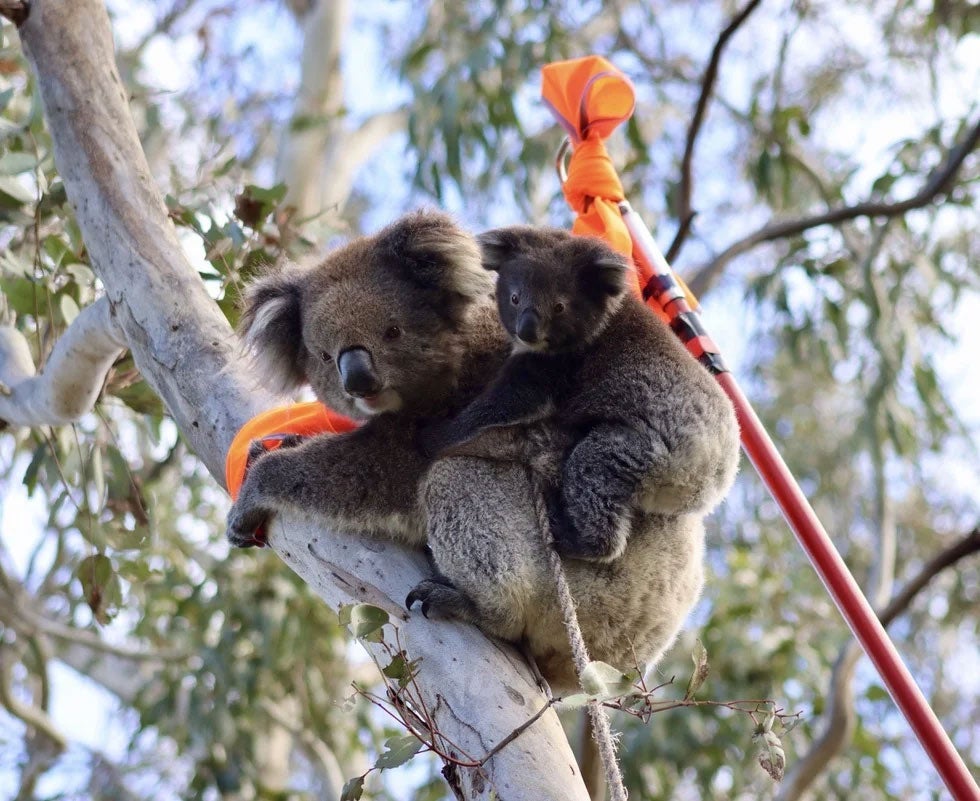
If koalas are not managed in these parts of Southern Australia, their populations could grow by an additional 17 to 25 per cent over the next 25 years, intensifying pressure on food resources, vegetation, and surrounding ecosystems, researchers warn.
“Many areas now have koala densities far beyond what the ecosystem can sustain,” Dr Saltré says.
“In the next few decades, following this trajectory, there will almost certainly be a terrible situation of mass koala starvation and death,” he warned.
Koala densities in many parts of the region already exceed sustainable limits, scientists say.
“We are faced with a difficult conservation dilemma, because traditional methods of population management, like culling or relocation, either raise ethical concerns from the public or are not appropriate for such an iconic native animal,” said Katharina Peters, a co-author of the study from the University of Wollongong.
The latest study used advanced computer modelling to explore ways to curb the koala boom in these areas.
It showed that treating about 22 per cent of adult female koalas each year would be enough to keep population growth in check.
To achieve this, they estimate it could cost about $24m over a 25-year period.
“Fertility control focusing on adult females emerged as the most cost-effective (AUD 34m) strategy,” researchers wrote in the study.
This amount is much less than one-fifth of the Australian government's investment in wildlife recovery following the 2019–2020 Black Summer bushfires, scientists say.
Join our commenting forum
Join thought-provoking conversations, follow other Independent readers and see their replies
Comments
Bookmark popover
Removed from bookmarks