Inside the police’s secret operation to arrest Andrew Mountbatten-Windsor
Former prince spent much of his 66th birthday in police custody and would have been treated like any other suspect, experts say
The arrest of Andrew Mountbatten-Windsor has shocked many, described by one royal expert as “the most spectacular fall from grace for a member of the royal family in modern times.”
Craig Prescott, a royal expert at Royal Holloway, University of London, compared it in severity to the crisis sparked by Edward VIII’s abdication to marry American divorcee Wallis Simpson, warning “it may not be over yet”.
The former prince faces an investigation into the offence of misconduct in public office, over his ties to paedophile financier Jeffrey Epstein. The former prince, who became the first senior royal in modern history to be arrested, is accused of sharing sensitive information with Epstein while serving as the UK’s trade envoy.
Thames Valley Police arrested him at Sandringham Estate on his 66th birthday on Thursday.
The decision to arrest the former royal would have been carefully considered, with planning from senior officers at the police force for days.
A police officer in charge of the investigation would have applied for a search warrant, needing to persuade a magistrate or district judge of the necessity of raiding Mr Mountbatten-Windsor’s former home, the Royal Lodge in Windsor, as well as his current home in Wood Farm on the estate.
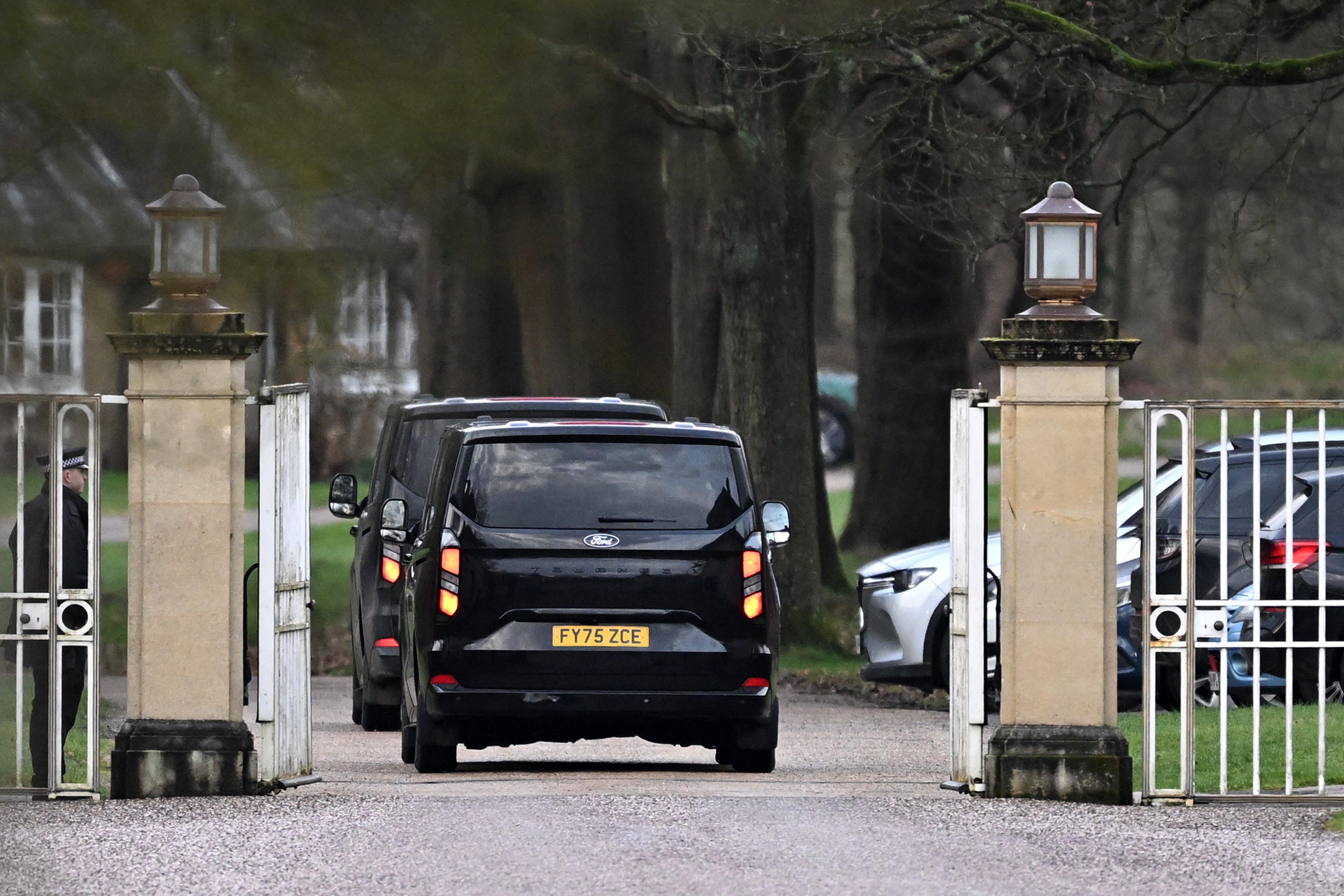
Dozens of Thames Valley Police officers arrived at Sandringham Estate in unmarked police cars around 8am, supported by colleagues from the Norfolk Constabulary, as part of the raid.
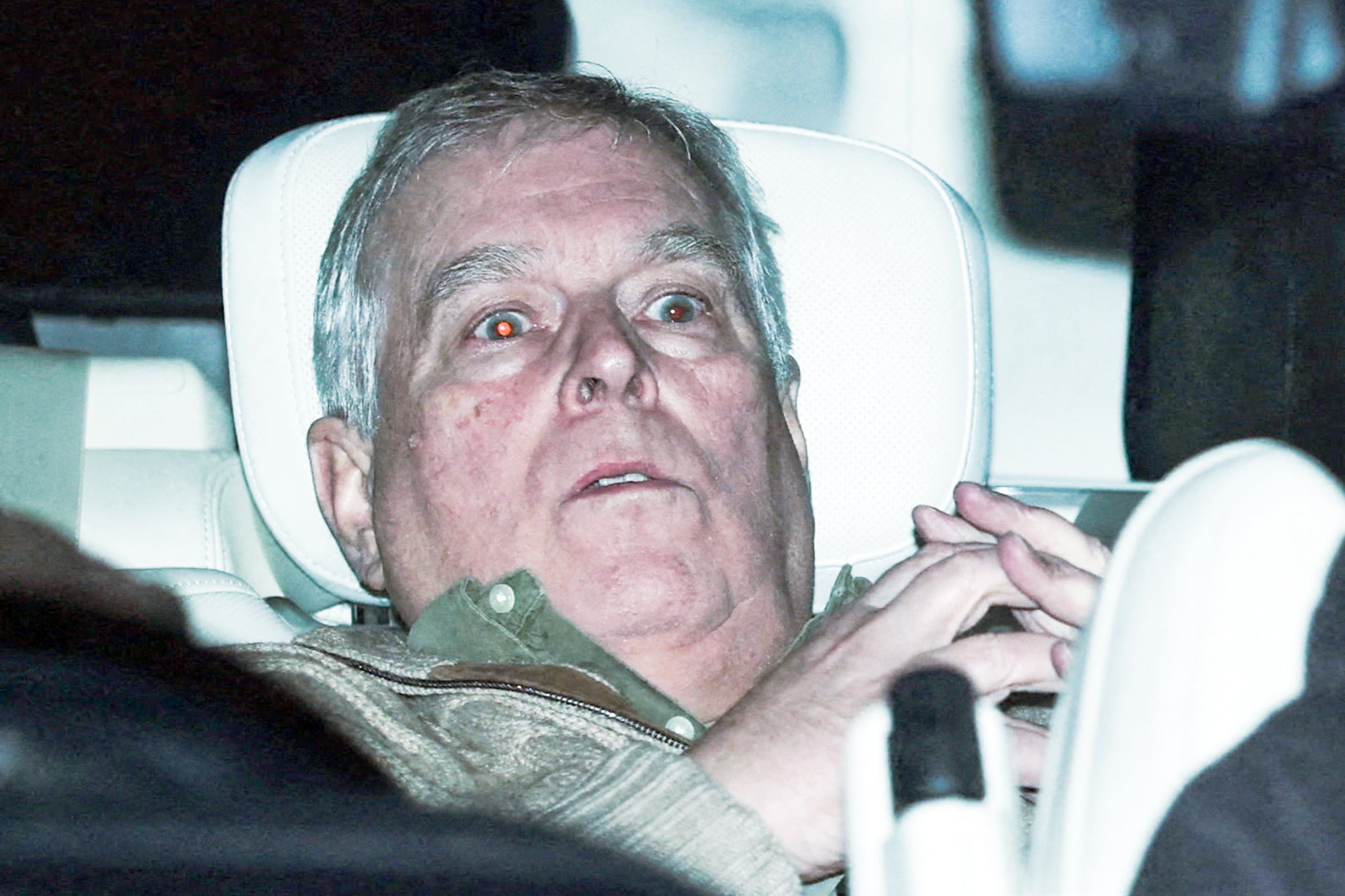
Thames Valley Police officers will have driven more than 120 miles from their headquarters in Kidlington, Oxfordshire, to the Sandringham Estate in Norfolk. A convoy of unmarked police cars arrived at Wood Farm shortly after 8am.
Home secretary Shabana Mahmood was alerted to the arrest shortly before Mr Mountbatten-Windsor was taken into custody, although it is understood neither the King nor Buckingham Palace was given prior warning.
Detectives selected for the confidential operation were unlikely to have been given details beforehand, as they arrived at the station in the early hours of the morning, a former officer told The Telegraph.
“They may have even been told to hand over their mobile phones before being given the final briefing, setting out where they were going and what they were doing,” they said.
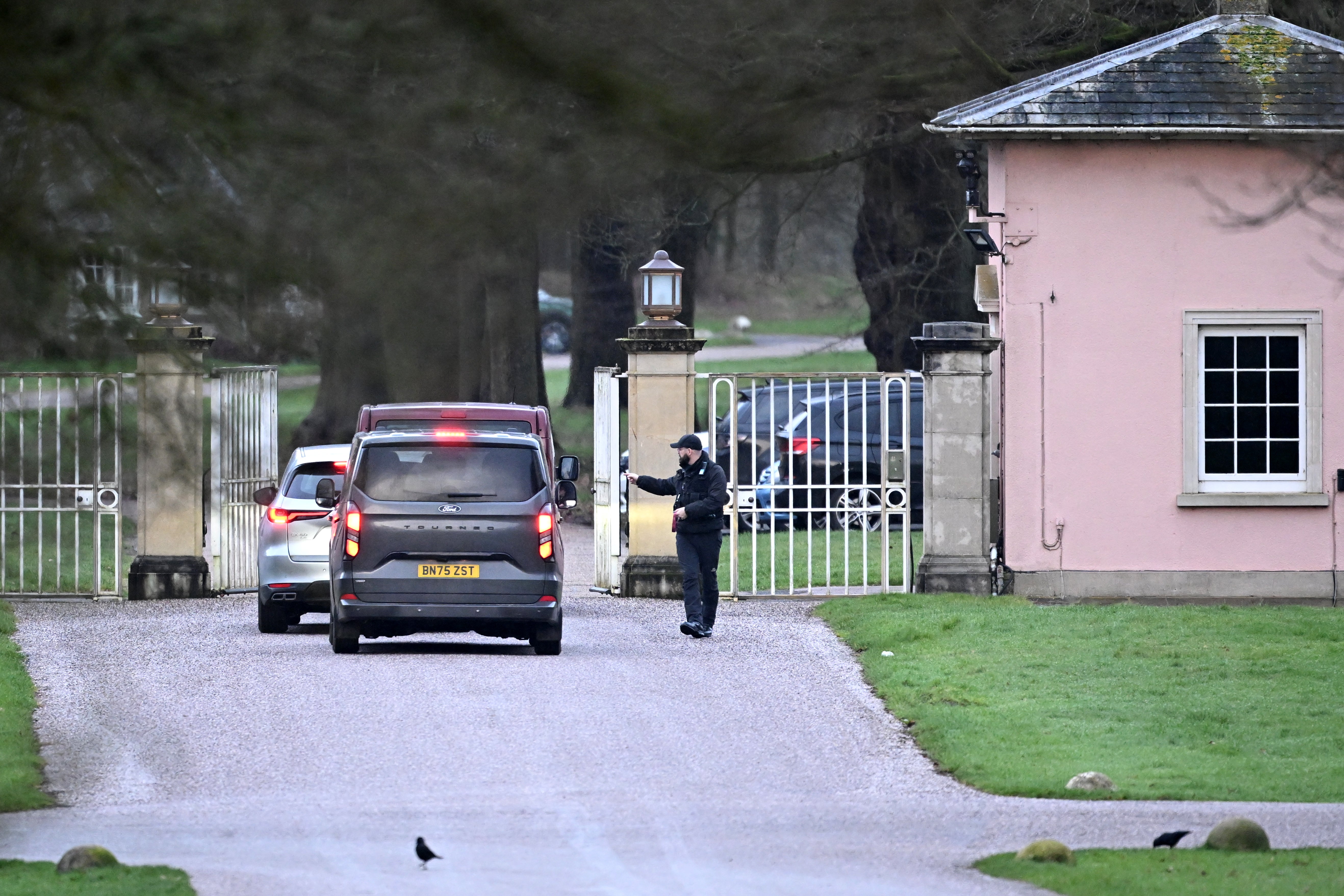
Mr Mountbatten-Windsor was arrested at the scene and taken straight in for questioning. The arresting officer would have read out the official police caution given to all suspects taken into custody: “You do not have to say anything. But it may harm your defence if you do not mention, when questioned, something which you later rely on in court.”
He would then have been placed in the back of a police car and taken to Aylsham police station, around 35 miles from Sandringham, to be formally interviewed. Upon arrival at the station, he would have been checked in by a sergeant, who would confirm the grounds for arrest were lawful before authorising his detention.
He would have been searched for anything that could be used to harm either himself or anyone else, then required to hand over his phone, watch, any jewellery, belt or tie.

Mr Mountbatten-Windsor would have been subjected to a risk assessment to flag any medical conditions, drink or drug use before he was put in custody. An officer would then explain his rights, including the right to free and independent legal advice, the right to notify someone of his arrest and the codes of practice under which he was being detained.
It’s likely he would have been fingerprinted before being led to a cell with a bed and a toilet. He may have also been offered a cup of tea or food.
Thames Valley Police would be under particular pressure to look after Mountbatten-Windsor’s wellbeing, given the incredibly public nature of his arrest and “fall from grace,” according to former Metropolitan Police chief Dal Babu.
He told Sky News: “This is massive. You don’t have to arrest somebody that you’re investigating – you can ask them to provide a statement through their lawyer, you can invite them to a police station without arresting them.
“I should imagine at this stage they’ll have prepared interviews. There’ll be an interview strategy,” he continued. “They’ll present those questions to Andrew, and I think his lawyer would probably advise him at this stage to make no comment.
“And then once that has occurred, he’ll be released under investigation.”
A suspect can generally be held in custody for up to 24 hours, but this can be extended to 96 hours if an extension is sought at a magistrates' court.
When the custody time limit has expired, most suspects are either charged or released pending further investigation.
Mr Mountbatten-Windsor was released after being detained for about 11 hours. Police said he was released under investigation, meaning he has neither been charged nor exonerated.

Police, who raided the former prince’s home in Sandringham and his former residence in the Royal Lodge, will have taken away all the documents and devices they seized, according to Andrew Gilmore, a partner at legal firm Grosvenor Law.
“The police will take away all the documents and devices they've seized today,” Mr Gilmore told Sky News. “They will be processed and looked at very carefully. A file will then be built, and put together by the police, that will assess all the evidence.”
That file will then be sent to the Crown Prosecution Service, he added, whose reviewing lawyers will take a look and make a decision on whether or not to charge the former prince.
This could take anywhere between six months and even a year, depending on the scale of evidence.
Bookmark popover
Removed from bookmarks