Banaz Mahmod died in an ‘honour’ killing 20 years ago. Her death changed police investigations forever
‘I wish time stood still because the more years that go by, the further away she feels from me,’ said sister Payzee Mahmod

“It completely destroyed our lives,” said the sister of Banaz Mahmod, 20 years on from her death. “It’s really bizarre, because it feels like yesterday when Banaz went missing.”
Payzee Mahmod, who is now 38, remembers every detail of 24 January 2006 – the day her sister never returned.
“I feel stuck in that moment,” Payzee told The Independent. “I wish time stood still because the more years that go by, the further away she feels from me.”
Banaz, from Surrey, was subjected to female genital mutilation (FGM) as a child and then forced into a marriage at the age of 17, which she eventually escaped. She later fell in love with another man whom her family disapproved of.
She contacted the police five times between September 2005 and January 2006, according to a HM Inspectorate of Constabulary report, scared about death threats she received from her family.
Despite her pleas for help, Banaz was strangled in her family home, raped, and murdered by family members when she was 20, according to the police report. Her body was found three months later, buried in a suitcase under a garden patio of a disused house in Birmingham.
.jpeg)
Mohammed Ali and Omar Hussain, and a third man named Mohammad Hama, were convicted of her murder in 2007. Her father, Mahmod Mahmod, and uncle, Ari Mahmod, were also jailed for life for murder over the ‘honour’ killing.
“I think about my sister’s legacy,” Payzee said. “[Her death] has forced so many establishments to act. When we talk about her, we’re really forced to not shy away from this form of abuse, and have to face accepting that she was failed.”
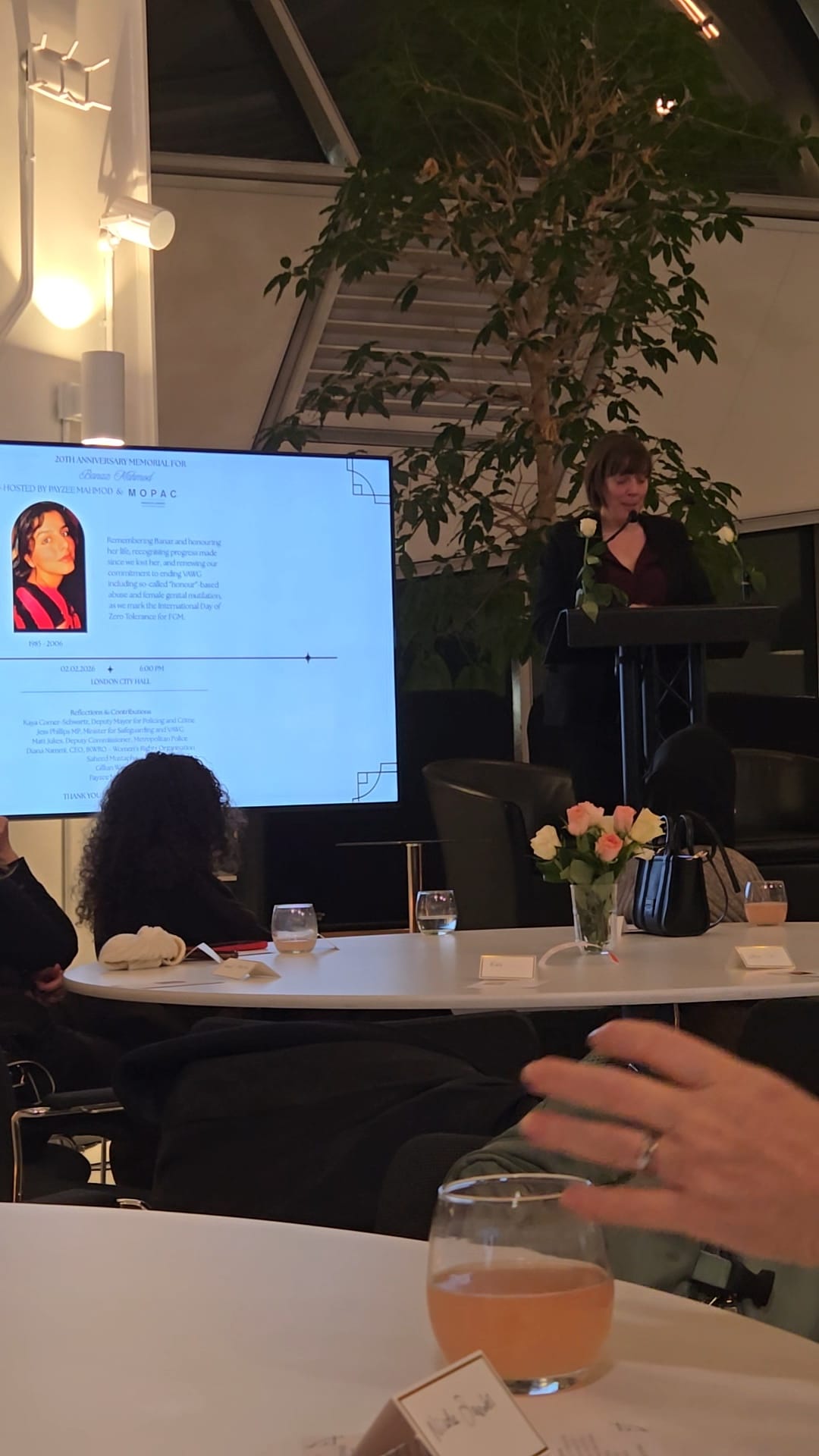
Her impact was reflected in the number of people, from devoted friends to government officials, who attended a memorial to mark the 20th anniversary of Banaz’s death at City Hall at the beginning of February. Many were moved to tears as she was described as a “light in the room”.
Jess Phillips, minister of safeguarding and violence against women and girls (VAWG), was one of those who spoke of her legacy. She told The Independent: “[Banaz’s] life was taken in an act of appalling and senseless violence, and we must ensure that her story drives lasting change.”
She told the room more widely in a speech: “I remember 15 years ago, if not more, sitting in a police training centre and being trained to do things differently because of Banaz. She was changing the world for people on the front line.”
The Metropolitan Police said it is delivering specialist VAWG training to 23,000 officers and staff, expanding investigative capacity, and improving trauma‑informed communication.
“Operation Limelight” also safeguards people from FGM at the UK border. Officers said they worked with 362 passengers and specialist agencies at Heathrow airport on 12 January to support FGM survivors and identify those at risk.
Deputy Commissioner Matt Jukes said: “The Met has learned significantly from Banaz’s death, and tackling honour‑based abuse and harmful practices remains a priority for us.”
Alongside her sister, Payzee was also subjected to FGM from the ages of seven to 10, before being forced into marriage as a teenager.
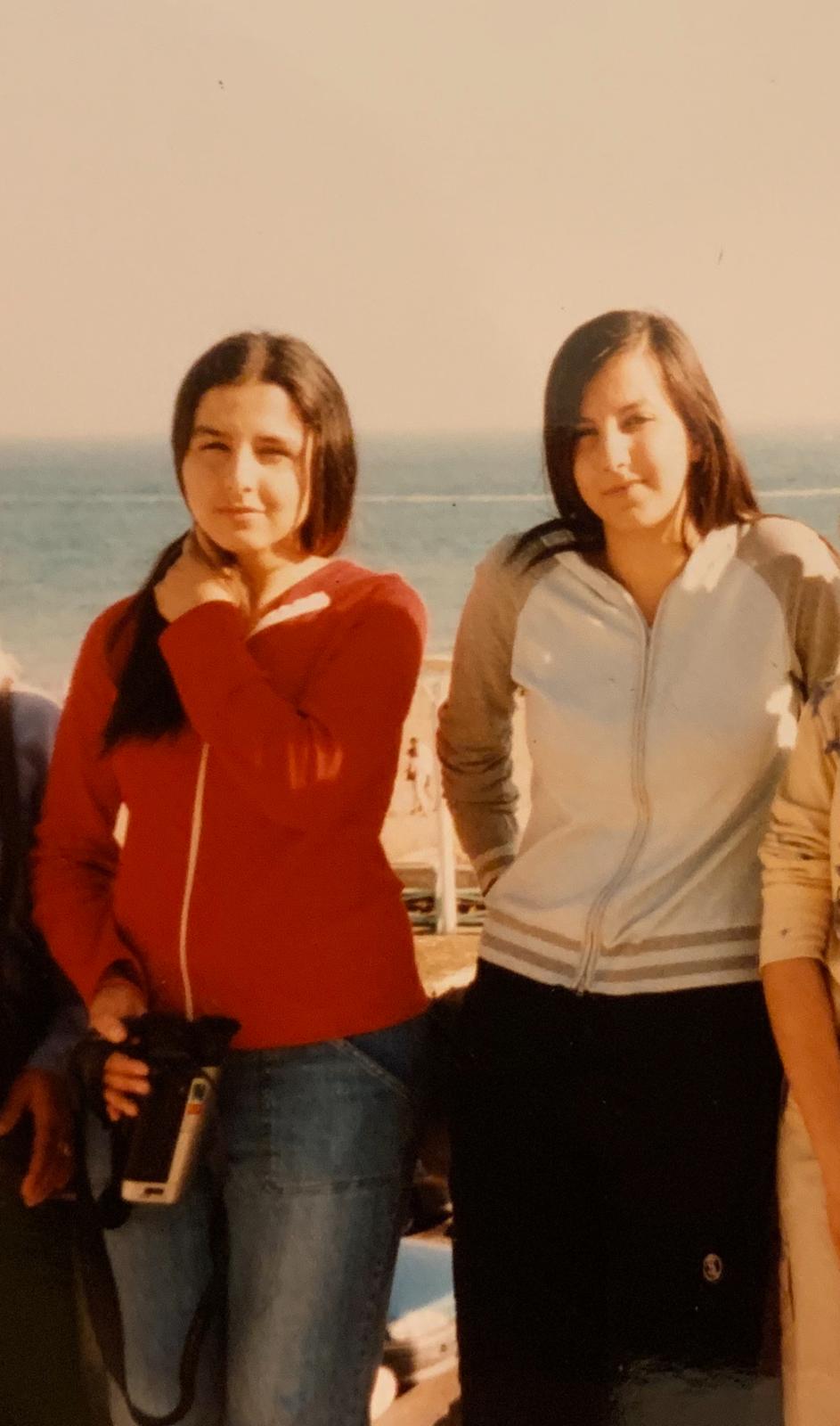
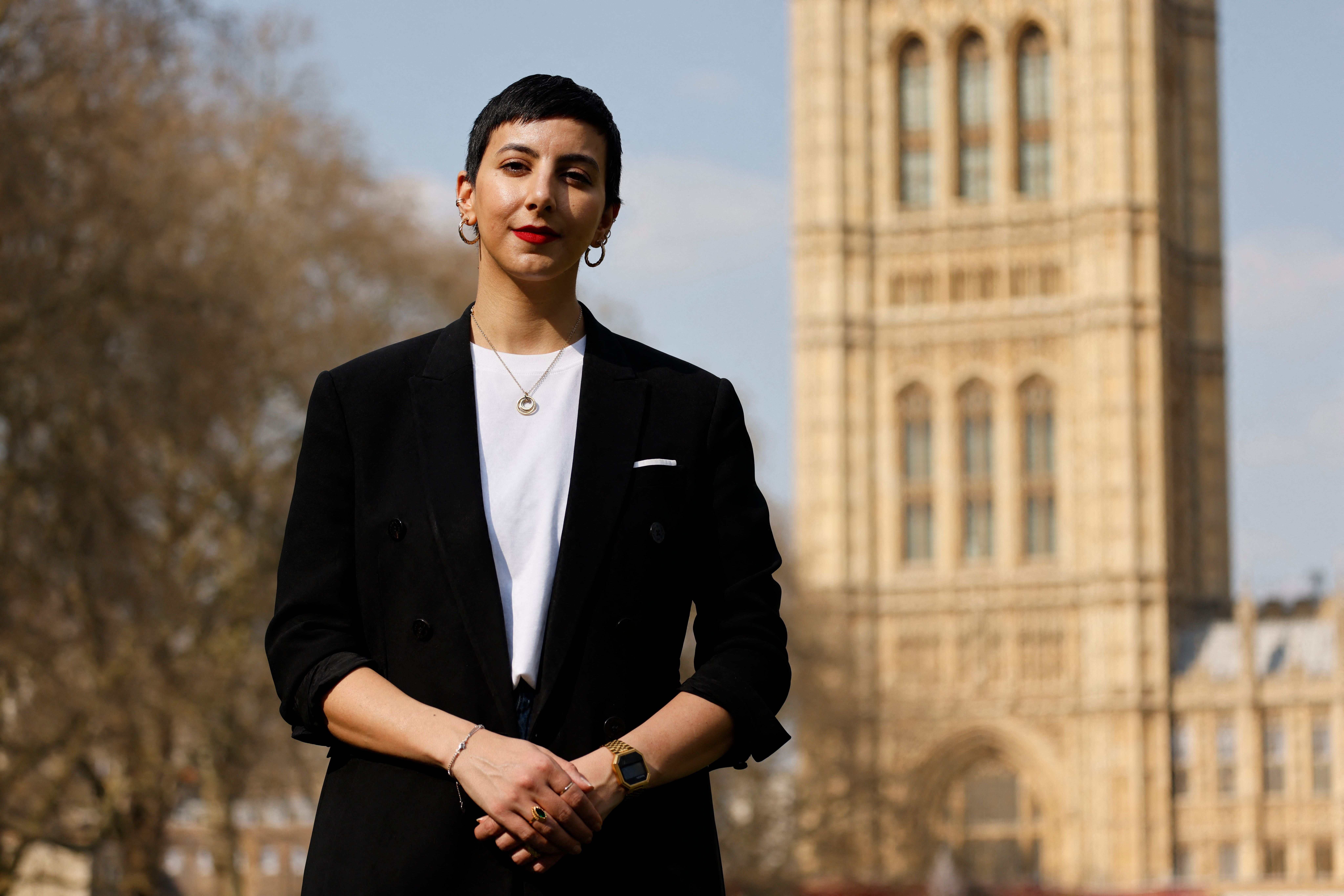
Payzee has since dedicated her life to raising awareness of FGM and led the campaign to raise the legal UK marriage age from 16 to 18 in 2023.
The government is now working on statutory guidance and a legal definition of “honour-based abuse” so police and social care workers can be better equipped to identify it.
Payzee has called for the government not to delay the definition, adding “it’s very much overdue”. She encouraged going “back to basics” by believing women and consulting expert organisations such as the Iranian and Kurdish Women’s Rights Organisation (IKWRO).
Diana Nammi, executive director of IKWRO, said: “Banaz’s trial was a landmark moment when, after tireless campaigning and educating the police, we finally saw justice with the recognition that she was murdered in an ‘honour’ killing.
“Whilst we have seen improvements, systemic problems remain, and we continue to see many women and children being failed and left at risk of harm.”
There were 2,949 “honour-based” abuse offences recorded in England and Wales in the year ending March 2025, a 7 per cent increase from the year prior. The government announced six new measures to tackle the issue in August, including more training for teachers, police officers, social workers and healthcare professionals, and a Home Office study looking at how widespread it is.
Ms Phillips said: “There is no honour in ‘honour-based’ abuse. It destroys lives, and that’s why we are tackling it through our mission to halve violence against women and girls in a decade. This government is introducing a new legal definition to help ensure victims get the support they deserve. My message to those who commit this abuse is simple: we will use the full power of the state to bring you to justice.”
Bookmark popover
Removed from bookmarks