Andrew Mountbatten-Windsor arrest: History of his royal homes – from Wood Farm to Royal Lodge
Police searches were being carried out at both Wood Farm and Royal Lodge
Following the arrest of Andrew Mountbatten-Windsor, police searches were being carried out at both Wood Farm and Royal Lodge.
Unmarked police cars were seen at his temporary home on the Sandringham estate in Norfolk.
Plain clothes officers were also at his former residence in Windsor Great Park.
Earlier this month, Andrew moved out of his home in Windsor to the Sandringham Estate.
Here is a look at the history of his royal homes:
Wood Farm
Andrew temporarily relocated to Wood Farm on the King’s private Sandringham estate in Norfolk this month after leaving Royal Lodge, while waiting for his new home, Marsh Farm, to be ready nearby.
His father Prince Philip, the late Duke of Edinburgh, spent much of his retirement at Wood Farm.
The late Queen once said her husband “loved” the property and part of its attraction was because the “sea was so close”.
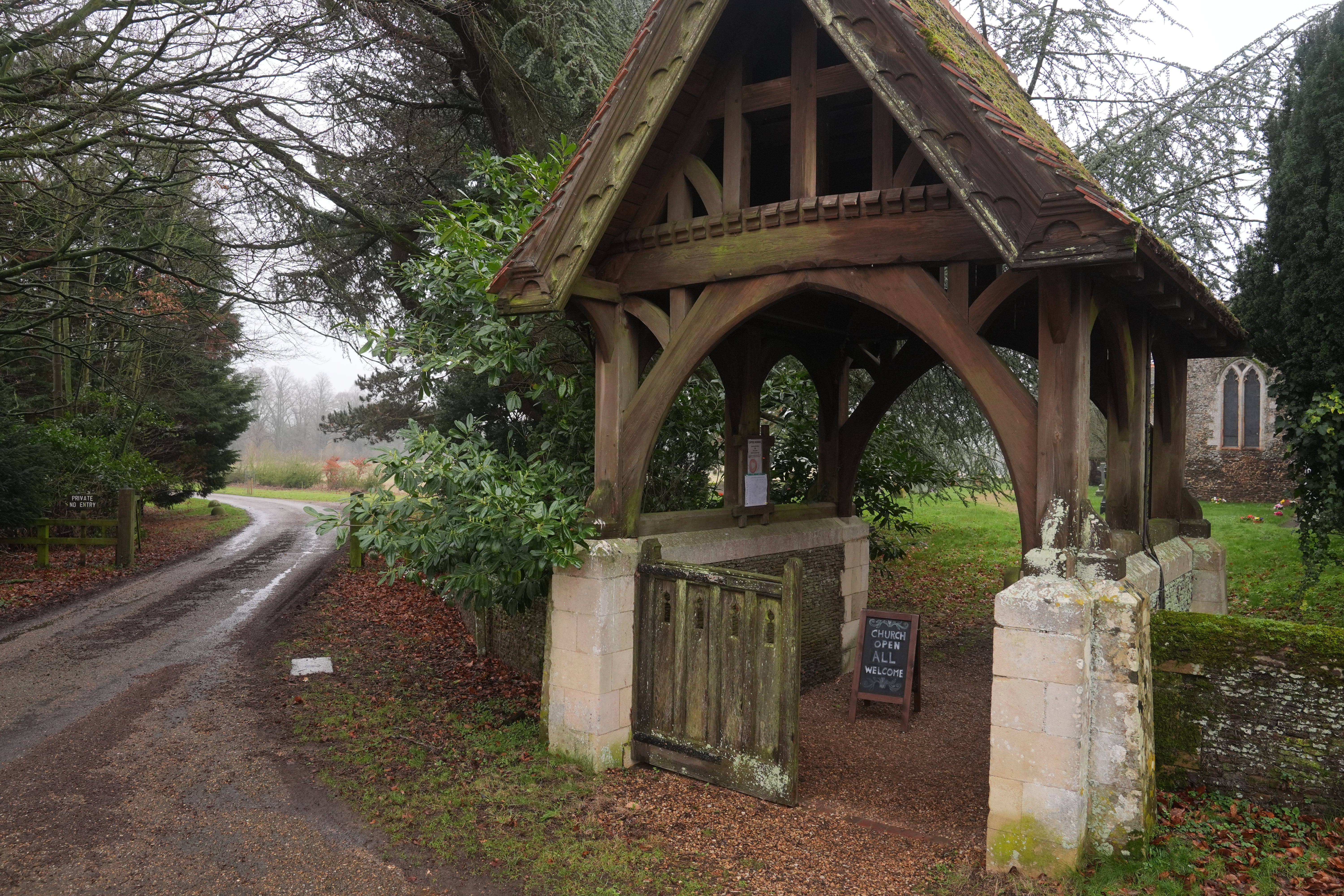
Located in Wolferton, it is nestled in the far reaches of the vast 20,000-estate.
It was originally a large farmhouse before being converted into two cottages and over the years was used as a regular informal weekend retreat by the royals, particularly for annual shooting parties.
Philip is said to have organised the installation of a new kitchen in the modestly furnished cottage.
Andrew’s ex-wife Sarah Ferguson frequently stayed there alone as a guest of the late Queen over the Christmas period following her separation from Andrew in the 1990s.
While the duchess’s children Princesses Beatrice and Eugenie joined their royal relatives for festivities at nearby Sandringham House, “Fergie” was exiled to Wood Farm, and was not invited.
She described it in her autobiography as a “comfortable open beamed cottage two miles from the ‘big house’”.
Teresa Thompson, the cottage’s retired housekeeper, said after chatting to the Queen at an event in Sandringham to mark the Platinum Jubilee in 2022: “All the royal family love Wood Farm, because it’s out of the way, it’s small, It’s intimate. You haven’t got lots of officials and household, it’s just the close staff.
“And they literally can relax in the family house, it’s wonderful, and I had a wonderful 22 years down there, it was the best time of my life without a doubt.”
In 1917, it was where Prince John, the youngest son of George V, moved with his nurse.
An epileptic, John was kept apart from the rest of his family and died at Wood Farm two years later from a severe seizure at the age of 13.
Royal Lodge
In what was dubbed the siege of Royal Lodge, Andrew faced growing pressure to give up his 30-room mansion after it emerged last year he had been paying a “peppercorn” rent for decades.
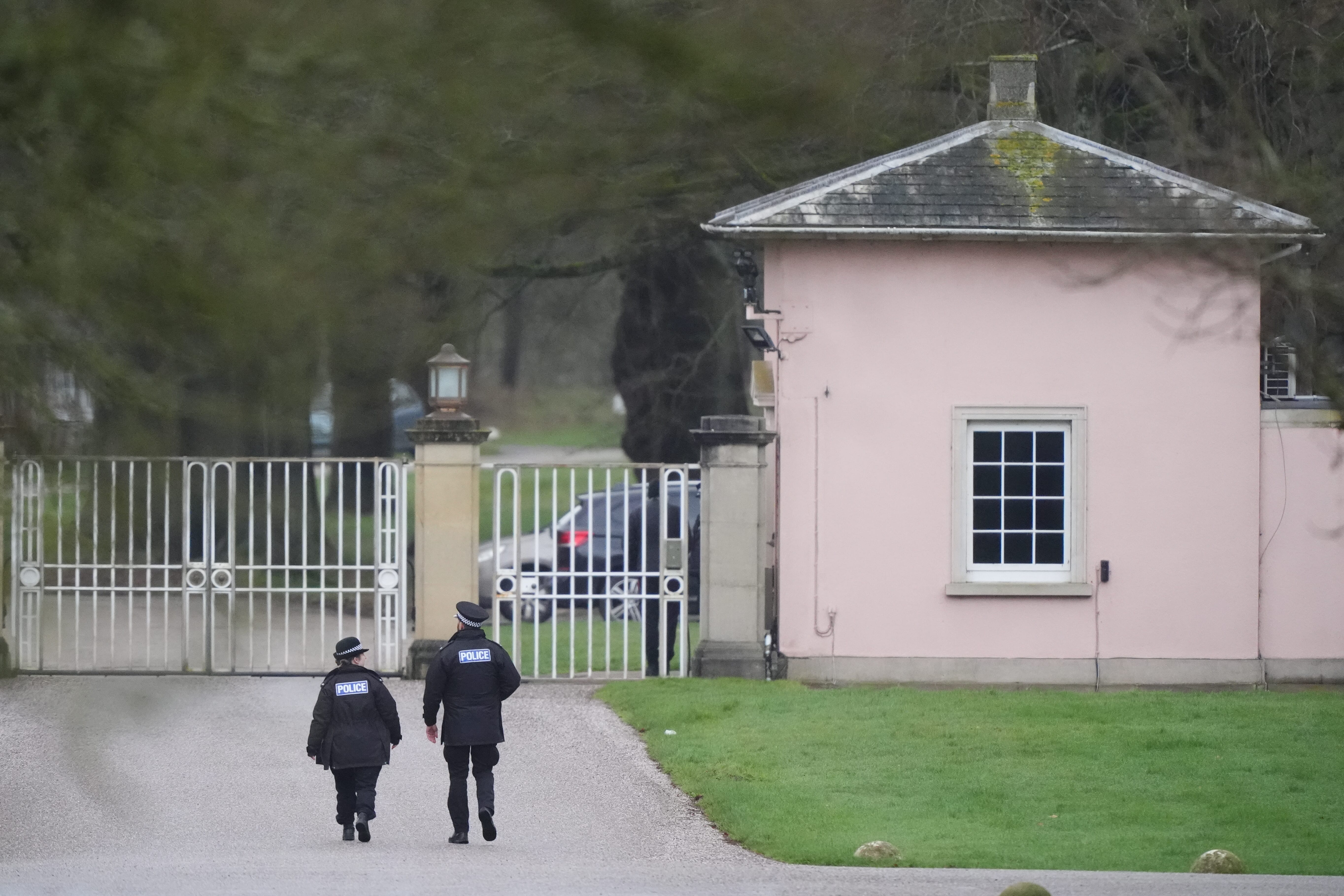
He finally agreed to quit the property in Windsor Great Park, Berkshire, for a new home on the King’s private Sandringham estate in the New Year, with Charles personally funding him with an annual stipend.
The secluded 19th century Grade II-listed Royal Lodge is nestled in 98 acres of private land.
From 1815, it was used by Prince Regent, later George IV, as a hunting lodge.
King William IV had it almost completely demolished and rebuilt in 1830.
By 1840 it was used as grace-and-favour accommodation for senior members of the royal household.
In the 1930s, it became the country retreat of Andrew’s grandparents, the Queen Mother and King George VI, when they were the Duke and Duchess of York, and their children Queen Elizabeth II and Princess Margaret learned to swim in its pool as youngsters.
Part of the Crown Estate, it remained the Queen Mother’s favourite Windsor residence for 50 years, and she died there in 2002.
Andrew then took over the home, using it as his main residence for more than 20 years, with his ex-wife Sarah Ferguson also later moving in.
It was previously a distinctive Windsor pink but after Andrew signed a 75-year lease in 2003, he began refurbishments, including painting it white.
A copy of the leasehold agreement revealed he paid £1 million for the lease and that since then, he paid just “one peppercorn” of rent “if demanded” per year.
Bookmark popover
Removed from bookmarks