From HRH to primary teacher in Hull: Inside the eccentric life of the Duchess of Kent
She was once the great beauty at the heart of the royal family, but the late Queen backed her up to the hilt when she traded in her royal baubles and became a teacher. As her funeral takes place, Harry Mount reports on the intriguing life of a much-loved, if forgotten, royal


Younger readers might struggle to remember the Duchess of Kent, who has just died at 92 at Kensington Palace, surrounded by her family. But, when she married the Duke of Kent in 1961 at York Minster – near Hovingham Hall, the family seat of her father, Sir William Worsley – it was huge international news.
The 28-year-old was a great beauty – and her husband, her junior by more than two years, was the Queen’s dashing first cousin.
The intervening decades meant – as they always do for the monarch’s cousins (and, in the case of Prince Harry, the monarch’s son) – a decline in attention, as the couple fell further down the royal pecking order.
That suited the Duchess of Kent (unlike, say, the Duchess of Sussex) down to the ground. Highly intelligent, extremely musical (her daughter, Lady Helen Taylor, has testified to her piano-playing (at near concert pianist level) and shy, she didn’t need or want royal status to attract attention.
And so the 64 years since her marriage saw her finding more roles outside the royal fold. She asked the Queen if she could end her royal duties and, in 2002, give up her HRH status – something that other more needy royals, like the late Duchess of Windsor, would have given their eye teeth for.


Instead, the Duchess of Kent devoted herself to her real dream – giving singing lessons once a week at Wansbeck Primary School, Hull. Out of that job came her favoured charity, Future Talent, giving music lessons to and providing musical instruments for underprivileged children, aged from six to 18.
Her charitable instincts were aligned with a strong religious faith – and her conversion to Catholicism in 1994. She was the first royal family member to convert for 300 years, with her funeral taking place today at Westminster Cathedral. Her younger son, Lord Nicholas Windsor, is a devout Catholic, too.
I was at Westminster School with Nicholas, a diffident, ungrand figure. The duke and duchess came to parents’ evenings with no fanfare or self-regard, mixing happily with other parents and expecting no special treatment.
The Duke of Kent shares her shyness and diffidence. In 2022, he won The Oldie First-Time Author of the Year for his book A Royal Life, which he wrote with Hugo Vickers. As editor of The Oldie, I was one of the judges. His acceptance speech was a model of gentle self-deprecation and lack of pomposity – afterwards, he was delighted to be photographed with his fellow award-winner, Paddington Bear.
You can see that attitude reflected in the admirable lives of all their children – how different from their second cousin, Prince Andrew! Lady Helen Taylor has worked quietly in the art world. The duchess’s eldest son, the Earl of St Andrews, has a good claim to be the cleverest member of the royal family: after Eton and Cambridge, he worked for the Foreign Office and in the antiquarian book department of Christie’s.
You can see why the duchess ended up with a reputation for quirky behaviour. From keeping unusual pets at her residences, including exotic birds, to being known for a wardrobe of bright colours (and sometimes a pink trainer at a formal appearance), she wasn’t a fan of all the fawning that goes with royal status.

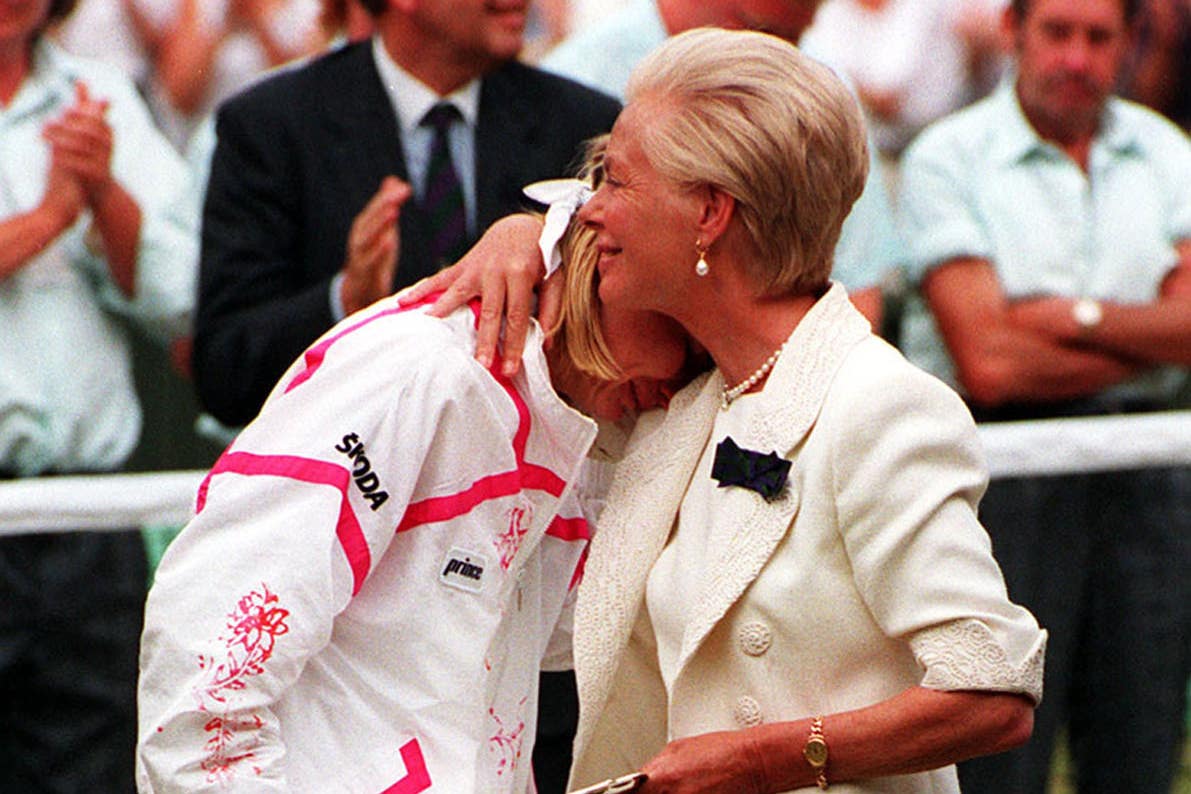
Thus, her breaks with protocol – not just in converting to Catholicism but on the touching occasion in 1993, when she consoled Jana Novotna, who had just lost the Wimbledon ladies’ final.
For years, she did carry out royal engagements across the world, but her heart was set on more direct action. Personal tragedies had affected her deeply: a pregnancy termination in 1975 after contracting German measles; the birth of a stillborn son two years later, which led her to spend seven weeks in the King Edward VII Hospital for “nervous strain”. She suffered from ME and was coeliac.
The depression caused by these harrowing events – and her later withdrawal from royal life – led to speculation about eccentric behaviour, a secret life and a distancing from her husband. In fact, they grew closer together in later years.
Hugo Vickers, the co-author of the duke’s memoir, says, “She was very much there at Wren House, the duke’s home in the grounds of Kensington Palace.
“He took her once a week to the hairdresser’s. In 2013, she acted swiftly when the duke had a mild stroke, insisting on calling an ambulance immediately, and thus he made a full recovery.”
Understandably, the duchess has been largely forgotten by later generations in recent years after her initial great fame. Understandable – but regrettable. In many ways, she lived the epitome of the ideal royal life – a life of service.
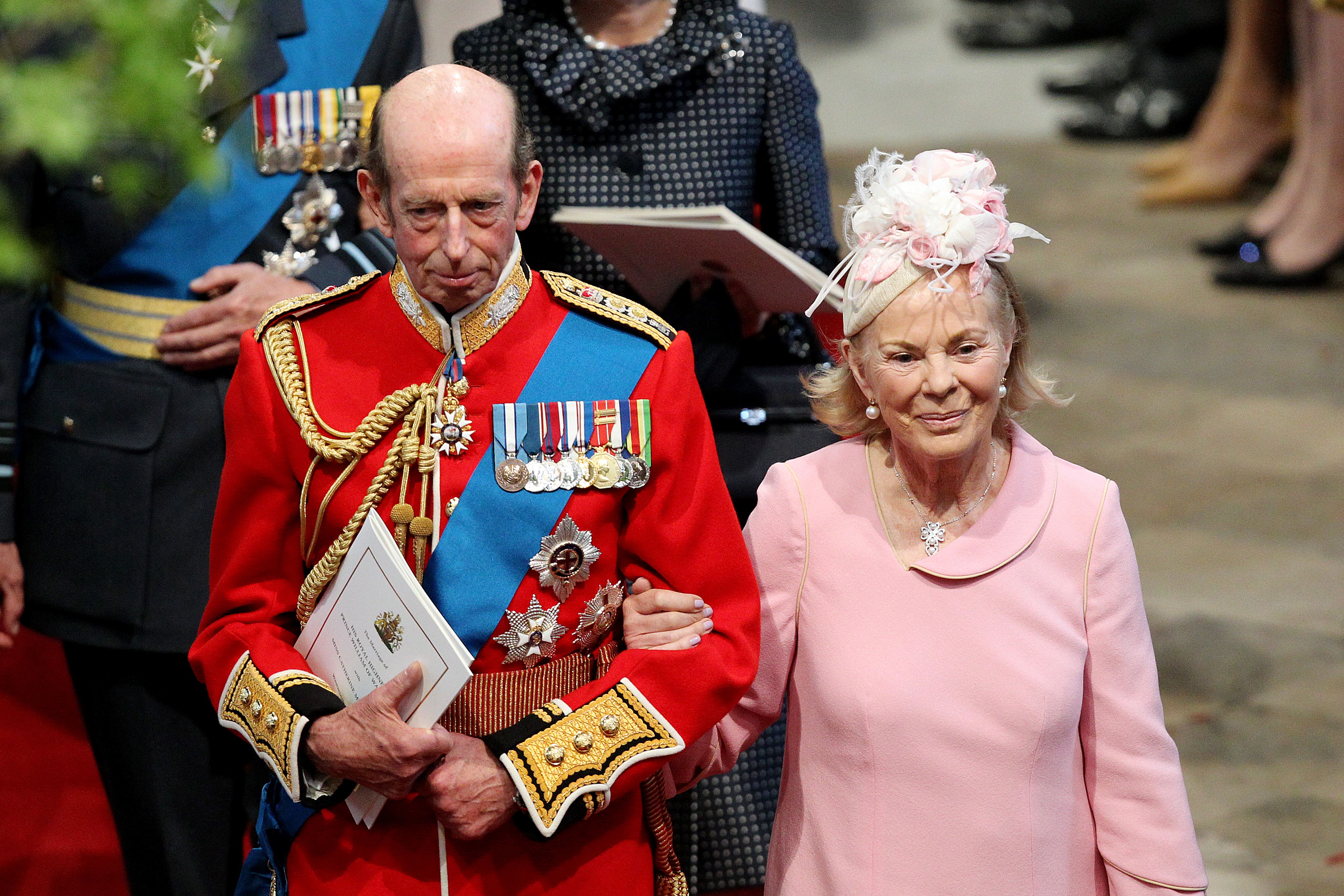
The late Queen shared that approach to royal existence. It’s no wonder that when the duchess chose to leave the royal baubles behind – and her HRH status – the Queen completely understood.
As the late duchess said of her decision to become a teacher, “The Queen said, ‘Yes, go and do it.’ So I did.”
Harry Mount is author of ‘How England Made the English’ (Penguin)
Join our commenting forum
Join thought-provoking conversations, follow other Independent readers and see their replies
Comments
Bookmark popover
Removed from bookmarks