Grey squirrels could be given contraceptives to control invasive species
Native red squirrel numbers have meawnhile plummeted to just 38,900,
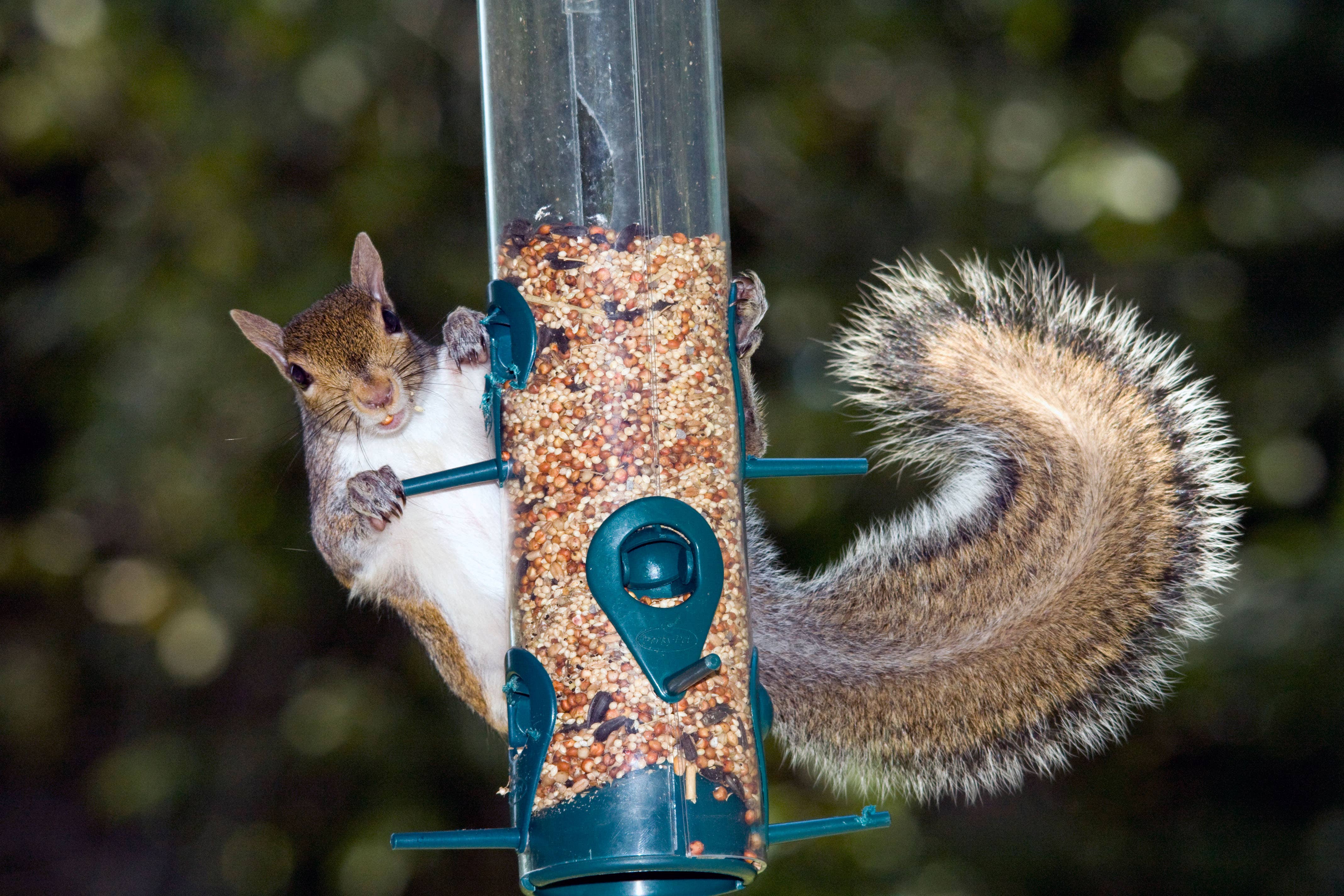
The government is supporting research into a contraceptive "pill" for grey squirrels to curb the damage these rodents inflict on Britain's woodlands and its native red squirrel population.
This forms part of a multi-faceted strategy against the invasive species.
Officials will monitor reintroduced pine martens in Gloucestershire’s Forest of Dean, assessing their impact on grey squirrel numbers, following successes in Ireland and Scotland.
Landowners are also encouraged to act, with grants for traps and support for trained volunteers managing the non-native species.
These initiatives are part of an updated government policy addressing grey squirrels, whose population has reached 2.7 million across Great Britain since their 19th-century North American introduction.
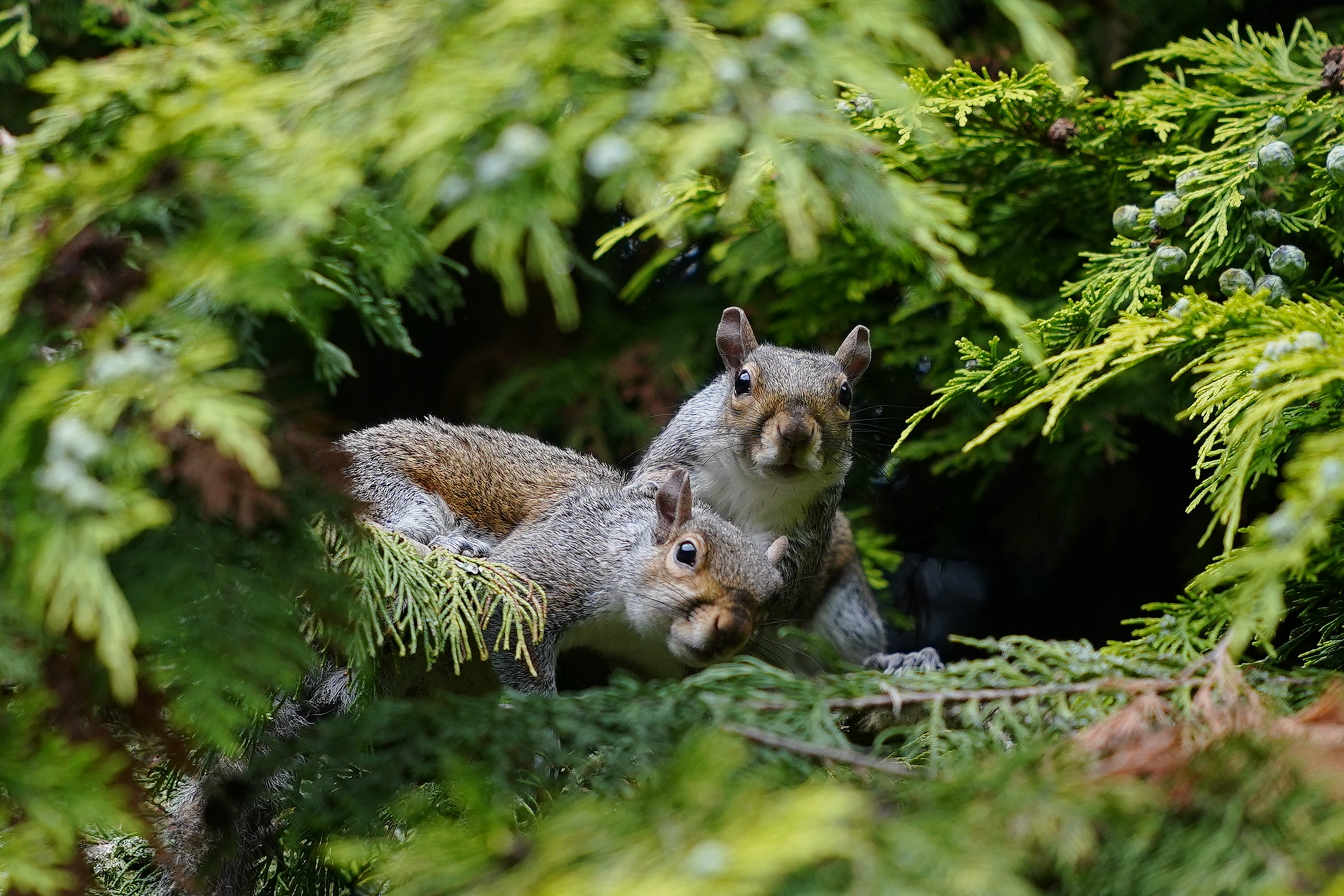
They aggressively out-compete native red squirrels for food and transmit the squirrel pox virus, fatal to reds but rarely to greys.
Native red squirrel numbers have plummeted to just 38,900, pushed to England's fringes. Grey squirrels also damage woodlands by stripping bark, with the economic cost of this destruction estimated at £37 million annually in England and Wales.
In an update to a 2014 grey squirrel action plan, the Government said it would be taking action over the next five years including encouraging landowners to take steps to control the animals with financial incentives and advice, and providing support for training in grey squirrel management.
The Environment Department (Defra) also said that with current control methods often labelled “ineffective” and amid public support for non-lethal control, it would continue to support research into developing an oral contraceptive delivered in a feeder that only grey squirrels could access.
Pine martens, once common in English woodlands but which have largely vanished due to habitat loss and persecution, can also reduce the numbers of grey squirrels, officials said.
Government agency Forestry England will continue to monitor pine marten populations in forests, and their effect on grey squirrels, in particular following the Forest of Dean reintroduction project, where 35 pine martens were reintroduced between 2019 and 2021.
Heather Harris, Red Squirrel Recovery Network (RSRN) communications officer, at The Wildlife Trust for Lancashire, Manchester & Merseyside, said: “The Government’s new squirrel strategy rightly acknowledges grey squirrels as a widespread non-native species, posing a serious threat to red squirrels and the health of woodland ecosystems.
“Red squirrels have now almost disappeared from England, Wales and Northern Ireland, and are under serious pressure in Scotland. Without sustained and effective grey squirrel management, red squirrels could disappear from UK woodlands in 10 years.
“The priority now must be translating policy into co-ordinated, long-term action on the ground.”
And she said:” The RSRN supports research led by the Animal and Plant Health Agency, and funded by the UK Squirrel Accord and its supporters, into non-lethal fertility control.
“This work remains in the research and development phase, where we will support landscape-scale trials of the feeder mechanisms to assess safety, effectiveness and practicality.”
Join our commenting forum
Join thought-provoking conversations, follow other Independent readers and see their replies
Comments
Bookmark popover
Removed from bookmarks