New driving laws could affect millions – here’s what you need to know
The changes could affect all of the UK’s drivers
Major changes to driving rules could come into force within a decade as the government sets out its vision for making Britain’s roads safer.
The new road safety strategy – the first in more than ten years – has been produced to reduce deaths and serious injuries on roads by 65 per cent by 2035, the Department for Transport (DfT) says.
It proposes to introduce new rules around older drivers (those aged over 70), as well as around drink driving and learner drivers.
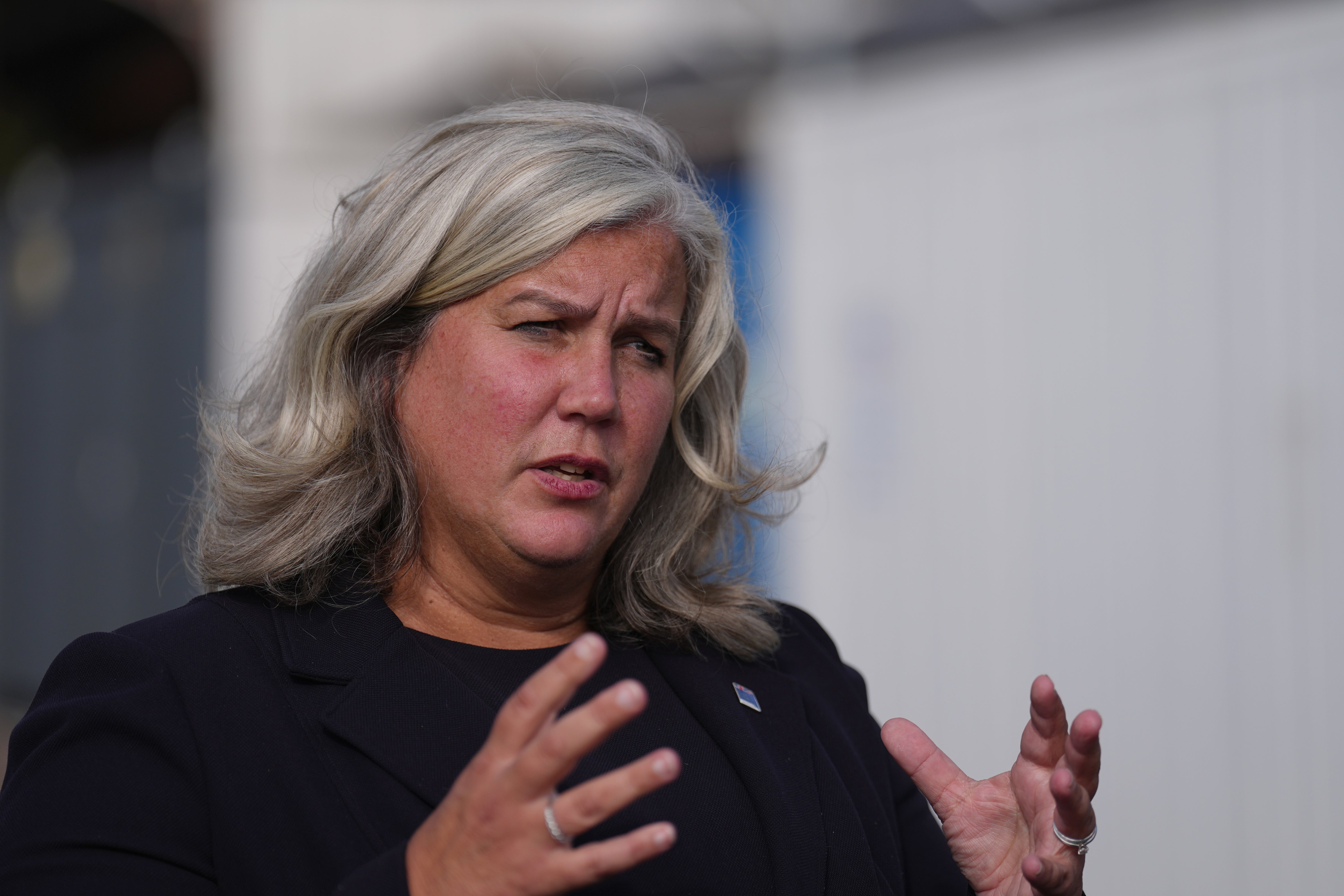
Secretary of State for Transport, Heidi Alexander, said: “Every life lost on our roads is a tragedy that devastates families and communities. For too long, progress on road safety has stalled. This strategy marks a turning point.
“We are taking decisive action to make our roads safer for everyone, from new drivers taking their first lessons to older motorists wanting to maintain their independence. The measures we are announcing today will save thousands of lives over the coming decade.”

Approximately 4 people die on Britain’s roads every day, the DfT says, with thousands more seriously injured each year. A new road safety board chaired by Ms Alexander will oversee the work, which will be consulted on.
Here are some of the key proposals:
Mandatory testing for drivers aged over 70
The DfT says it is consulting on bringing in mandatory eyesight and cognitive tests for older drivers, which will decide if they are fit to remain on the road.
Those aged over 70 represent 14.7 per cent of all drivers, according to the latest official statistics, up from 11 per cent around a decade ago.
The government says the growing trend in older drivers has led it to launch a consultation on the new tests, which are being developed to “protect all road users”.
New drink driving limit and controls
A consultation will also be launched on lowering the drink drive limit in England and Wales, which has remained unchanged since 1967. At 35 micrograms of alcohol per 100ml of breath, it is the highest in Europe.
In 2023, one in six road fatalities involved drink driving. The DfT says the consultation will also explore the use of preventative technology such as alcohol interlock devices, which prevent drivers from starting a vehicle if they fail a breathalyser connected to its ignition.
This may be fitted to the vehicle of some drink drive offenders as a condition of them being allowed to drive again.
New powers could also be introduced to suspend the licenses of those suspected of drink or drug driving offences, the department adds.
Longer minimum learning period for new drivers
Learner drivers could face a minimum learning period of up to six months to take their practical test after passing a theory test under the new rules.
In its wide-ranging consultation, the DfT will explore whether a period of three or six months should be mandatory for learner drivers to ensure their skills are fully developed.
Due to the current backlog in practical tests arising from the Covid pandemic, learner drivers are already currently waiting around six months to take their tests. This is expected to continue until at least 2027.
Essential vehicle technology mandated
Another change would see new safety technologies made mandatory in vehicles. The DfT consultation covers 18 of these, including autonomous emergency braking and lane-keeping assistance.
This will ensure road users “benefit from access to these cutting-edge technologies”, the department says, “and support growth by requiring manufacturers to meet the same requirements across Europe.”
At the same time, new measures could be brought in to tackle the “growing problem” of illegal number plates, uninsured drivers and vehicles without a valid MOT.
Join our commenting forum
Join thought-provoking conversations, follow other Independent readers and see their replies
Comments
Bookmark popover
Removed from bookmarks