‘Police got my son’s ethnicity wrong twice – I blame them for why he’s still missing seven years later’
‘I used to have to go down to the police station every single day about my son, crying.’ Parents open up to Tara Cobham about trauma of not feeling listened to by police
The worst thing a parent can go through had already happened to Christine Durand. Her son Steven was missing, and she had no idea if he was even alive.
But what the mother, who is now 70, didn’t realise was that things were about to get worse over the coming months and years.
“I just feel like they’ve not cared at all, like I've been left on the shelf,” she told The Independent. “I used to have to go down to the police station every single day about my son, crying. They let me down on many occasions.”
Steven, then aged 31, was meant to be travelling from his sister’s flat to his home in Preston on 19 October 2018, the day he disappeared. He had lost his phone, so all he had on him was his bus fare.
After Ms Durand reported Steven as missing, Lancashire Constabulary put out public appeals for the 31-year-old, whom Ms Durand said was known to officers as he suffered from mental health issues. But they misidentified his ethnicity twice by describing him as white when he is mixed race.
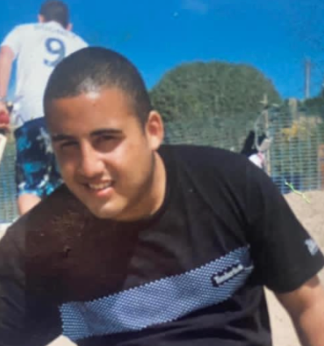
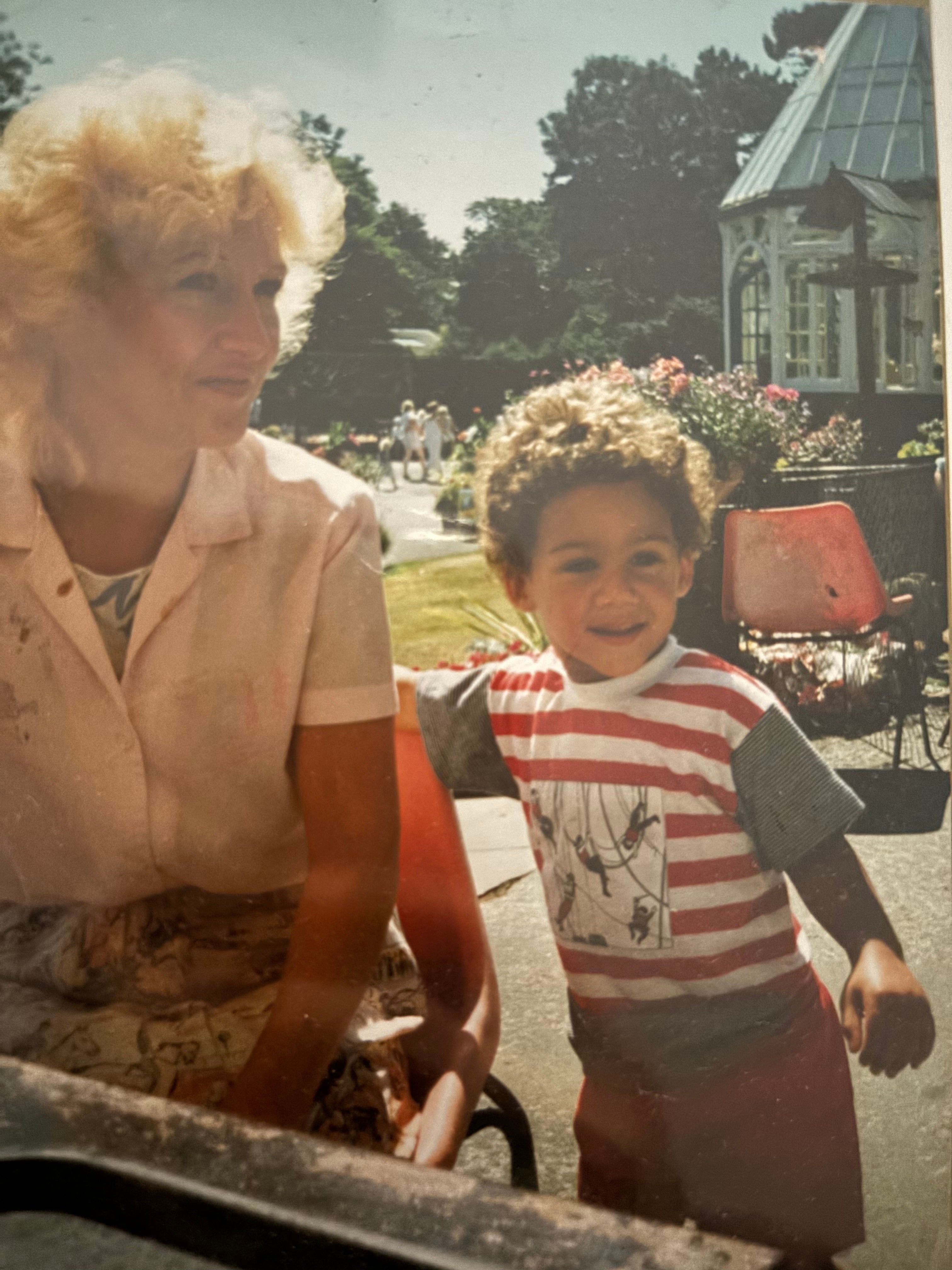
“Everything I asked the police to do, they did the opposite,” Ms Durand said, citing moments such as the police breaking down the door of Steven’s flat when she had told them she had a spare key.
“I think the police are racist – I think they didn’t care about my son because he was mixed race.”
The retiree, from Leyland, believes that her son, “The kindest person you could meet,” could have been found if the police had handled the investigation better.
A lower proportion of missing Black (31 per cent) and Asian (35 per cent) people are found by police compared to white (39 per cent) people, according to research by charity Missing People.
The report also found that Black and Asian children are more likely to be missing for longer periods of time than white children. One in five of all missing incidents related to Black children were for longer than 48 hours, compared to 14 per cent for Asian and 13 per cent for white.
Missing People has now launched its new SafeCall service, a national lifeline designed to support the 72,000 children who go missing in the UK every year. The Independent reached its £165,000 fundraising target last month, enabling the creation of the free, confidential, round-the-clock service.
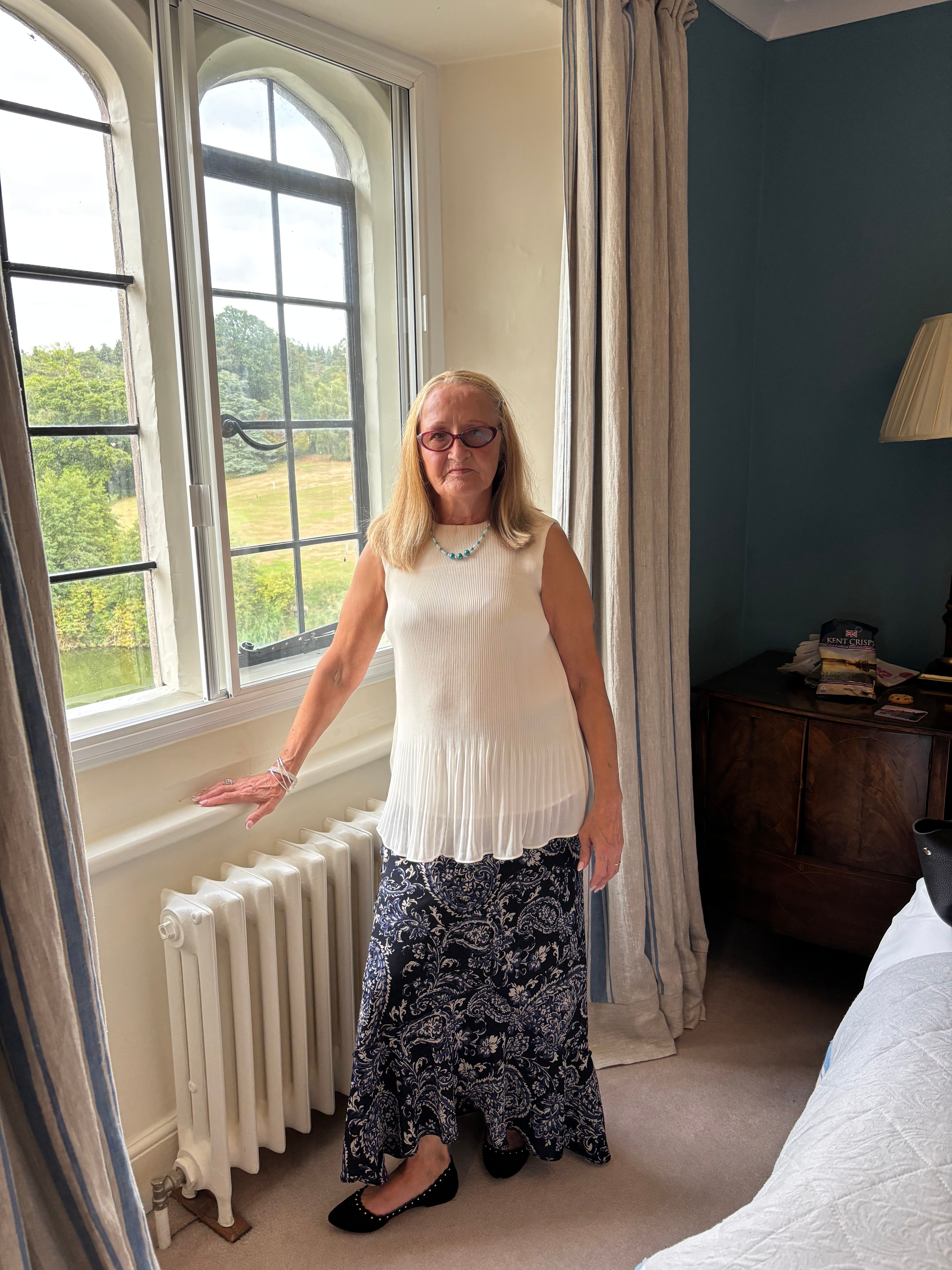
Evidence Joel’s experience echoes that of Ms Durand.
Ms Joel’s son Richard Okorogheye, then aged 19, went missing from Ladbroke Grove, London, on 22 March 2021. Ms Joel, 43, said she reported Richard, who had sickle cell syndrome, as missing to police the following day, telling them he was away from home without his medication.
But the 43-year-old claimed officers did not treat her concerns with urgency and described the investigation as a “disaster”, alleging she was told, “Don’t worry, he’ll come back home,” and even, “If you can’t find your son, how do you expect us to?”
Richard was found dead in Epping Forest, London, on 5 April 2021.
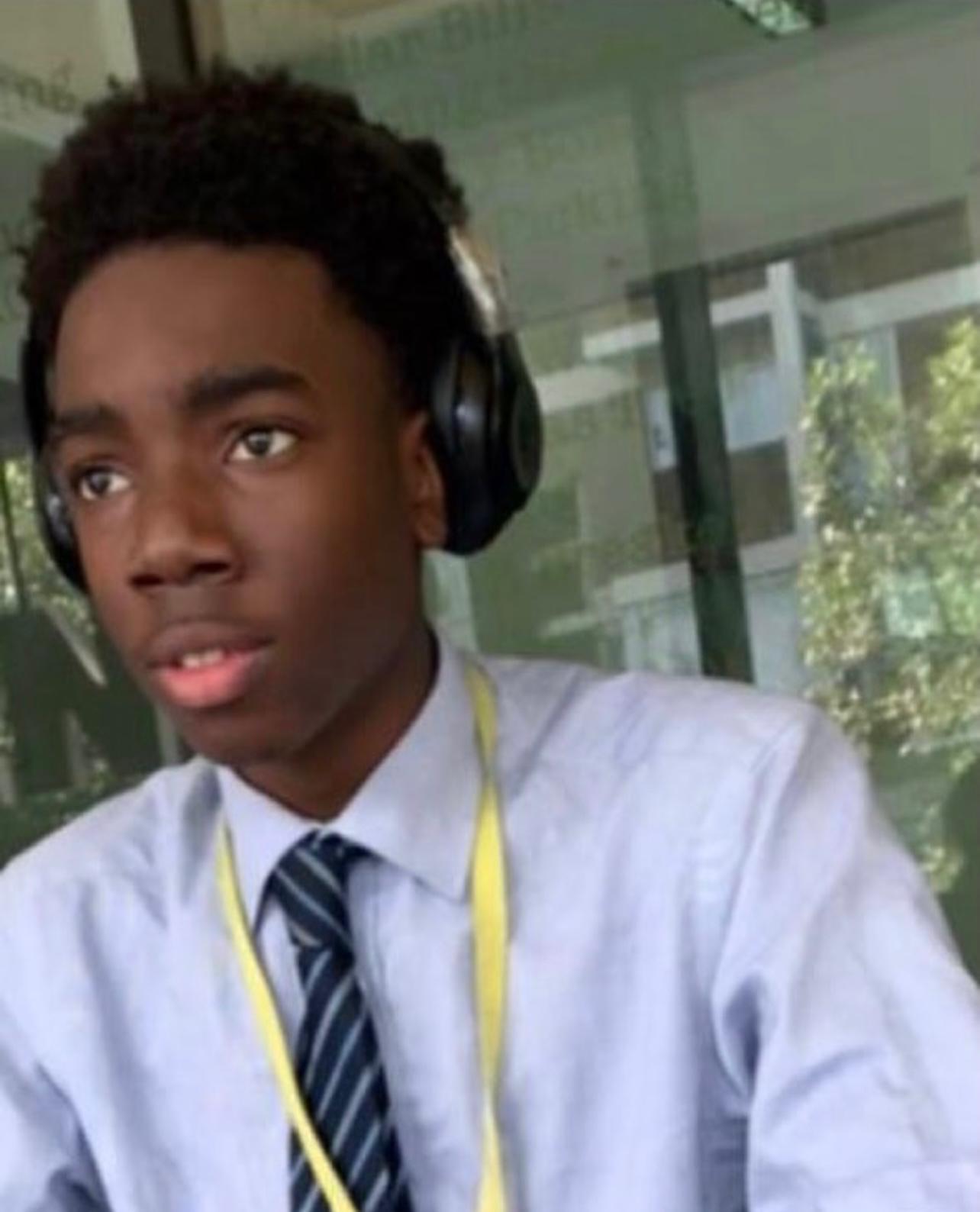
Ms Joel believes her son might have been found alive if the investigation had been handled properly. “I felt the whole thing was governed by discrimination and racism,” the nurse said. “Every day I have to go through this agony in my heart knowing something maybe could’ve been done, but nothing was done. I remember having sleepless nights, walking barefoot from my house to Ladbroke Grove police station, crying, begging them to look for my child.”
The Metropolitan Police did apologise to Ms Joel for providing a level of service “not at a level the public would expect of us”, but it did not acknowledge any discriminatory treatment. An Independent Office for Police Conduct (IOPC) investigation identified several failures by police and described the level of service that Ms Joel received as “unacceptable”, but it found that “the evidence did not indicate that any delay in upgrading Richard’s risk level was due to his or Ms Joel’s race”.
In Ms Durand’s case, she made a complaint and an internal investigation by Lancashire Constabulary found there was “insufficient evidence” that Steven had been discriminated against on the basis of his race or mental health. The force declined to comment on this.
The force also disputed her claims about the door being broken down, but the IOPC upheld Ms Durand’s allegation after a review of her complaint. It added the constabulary apologised for misidentifying his ethnicity.

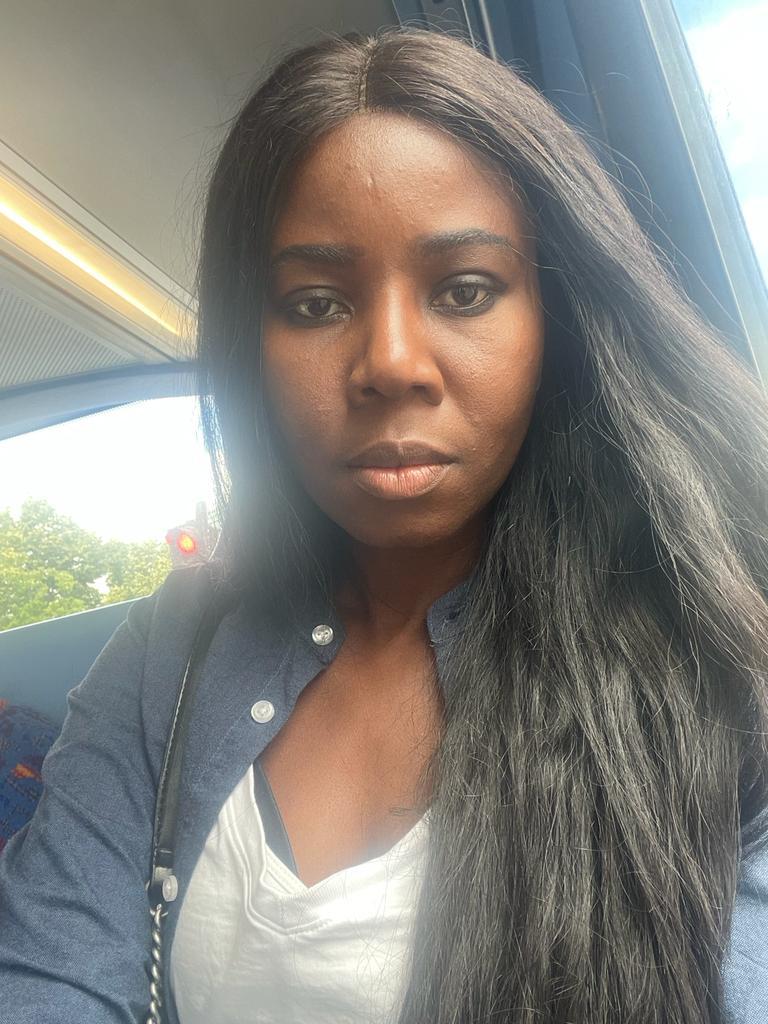
Josie Allan, head of policy and partnerships at Missing People, said the charity has heard from multiple families who have felt discriminated against because of their race.
Explaining why investigations might be coming to competing conclusions, she said “underlying systemic bias” will be affecting police responses, but its “insidious” nature makes it difficult to pinpoint.
“There are inherent issues in being able to identify discrimination in the complaints process,” she said. “We know that data shows there are disparities for Black missing people, so there’s a gap between the evidence about the disparities and the acknowledgement of them... The data and the sheer amount of families who are raising concerns should be raising very serious concerns within policing that there is a pattern.”
She noted the IOPC has recently revised its guidance in efforts to improve the “problematic” handling of discrimination complaints.
In 2021, the Home Affairs Select Committee’s ‘Macpherson: 20 Years on Inquiry’ suggested police services had largely failed to overcome issues and perceptions of institutional racism following the initial inquiry into the murder of Stephen Lawrence, which found consistent evidence of the “over-policing” and “under-protection” of Black, Asian and minority ethnic communities.
Speaking of Steven’s case, a spokesperson for Lancashire Constabulary said: “We’ve carried out extensive enquiries in relation to CCTV, telephony, searches of open land and waterways, enquiries with associates, witnesses, health agencies and financial checks and numerous media appeals, prior to the decision to archive the investigation.”
The force said that “difficult” decisions such as archiving a case sometimes have to be made, but “any new information will be fully investigated”.
A Met Police spokesperson said: “When Richard went missing in 2021, hundreds of officers worked tirelessly over 15 days as part of the extensive search, which also included specialist search teams, dogs and horses and colleagues from Essex Police before his body was sadly found.”
They said the force accepted all of the IOPC’s recommendations from its 2022 investigation, and “have made a significant number of changes to the way we respond from the moment a person is reported missing”.
“This includes putting more emphasis on engaging with the person who reports someone missing, so we can better understand the risks they face,” they added.
Please donate now to The Independent and Missing People’s SafeCall campaign, which has raised £165,000 to create a free, nationwide service helping vulnerable children find safety and support
For advice, support and options if you or a child you love goes missing, contact safecall.org.uk
Bookmark popover
Removed from bookmarks