Trail hunting to be banned under new animal welfare push
Fears the practice is being used as cover for chasing live foxes
The government has announced a ban on trail hunting to prevent the activity from being used as a cover for foxhunting.
Any ban will raise questions over the future of the approximately 170 hunt packs in England and Wales, who will face a dilemma over whether to continue in a different form or whether to fold.
Hunt opponents – who insist the ban on foxhunting is routinely flouted – celebrated the announcement, which brings to a head years of furious clashes over whether genuine trail hunting takes place.
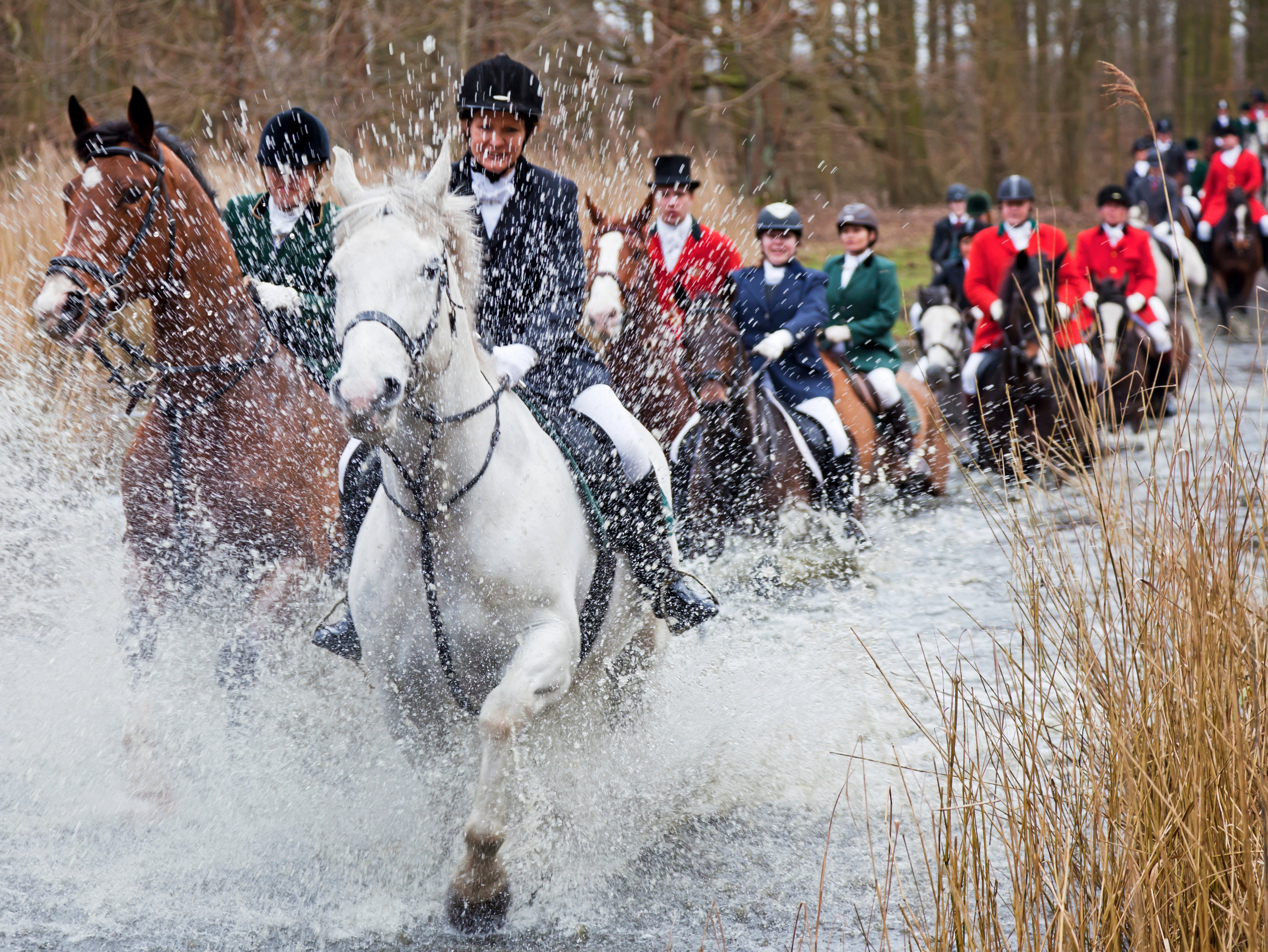
The proposal, a Labour election manifesto pledge, forms a key part of the government’s long-awaited animal welfare strategy, to be unveiled on Monday.
A public consultation on banning trail hunting is already planned for early next year, but a spokesperson for the British Hound Sports Association (BHSA) governing body told The Independent: “Hunts will continue to follow whatever the law requires of them.”
Some hunts have already approached clean-boot hunting groups, such as drag hunts, which do not chase foxes, with a view to joining them, The Independent has been told.
The Hunting Act 2004 made hunting wild mammals illegal, and hunts say they stay within the law by following a scent trail instead of animals. But video evidence has repeatedly shown some hunts still catch and kill foxes.
In a webinar of hunt masters in 2020, leading hunting figures discussed how to create “a smokescreen” around their activities and how to avoid prosecution. In its new strategy, the government acknowledges widespread concern that trail hunting is a smokescreen.
Hunters chased or killed nearly 600 wild animals in the 2023-24 winter season, according to a report by anti-hunt organisation Protect the Wild.
This week, drone footage from Northants Hunt Saboteurs claimed to show a huntsman bundling something into a black sack and carefully handing it over to another rider. Hunt saboteurs who shot the footage allege he was putting a fox killed by hounds in the sack.
A BHSA spokesman, when shown the footage, said it was too unclear to identify the individual, the object or the context. “It would be inappropriate to comment on material filmed covertly and presented without verification. As far as we are aware, the Cottesmore [Hunt] have complied with the law and our regulations,” he said.
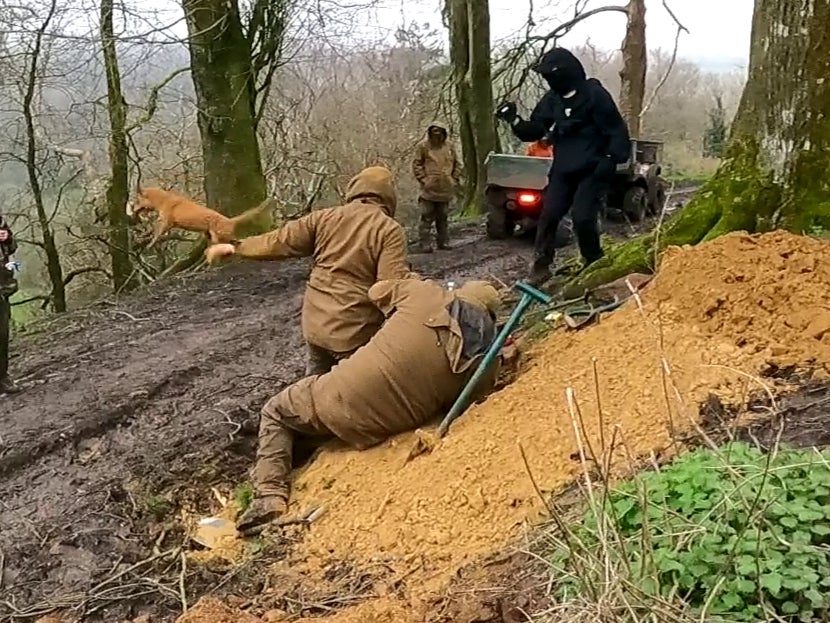
Earlier this week, the BHSA ordered that in future, terrier men, who block up earth holes to prevent foxes from escaping a chase, must not attend trail hunting days – in a move interpreted by some as a last-ditch effort to clean up the image of hunting.
The Hunt Saboteurs Association is worried that even if some hunts join forces with drag-hunting groups, it would be difficult to retrain hounds to stop picking up foxes’ scents.
A spokesperson said they feared that some unregistered, mostly farmer-led hunts would “go underground” and continue to hunt in defiance of the ban.
They said: “We are hopeful for a proper ban on trail hunting, which closes the loopholes in the law and blows away the hunting smokescreen.
“This season has already seen wildlife chased and killed under the guise of ‘trail hunting’. A ban is long overdue to end the savage cruelty caused by hunting with hounds. We will wait to see the outcome of the consultation, but it is clear that far stronger measures are urgently needed to protect wildlife.”
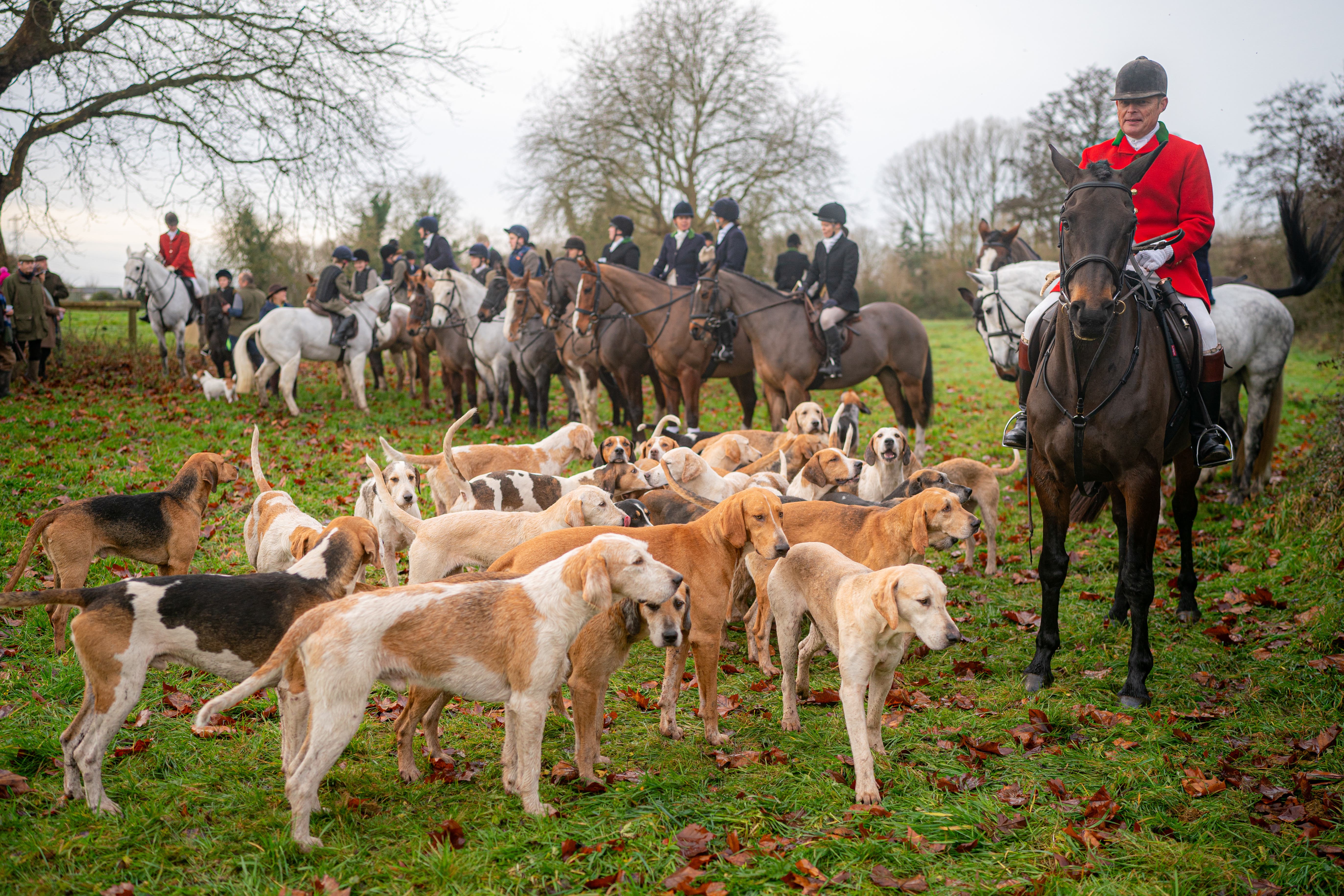
A spokesperson for the Countryside Alliance said of plans to ban trail hunting: “The last Labour government said hunts should follow an artificial scent when it spent several hundred hours banning traditional hunting. It would be perverse if they were now to ban that.”
They did not reply when asked whether hunts would obey or flout a ban on trail hunting.
A BHSA spokesperson said that until there is a clear proposal, it would be premature to speculate on what hunts may do or how a ban might be interpreted.
“Trail hunting remains lawful, and we do not accept the premise that it should be banned. It supports livelihoods, keeps small rural businesses going and holds communities together, with well over ten thousand hounds and many thousands of horses kept specifically for this lawful purpose.
“This is more than a pastime – it is part of the economic and social lifeblood of the countryside, something that will be visible again when Boxing Day meets draw large crowds.”
Join our commenting forum
Join thought-provoking conversations, follow other Independent readers and see their replies
Comments
Bookmark popover
Removed from bookmarks