Keir Starmer to deploy UK warships to Arctic following Trump’s Greenland threats
The prime minister also used his speech at the Munich Security Conference to underline the UK’s commitment to Nato as he spelled out the ‘urgency’ for a closer UK defence relationship with Europe
British warships are set to patrol the Arctic following Donald Trump’s threats to annex Greenland over security concerns, Sir Keir Starmer has announced.
Speaking to world leaders at the Munich Security Conference, the prime minister said the US, Canada and other Nato allies would join Britain in bolstering security across what is known as the High North.
Mr Trump has claimed Denmark, of which Greenland is a territory, does not do enough to defend the region, which is strategically important to the US, from threats by Russia and China.
During his address, Sir Keir also hit out at Mr Trump’s claims that he is unsure if other Nato allies would come to the US’s defence. He told him: “Be in no doubt, if called on, the UK would come to your aid today.”
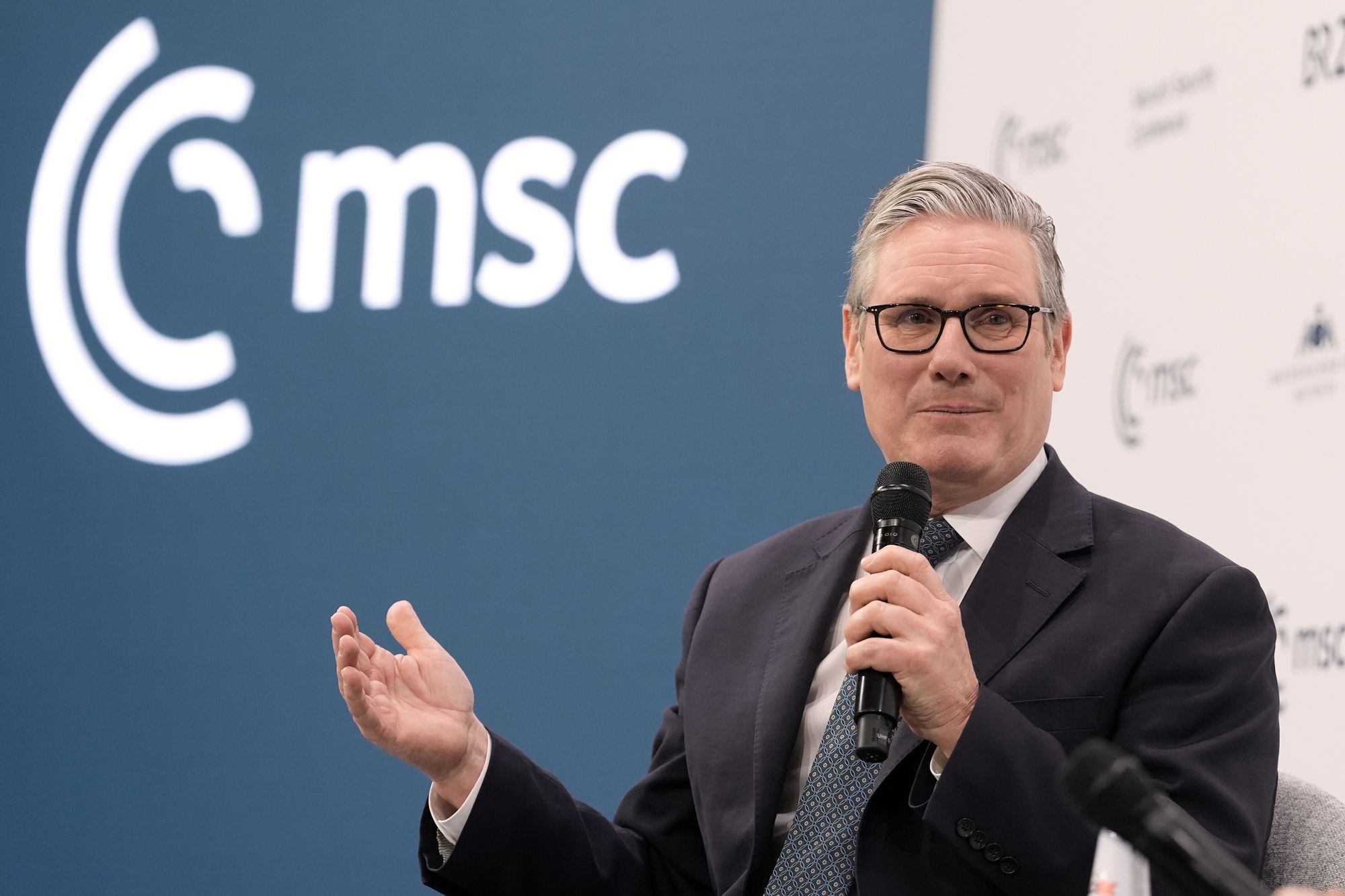
He also warned that when it came to Russia, Europe had to be ready to “fight” if it came to it.
The conference is taking place as the world approaches the fourth anniversary of the Russian invasion of Ukraine later this month.
Sir Keir told the conference: “I can announce today that the UK will deploy our carrier strike group to the North Atlantic and the High North this year, led by HMS Prince of Wales, operating alongside the US, Canada and other Nato allies in a powerful show of our commitment to Euro-Atlantic security.”
Earlier this year, European nations rallied to Denmark's side amid the suggestion that the US could annex Greenland.
In a strong message to President Trump, Sir Keir also said the UK would honour the Nato commitment to defend its allies if called upon.
One of the alliance’s founding principles, Article 5, is that an attack on one Nato member is an attack on all. It has only been invoked once, after the 9/11 terror attacks in New York.
Sir Keir said: “I am proud that my party fought for Nato’s creation, what our then-foreign secretary Ernie Bevin called a spiritual union of the West.
“And we’ve shown our fidelity to that ideal, asserting each other’s sovereignty as we did on Greenland, and crucially, coming to each other’s aid under Article 5, we fought together in Afghanistan at terrible cost to many in my country and across many allied countries.
“So I say to all Nato members, our commitment to Article 5 is as profound now as ever, and be in no doubt, if called on, the UK would come to your aid today.”
In his speech, Sir Keir also outlined plans for Britain to move towards “deeper economic integration” with the European Union, aiming to “move closer to the single market” in various sectors. He said the current EU-UK “status quo is not fit for purpose”, acknowledging that such a shift would entail “trade-offs”.
After an attempt by the Scottish Labour leader to oust him from office, Sir Keir also said he "ended the week much stronger than I started it."
His speech came less than an hour after an address by the US secretary of state Marco Rubio, who warned Europe that the US did not want to be caretakers of Western “decline”. Mr Rubbio also criticised past errors by Western nations over the last four decades, while simultaneously appearing to try to improve strained relations between the US and Europe.
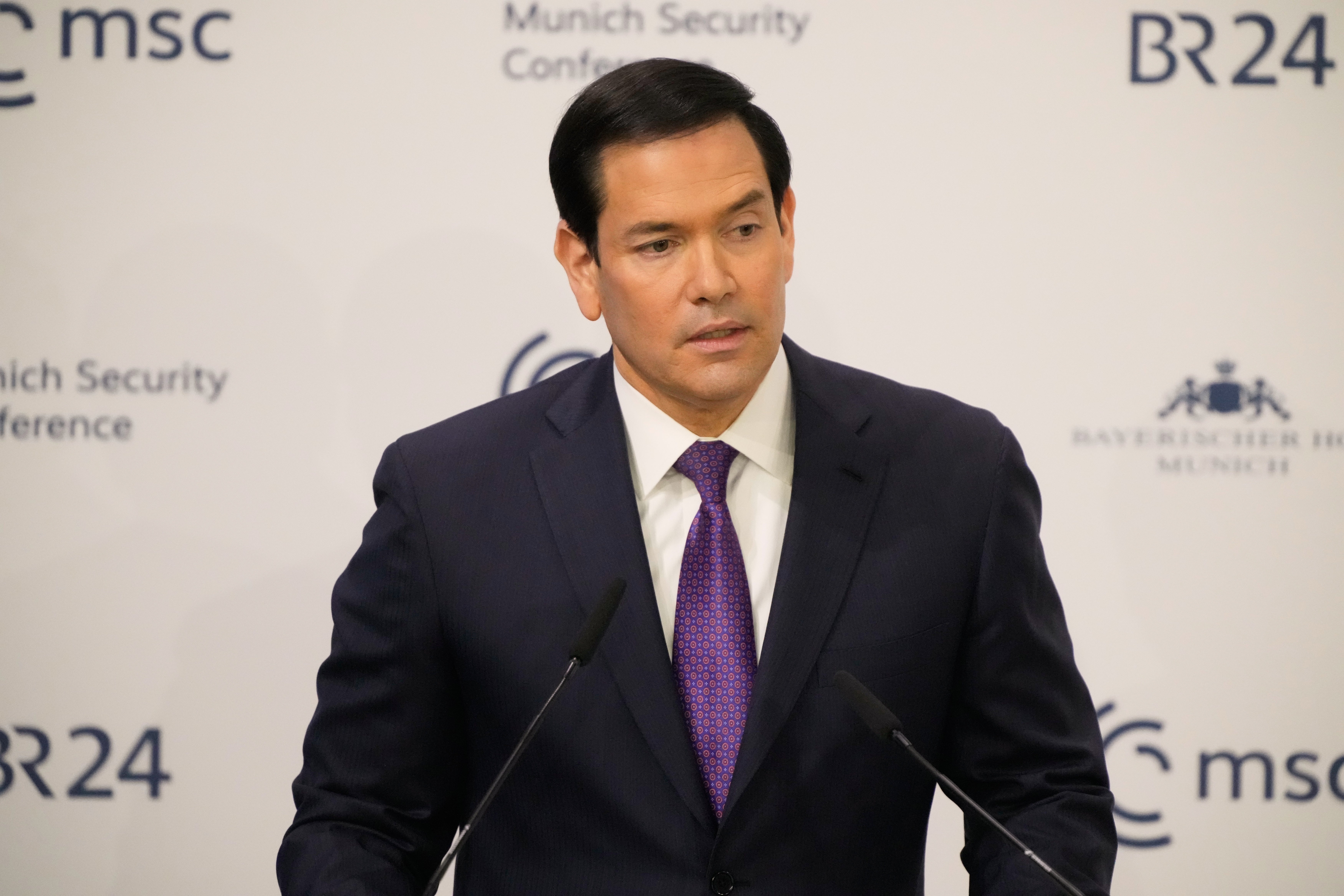
On Friday, he declined to attend a Ukraine meeting at the conference, even as allies reaffirmed their support for the war-torn nation.
US officials attributed his absence to scheduling conflicts, but European observers widely interpreted it as a potential indicator of the White House’s declining interest in involving them in efforts to resolve the conflict.
Join our commenting forum
Join thought-provoking conversations, follow other Independent readers and see their replies
Comments
Bookmark popover
Removed from bookmarks