What is Yvette Cooper’s plan to fast-track asylum claims?
The home secretary has promised a ‘major overhaul’ of the appeals process in order to bring down the asylum backlog – but how exactly will this work? Millie Cooke takes a closer look


As tensions flare up in the UK over migration, with protests taking place in Newcastle, Manchester and north London, the government is pursuing a new plan to reduce the asylum backlog.
The home secretary has said she plans to introduce a fast-track scheme to turn around asylum decisions within weeks, via a “major overhaul” of the appeal process.
The plan is part of a wider attempt to crack down on the number of people crossing the Channel, with Ms Cooper announcing a “one-in-one-out” returns deal with France earlier this year. But despite their efforts, last week it was revealed that the number of migrants arriving in the UK after crossing the English Channel topped 25,000 in record time, piling pressure on the government to take further action.
It is hoped that the new plan will make a dent in the backlog and return people to safe countries faster, reducing the number of asylum seekers who are housed in hotels while awaiting the outcome of a claim or appeal.
Here, The Independent takes a look at everything we know about the plan so far and how it will work in practice.
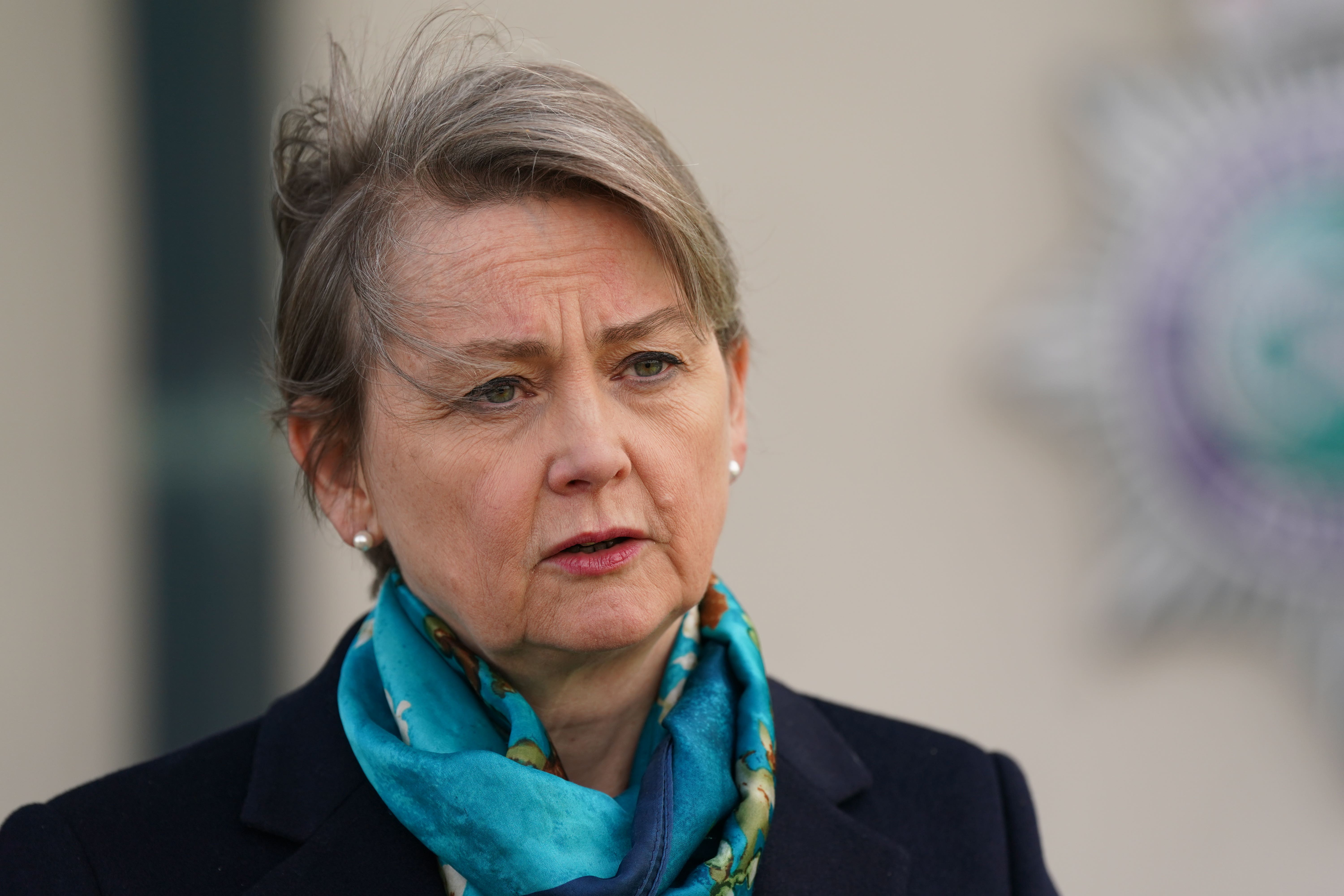
How would the fast-track system work?
Asylum seekers and their families are housed in temporary accommodation, including hotels, if they are waiting for the outcome of a claim or an appeal and have been assessed as not being able to support themselves independently.
But Yvette Cooper has now promised a “major overhaul” of the appeal process, speeding up the time it takes for decisions on claims and appeals to be made. There are currently limited details on how this system would work, but sources told the Sunday Times it would allow decisions to be taken within weeks, rather than months or even years.
Once a decision has been taken, those who have been rejected will be returned to their home country – reducing the number of people housed in temporary accommodation.
“If we speed up the decision-making appeal system and also then keep increasing returns, we hope to be able to make quite a big reduction in the overall numbers in the asylum system, because that is the best way to actually restore order and control,” Ms Cooper said.
When will it be implemented?
The home secretary has said she will legislate for the changes in autumn, when MPs return from their summer break. But it could take months for any legislation to pass through parliament, meaning we are unlikely to see the fast-track system implemented until the new year.

How big is the asylum backlog and why is tackling it a priority?
As of the end of March 2025, there were 78,745 asylum applications awaiting an initial decision – an 8 per cent decrease from the end of June 2024 and a 13 per cent decrease compared to the end of December 2024, official immigration statistics show. These outstanding cases related to 109,536 people, including both main applicants and their dependents.
Labour has put a pledge to fix the “broken” asylum system and crack down on the number of people coming to the UK on small boats at the centre of its plan for government. But with boat crossings at a record high, and the asylum backlog still above 75,000, there is mounting pressure on ministers to take more drastic action, a pressure exacerbated by the success of Reform UK in the polls.
The government has also promised to end the use of asylum hotels before the end of this parliament, a promise it is unlikely to meet unless the backlog is reduced. Tensions over asylum hotels have flared up in recent weeks, with a protest and counter-protest taking place on Saturday outside the Thistle City Barbican Hotel in north London, and also in Newcastle and Manchester.
Join our commenting forum
Join thought-provoking conversations, follow other Independent readers and see their replies
Comments
Bookmark popover
Removed from bookmarks