The Independent's journalism is supported by our readers. When you purchase through links on our site, we may earn commission.
FDA approves Wegovy weight-loss pill in first green-lit alternative to injectable GLP-1 drugs
U.S. regulators have approved a pill version of the weight-loss drug Wegovy, a boon for drugmaker Novo Nordisk
U.S. regulators on Monday approved a pill version of the blockbuster weight-loss drug Wegovy, marking the first time a daily oral medication has been green-lit to treat obesity.
The change is expected to drive even further adoption of the already widely popular GLP-1 class of drugs and help fight chronic obesity around the world.
“We now have injectable-like efficacy in a once-daily pill,” David Moore, executive vice president of Wegovy maker Novo Nordisk’s U.S. operations, told The Wall Street Journal. “And that’s a change from where we’ve been in terms of treating obesity.”
GLP-1 drugs such as Wegovy, which also comes in an injectable form, mimic a natural hormone that controls appetite and feelings of fullness.
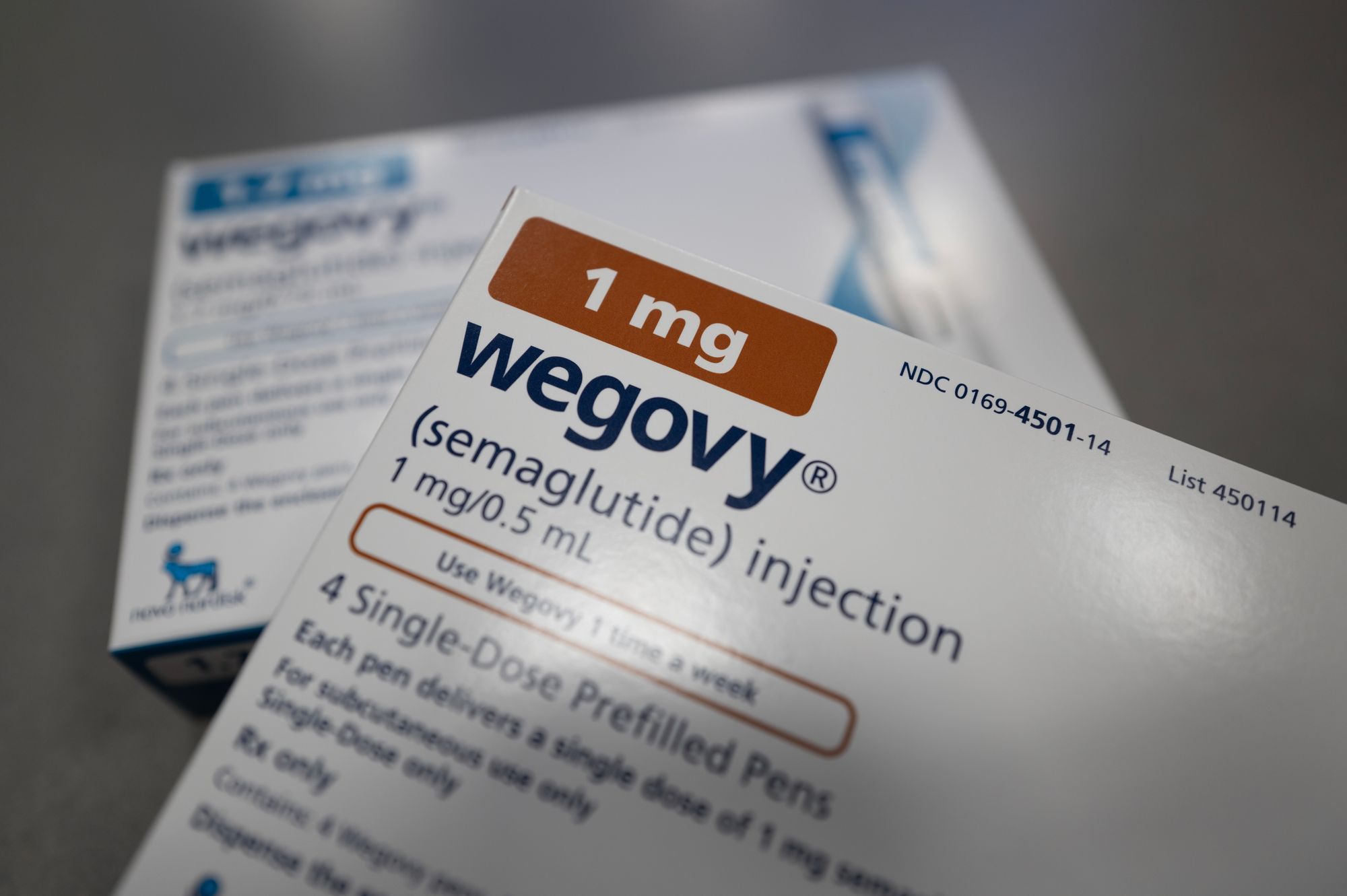
The Food and Drug Administration’s approval of the Wegovy pill is expected to help drive further use of such drugs, which some have avoided due to the higher cost of injections, which can be priced at upwards of $1,000 per month, as well as issues with insurance and fear of needles.
“This is a meaningful step forward in the field,” Dr. Christopher McGowan, a gastroenterologist who runs a weight loss clinic in Cary, North Carolina, told NBC News. “It won’t replace injectables, but it broadens our tool kit in an important way.”
“Pills are familiar, non-intimidating and fit more naturally into most people’s routines,” he added. “For many patients, a pill isn’t just easier, it’s psychologically more acceptable.”
Last month, the Trump administration announced a deal with Novo Nordisk to offer starting doses of the Wegovy pill for $149 a month. Now that the medication has been approved, it is expected to go to market in the coming weeks.
The Novo Nordisk obesity pill contains 25 milligrams of semaglutide. That's the same ingredient in injectables such as Wegovy and Ozempic, as well as Rybelsus, a lower-dose pill approved to treat diabetes in 2019.
In a clinical trial, participants who took oral Wegovy lost 13.6 percent of their total body weight on average over about 15 months, compared with a 2.2 percent loss if they took a placebo, or dummy pill. That’s nearly the same as injectable Wegovy, whose patients saw an average weight loss of about 15 percent.
Chris Mertens, 35, a pediatric lung doctor in Menomonee Falls, Wisconsin, joined a Novo Nordisk trial in 2022 and lost about 40 pounds using the Wegovy pill. The daily medication worked to decrease his appetite and invasive thoughts of food, he told The Associated Press.
“If there were days where I missed a meal, I almost didn’t realize it,” Mertens said.
Dr. David Kessler, a former commission of the FDA, warned in an interview with The New York Times that these results will need to be validated in the real world.
“What we’re learning is the actual effectiveness of these drugs really are going to need to be determined by real-world evidence,” he told the paper. “Trials always look better than they are in practice.”
In recent years, Novo Nordisk’s injectable Wegovy and Lilly’s Zepbound have revolutionized obesity treatment globally and in the U.S., where 100 million people have the chronic disease.
About 1 in 8 Americans have used injectable GLP-1 drugs, according to a survey from KFF, a nonprofit health policy research group.
The Wegovy pill is expected to generate sales of nearly $2 billion in 2030, according to analysts from TD Cowen.
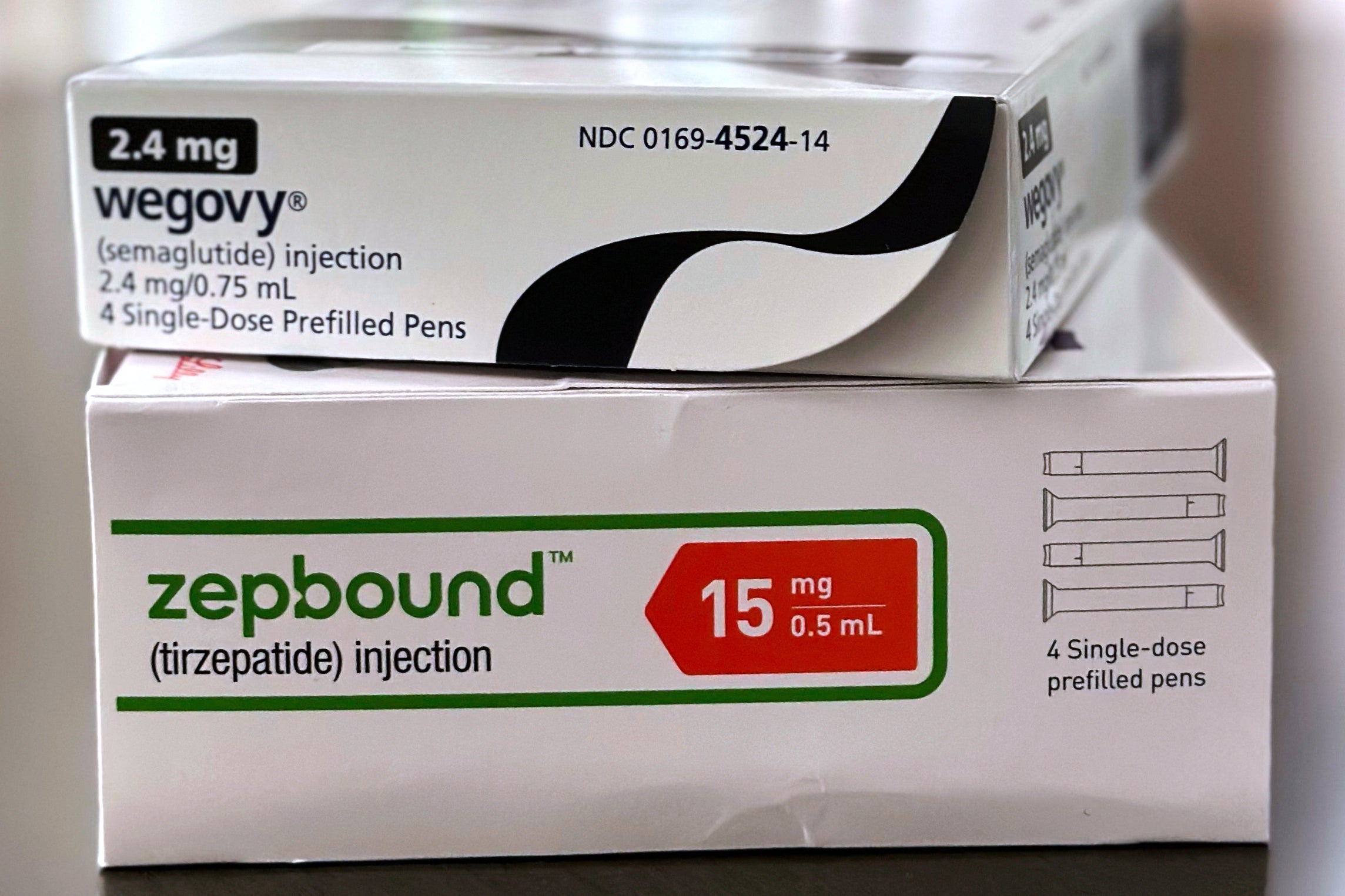
Novo Nordisk rival Eli Lilly has a pending obesity pill of its own, orforglipron, which is still under review.
The company, which manufactures competitor drugs to Wegovy including Zepbound and Mounjaro, is expected to get approval sometime around March.
Bookmark popover
Removed from bookmarks