AI error pushed new ICE agents into the field without proper training: report
The AI mistake took place this past fall during a recruitment surge, according to the report
An artificial intelligence error allowed many recently recruited Immigration and Customs Enforcement officers to be sent straight to field offices without proper training, according to a report.
ICE used an AI tool to scan resumes and mistakenly grouped applicants without law enforcement backgrounds with candidates who were previously law enforcement officers, two sources told NBC News.
The tool was used mid-fall to find potential candidates for the agency’s “LEO program,” which stands for law enforcement officer, for recruits who are already law enforcement officers.
The program requires four weeks of online training. Meanwhile, applicants without law enforcement backgrounds must take an eight-week in-person course at ICE’s academy at the Federal Law Enforcement Training Center in Georgia.
Despite these clear distinctions, the AI tool sorted all applicants with the word “officer” in their resume into the group with the shorter online training, including those who were a different type of “officer” or wrote that they hoped to become an ICE officer, the officials said.
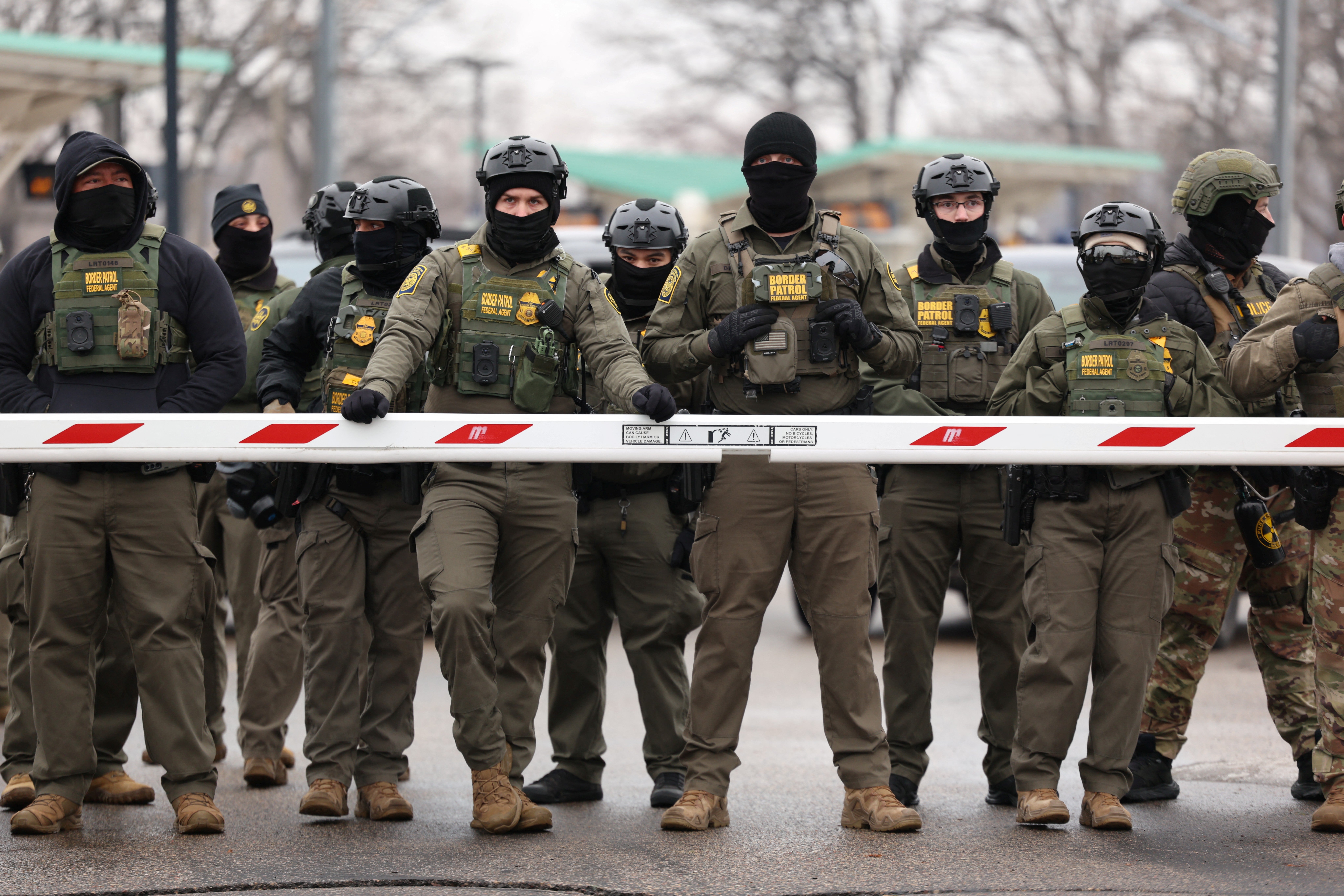
Most of the new applicants were flagged as law enforcement officers, even though many had no experience in any police or federal law enforcement agency, according to the report.
“They were using AI to scan resumes and found out a bunch of the people who were LEOs weren’t LEOs,” one of the officials said.
Both officials noted that the ICE field offices provide additional training beyond what is taught at the academy or in the online course before officers are sent onto the street, and the officers who were impacted by the AI error likely received that training.
The Department of Homeland Security did not immediately return a request for comment from The Independent.
The mistake occurred mid-fall during a recruitment surge, and ICE immediately began taking steps to fix the error, including by manually reviewing the resumes of new hires, the officials said.
“They now have to bring them back to FLETC,” one official said, referencing the Federal Law Enforcement Training Center.
Officials said the AI tool was initially used to sort resumes, and that they weren’t sure how many officers were improperly trained. It was also unclear how many impacted officers had been sent out to begin immigration arrests.
The immigration agency’s presence across the country has surged in recent months, most recently making headlines following the shooting death of Renee Nicole Good in Minneapolis, Minnesota, by ICE officer Jonathan Ross.
Ross had over 10 years of experience with ICE and wouldn’t have been affected by the AI mishap.
More than 2,000 immigration arrests have been made in Minnesota since the enforcement operation began in December, according to DHS.
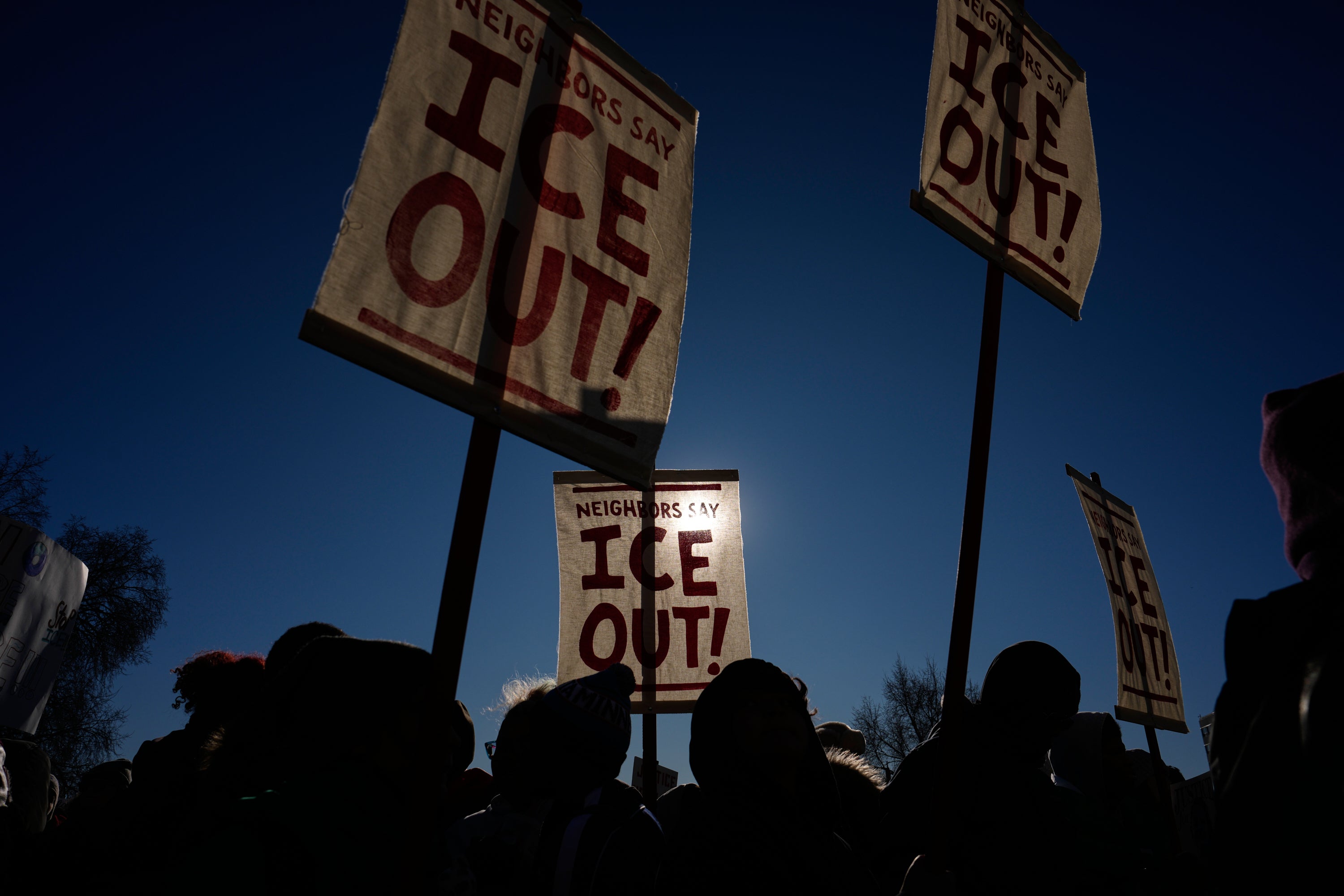
The agency’s presence in Minnesota has sparked widespread protests, prompting President Donald Trump on Thursday to threaten to invoke the Insurrection Act.
On his Truth Social platform, Trump asserted Thursday that the protesters, whom he referred to as “professional agitators and insurrectionists,” were attacking ICE agents, and demanded that “corrupt politicians” stop the attacks.
“If the corrupt politicians of Minnesota don’t obey the law and stop the professional agitators and insurrectionists from attacking the Patriots of I.C.E., who are only trying to do their job, I will institute the INSURRECTION ACT, which many Presidents have done before me, and quickly put an end to the travesty that is taking place in that once great State,” Trump wrote.
The Insurrection Act is an 1807 rarely used law that allows the president to utilize military troops or federalize National Guard troops in order to suppress uncontrollable protests or other civil disturbance situations.
Join our commenting forum
Join thought-provoking conversations, follow other Independent readers and see their replies
Comments
Bookmark popover
Removed from bookmarks