Here’s why record-high flash flood warnings were issued in U.S. this year
Climate change and improved weather systems have contributed to record-high flash flood warnings this year
There has been a record-high number of flash flood warnings issued in the U.S. this year, which can be linked to climate change and improved weather systems.
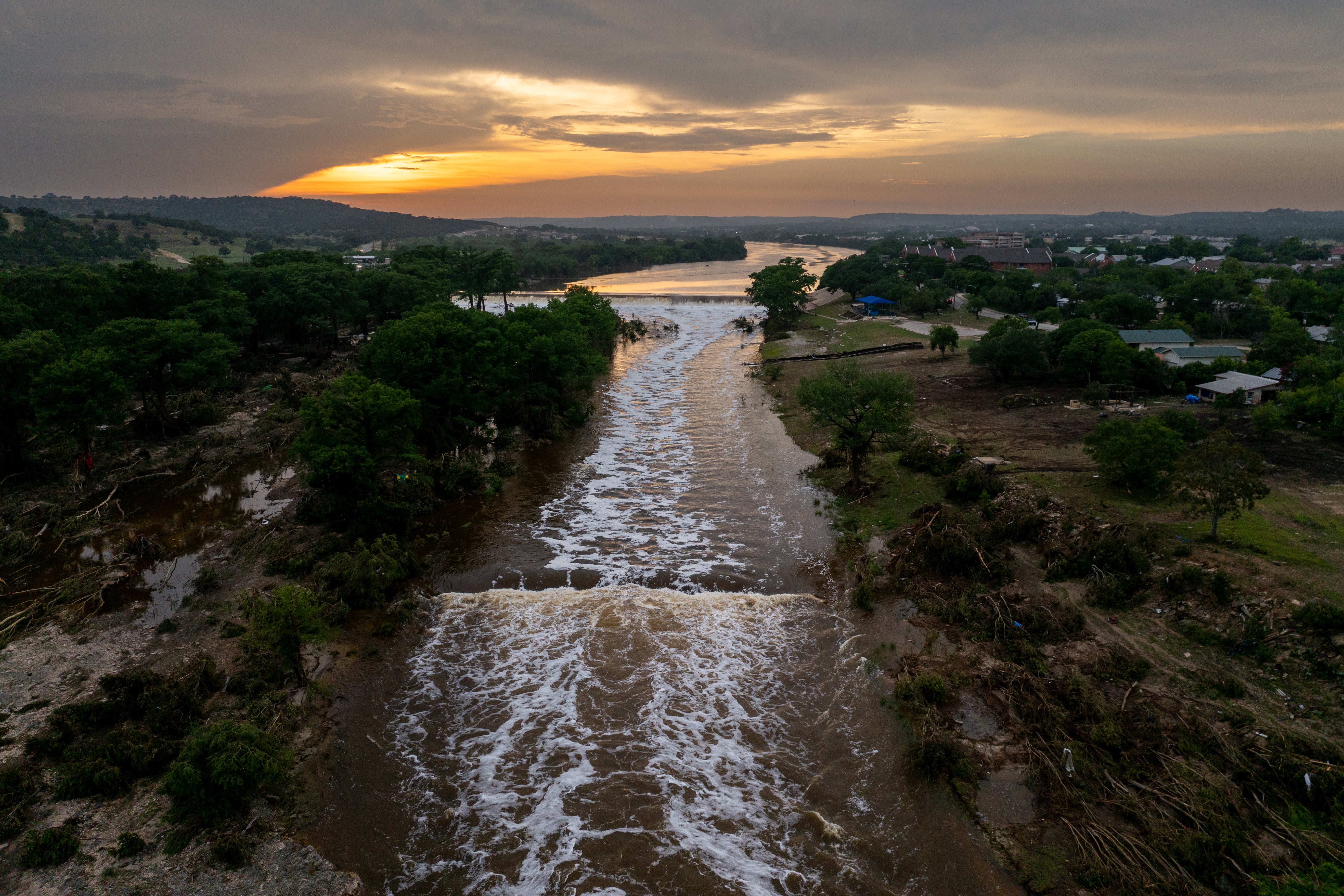
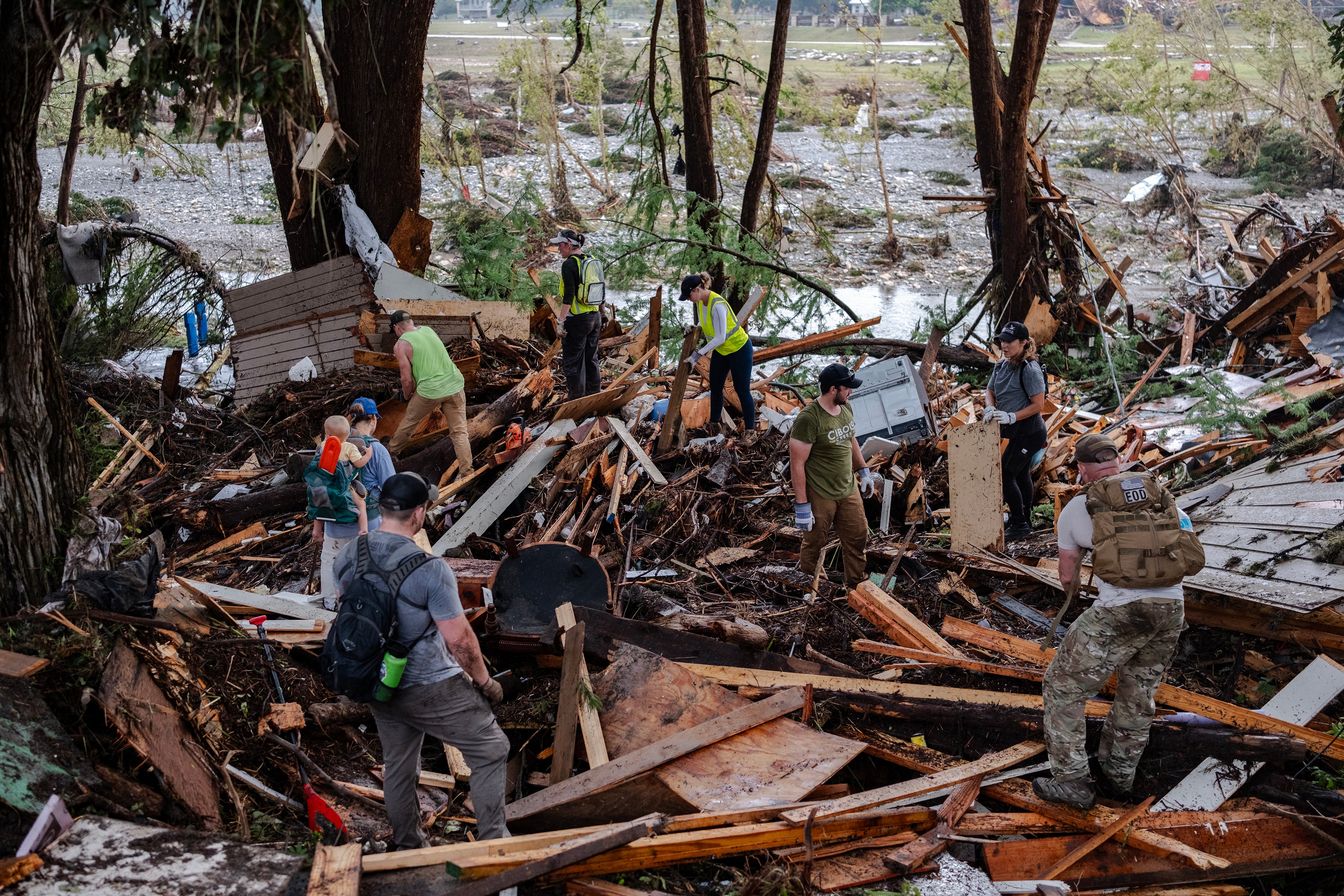
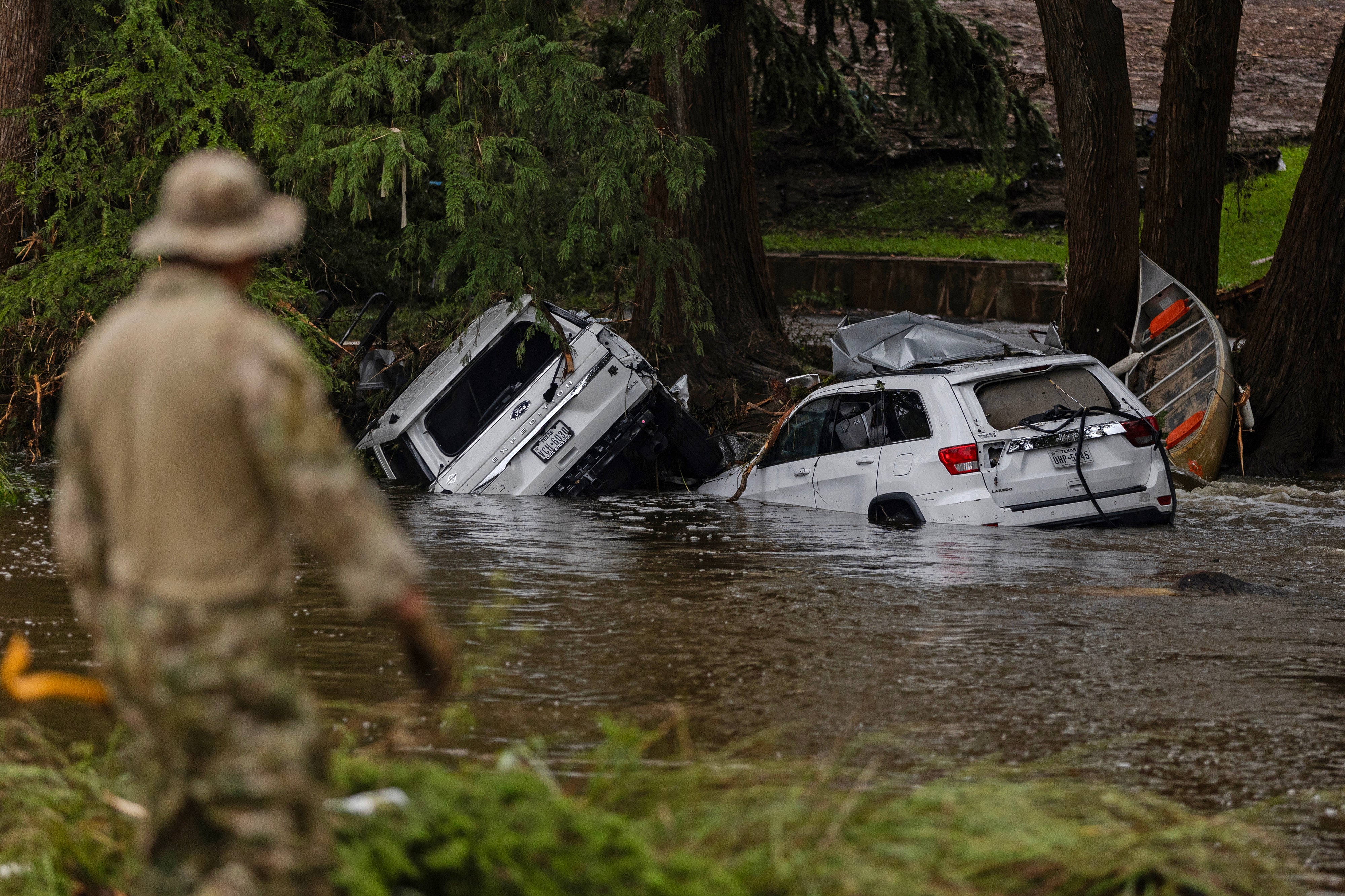
The catastrophic and deadly flash flooding in central Texas earlier this month has brought attention to the increasing intensity of these weather events and how Americans can prepare for them.
More than 130 people, including dozens of children, died after the Guadalupe River burst its banks on July 4, and many more are still missing. Following the disaster, questions have been raised about whether officials could have done more to protect Texans, including installing flood warning sirens in the area.
But floods are not unique to Texas. NBC News reported, citing data from Iowa State University, there was a record number of more than 3,000 flash flood warnings issued in the U.S. from January 1 to July 15.
 Severe weather in tropical storm's wake triggers North Carolina state of emergency
.jpeg?quality=75&width=230&crop=3%3A2%2Csmart&auto=webp) Camp leader may not have seen urgent alert before deadly Texas flood, family says
Camp leader may not have seen urgent alert before deadly Texas flood, family says Is it safe to travel to New York after city hit by flash flooding?
 Here’s how climate change is making floods more dangerous across the country
- Texas floods: 133 dead as report claims Camp Mystic leader received flood warning hour before disaster
A flash flood warning is issued by the National Weather Service when a sudden violent flood is imminent or occurring.
The outlet previously reported there were at least four one-in-1,000-year rainfall events from July 4 to 8, flooding parts of Texas, North Carolina, New Mexico and Chicago.
Climate change can make river floods larger or more frequent in some places, according to the Environmental Protection Agency.
“As warmer temperatures cause more water to evaporate from the land and oceans, changes in the size and frequency of heavy precipitation events may in turn affect the size and frequency of river flooding,” the EPA wrote on its website.
But one expert explained another reason why there are more flash flood alerts than ever before.
Amir AghaKouchak, director of the Center for Hydrometeorology and Remote Sensing at the University of California, Irvine, told NBC News radar systems and weather models have significantly improved over the last 40 years.
“The system that was implemented back in the ‘80s is not the same as the system that we have now,” he said. “We have many, many more radars, and we have many different sources of data.”
“So naturally you expect more warnings just because our systems are getting better and better,” the expert added.
Join our commenting forum
Join thought-provoking conversations, follow other Independent readers and see their replies
Comments
Bookmark popover
Removed from bookmarks