Warming up your idling car in the cold? It could end up with a ticket and hefty fine
Idling, or ‘puffing’ is the practice of leaving your car running, unlocked, and unattended while it warms up
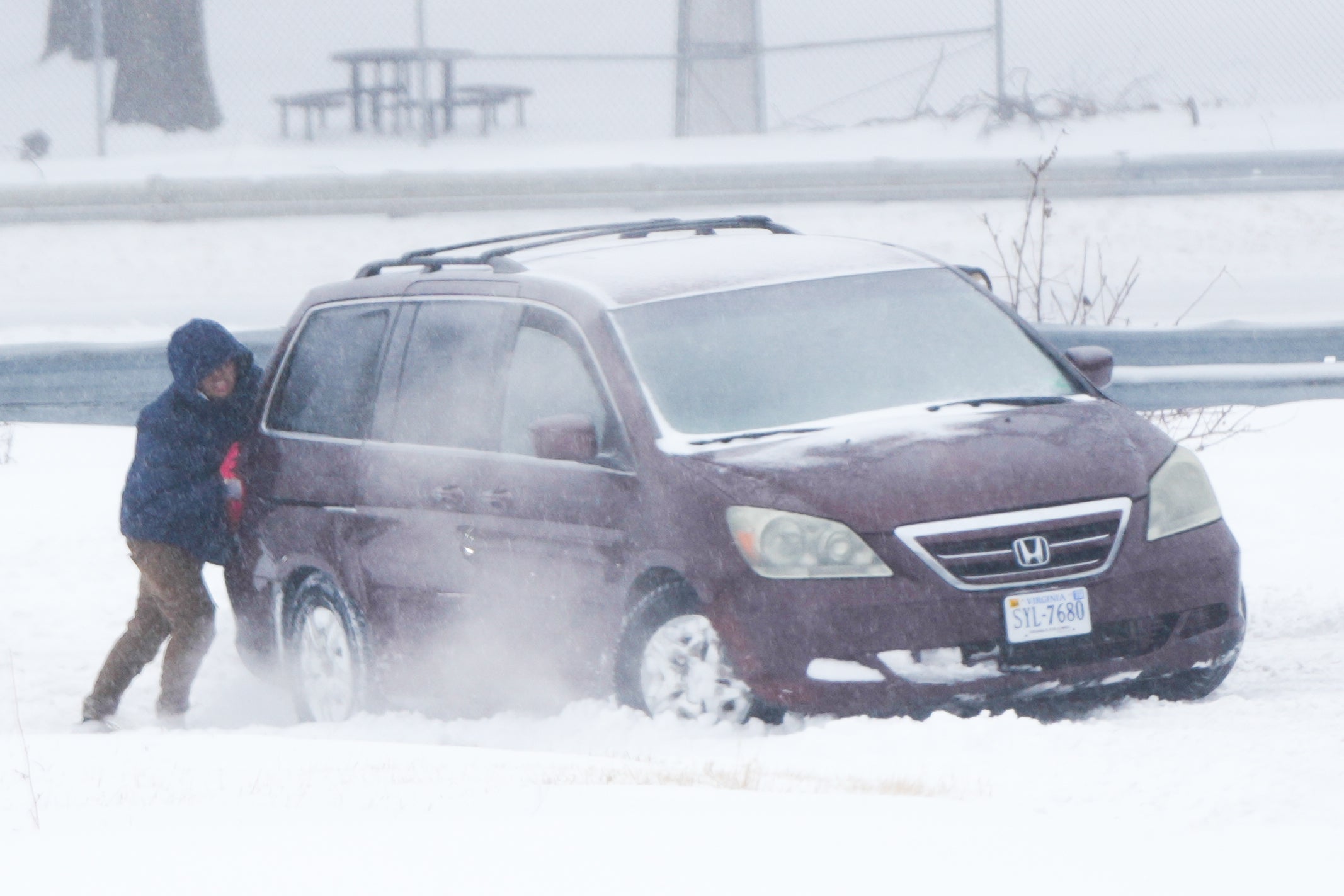
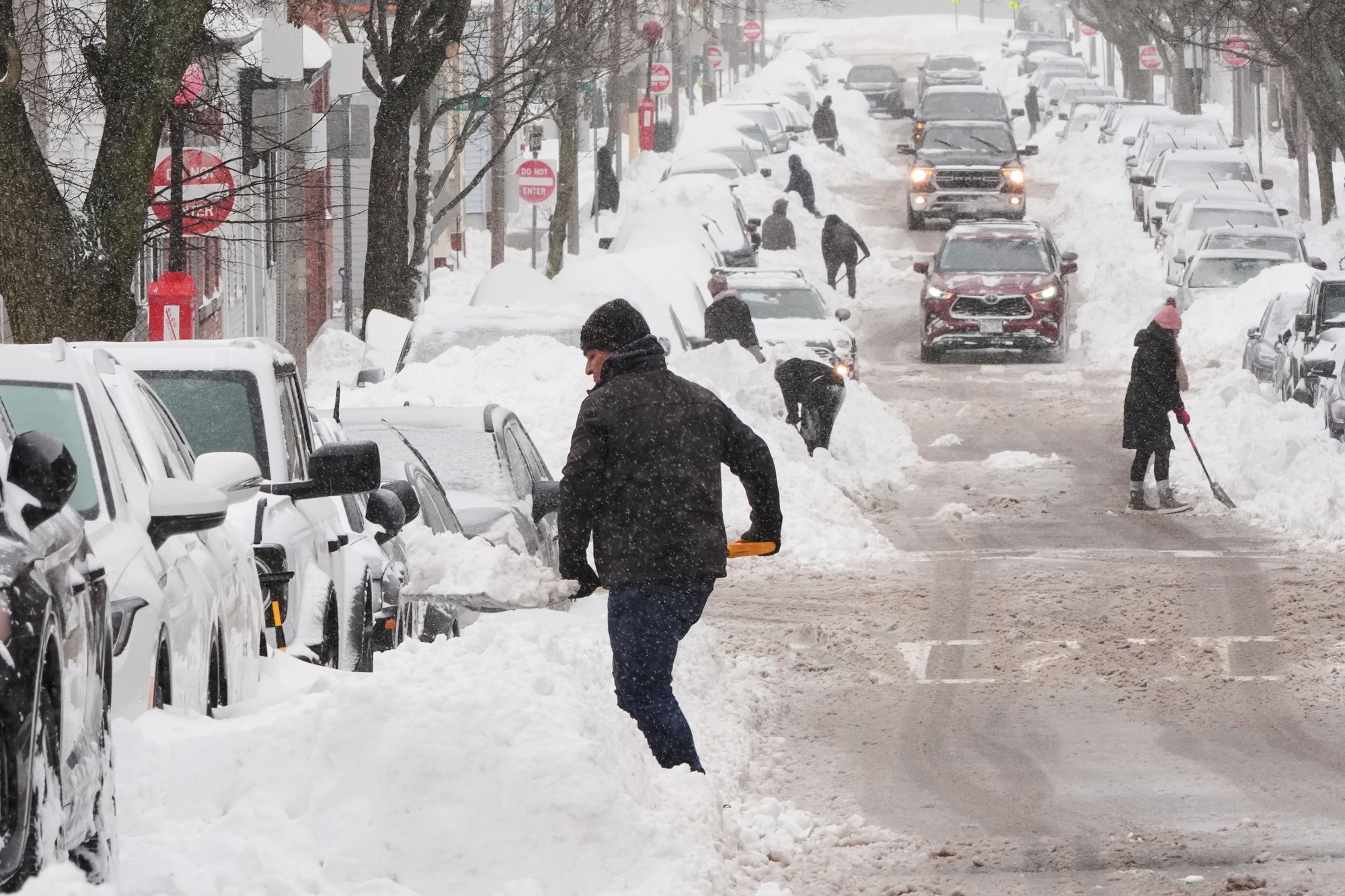
With freezing winter weather blanketing much of the U.S., it may be tempting for commuters to warm up the car by idling it for a few minutes before getting in.
But drivers should be wary, as many states have so-called “anti-puffing” laws in place that could result in tickets and fines of up to $500 for leaving their vehicles running and unattended for too long.
Idling, or “puffing,” is the practice of leaving your car running, unlocked, and unattended while it warms up, with the term coming from the puffs of steam that come out of the exhaust pipe.
In Texas, leaving keys in the car while unattended is a Class C misdemeanor, which can carry a fine of up to a $500 depending on the jurisdiction, and authorities warn that it also makes the vehicle an easy target for thieves.
In 2019, over 84,000 vehicles were stolen with the keys left inside in Texas alone, according to the National Insurance Crime Bureau, which increased to 97,769 in 2020.
A total of 31 states, as well as Washington, D.C., have laws in place to stop drivers from idling, with some varying the rules by city and the amount of time it is allowed to keep cars stationary, according to guidance from the American Transportation Research Institute.
Cities in states such as Michigan, New York and Colorado offer five minutes of stopped time, which becomes limitless if the temperature drops below 25F.
California has a base time of five minutes to idle before drivers incur a fine, as does Kansas, Illinois, Maine, Massachusetts, Maryland, Texas, Vermont and Wisconsin, while others, including South Carolina and Nevada, stretch up to 10 and 15 minutes, respectively.
Others have lower limits, including Utah, which gives drivers one or two minutes depending on which city they’re in. Ohio gives drivers zero minutes of idle time, while Hawaii has a blanket ban on leaving vehicles at a standstill with the engine running.
“No person shall cause, suffer, or allow any engine to be in operation while the motor vehicle is stationary at a loading zone, parking or servicing area, route terminal or other off street areas,” according to the Hawaiian Administrative rules.
Penalties for idling can range from warnings and fines of around $10 for first-time offenders up to several hundred dollars for repeat idlers. In California, subsequent penalties can range from $1,000 to $10,000.
Most states allow a vehicle to idle due to “traffic conditions,” government inspections or if they belong to emergency services or maintenance workers.
Join our commenting forum
Join thought-provoking conversations, follow other Independent readers and see their replies
Comments
Bookmark popover
Removed from bookmarks