Federal agencies are backing plans to ban top-selling home internet router because of national security fears: report
U.S. officials are concerned that the California-based TP-Link Systems still has ties to its former Chinese corporate parent
Top federal agencies are reportedly hoping to ban future sales from one of the most popular home internet router brands in the U.S., citing China-related national security concerns.
The Commerce Department has reportedly proposed banning sales of devices from California-based TP-Link Systems, a company whose products make up over a third of the home router market, according to The Washington Post.
The Departments of Justice, Homeland Security, and Defense were all involved in crafting the proposal, sources said. The Commerce Department has not carried out that proposed plan thus far, and could still decide against such a step.
The Independent has contacted these agencies for comment.
Officials are concerned that the company, which was recently spun off from the Chinese firm TP-Link Technologies, remains subject to influence from Beijing, putting the data of Americans at risk. It continues to own some of its former parent company’s assets in China, per the paper.
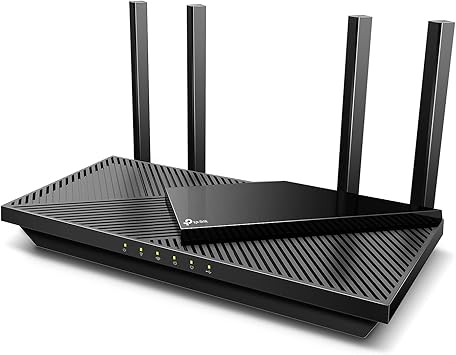
Before the split, which was completed last year, TP-Link was considered the world’s largest provider of consumer Wi-Fi equipment, and its products are widely available on online marketplaces like Amazon.
TP-Link Systems insists it is a U.S.-based company that does not pose a threat to consumers.
“No official action or confirmation has been made by any agency or the White House regarding these allegations,” a TP-Link Systems spokesperson told The Independent.
“TP-Link Systems vigorously disputes any allegation that its products present national security risks to the United States.”
The company added that any potential concerns from U.S. regulators are “fully resolvable by a common-sense mix of measures like onshoring development functions, investing in cybersecurity, and being transparent.”
The alleged shutdown plan would amount to one of the largest consumer technology bans in U.S. history.
It comes at a time of heightened tension in U.S.-China relations, as the pair of nations navigates an ongoing trade war and attempts by U.S. regulators to force a sale of TikTok’s American operations over similar national security concerns.

U.S. officials considered the ban this summer in an interagency process, the Post reports.
In May, a group of Republican lawmakers, including Sen. Tom Cotton, chair of the Senate Intelligence Committee, called on the U.S. to impose a ban.
An investigation into the company began last year, Bloomberg reports.
The reported investigation stems from sweeping powers created via executive order in Trump’s first term, allowing officials to ban IT and communications technologies linked to foreign adversaries if the devices are found to pose an “unacceptable risk” to national security.
Chinese state-sponsored hackers were able to exploit TP-Link routers, along with ones from other U.S. companies, in the course of the recent Volt and Salt Typhoon cyberattacks on U.S. critical infrastructure, according to officials.
Join our commenting forum
Join thought-provoking conversations, follow other Independent readers and see their replies
Comments
Bookmark popover
Removed from bookmarks