Trump’s surgeon general pick says magic mushrooms helped her find love
Psychedelic mushrooms have been shown to treat addiction and depression — Dr. Casey Means, Trump’s pick for Surgeon General, calls herself a fan. Here’s everything to know about how they work, writes Katie Hawkinson
Dr. Casey Means, a Stanford-educated surgeon and wellness influencer with no active medical license, is President Donald Trump’s pick to become the next U.S. Surgeon General.
But what you might not know is that she is also a fan of the psychedelic drug called psilocybin, found in magic mushrooms.
Means says that she first took psychedelic mushrooms in 2021, the Associated Press reports. Means attributes psychedelics to helping her find love, and said the drugs can be “a doorway to a different reality that is free from the limiting beliefs of my ego, feelings, and personal history.” She also wrote in a recent book that people should consider psilocybin-assisted therapy, according to the AP.
The drug is federally illegal. However, the Food and Drug Administration has approved psilocybin to be used as a “breakthrough” drug. This designation helps accelerate the development and review of medicines that have been shown to improve treatment for illnesses.
Clinicians study psilocybin in carefully-controlled experiments. However, a peer-reviewed study published last month shows usage has skyrocketed, particularly among adolescents and people over 30. In 2023, more adults used magic mushrooms than other recreational drugs such as cocaine, LSD, methamphetamine or illegal opioids, the study found.
Dr. Albert Garcia-Romeu, an associate professor of psychiatry and behavioral sciences at the Johns Hopkins University School of Medicine, spoke to The Independent about the rise of psilocybin — and what researchers are still trying to figure out.

What do researchers know so far about magic mushrooms?
Psilocybin has been studied for its physical and psychological effects by researchers in medical settings.
Garcia-Romeu’s own research explores how psilocybin can aid addiction treatment. The psychedelic medication showed “really good success rates” in helping people quit smoking when combined with therapy, he told The Independent.
Psilocybin has also been shown to treat depression, Garcia-Romeu said. The treatment is particularly effective in treating depression and anxiety in cancer patients who are approaching the end of their life, he added.
While psilocybin is known for its psychological effects and can treat mental health disorders, it also shows promise in treating a variety of physical illnesses.
Studies have shown the drug can help patients suffering from migraines, the chronic pain condition fibromyalgia and Lyme disease.
What do we still have to learn?
There’s still a lot we don’t know about psilocybin’s effects on the body.
Researchers still aren’t sure how exactly psilocybin works, Garcia-Romeu said, and don’t know how or why psilocybin treats certain mental health conditions. Scientists also don’t know how it causes certain biological changes, such as reducing inflammation, according to Garcia-Romeu.
“We don't really know how or why one dose of the drug can have an antidepressant effect that lasts anywhere from six weeks or longer,” he said.
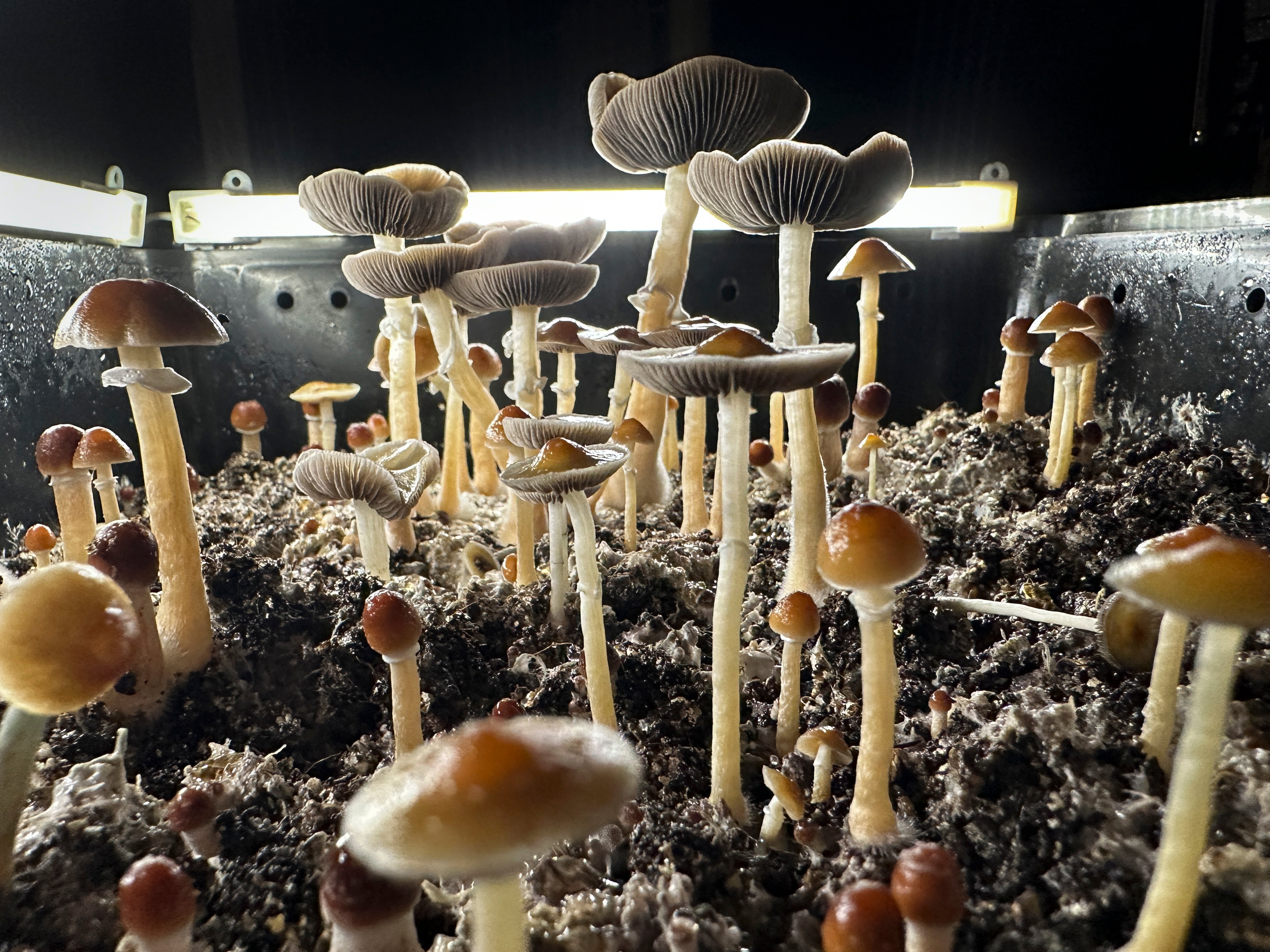
Researchers are also working to understand who these drugs are best able to help.
“Who’s going to be a person that responds well, and who's going to be a person that won't necessarily have a good treatment response?” Garcia-Romeu said. “Who is at risk of potentially developing problems after receiving these types of treatments?”
What are the dangers of taking magic mushrooms?
While psilocybin can’t cause you to overdose in the same way as drugs like fentanyl, alcohol and Xanax, it can trigger serious mental illnesses, especially in large amounts.
“It can cause very intense psychoactive effects, so when people are under the influence, they can become disoriented, they can become paranoid, they can become delusional,” Garcia-Romeu said.
Psilocybin can also unlock mental illnesses that haven’t come to the surface yet, like schizophrenia or Bipolar I disorder, Garcia-Romeu explained. This typically happens in patients with a personal or family history of these disorders.
“It could trigger these ongoing problems for weeks, months, or even years,” Garcia-Romeu said. “They could then end up having to deal with this sort of latent mental health issue that was underlying.”
There’s also many different species of mushrooms, and getting them from a non-clinical environment can also mean not knowing exactly which type of mushroom you’re ingesting.
What is the legal status of magic mushrooms?
At the federal level, psilocybin is considered a “Schedule I” drug. That means it has no accepted medical use and has a high potential for abuse. But, thanks to the FDA’s “breakthrough” designation, researchers are learning more about how it can treat certain illnesses every day.
Garcia-Romeu expects it could be widely legalized for medical use under a doctor’s supervision within a decade. Many people who report using it recreationally also have chronic pain or mental health conditions, and it’s believed the use is part of self-medication and management. But widespread legalization isn’t going to happen any time soon, he said.
“Legalization to the point where people would be able to go out and buy this like they would alcohol at a liquor store, I don't think that's going to happen in this country probably in our lifetime,” he said.
There are also evolving policy conversations about psilocybin use for religious and cultural purposes. Psilocybin has been used by Indigenous communities for centuries.
“Long before Western science or medicine knew anything about these drugs, they were being used as part of the spiritual and religious lives of Indigenous cultures in Central, South and North America,” Garcia-Romeu said.
“That’s something that will probably lead to more debate and policy discussions, and it's unclear how exactly that's going to shake out,” he added.
Join our commenting forum
Join thought-provoking conversations, follow other Independent readers and see their replies
Comments
Bookmark popover
Removed from bookmarks