Oil prices are already starting to jump as threat of war against Iran lingers
President Trump said that Iran must make a deal with the U.S. or ‘bad things will happen’
Oil prices have surged to their highest levels since last summer amid growing threats that the U.S. will launch military strikes against Iran.
Prices jumped more than 4 percent Wednesday and continued to swell Thursday morning, with the global benchmark Brent crude at over $71 per barrel, while oil from the U.S. is around $66. Iran is one of the world’s top oil producers, at about 5 percent, so a war with the nation could hurt world supply of the commodity.
Brent crude hit its highest price since last August, while U.S. oil hit a six-month high Thursday.
It comes as tensions between the U.S. and Iran remain high, and talks in Geneva this week did not yield a breakthrough to a longstanding dispute over Iran’s nuclear program.
“With a deal looking increasingly difficult to reach, it also means it will be more challenging to find a route to de-escalation, especially following the U.S. military build-up we have seen in the region,” analysts at finance group ING wrote Wednesday. “And if de-escalation is not possible, the key question will then be what type of action the U.S. takes and how Iran responds to this.”
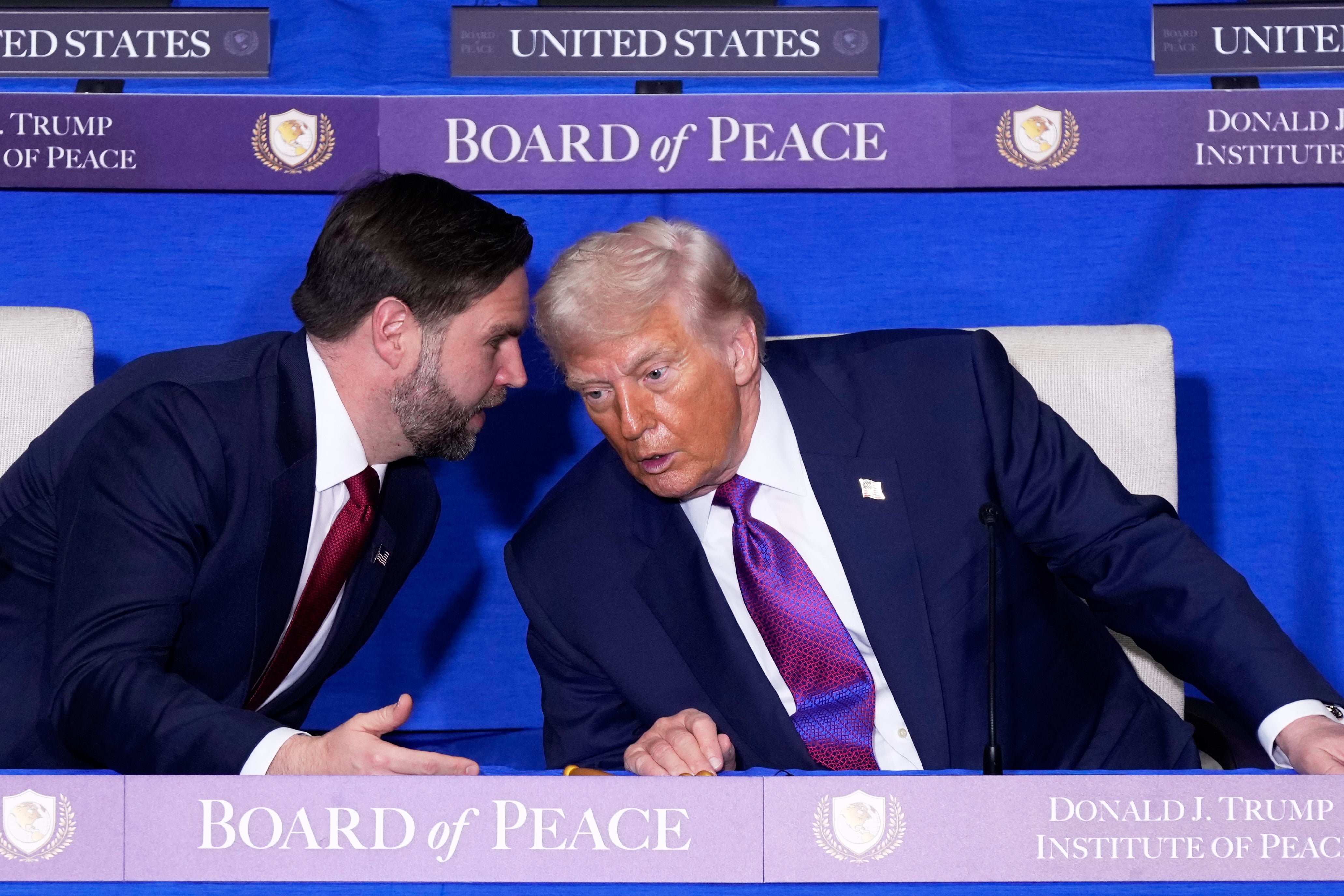
During President Donald Trump’s first meeting of the so-called Board of Peace Thursday, he cautioned that Iran must make a deal or “bad things will happen.”
“Good talks are being had. It's proven to be, over the years, not easy to make a meaningful deal with Iran. We have to make a meaningful deal, otherwise bad things happen,” Trump said. “You're going to be finding out over the next, probably 10 days,” he said, stressing that Iran “cannot have a nuclear weapon.”
Vice President JD Vance, meanwhile, said Iran was still ignoring Washington’s core demands — and suggested strikes were still on the table.
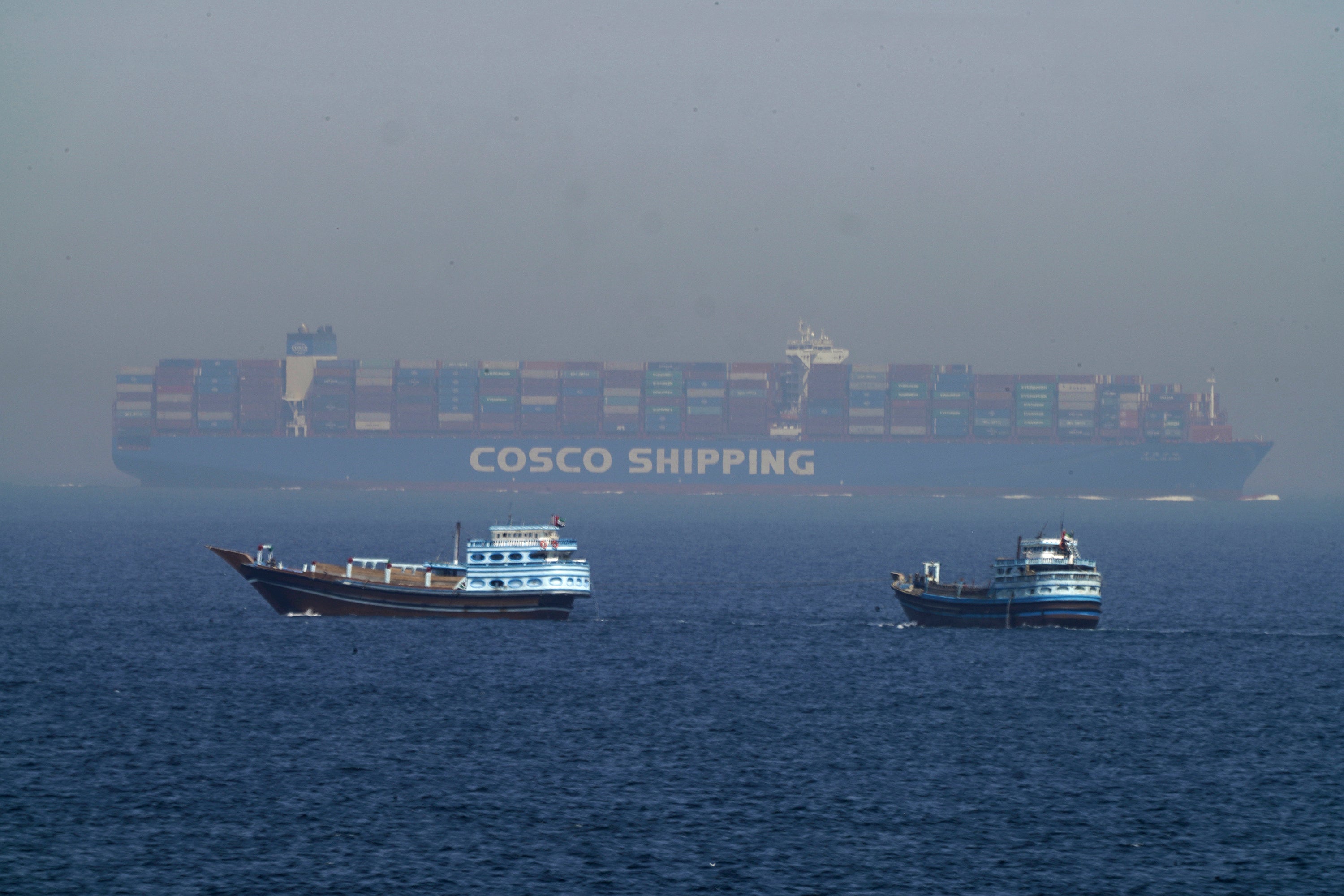
Iran exports about 1.5 million barrels of crude oil a day, and total oil flowing through the Strait of Hormuz each day totals about 20 million barrels.
America currently has an abundance of oil after having nearly tripled its production over the last 15 years or so. With the U.S. relying less on imported oil, on top of low gas prices, Trump has been able to wield power over Venezuela and Iran without the risk of raising gas prices, according to Axios.
“Geopolitical issues, above all Iran, are the key bullish factor in the oil market at the moment,” University of Texas-Austin energy analyst Ben Cahill told the outlet.
“Otherwise there’s not a whole lot of price support toward $70 [per barrel]. The slack in this market could embolden the White House.”
However, others warned there’s limited short-term capacity to replace lost barrels should fighting break out between the U.S. and Iran.
“We continue to contend that the only meaningful space capacity is sitting in Saudi Arabia, and if OPEC does decide to bring forward more production in the spring, the cupboard will be exceedingly bare if there are any major supply disruptions stemming from a U.S./Iran conflict,” RBC Capital Markets analysts said in a new note.
While the U.S. currently has a large oil supply after fracking reserves of oil and natural gas in shale rock formations in Texas and several other states, market sources told Reuters that U.S. crude and gasoline and distillate inventories fell last week.
That was contrary to expectations in a Reuters poll that crude stocks would rise by 2.1 million barrels in the week to February 13.
Official U.S. oil inventory reports from the Energy Information Administration are due Thursday.
Join our commenting forum
Join thought-provoking conversations, follow other Independent readers and see their replies
Comments
Bookmark popover
Removed from bookmarks