Wheelchair user with panic disorder says Southwest ‘abandoned’ her in airport restroom
Exclusive: Mary Lynn Ellison, 64, says the incident touched off an ‘immediate and severe’ mental health crisis that continues to persist some two years later, according to a federal lawsuit reviewed by The Independent
A Southwest Airlines passenger with debilitating anxiety and panic disorder is suing the carrier after an employee meant to be escorting her to a connecting flight instead stranded her in an airport bathroom, touching off an “immediate and severe” mental health crisis that continues to persist roughly two years later, according to a federal lawsuit reviewed by The Independent.
The episode caused Mary Lynn Ellison, 64, dire “emotional distress, including panic symptoms and physical manifestations of panic,” the suit contends.
“Plaintiff’s disabilities, and the known risk of panic attacks and acute distress made Southwest’s conduct especially dangerous,” it says.
Ellison’s complaint, which was filed February 11, says the airline “attempted to minimize and deflect responsibility, including by claiming [Ellison] ‘stayed in the restroom too long.’”
“Southwest’s conduct was extreme and outrageous, going beyond all possible bounds of decency, including the conscious abandonment of a known disabled passenger mid-connection after repeated requests for help,” the complaint states.
Since then, it says Ellison has suffered “sleep disruption, ongoing hypervigilance and worsening avoidance of air travel, consistent with trauma responses.” She has also “required additional clinical care and therapeutic support,” the complaint continues, in order for her doctors to address “the incident-related worsening of symptoms.”
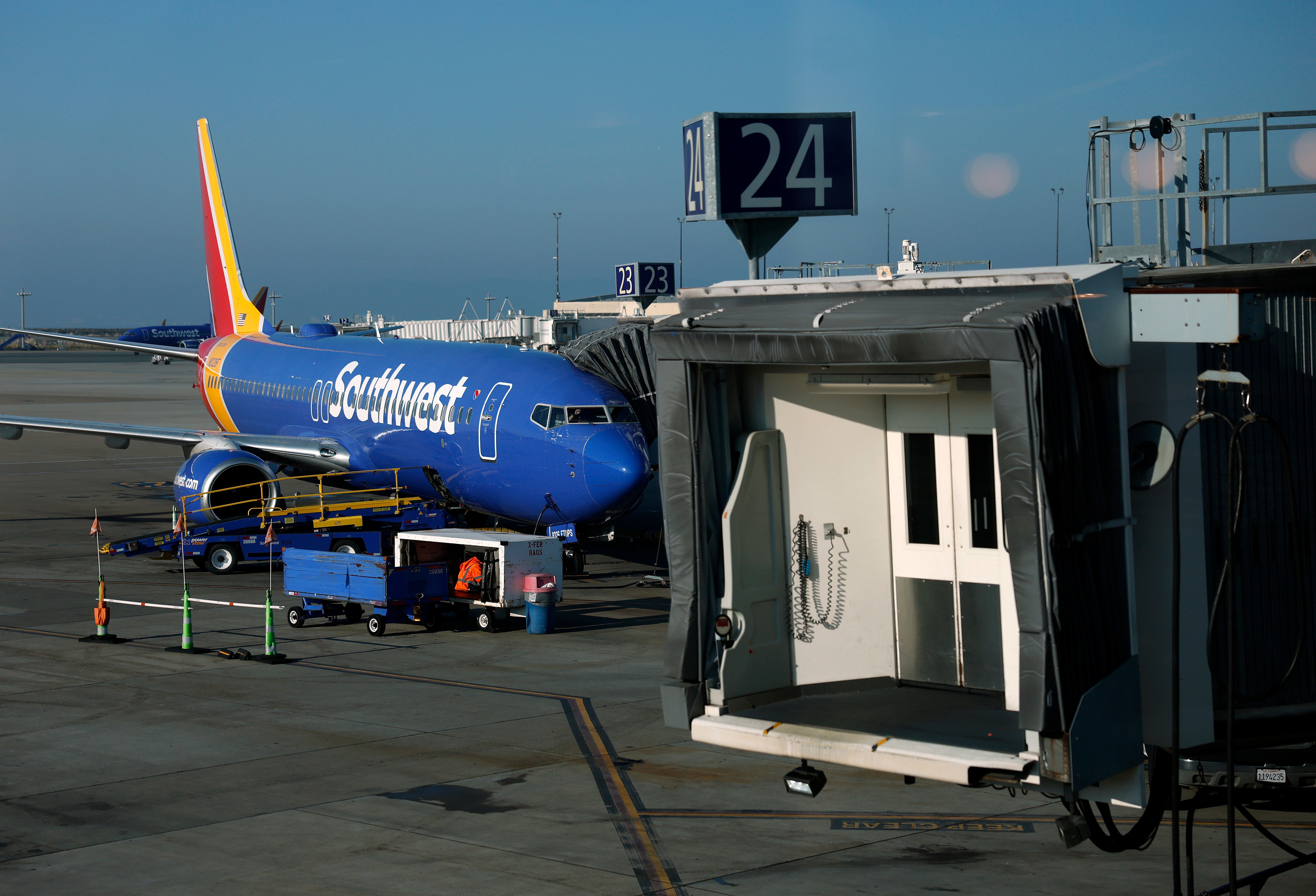
As an apology, the airline offered Ellison a $150 travel voucher, which, the complaint maintains, “did not address [her] damages and did not constitute a reasonable resolution.”
Southwest declined to comment on Ellison’s allegations, citing pending litigation.
In the U.S., individual carriers are responsible for providing disability assistance at airports, while in Europe, the responsibility generally falls on airport authorities. In 2019, Southwest was sued by a wheelchair-bound traveler who soiled herself after a gate agent refused to help her to the bathroom, telling the woman it was “too far” away. The case was eventually settled out of court.
Ellison, a Seneca, South Carolina resident, “has lived and worked with serious anxiety and panic disorder, among other conditions, requiring prescription medication and clinical care,” her complaint states.
It says these conditions “substantially limit major life activities” for Ellison, “including safe navigation of crowded terminals, tolerating prolonged stress and regulating panic symptoms without reasonable assistance… Acute stress and uncertainty can trigger panic attacks, physical symptoms, and loss of functional capacity.”
Air travel is manageable for Ellison “when assistance is promised, timely and reliable,” according to the complaint. However, it goes on, “when assistance is delayed or withdrawn,” Ellison’s “symptoms predictably worsen and can become disabling in the moment.”
On February 11, 2024, Ellison arrived at Hartsfield–Jackson Atlanta International Airport, where she was catching a connecting Southwest flight, the complaint continues. She had requested wheelchair assistance upon booking the trip, which was confirmed and printed on her boarding pass, it says.
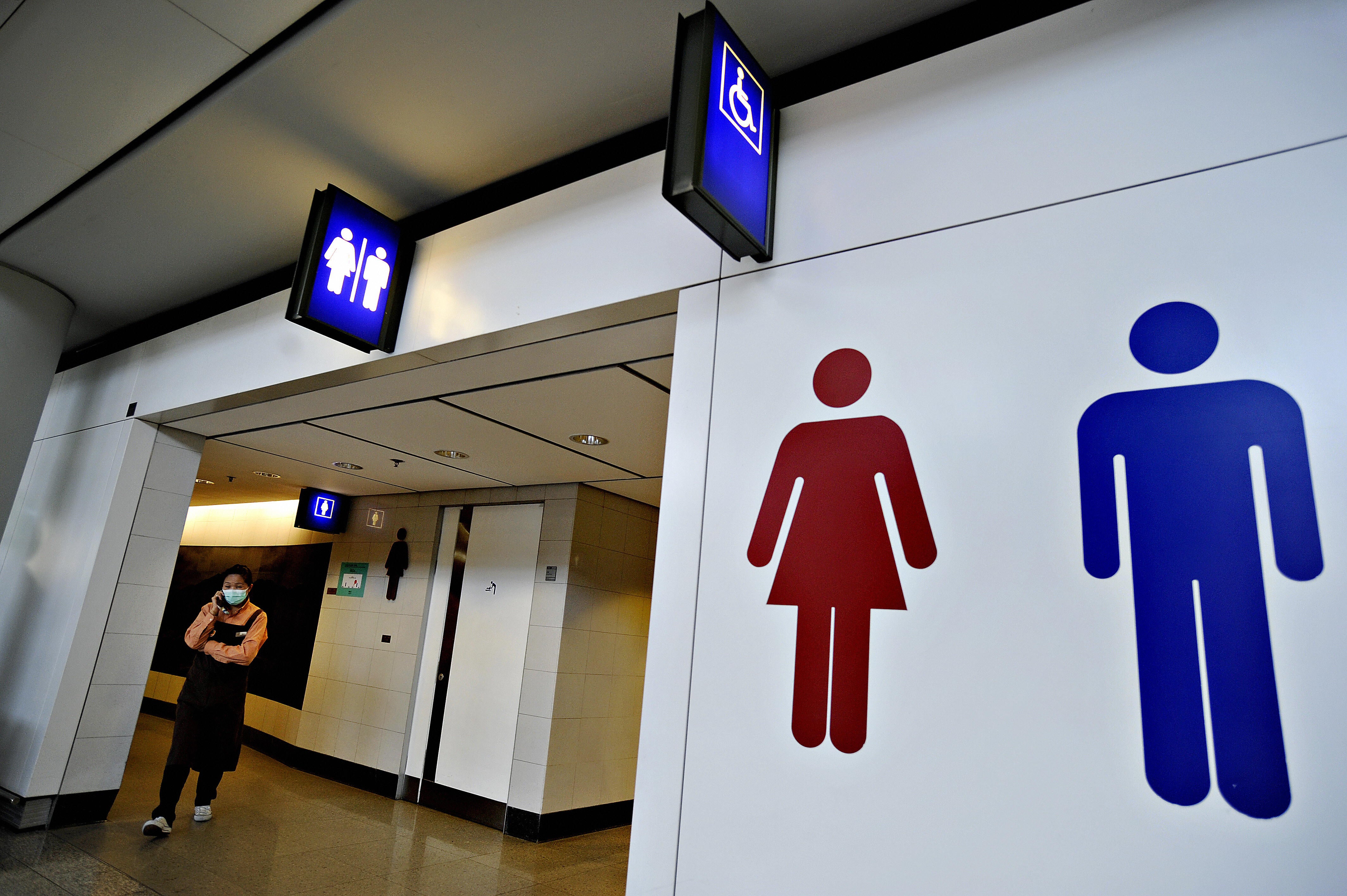
But when Ellison inquired about it, a Southwest employee “rejected [her] request” and “refused to provide… assistance,” the complaint alleges, even though her reservation clearly indicated that she required a wheelchair and escort “to move within the terminal and to manage the connection.”
Ellison went back to the same employee multiple times to plead her case, but he was “rude and dismissive,” according to the complaint.
“[Ellison] was left standing and then forced to sit on the terminal floor,” the complaint states. “[She] needed water and access to medication. The failure to provide assistance put [Ellison] at immediate risk of a panic episode and functional breakdown.”
Finally, after what the complaint describes as “a prolonged delay,” a courtesy cart arrived, and, on the way to the gate, the cart’s driver stopped so Ellison could use the restroom. However, after dropping Ellison off, the driver left, leaving her marooned, according to the complaint.
This, the complaint says, “was a particularly severe failure because it placed [Ellison] in a vulnerable state with no reliable means to return to the gate.”
Once Ellison realized what had happened, she began to panic and sought help from a nearby Southwest employee. But, the complaint says, Ellison was told that “a wheelchair that had been available ‘was taken,’ leaving [her] without the promised assistance.”
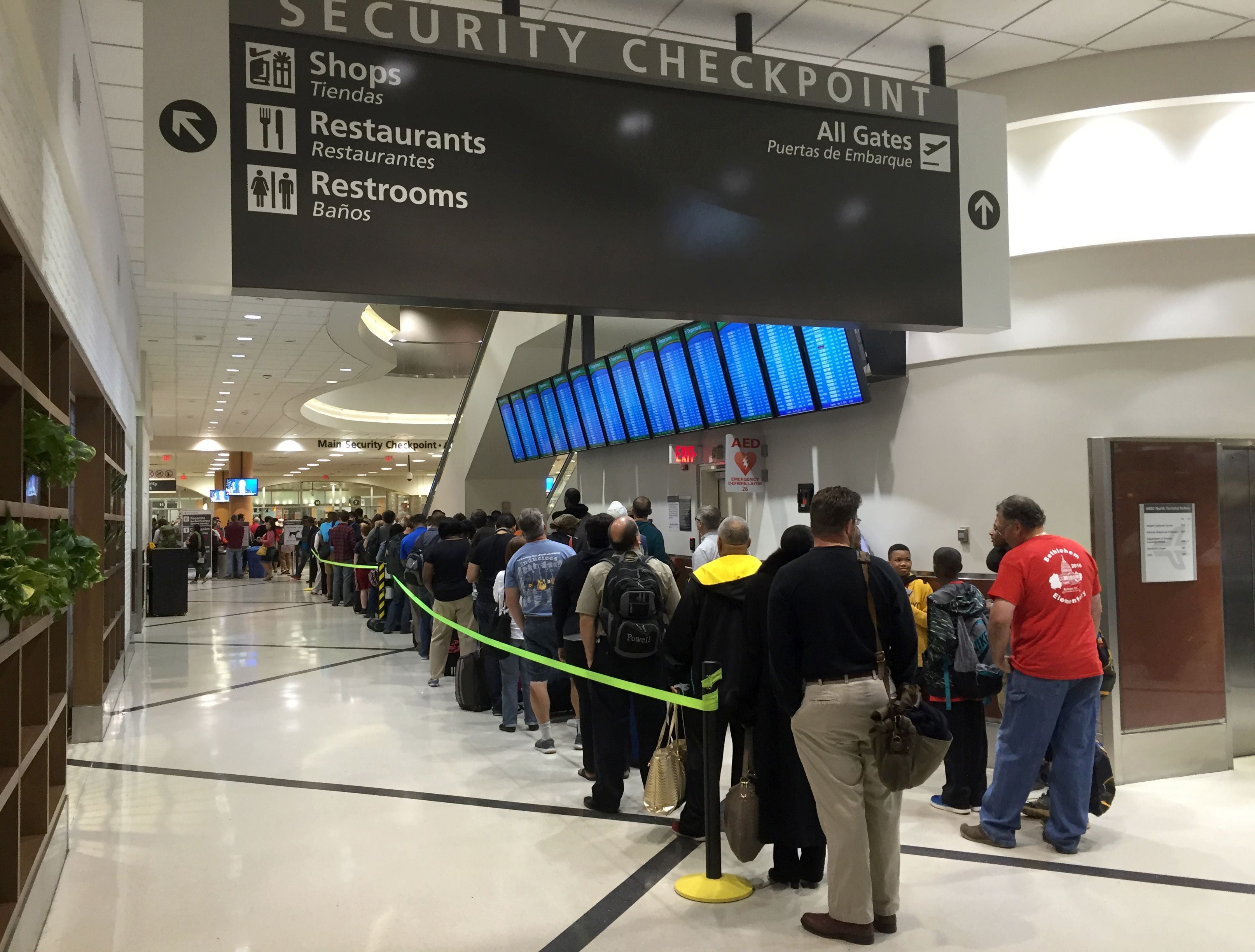
“[Ellison’s] distress escalated,” according to the complaint, which says she began to panic. “[Her] disability symptoms intensified due to the uncertainty, isolation, and the imminent risk of missing the connection.”
At long last, a wheelchair and escort showed up 10 to 15 minutes before Ellison was scheduled to board her next flight, the complaint states. She was taken to the gate and made it on the plane, but, according to the complaint, “The assistance that was finally provided was not prompt and was not delivered in a safe, coordinated manner.”
Once she got to her destination, Ellison reported the incident to Southwest, which told her she had spent too much time in the bathroom and that her escort “therefore left,” according to the complaint.
It says the airline offered Ellison a travel voucher by way of apology, but that the “nominal” amount “did not address [her] damages and did not constitute a reasonable resolution.”
Ellison’s condition has intensified in the 24 months since, the complaint says, arguing that Southwest displayed “conscious indifference to [Ellison’s] rights, safety, and welfare by refusing, delaying, mishandling, and abandoning [her].”
“Monetary damages alone are inadequate to eliminate the risk of future harm,” according to the complaint.
Ellison is seeking an injunction requiring Southwest to implement “reasonable policies, training, supervision, and handoff protocols to ensure that requested assistance is prompt, coordinated, and not abandoned during connections,” as well as general, special, consequential, exemplary and incidental damages for emotional distress and past and future medical, therapeutic and related expenses, plus attorneys’ fees.
Bookmark popover
Removed from bookmarks