Why did Donald Trump attack Venezuela?
Tensions are ramping up after Trump captured Venezuela’s leader Nicolas Maduro amid a large-scale strike on Caracas
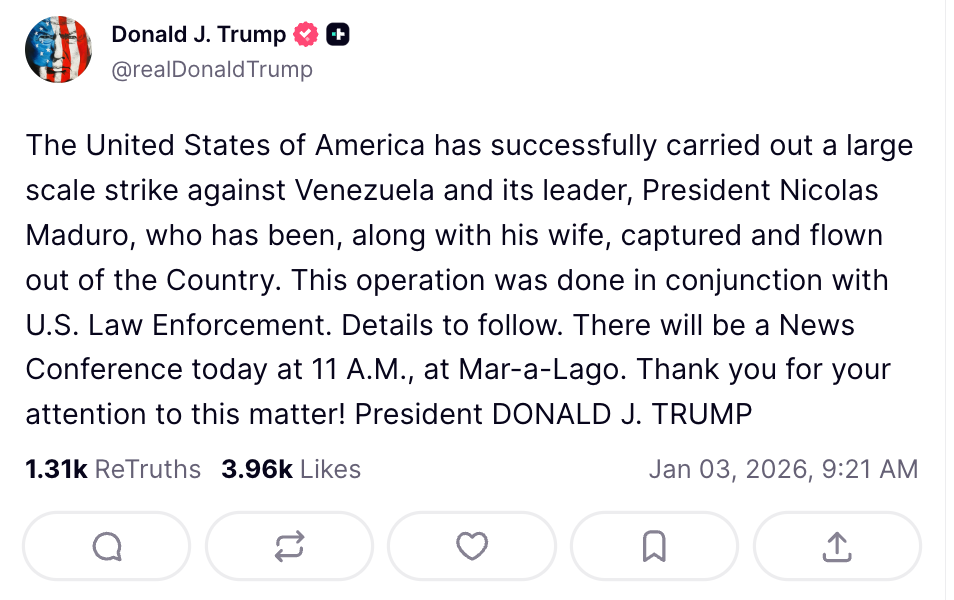
The US will run Venezuela until there is a peaceful transition of power, Donald Trump has said after capturing Venezuela’s left-wing President Nicolas Maduro in an overnight raid on Saturday.
Maduro has arrived in New York and was shown arriving at a detention facility where he will await his first court appearance on US criminal charges.
Trump confirmed the country's leader and his wife, Cilia Flores, had been flown out of Caracas and indicted on "narco-terrorism" charges following the strikes early on Saturday. The Maduro government has condemned the attack on Caracas as an “imperialist” act, while Sir Keir Starmer said the UK government would “shed no tears” over the fall of the Maduro regime.
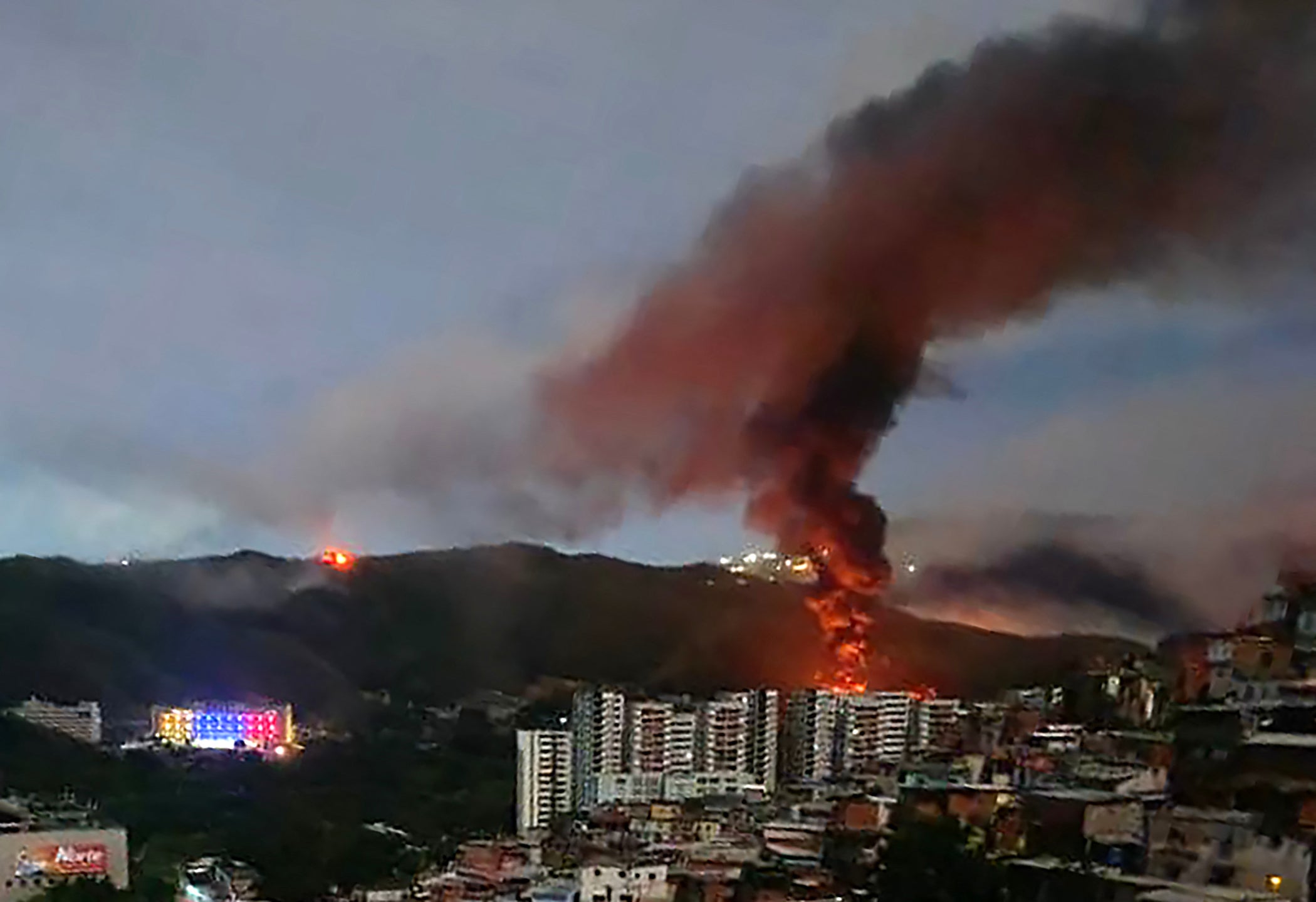
At least seven explosions and low-flying aircraft were seen in the capital, Caracas, and rising smoke was spotted in numerous regions at approximately 2am during the “large-scale” attack on Saturday. The Trump administration said around 150 aircraft, including bombers and fighter jets, were involved in the operation.
At a press conference on Saturday at his residence in Mar-a-Lago, Trump warned that the US is “ready to stage a second and much larger attack” if required.
Trump suggested his administration would be heavily involved in leading Venezuela in Maduro’s absence, though he provided no details. He said: “We are going to run the country until such time that we can do a safe, proper and judicious transition.” He said this will also involve US oil firms entering the country.
Why is Trump targeting Venezuela?
Over the past few months, Trump has accused Maduro of being a top-level member of a drug cartel, “Cartel de los Soles”, which he claims is trafficking drugs into the US. Trump has not shared evidence of Maduro’s involvement but has used these allegations to justify his lethal military operations against Venezuelan ships.
When asked about his reasons for actions in Venezuela by Fox News presenter Peter Doocy, Trump also cited immigration as the reason. He said: “One of the things it’s about is the fact that they’ve allowed millions of people to come into our country from their prisons, from gangs, from drug dealers, and from mental institutions.”
He made similar claims during the 2024 presidential election campaign, when Trump and his officials on several occasions blamed Venezuela for sending too many migrants to the US. They claimed the country was “opening up the prisons” and encouraging criminals to flock to America’s borders.
There is also the question of natural resources. Venezuela is rich in oil and rare earth minerals, which serve as extremely valuable commodities. The South American country has $1.36 trillion worth of mineral wealth, according to Maduro.
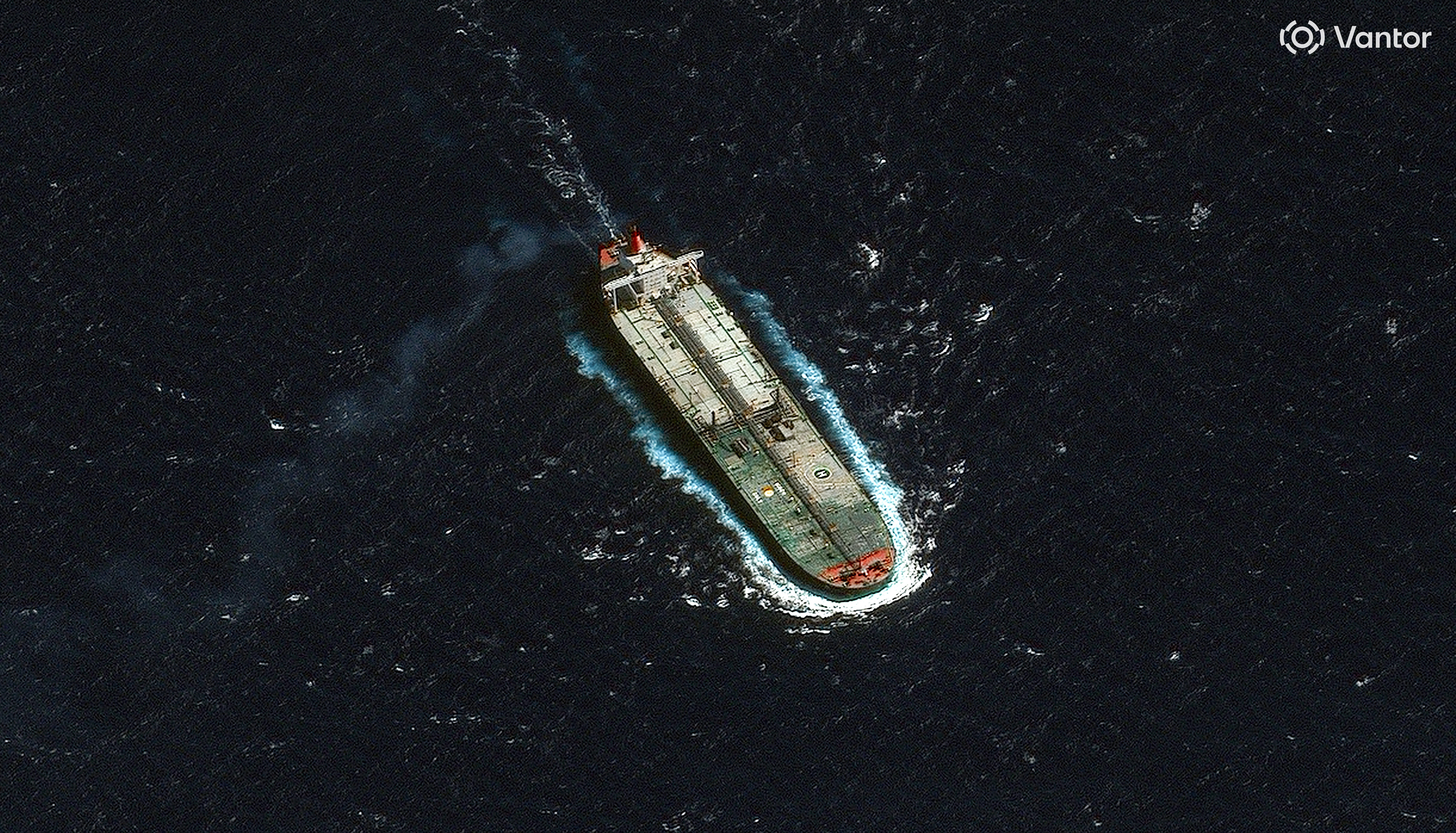
After the US seized an oil tanker in December, Caracas directly accused the US of trying to plunder Venezuela for its natural resources. In a statement, the Venezuelan government said: “Under these circumstances, the true reasons for the prolonged aggression against Venezuela have finally been revealed… It has always been about our natural resources, our oil, our energy, the resources that belong exclusively to the Venezuelan people.”
US attorney general Pam Bondi has claimed that an oil tanker seized last month off the coast of Venezuela was carrying sanctioned oil intended for Iran. Venezuela has denied this accusation and labelled Trump’s actions as an “act of international piracy”.
What led to the strikes?
Tensions between the two countries have been rising for months. They were ramped up significantly in September, when the US launched military strikes on alleged “drug smuggling” boats in the coastal waters of Venezuela.
These airstrikes were later extended into the eastern Caribbean and along the Pacific, with 110 killed so far.
The US has confiscated two oil tankers and is in pursuit of a third. Trump also issued new sanctions on three of Maduro’s nephews as well as six companies that ship oil out of the country that month, according to Axios.
What has Donald Trump said?
In a press conference on Saturday, Trump vowed to “run the country”. He said: “We are going to run the country until such time that we can do a safe, proper and judicious transition.”
He said this will also involve the US oil firms entering the country as well.
"We're going to have our very large United States oil companies, the biggest anywhere in the world, go in, spend billions of dollars, fix the badly broken infrastructure, the oil infrastructure, and start making money for the country,” he added.
In a post on his Truth Social platform shortly before addressing the media, he posted an image which appeared to show the autocratic leader blindfolded aboard the US warship Iwo Jima and headed to New York.
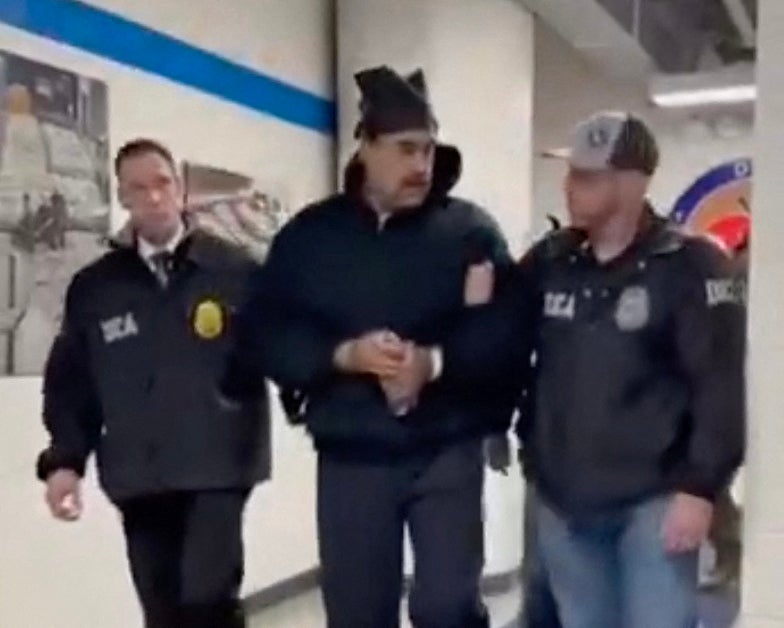
The White House’s rapid response account later posted on X a video appearing to show Maduro handcuffed and escorted by law enforcement agents.
The video was captioned “perp walked”.
Donald Trump claimed that Venezuelan vice president Delcy Rodriguez had been sworn in as president shortly before he spoke at the press conference.
“She is essentially willing to do what we think is necessary to make Venezuela great again. Very simple,” Trump said.
He also warned that the US is “ready to stage a second and much larger attack”.
He explained the armed forces assumed that a second wave would be necessary, but the first attack “was so successful, we probably don't have to do a second”, but added the US is “prepared to do a second wave, a much bigger wave.”
What could happen next?
US senator Mike Lee says Marco Rubio, Trump’s Secretary of State, told him that Maduro will stand trial on criminal charges in the US.
The US Justice Department released a new indictment of Maduro and his wife which accuses Maduro of leading a “a corrupt, illegitimate government that, for decades, has leveraged government power to protect and promote illegal activity, including drug trafficking”.
It alleges that the drug trafficking efforts “enriched and entrenched Venezuela's political and military elite.”
US authorities allege that Maduro partnered with “some of the most violent and prolific drug traffickers and narco-terrorists in the world” to bring tons of cocaine into the US, according to the indictment.
Venezuela’s allies have rushed to condemn the US military action. In a statement, Russia’s foreign ministry criticised what it called “an act of armed aggression” and said Caracas “must be guaranteed the right to determine its own destiny without any destructive, let alone military, outside intervention”.
“Ideologically driven hostility has prevailed over practical pragmatism and a willingness to build relations based on trust and predictability,” they said.
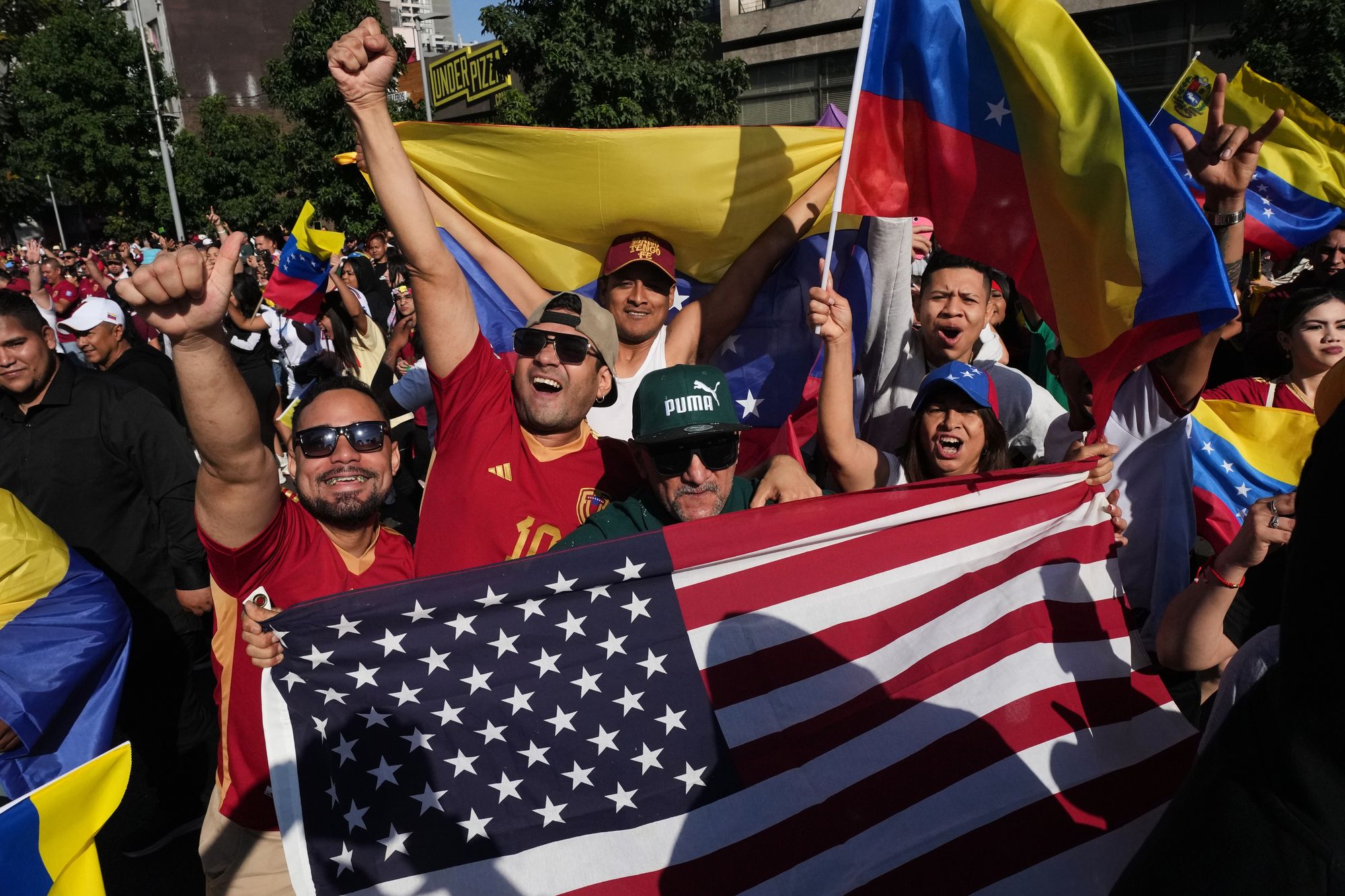
“We reaffirm our solidarity with the Venezuelan people and our support for the course pursued by its Bolivarian leadership to defend the country’s national interests and sovereignty,” it added.
Vladimir Putin is a close ally of Venezuelan Maduro. Last year, he visited Moscow for Russia’s annual military parade and signed a broad partnership agreement with the Russian leader.
Iran’s foreign ministry also condemned the strikes, saying the action was “a blatant violation of its national sovereignty and territorial integrity.”
The Venezuelan government has called for socialist militias and grassroots organisations to take action.
China’s foreign ministry said on Sunday that the US should immediately release Maduro and his wife, and resolve the situation in Venezuela through dialogue and negotiation.
In a statement on its website, the ministry also said the US should ensure the personal safety of Maduro and his wife, adding that their deportation violated international law and norms.
Sir Keir said Britain would discuss the “evolving situation” with American counterparts over the coming days.
In a statement on Saturday evening, Sir Keir said: “The UK has long supported a transition of power in Venezuela. We regarded Maduro as an illegitimate president and we shed no tears about the end of his regime.
“I reiterated my support for international law this morning. The UK government will discuss the evolving situation with US counterparts in the days ahead as we seek a safe and peaceful transition to a legitimate government that reflects the will of the Venezuelan people.”
An emergency meeting of the UN Security Council has been scheduled for Monday.
In a statement via his spokesperson, the UN secretary-general voiced concerns that the rules of international law had not been respected.
Sir Keir earlier refused to be drawn on whether the military action broke international law, saying he wanted to talk to Mr Trump, with whom he had not spoken on Saturday morning, and allies to “establish the facts”.
Was Trump’s action legal?
Legal uncertainty surrounded Washington’s actions in Venezuela on Saturday as international scrutiny intensified and opposition grew within the US Congress.
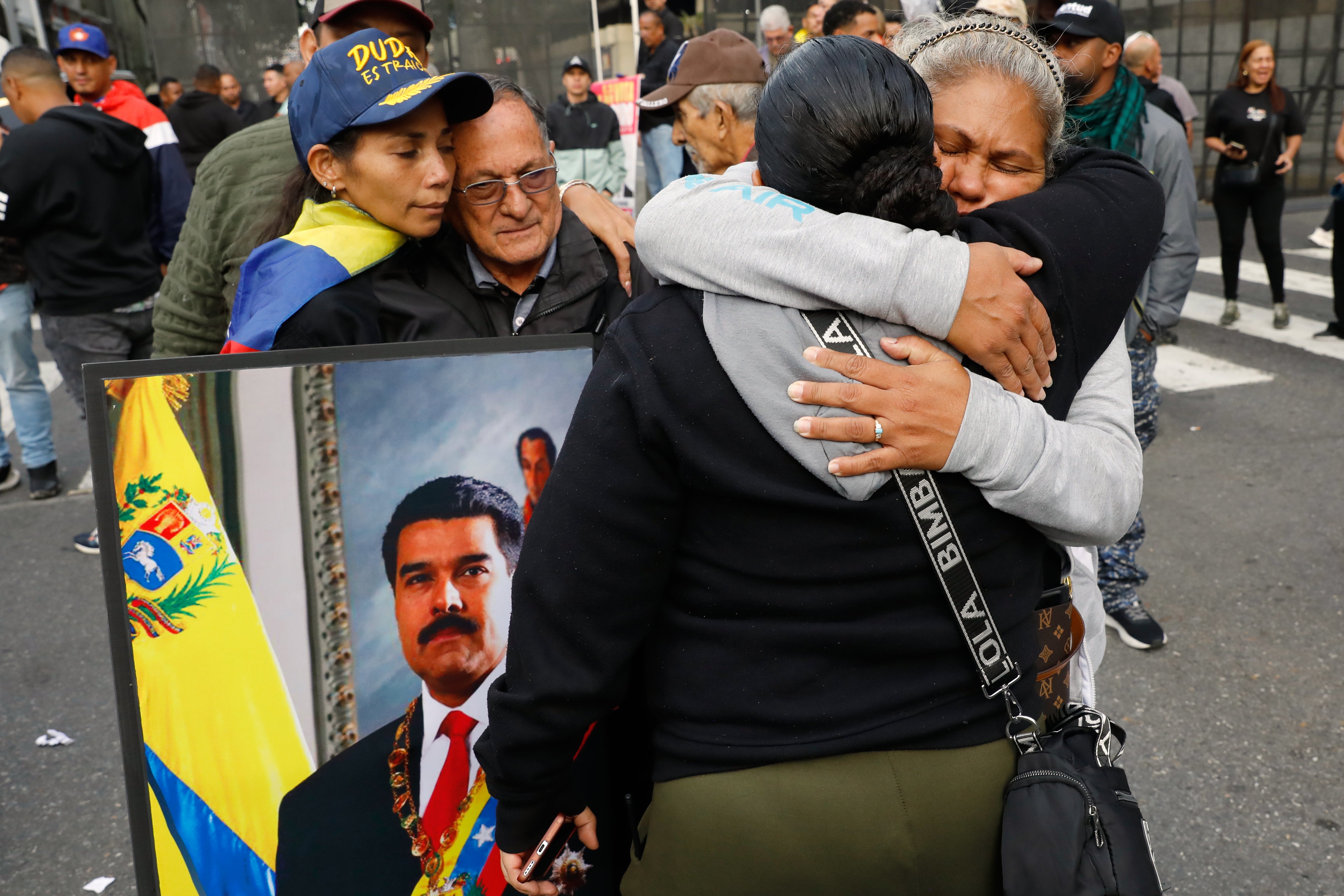
Questions persist over whether the United States had breached international law, particularly in relation to the detention of the Venezuelan president. “There are a number of international legal concepts which the United States might have broken by capturing Maduro,” said Ilan Katz, an international law analyst.
On Capitol Hill, concern cut across party lines over US attacks on vessels suspected of drug trafficking. Lawmakers noted that Congress has not granted authorisation for the use of military force for such actions in the region, raising constitutional and legal doubts about the administration’s approach.
Representative Jim Himes of Connecticut, the senior Democrat on the House Intelligence Committee, said he had seen no evidence to support military action against Venezuela without congressional approval. Mr Himes called for an urgent briefing from the White House on “its plan to ensure stability in the region and its legal justification for this decision.”
Join our commenting forum
Join thought-provoking conversations, follow other Independent readers and see their replies
Comments
Bookmark popover
Removed from bookmarks