Why America still can’t make its own artificial Christmas trees
Tariffs are pushing up prices on artificial Christmas trees, exposing how reliant the US remains on overseas manufacturing
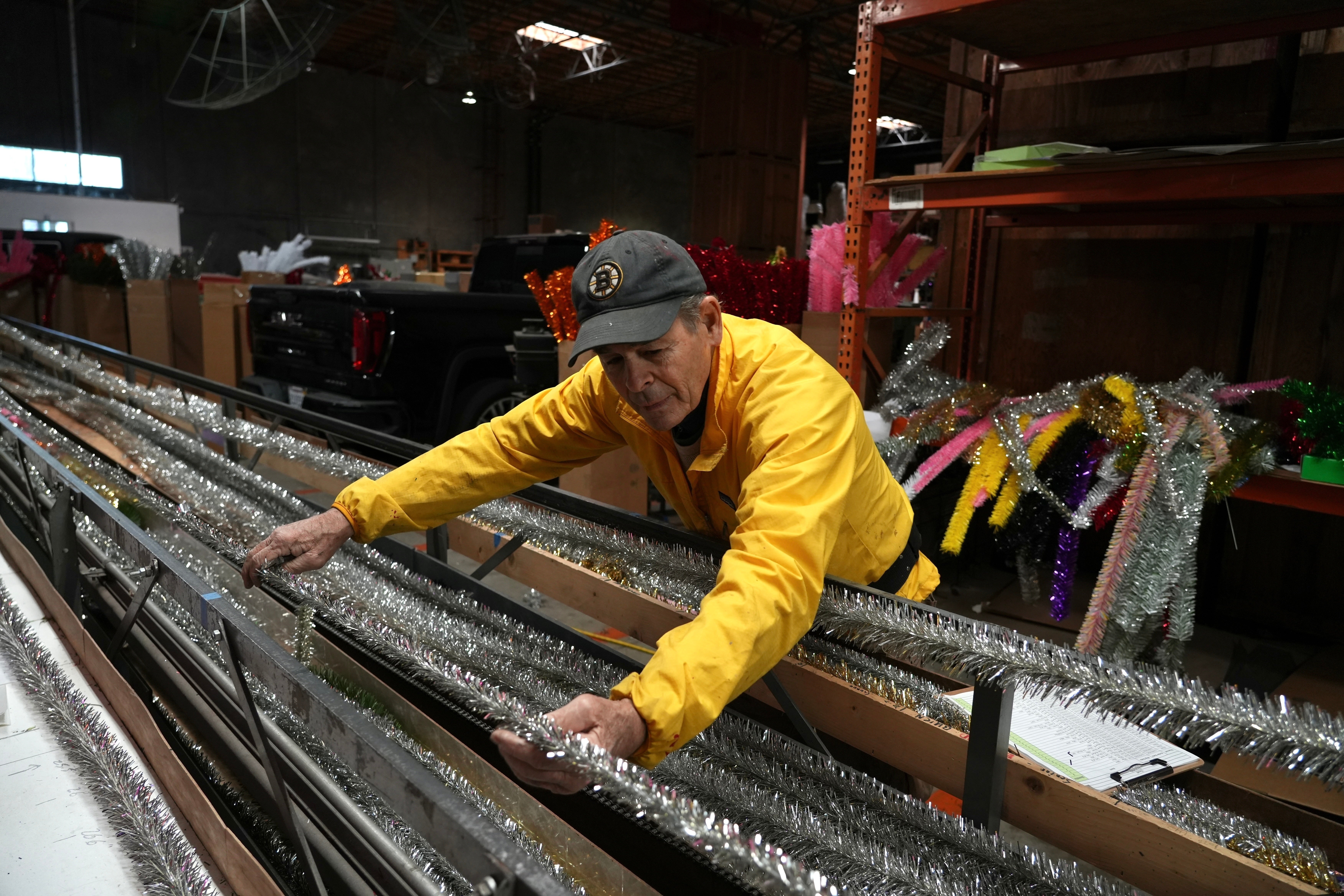
On a recent December day, Mark Latino and his team at Lee Display were busy spinning sheets of vinyl into shimmering tinsel, a process carried out on a custom-made, nearly century-old machine.
This Fairfield, California-based company, founded by Latino’s great-grandfather in 1902, is now one of the few remaining in the United States that still manufactures artificial Christmas trees, producing around 10,000 annually.
This year, however, the festive glow of fake Christmas trees has been dimmed by the twinkling light of tariffs, exposing America’s deep reliance on overseas production for its plastic firs. New import taxes have driven up prices for artificial trees by 10 to 15 per cent, according to the American Christmas Tree Association, forcing sellers to cut orders and absorb higher costs.
Despite these financial pressures, a significant shift of large-scale production back to the US remains unlikely, even after decades of manufacturing in Asia. Chris Butler, CEO of National Tree Co., which sells over a million artificial trees annually, explained that fake trees are inherently labour-intensive and require components, such as holiday lights, that are not readily produced in the US.
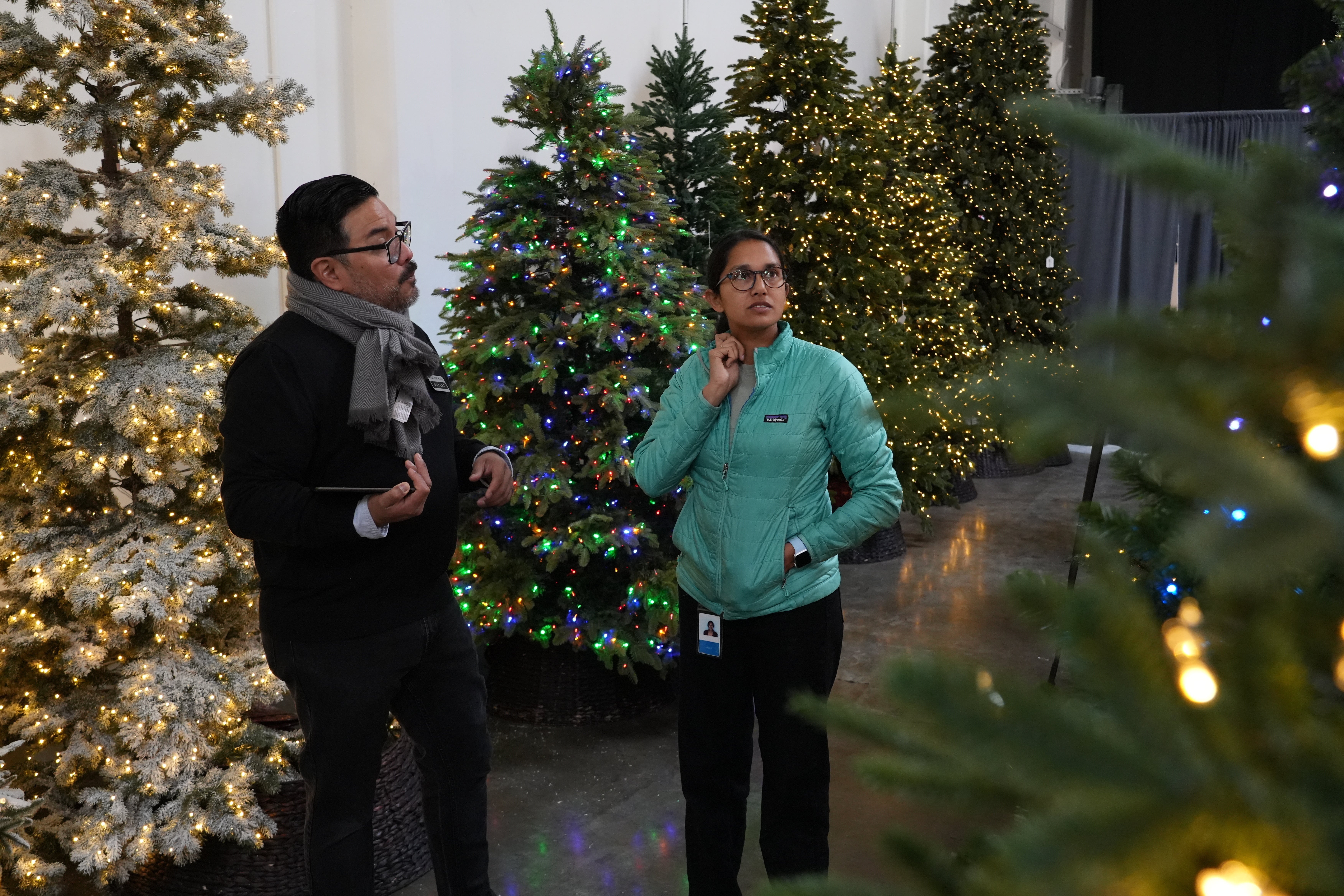
Furthermore, American consumers are highly sensitive to price when it comes to holiday décor. "Putting a ‘Made in the U.S.A.’ sticker on the box won’t do any good if it’s twice as expensive," Mr Butler stated. "If it’s 20 per cent more expensive, it won’t sell."
The preference for artificial trees is strong among US residents, with approximately 80 per cent opting for a fake one this year – a figure that has remained consistent for at least 15 years. Mac Harman, founder and CEO of Balsam Brands, noted that many Americans prefer artificial trees because they can be set up earlier and left for weeks without drying out, unlike fresh-cut trees. Others choose them due to allergies to mould spores found on real trees.
Convenience also plays a major role, with 80 per cent of fake trees sold annually featuring pre-strung lights, a labour-intensive task that drove production away from the US, first to Thailand in the early 1990s and then to China a decade later. Mr Harman questioned, "Where are we going to get 15,000 people in America who want to string lights on Christmas trees?"
The manufacturing process for an artificial Christmas tree, from moulding needles to tying branches and attaching lights, typically takes one to two hours. In China, where 90 per cent of fake trees are made, workers are paid between $1.50 to $2 per hour. Mr Harman described the efficiency of workers wrapping lights on Balsam Hill’s trees as "like watching an Olympian." Some of Balsam Brands’ Chinese partners employ between 15,000 and 20,000 people, with another in Indonesia employing up to 10,000, many of whom are seasonal workers.
During the first Trump administration, when President Donald Trump threatened tariffs on imported Christmas décor, Balsam Brands, based in Redwood City, California, explored the feasibility of manufacturing faux trees in Ohio. Despite hiring consultants and considering automation, the company concluded that a tree currently retailing for $800 would cost $3,000 if made in the US. Mr Harman even noted that Balsam struggled to find a US company to produce the simple pair of gloves included in each box for fluffing out branches.
Back at Lee Display, Mark Latino appreciates the control and speed of domestic production. "You have more control over it. I like to think that everything here is either my fault or my mistake or my careful planning and skill," he remarked.
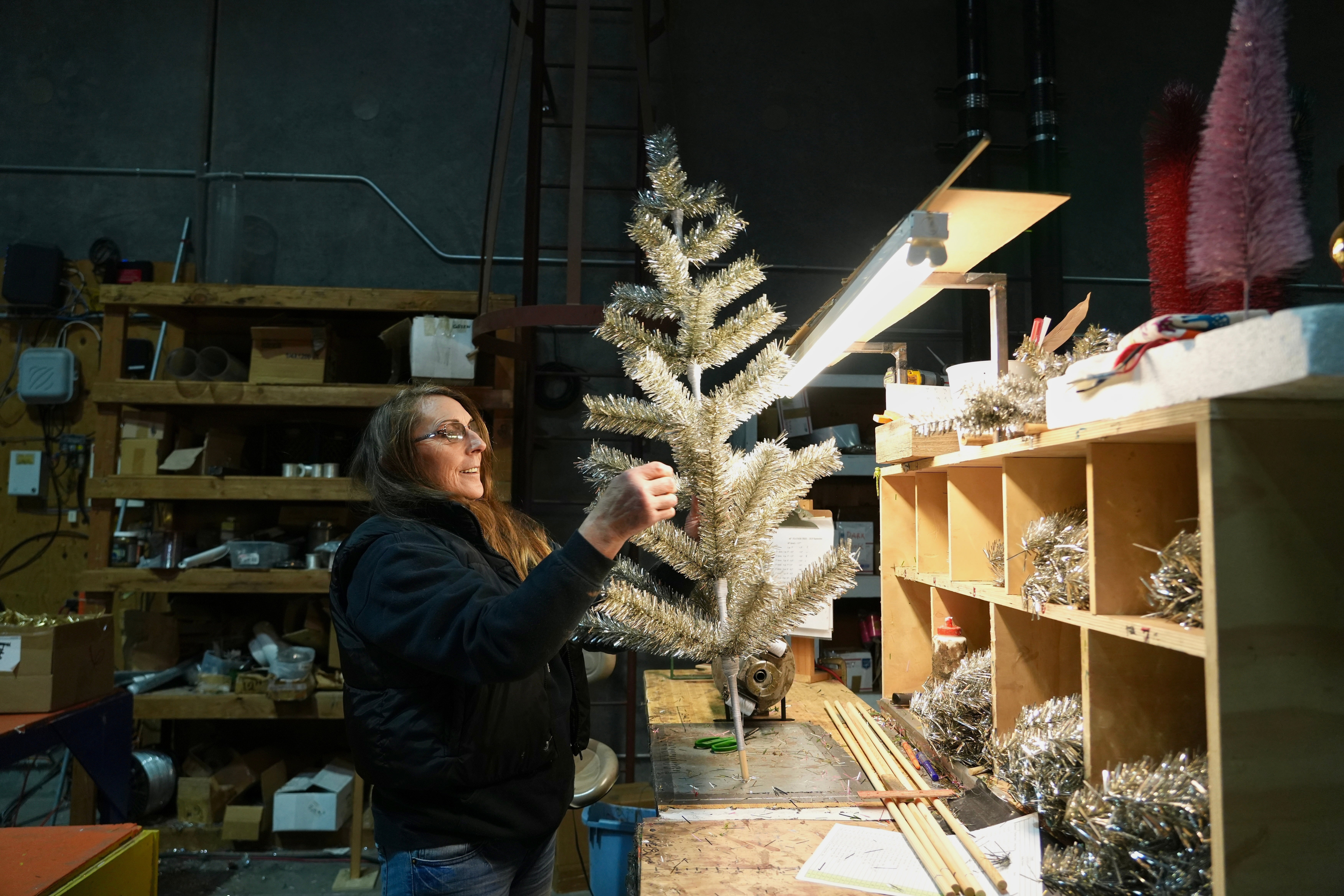
However, even this American manufacturer felt the pinch of tariffs. Latino’s son, James, who handles business development, confirmed that the company avoided importing lights or decorations from China this year, relying instead on existing stock. With supplies running low, they anticipate higher import costs next year.
In response to the tariff landscape, some artificial tree companies are diversifying their supply chains to reduce reliance on China. National Tree Co, for instance, shifted some manufacturing to Cambodia in 2024 and could potentially source all its trees from outside China by next year.
Yet, this diversification has not made companies immune. In April, the Trump administration threatened a 49 per cent tariff on Cambodian products, which was later reduced to 19 per cent. Tariffs on artificial trees from China have fluctuated but now average 20 per cent.
Mr Butler of National Tree Co. reported importing fewer trees this year and raising prices by 10 per cent, using much of the additional revenue for customer discounts due to weak demand.
"It’s a discretionary item. People say, ‘I can wait one more year,’" he explained. Balsam Brands absorbed the tariff impact by cutting its workforce by 10 per cent, cancelling travel, freezing raises, and even stopping weekly office lunches, alongside a 10 per cent price increase.
Mr Harman noted a 5 to 10 per cent drop in US sales this year, contrasting with a 10 per cent or more increase in Germany, Australia, Canada, and France, suggesting tariffs have dampened US demand.
He concluded, "If a merry Christmas is measured in how many decorations people put up, by that measure it’s going to be a slightly less merry Christmas."
Join our commenting forum
Join thought-provoking conversations, follow other Independent readers and see their replies
Comments
Bookmark popover
Removed from bookmarks