This Supreme Court precedent could protect Fox News. The right has been trying to get rid of it for years
Vital protections for a free press have long been the target of right-wing figures, which have been trying to chip away at the same defence that Fox needs to beat its defamation case, Alex Woodward reports from Delaware

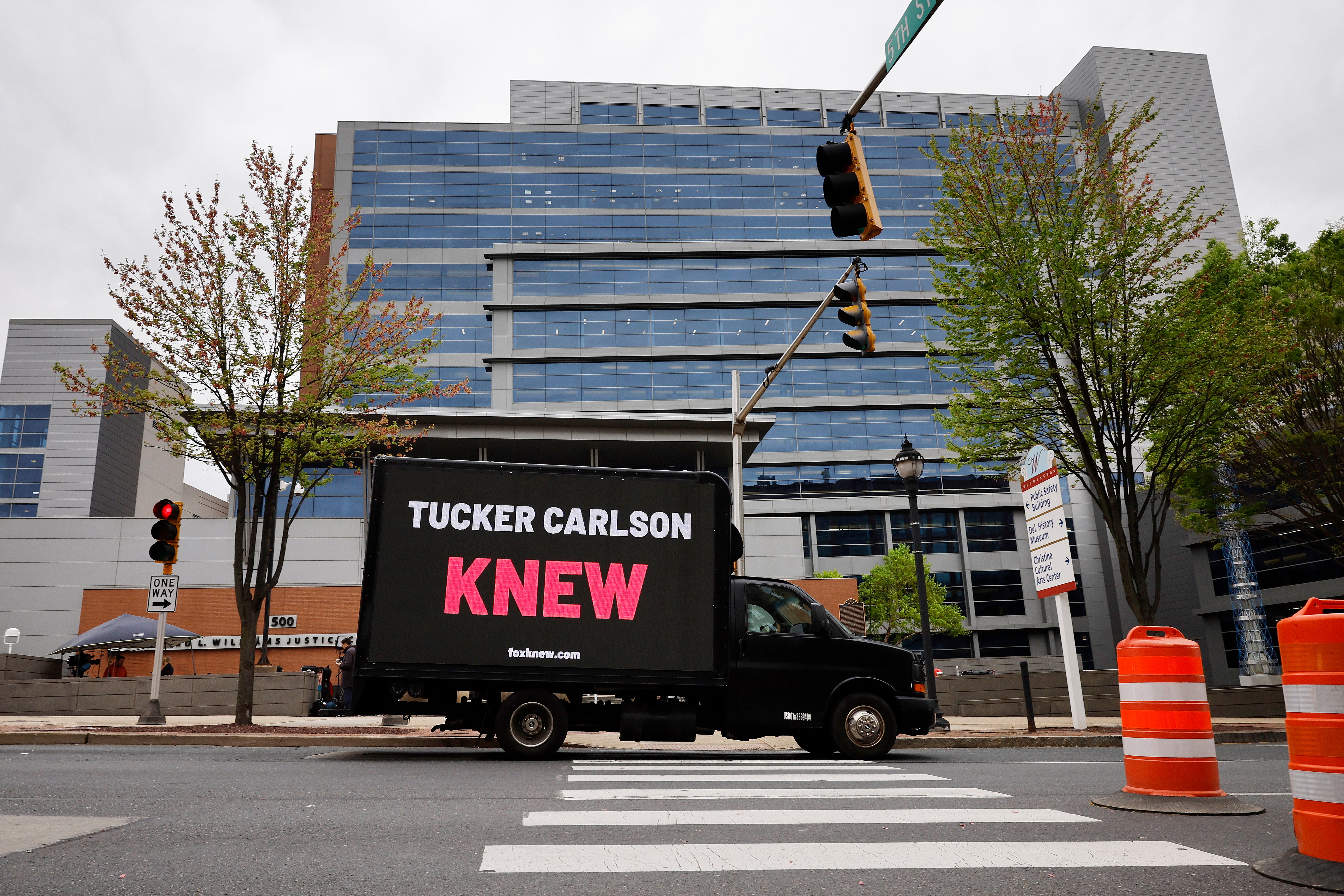
Fox News is on trial in a Delaware courtroom standing accused of defaming a voting machine company in the aftermath of the 2020 presidential election.
A plaintiff must meet a high legal bar to prove that on-air statements were made with “actual malice,” the standard established by the US Supreme Court’s 1964 ruling in New York Times v Sullivan that affirms strong First Amendment protections for the press when reporting on public officials and public figures.
This week, a judge will preside over one of the biggest-ever defamation cases against a media company, with a six-week jury trial involving a $1.6bn lawsuit from Dominion Voting Systems against the most-watched cable news network in the US.
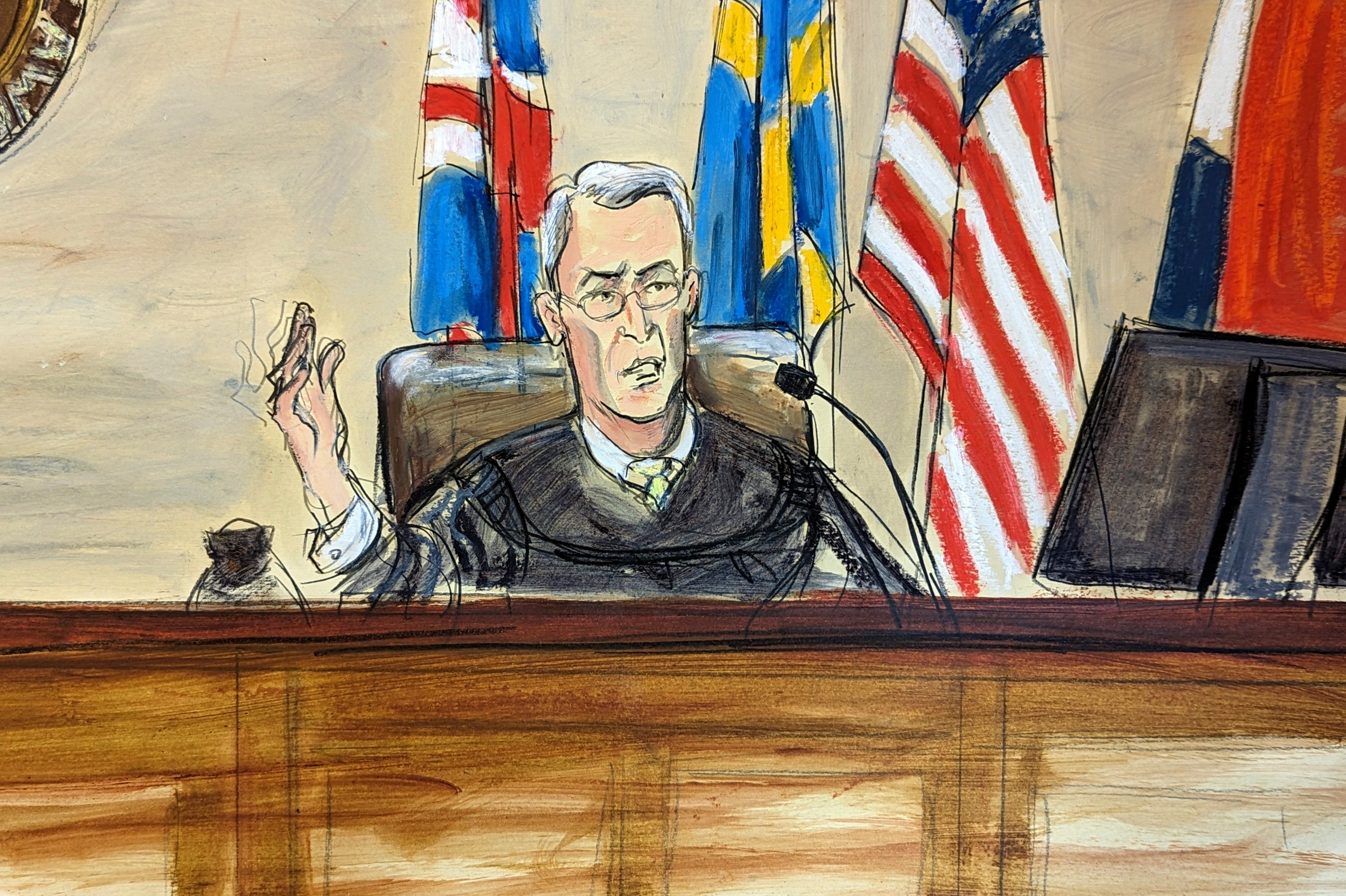
The judge has already determined that on-air statements about the company in the wake of the 2020 presidential election were false. It will be up to a jury in Superior Court in Wilmington to determine whether they rise to “actual malice” – in other words, whether Fox knowingly presented false claims or did so with reckless disregard for the truth.
Attorneys for Fox argue that the network had a duty to report newsworthy claims, which were endorsed by then-President Donald Trump, and that Dominion has failed to meet the so-called Sullivan test – a precedent that right-wing figures have tried to overturn for years.
 Fox Dominion lawsuit – live: Defamation trial against news channel abruptly delayed amid ‘settlement talks’
 Fox News gave Trump’s 2020 election lies a platform. Is the right-wing network about to pay the price?
 Fox News plans to fight Dominion’s defamation case by pointing finger at Trump and other ‘defamers’
In the days after Mr Trump’s loss in the 2020 election, Trump-connected figures floated conspiracy theories and other baseless claims about Dominion on air, claiming that the company was responsible for “flipping” or manipulating votes, had ties to Hugo Chavez and Venezuela, and provided “kickbacks” to election officials.
Hundreds of pages from Dominion show that top on-air personalities, producers and Fox Corporation leadership knew those segments were bogus. Those claims were false, and they were aired uncritically on the network, Judge Eric Davis determined.
Still, some legal analysts and press freedom advocates are wary of a courtroom determining what constitutes ethical reporting, and fear an outcome against Fox could have significant blowback in other newsrooms.
In the Sullivan decision from nearly 60 years ago, justices on the nation’s highest court declared the “profound national commitment to the principle that debate on public issues should be uninhibited, robust, and wide-open.”
While Fox is relying on the constitutional safety net affirmed in the Sullivan case, the former president and other right-wing figures have spent years trying to undermine it.
The litigious former president sued The New York Times and CNN in an effort to eliminate precedent that limits the ability of public figures to launch potentially financially devastating lawsuits against the press.
Last last year, Mr Trump’s lawyers in the CNN case argued that the precedent “no longer merely provides ‘breathing space’ for the occasional misstatement, but rather, offers a nearly impenetrable shield to the media, allowing it to publish defamatory statements targeting political enemies, without fear of consequence.”
A lawsuit against CNN provides a “perfect vehicle” to strip First Amendment protections, his lawyers wrote in a recent filing.
The Trump campaign’s lawsuit against The New York Times was dismissed, and CNN has sought to dismiss Mr Trump’s challenge to the network. Mr Trump’s lawsuit also suggested that the network is responsible for the “rise of disinformation” without addressing Mr Trump’s own wave of bogus claims.
Florida Governor Ron DeSantis, whose administration has launched an aggressive campaign against the press, is supporting legislation that deliberately chips away at Sullivan and “weaponizes defamation law to the point that it represents a death knell for American traditions of free speech,” according to Bobby Block, executive director of the Florida First Amendment Foundation.
Last year, a judge and a jury separately shut down a case from former Alaska Governor Sarah Palin in her own attempt to sue The New York Times. A judge determined that no reasonable jury would find that the newspaper and the editor at the centre of the case acted with actual malice in publishing a 2017 editorial that referenced her political action committee.
Newspaper spokesperson Danielle Rhoades Ha said in a statement that the verdict was “a reaffirmation of a fundamental tenet of American law: public figures should not be permitted to use libel suits to punish or intimidate news organizations that make, acknowledge and swiftly correct unintentional errors.”


At least two conservative justices on the Supreme Court have also expressed a willingness to revisit the Sullivan precedent, which could wind up in front of the conservative-supermajority panel that has already overturned the half-century precedent from Roe v Wade.
“What started in 1964 with a decision to tolerate the occasional falsehood to ensure robust reporting by a comparative handful of print and broadcast outlets has evolved into an ironclad subsidy for the publication of falsehoods by means and on a scale previously unimaginable,” Justice Neil Gorsuch wrote in 2021.
The Sullivan standard emerged from a violent period in the civil rights movement in the early 1960s, when a city commissioner in Alabama sued The New York Times for defamation over an advertisement from civil rights groups that accused Southern police of waging an “unprecedented wave of terror” against them.
The ad did not even mention LB Sullivan, but an all-white jury panel in a courtroom presided over by a judge who wrote articles defending white supremacy awarded him $500,000.
Mr Sullivan’s target was not necessarily The New York Times or winning a defamation case but against the civil rights movement itself; he wrote at the time that if “Negroes persist in flaunting their arrogance and defiance by congregating … the police will have no alternative but to take whatever action that might be necessary to disperse them.”
But a unanimous Supreme Court opinion from Justice William Brennan overturned the verdict. The justices underscored “the right of freely examining public characters and measures” and established that libel lawsuits from public figures must meet a higher threshold than challenges from other plaintiffs.
Despite the judge’s assertion that Fox News knowingly presented false claims, statements from Fox News spokespeople to The Independent have warned that Dominion’s lawsuit presents “an unprecedented assault on the First Amendment” that could threaten the media’s “absolute right to cover the news.”
“Fox will continue to fiercely advocate for the rights of free speech and a free press as we move into the next phase of these proceedings,” according to a statement.
Join our commenting forum
Join thought-provoking conversations, follow other Independent readers and see their replies
Comments
Bookmark popover
Removed from bookmarks