Colleges will soon have to fork over millions of dollars as Trump’s bill extends a tax on their endowments
Universities use their endowments to fund critical operations and to provide services, such as tuition assistance to low-income students
President Donald Trump's "big, beautiful bill" has passed and is causing panic for the heads of America's top universities.
The bill — which was unanimously opposed by Democrats in the House and the Senate — was sold by Trump as a method for providing tax relief and expanding American wealth.
Among its various provisions, the bill levies a tiered tax on university endowments, which previously were not taxable. The new tax is justified by the Trump administration as a way to prevent universities from "[abusing] generous benefits provided through the tax code".
The taxes range from 1.4 percent to 8 percent at the wealthiest institutions.
Universities rely on their endowments to fund essential operations and to provide services to their students.


.jpg?quality=75&width=230&crop=3%3A2%2Csmart&auto=webp)

In 2017, during Trump's first term, Congress started taxing universities with endowments of $500,000 or more per student at 1.4 percent. The new bill expands on that and is based on endowment-per-student calculations.
Harvard and Princeton both have endowments of $2 million or more per student. They will be subject to an 8 percent tax on their investment income. It could be worse; the original House bill set the tax at 21 percent, and Vice President J.D. Vance — himself a product of a wealthy school and its endowment funding — wanted to set the tax at 35 percent, according to the New York Times.
Harvard has the largest endowment of any U.S. university, with an estimated $53.2 billion. The 8 percent tax rate applies to the school’s annual investment income, not total endowment, according to the Harvard Crimson. That figure stood at $2.5 billion in fiscal year 2024, which would mean about a $200 million tax bill.
Several U.S. universities qualify for the highest tax rate; Harvard, Yale, Princeton, MIT, Stanford, CIT, Juilliard and Amherst.
Schools with endowments of between $750,000 and $2 million per student will be taxed at 4 percent.
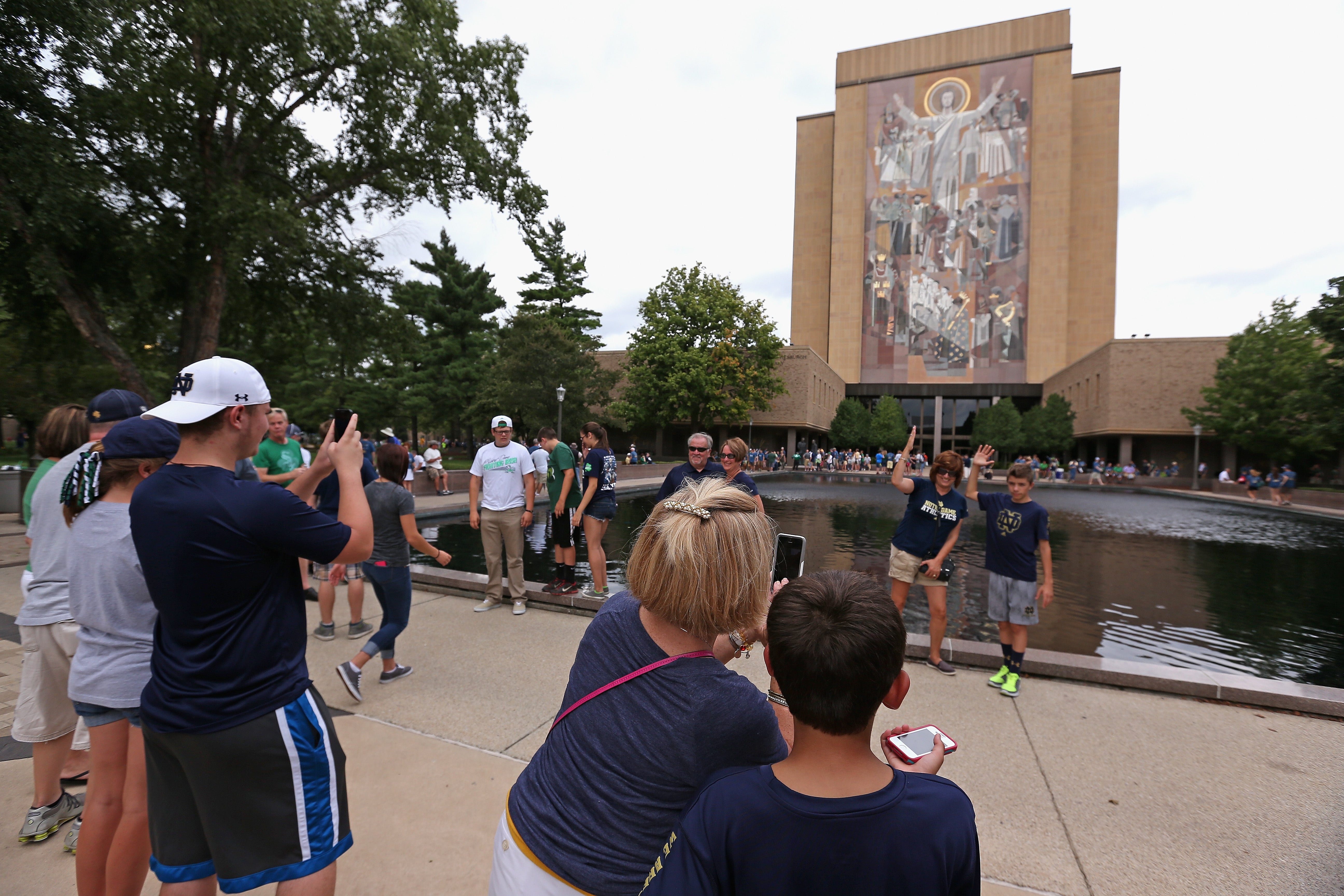
That tier includes universities such as Notre Dame, Dartmouth, the Mayo Clinic College of Medicine, Baylor, Northwestern, Johns Hopkins, Duke, Vanderbilt, the University of Chicago, Columbia and Brown.
All other schools that qualify will be taxed at 1.4 percent.
The tiered endowment taxes aren't the only changes to higher education that the "big, beautiful bill" has introduced.
Student loans are also being re-tooled. A lifetime borrowing cap of $100,000 for graduate students and a $200,000 cap for law and med school students is now in place.
The bill also set a $65,000 cap on Parent PLUS loans, which are unsubsidized loans that parents can use to support their dependent undergraduate students. Those loans will no longer be eligible for repayment programs.
Repaying student loans has also changed. The new bill puts limits on deferments and forbearances and replaces existing income-based payment plans — aimed at helping lower-income borrowers — with two ways to repay.
One plan is a standard repayment plan that lets borrowers pay over 10 to 25 years based on their loan amounts, regardless of their income. The other is labeled at a "Repayment Assistance Plan" that is based on a percentage of a borrower's discretionary income.
The approximately eight million borrowers enrolled in former President Joe Biden's SAVE repayment plan will have to wait a little longer for a judge to rule on the program's legality.
This article has been amended to better reflect what is being taxed and how much some universities will have to pay.
Join our commenting forum
Join thought-provoking conversations, follow other Independent readers and see their replies
Comments
Bookmark popover
Removed from bookmarks