‘Everyone needs to see the faces of the rapists’: Gisèle Pelicot’s memoir reveals moment she went for public trial
Tara Cobham looks at Pelicot’s narrative ‘A Hymn to Life’, which details her ordeal in France’s most shocking mass rape case
Gisèle Pelicot has opened up about the moment she decided to bravely waive her anonymity and have a public trial, paving the way for France’s most shocking mass rape case.
Ms Pelicot’s newly released memoir, A Hymn to Life, details the harrowing ordeal she suffered after discovering her then-husband drugged then raped her while unconscious, along with dozens of men he had recruited online.
In the book, written with journalist Judith Perrignon, the now 73-year-old recalls the moment her “brain shut down” as police told her what Dominique Pelicot and 51 other attackers had done.
She also speaks of the intense media coverage surrounding her case, highlighting how she was often described as “dignified” and an “icon”, words she appears to feel ambivalent about – although she feels strongly about offering “my experience as an example and my name as a battle flag” to help other women.
“Here I am, in my seventies, a martyr, the symbol of a new feminist wave that I hardly know a thing about,” she writes in the memoir, which went on sale on Tuesday.
Among the revelations in the book, Ms Pelicot goes on to explain that she still wants to visit her husband in prison in her quest for answers.
He and the other men were jailed for a total of 428 years in 2024, after 47 of them were found guilty of rape, two were found guilty of attempted rape, and two were found guilty of sexual assault.
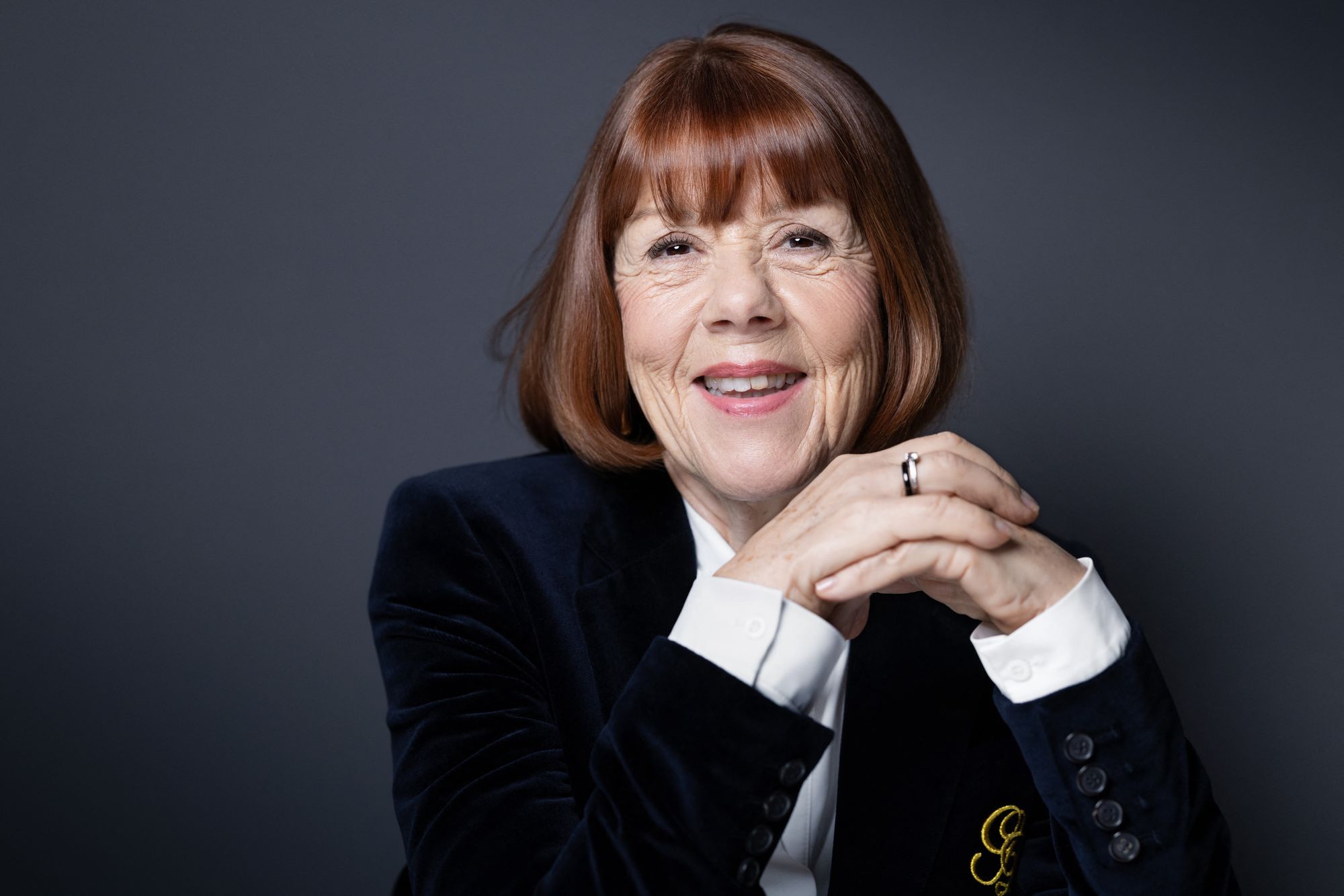
Speaking about her decision to waive her anonymity, Ms Pelicot writes: “I didn’t want to be alone any more. So many strangers had shown me such kindness, made me feel welcome when I had nothing left. I wasn’t scared of being seen now, of people knowing.
“’Shame has to change sides’ – the words I’d first heard over a decade ago, a slogan supporting women who had survived rape and domestic violence, came into my head like a refrain, as if tiny blades were honing my thoughts. Everyone needs to see the faces of the rapists. They should be the ones to hang their heads in shame, not me.”
Rejecting a closed hearing, the norm for sexual offence trials, would “change everything”, she remembers being told by her lawyers Stéphane Babonneau and Antoine Camus.
To prepare for the trial, Ms Pelicot says she had to view the horrific videos of the attacks, taken from her then-husband’s devices, that she had so far avoided watching. She recalls seeing her body as a “corpse” and “doll made of flesh and blood”, saying: “I didn’t see my life there. They had chased it away, driven it out of my body.”
She reflects then on the world-shattering moment when she was first told by police what had happened to her. In both instances, she says she kept thinking, “It happened to me, but it wasn’t me.”
Ms Pelicot initially believed she was at the police station on 2 November 2020 because her then-husband had been summoned by police after a supermarket security guard caught him secretly taking videos up women’s skirts.
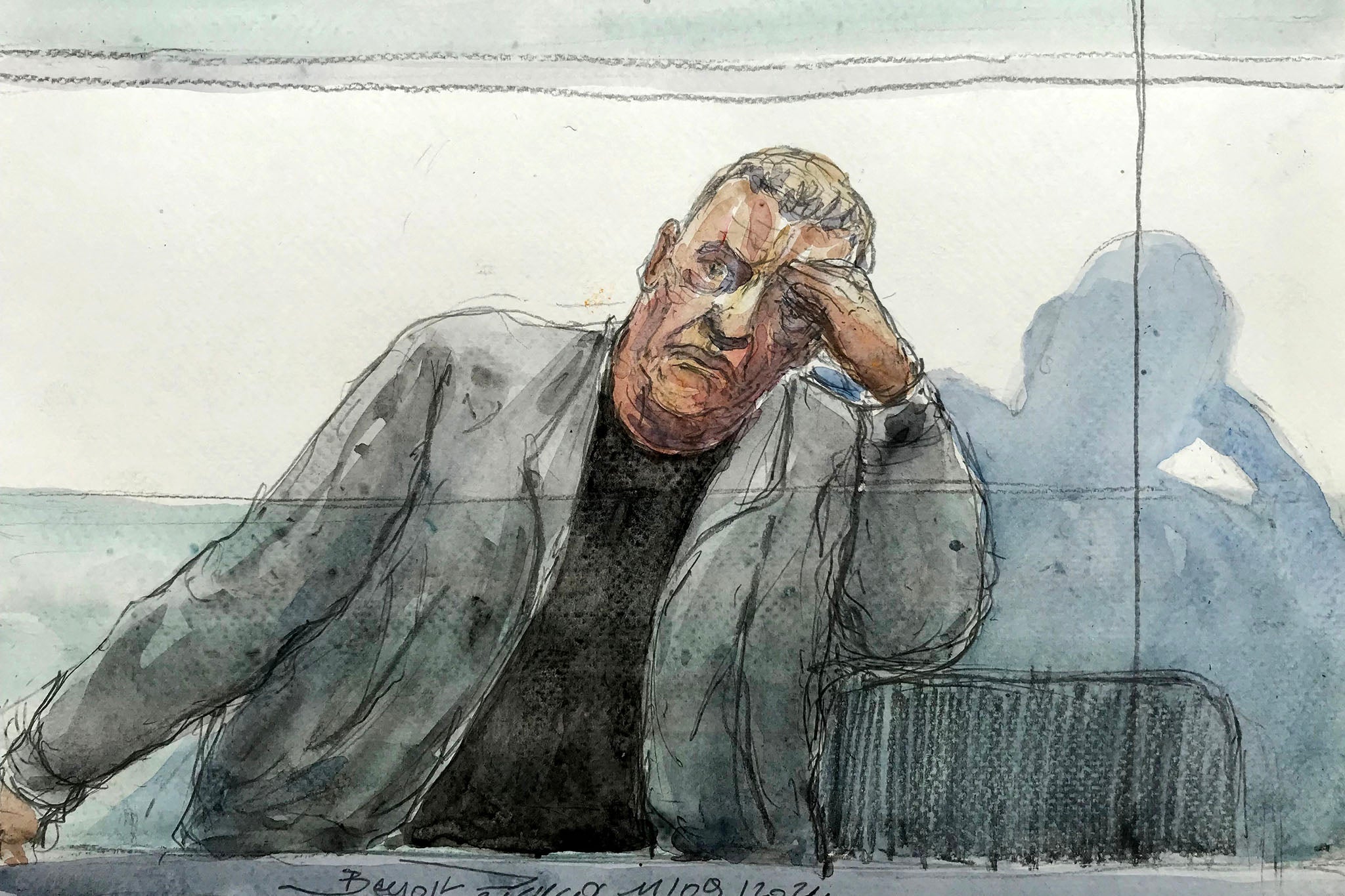
The officer gently revealed the real reason why Ms Pelicot was there and began by asking her questions such as what her then-husband’s character was like, with her describing him initially as “a lovely guy”.
He then asked whether the couple ever swapped partners. “I heard myself stammering that swinging was inconceivable for me,” she said. “I couldn’t bear other men touching me. I needed feelings.”
Then the officer warned her: “I am going to show you photos and videos that are not going to please you.” After that, her world fell apart.
She recalls: “The officer says a number. He tells me fifty-three men had come to my house to rape me. I ask for water. My mouth is paralysed.” She recalls being unable to believe the inert woman in the photos was her.
Later, she remembers lying in bed awake at night, “so angry that I hadn’t noticed anything” and going over memories, including a moment when she believes she came close to discovering the truth, back in 2013.
She says she noticed some “odd, discoloured blotches like splashes of bleach, indelible, inexplicable” on trousers she had recently bought and joked to Pelicot: “You haven’t been drugging me, have you?”
“He burst into tears. ‘How could you possibly say such a thing?’ I was instantly overcome with guilt. He was hurt. I immediately apologised.”

Ms Pelicot is still grappling with unanswered questions to this day. Her husband was found guilty on all charges and given the maximum possible sentence of 20 years in prison.
She writes: “I need answers; he owes me that much. I will talk to the man I used to think I was married to. If he is still there, he will answer me. What does he have to lose, given that he is going to spend the rest of his life in prison?
“And if, in fact, that man vanished a long time ago, if all that remains of him is his pathological need for power and manipulation, I will sense that too. Either way, it will help me move on.”
She has particular questions around two cold cases she was informed in 2022 her then-husband was a suspect in, one an attempted rape he later admitted to, and another, a murder, which he denies.
She also wants answers surrounding their daughter Caroline Darian, after Pelicot was found guilty of recording and disseminating images of a sexual nature of her.
Ms Pelicot writes: “The photographs are abject, showing her father’s unbearable incestuous gaze on his daughter while she slept.”
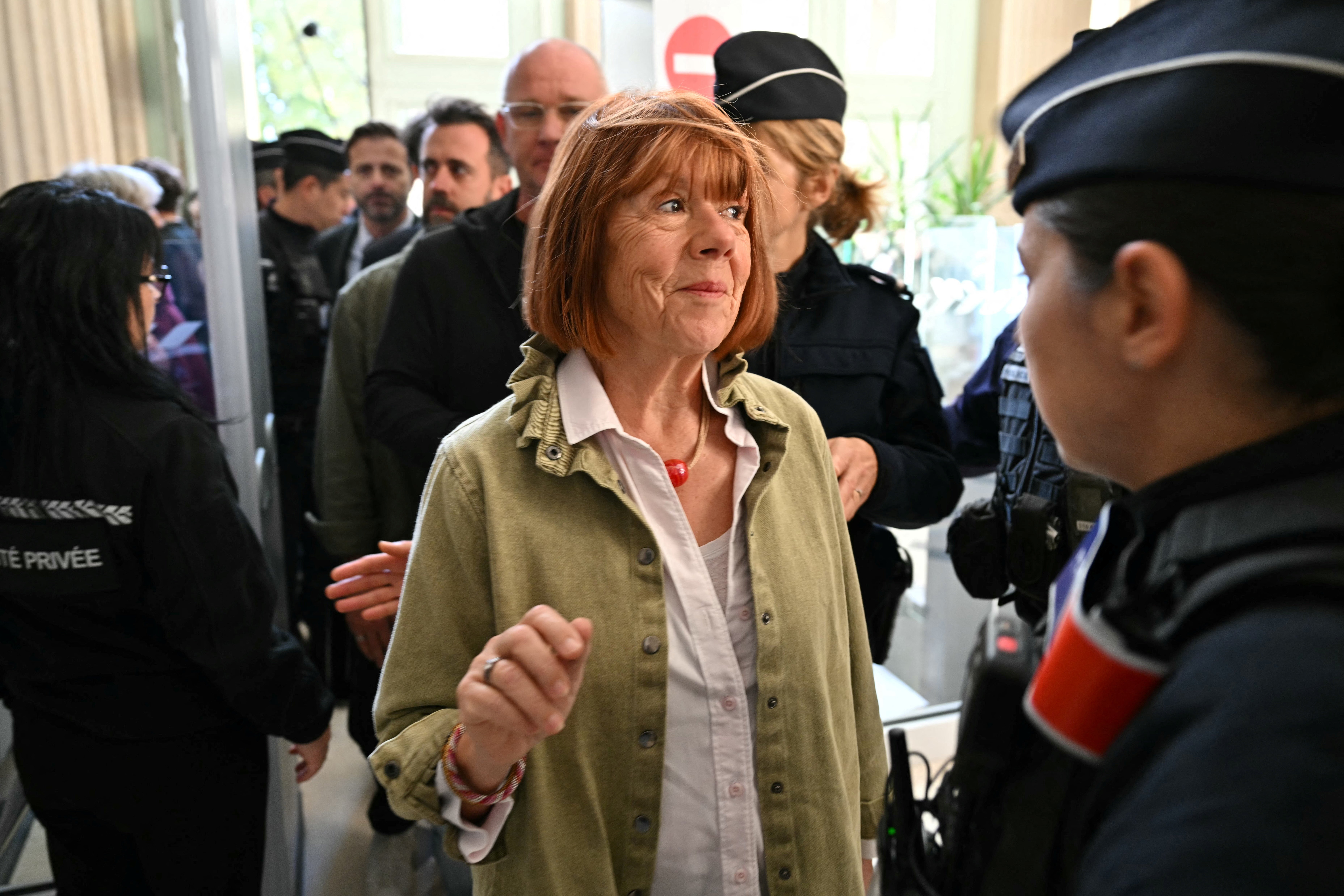
The case put the entire family’s relationships under immense strain, but especially that of mother and daughter. In her own book her daughter released last year, I’ll Never Call Him Dad Again, Ms Darian said she felt she was the “forgotten” victim of the trial.
Her father denied sexually assaulting or raping his daughter during the trial. Ms Pelicot declined to answer when she was asked in court if she supported her daughter’s claims.
Ms Darian went on to accuse her mother of “abandoning her” by not supporting her own allegations and in interviews last year says she no longer speaks to her mother often as a result.
But the family is slowly healing, according to Ms Pelicot, while adding she has built a wider web of supporters around her.
She describes her female friendships as being crucial during this period, while the crowds of women who cheered her on outside the courthouse in Avignon “saved me”.
The number of supporters grew and grew over the course of the trial, until the French grandmother became the symbol of a global movement, embodying her powerful message that it is the perpetrators who should feel shame for sexual crimes – and refusing to be reduced to being a victim.
In her concluding remarks, she writes: “I suppose that’s why I decided to brave the court. Everyone was expecting to see a wreck of a woman arrive. But that was not what happened.
“I still knew why I had been in love with Dominique and, as I told the court, I will probably spend the rest of my life puzzling through my memories in order to salvage a few good ones.
“I will never be reduced to my tortured body; that is not where my soul is, it’s not who I was as a girl, nor is it the woman I have become.”
‘A Hymn to Life’ is published by Bodley Head and is available now
Bookmark popover
Removed from bookmarks