Avalanches, 88 ski deaths and a train crash: Why Europe’s mountains are proving so dangerous this winter
Weather agencies across Europe have issued multiple severe avalanche alerts in 2026 as deaths continue to mount
Dramatic footage emerged this week of a vast avalanche cascading down the steep slopes of the Italian Alps, engulfing a crowd of terrified skiers.
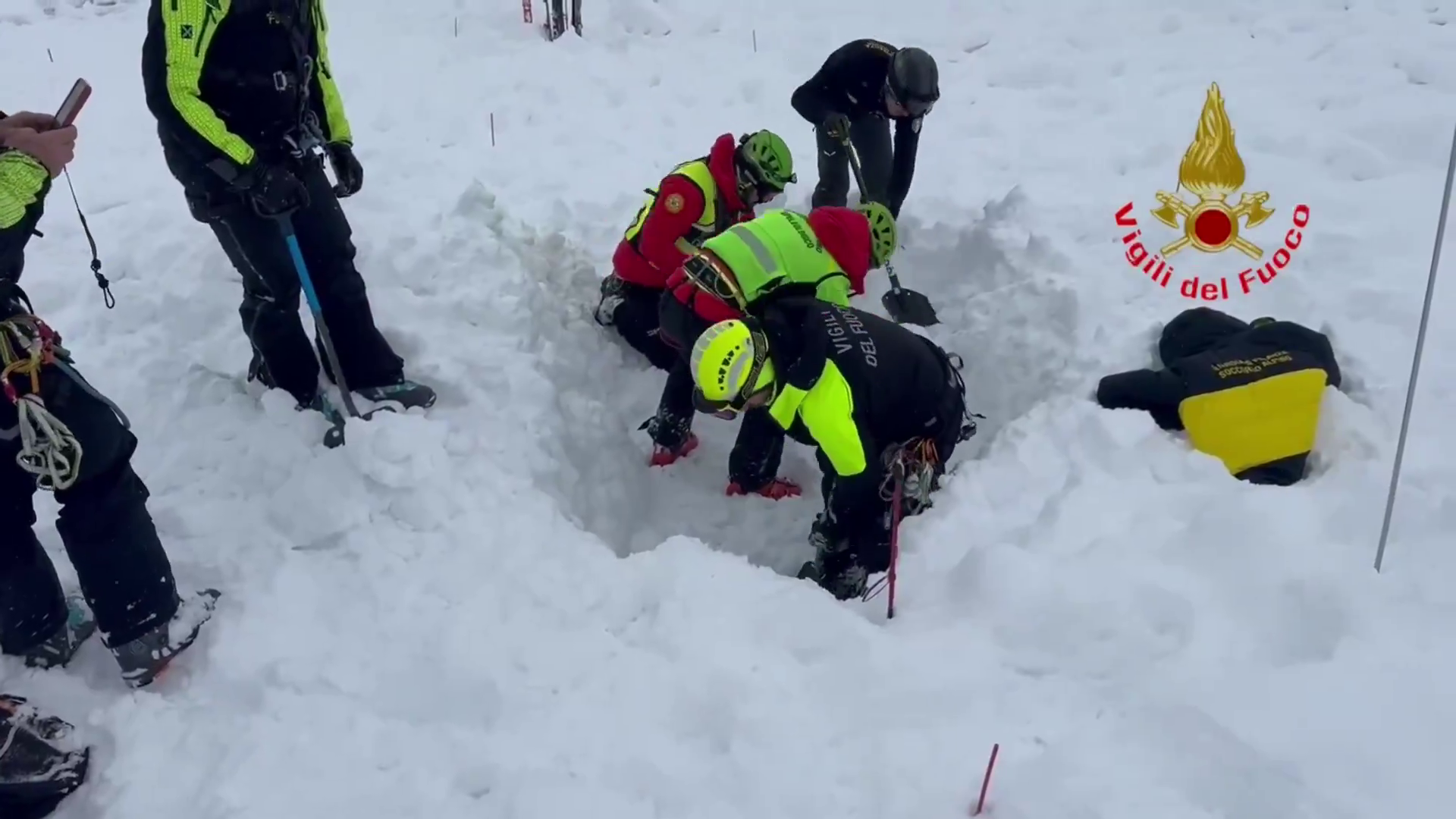
It is just the latest in a series of incidents that have hit Europe’s mountains this year, with 88 fatalities in the season so far.
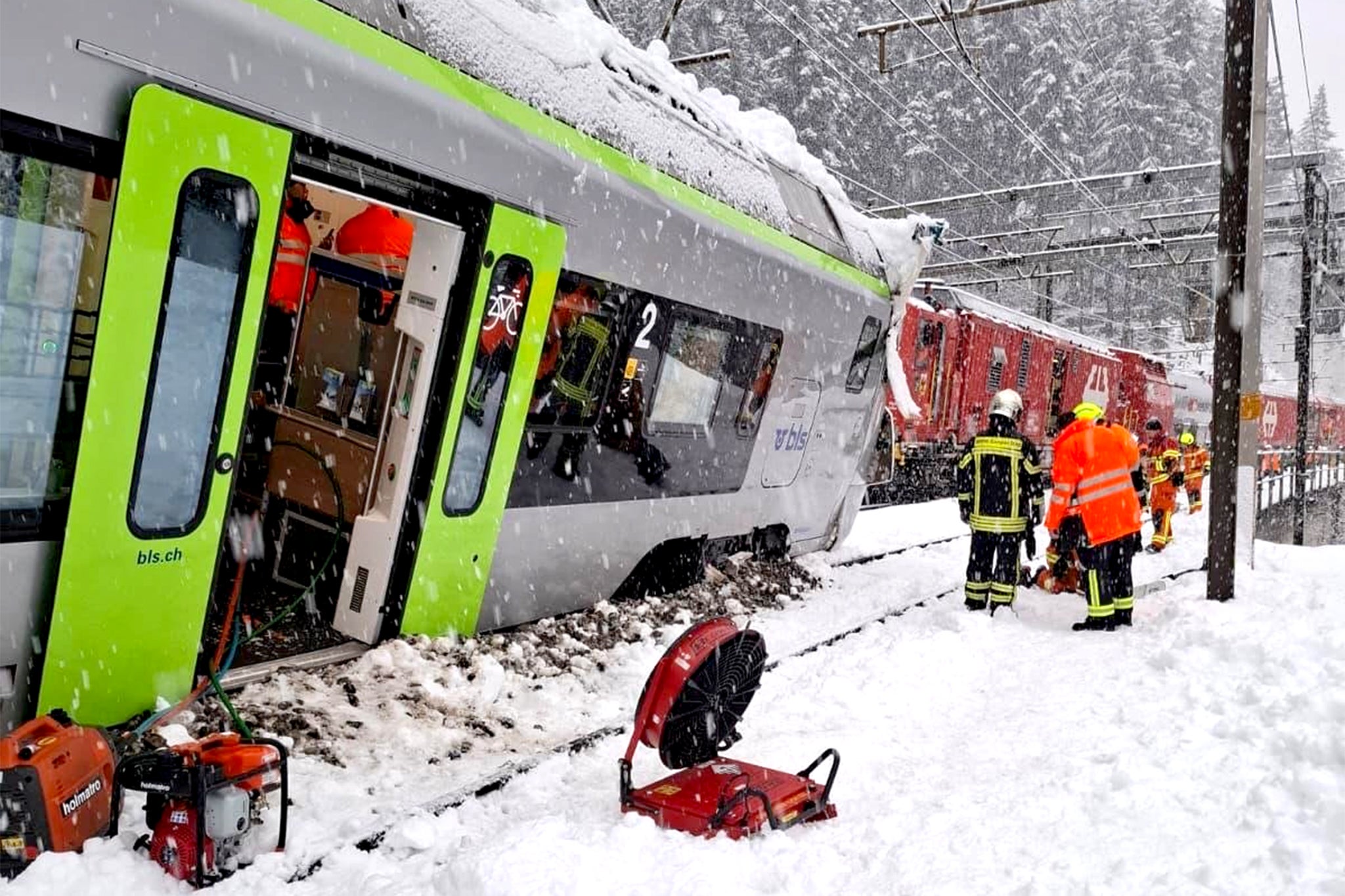
Last week, Italy suffered a record number of mountain deaths when 13 people were killed, ten of them in avalanches. In Switzerland, a train derailed in the Valais region, injuring five people, after the region issued its most severe avalanche warning.
And in the French alps at least 27 people have been killed so far this year, including three British skiers who died in the past week. It marks France’s highest death toll since the 2020 to 2021 season, when 40 people lost their lives in avalanches.
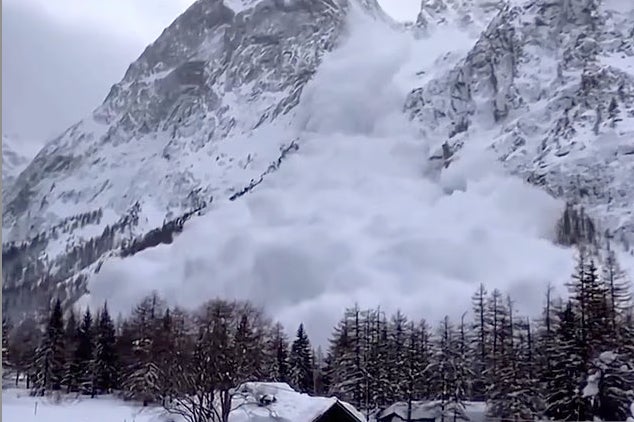
Weather agencies across Europe have been issuing severe weather alerts across multiple regions. As of Wednesday, Italian snow forecaster Aineva had the avalanche risk level set at 4 out of 5, the second highest level, across several of Italy’s Alpine regions bordering France, Switzerland and Austria.
The vast majority of the Swiss Alps, where there have been 13 deaths this season so far according to the Institute for Snow and Avalanche Research SLF, remains under a high alert.
Weather conditions across the Alps have produced perfect conditions for huge slides, often triggered by just a single skier.
But beyond that, researchers warn that climate change is also having an impact on the frequency of avalanches.
“Generally once every five or 10 years, we have a tremendously unstable snow pack, something which has been plaguing us since the beginning of the season,” explains leading snow and avalanche expert Henry Schniewind, referring to his area of the northern French Alps and surrounding regions in France and Switzerland.
Mr Schniewind, who runs avalanche advice website Henry’s Avalanche Talk, told The Independent that snowfall this winter has been “exceptionally unstable”, creating the conditions for potentially large avalanches.
The snowfall has led to a ‘persistent weak layer’ where snow becomes less dense the deeper you go and therefore more fragile. This is caused by a thin snow pack, a shallow layer which produces weak, ‘sugary’ crystals.
Sugary snow is not inherently dangerous by itself but when heavy snowfall settles on top it becomes prone to causing massive slides, Mr Schniewind says.
“The recent deadly avalanches in France all had the same cause: a weather disturbance bringing heavy snow and wind, followed by clear weather that encourages people to go out, especially off-piste, without giving the mountains time to stabilise,” Stéphane Bornet, director of the National Association for the Study of Snow and Avalanches (ANENA), told Le Monde.
The obvious question that many will ask during the surge in deadly incidents is whether climate change has played a role.
Theoretically, one might assume that increasing global temperatures would lead to fewer avalanches as warmer weather means less snow.
However, experts say that rising temperatures can actually increase the risk of avalanches at higher altitudes of 2,000 metres or more. Many ski resorts in the Alps are well above this, on peaks of 3,000 to 4,000 metres.
Climate change can lead to more intense snowfall at such heights and increase the risk of “wet” avalanches, which contain more liquid from rain or melted snow.
“[Wet avalanches] are denser and can therefore exert greater pressure and impact,” Nicolas Eckert, environmental researcher at the University of Grenoble-Alpes, told Le Monde.
France’s Meteo France issued a red alert for avalanches the day before three skiers were killed while off-piste skiing near the upmarket ski resort of Val d’Isere in the last week. Some 60 per cent of the resort’s skiing is above 2,500 metres.
Mr Schniewind said that the growing trend for off-piste skiing has also led to tourists taking greater risks, despite avalanche warnings.
“Around 90 to 95 per cent of avalanche victims trigger the avalanche themselves, or someone in their group does,” says Mr Schniewind. “And the reason that's on the rise is just because off piste and ski touring have increased in popularity over the last couple decades.
“They think, ‘well, nothing's happening, so it must be okay’, but that's just the nature of the beast. That's the biggest trap. Hundreds, maybe even thousands of people can go on a slope that's really unstable and they won't trigger it.
“People are doing the same things that they've done over the last five years, you can not heed the danger and get away with it. But because of the environment now, it's more unstable than usual, and people aren't changing their behaviour accordingly.”
Join our commenting forum
Join thought-provoking conversations, follow other Independent readers and see their replies
Comments
Bookmark popover
Removed from bookmarks