France plunged into chaos as prime minister loses confidence vote
Francois Bayrou forced to resign after just nine months, leaving Macron without solution to rising national debt
The French parliament has voted to bring down the government over its plans to tame a ballooning national debt, plunging Europe’s second-largest economy into crisis after the prime minister was ousted.
President Emmanuel Macron will be forced to search for a fifth prime minister in less than two years following an overwhelming 364-194 result against Francois Bayrou in a vote of confidence.
Mr Macron had indicated he wants to avoid another parliamentary election, and on Monday his office said he would name a new prime minister “in the coming days”.
The next government’s most pressing task will be to pass a budget, the same challenge Mr Bayrou faced when he took office. Securing the backing of a very divided parliament will be equally hard.
By calling a vote of confidence on 25 August, Mr Bayrou had hoped it would rally support for his €44bn (£38bn) austerity plan to be put into effect in 2026. The opposition, however, regarded Monday’s vote as a referendum on whether Mr Bayrou should remain as prime minister.
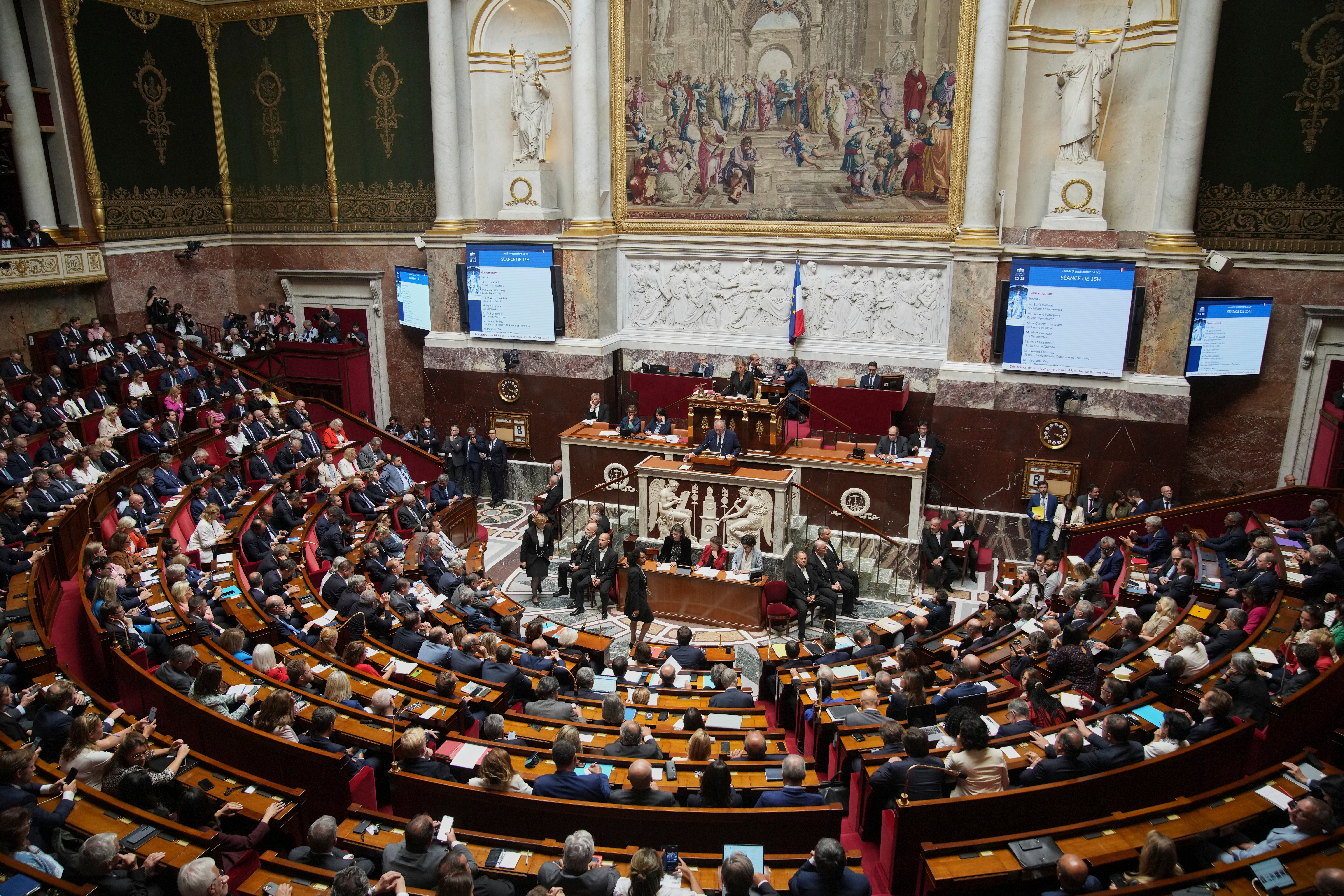
Mr Bayrou held the position as head of government for just under nine months, three times as long as his predecessor, Michel Barnier, who was ousted in record time after losing a no-confidence vote last December.
A close ally of Mr Macron’s and a politician with decades of experience, Mr Bayrou implored the National Assembly moments before the vote on Monday to back his budget, saying France’s debts were “submerging us”.
"You have the power to bring down the government, but you do not have the power to erase reality,” he said.
“Reality will remain relentless: expenses will continue to rise, and the burden of debt, already unbearable, will grow heavier and more costly.”

Mr Macron has been weathering the blame for France’s political crisis, after he called a surprise snap election last year that resulted in a deadlocked parliament, where no single party secured a clear majority, leaving the far-right in a pivotal position to influence the government's stability.
The president could now nominate a politician from his own centrist minority ruling group or from the ranks of conservatives as the next premier, but that would mean doubling down on a strategy that has failed to yield a stable alliance.
He could tack to the left and nominate a moderate socialist, or choose a technocrat.
However, no scenario would be likely to hand the next government a parliamentary majority. Finance minister Eric Lombard said it was inevitable that the need to form a new government would result in a dilution of the deficit reduction plan.
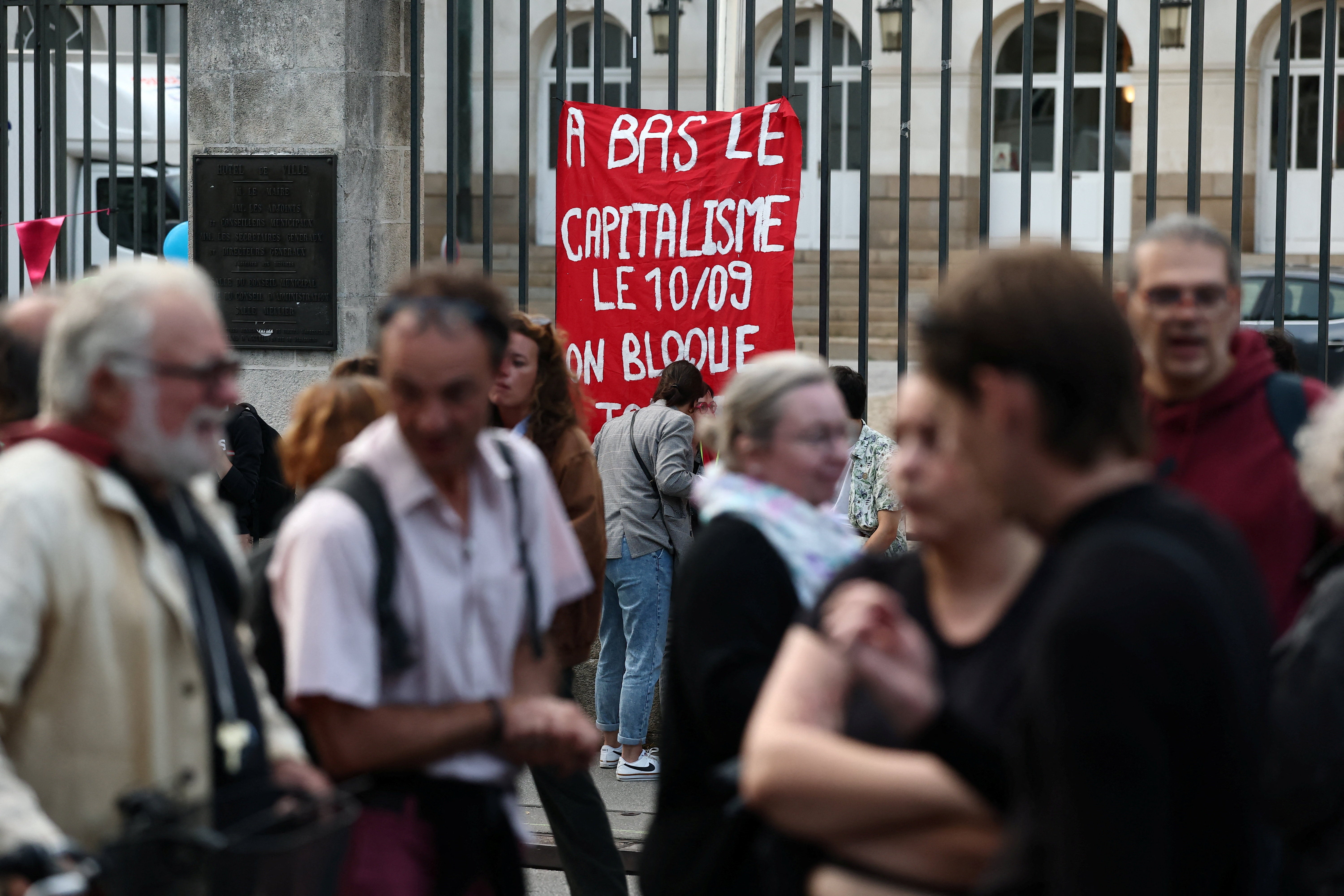
Boris Vallaud, the head of the French Socialist Party, said his party was ready to govern if Mr Macron asked them to do so. “We are ready if he comes to search for us,” he told the National Assembly before the vote.
France has one of the highest levels of spending in Europe. Last year, public spending, including healthcare and the country’s generous pension and unemployment benefits, accounted for 57 per cent of the country’s gross domestic product (GDP).
This has led to big deficits and rising national debt, which stands at €3.35 trillion (£2.9 trillion) as of the financial year ending March 2025, which equates to almost 114 per cent of its GDP. By comparison, the UK’s debt is £2.9 trillion, representing almost 96 per cent of GDP.
Join our commenting forum
Join thought-provoking conversations, follow other Independent readers and see their replies
Comments
Bookmark popover
Removed from bookmarks