Iran warns Trump against ‘threats and unreasonable expectations’ after agreeing to US talks
Iran’s president says he has instructed the country’s foreign minister to ‘pursue fair and equitable negotiations’ with the United States
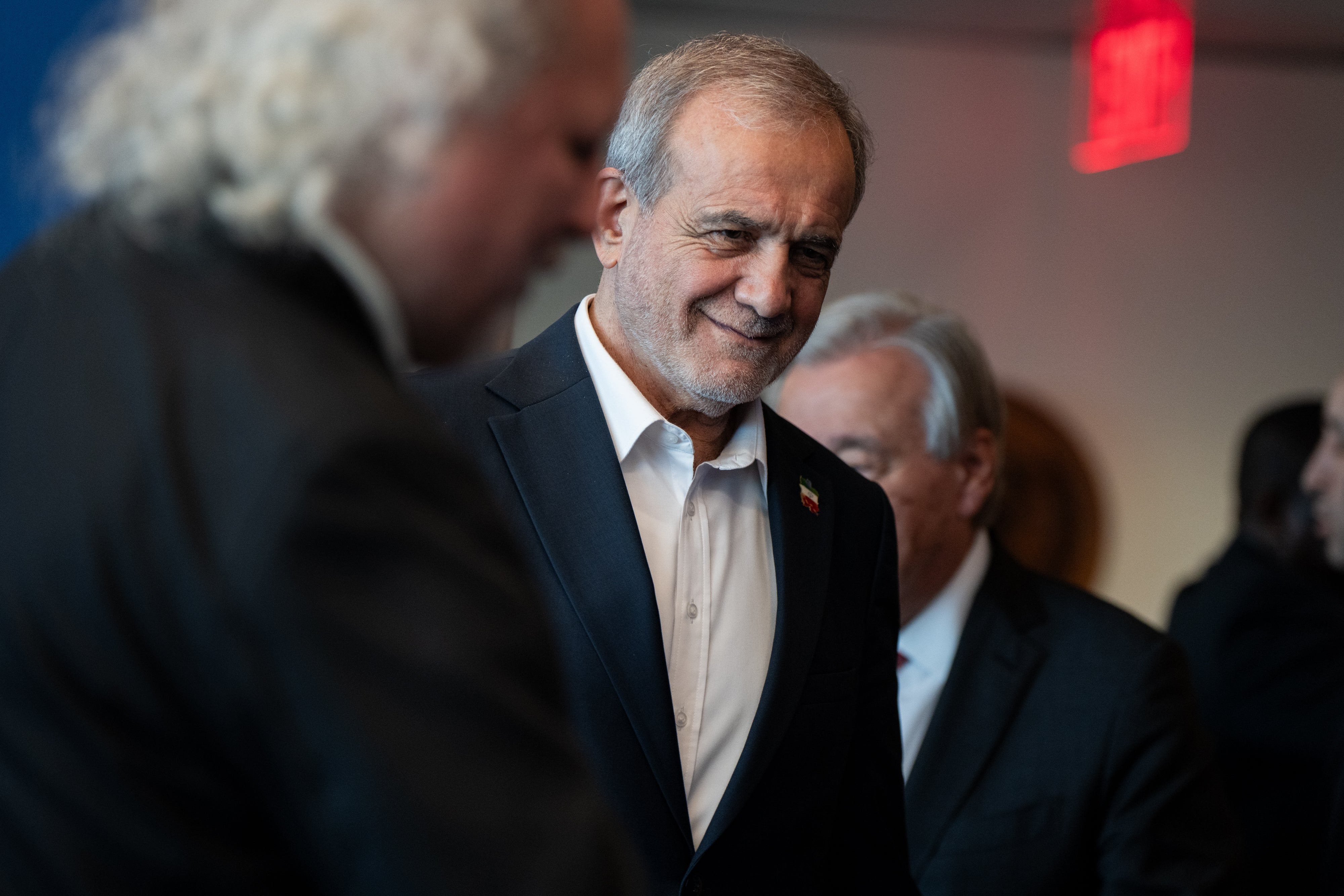
Iranian president Masoud Pezeshkian has given the go-ahead for talks with the US in Turkey this week, but warned against any further threats by the Trump administration.
Turkey will host the discussions, aimed at de-escalating tensions following Washington’s threats of military action in response to Tehran’s bloody crackdown of nationwide protests early this year.
The two sides are also expected to resume talks on a nuclear deal, as demanded by the US. The UAE on Tuesday urged both countries to reach a long-term solution after Donald Trump said "bad things" would happen if a deal was not struck.
Pezeshkian said he has instructed the foreign minister to prepare for “equitable and fair negotiations”, but that they should only take place in “an atmosphere free of threats and unreasonable expectations”.
Washington has not yet followed through on the several military threats made by President Trump in January, declaring that he would strike Iran if they did not stop killing protesters or if they carried out any executions.
The US military sent several warships to the Middle East, including the USS Abraham Lincoln aircraft carrier, as Trump sought to ramp up pressure on Tehran and pondered over resuming direct conflict after tit-for-tat strikes last June.
But Trump stopped short of carrying out threats to intervene, and has since demanded Tehran make nuclear concessions. Lasst week, he said that Iran was "seriously talking".
A regional official said several foreign ministers from nearby countries have been invited to this week’s talks, including from Pakistan, Saudi Arabia, Qatar, Egypt, Oman, and the United Arab Emirates.
Writing on X, Pezeshkian said the decision to agree to the talks came after “requests from friendly governments in the region to respond to the proposal by the President of the United States for negotiations.”
The format of the meetings remains unclear but the "main meeting" would be on Friday, they added.
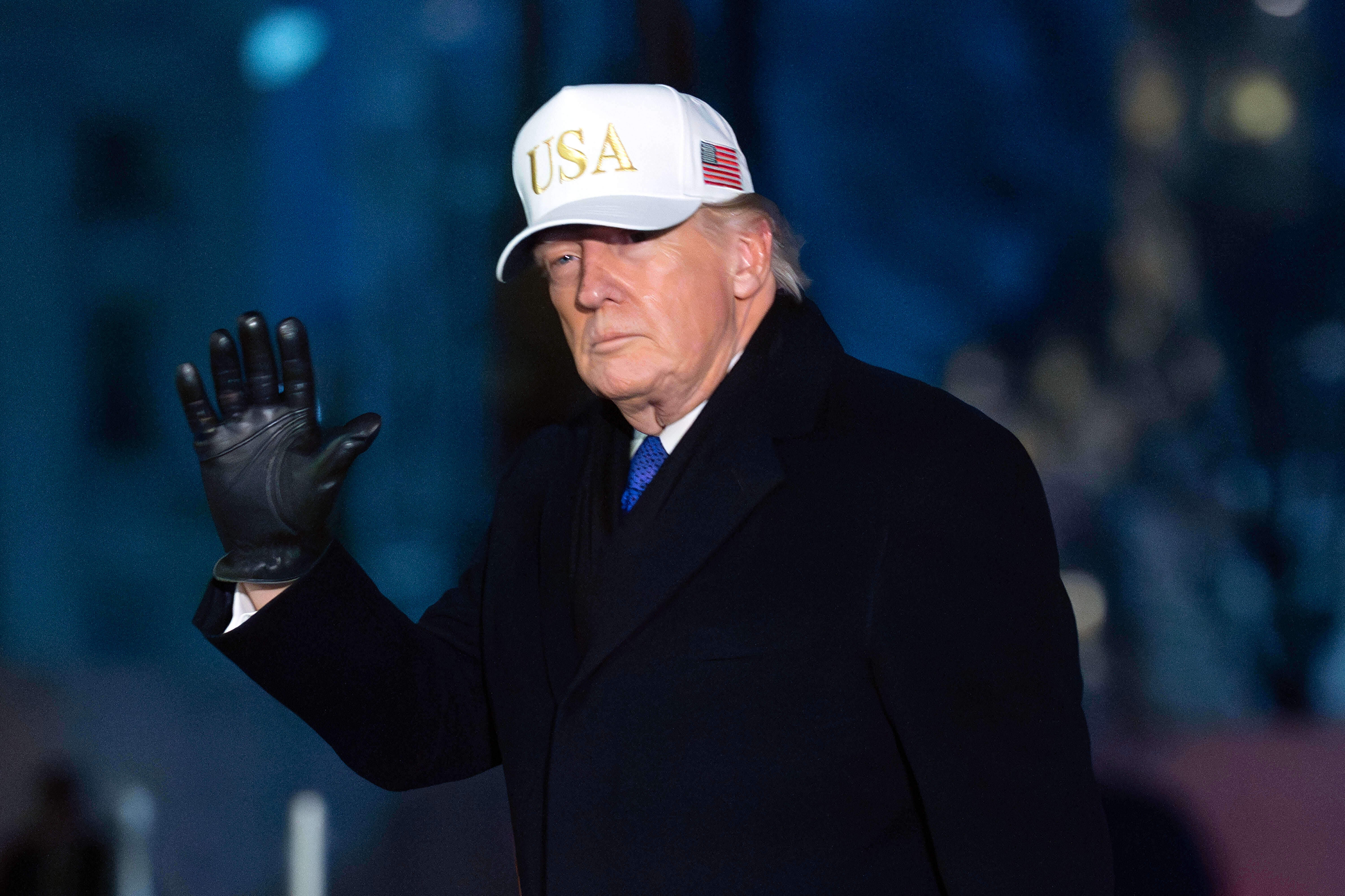
The US president has demanded three conditions for resuming talks, according to Iranian sources. These include zero enrichment of uranium in Iran, limits on Tehran's ballistic missile programme and ending its support for regional proxies.
Tehran has previously rejected these demands as unacceptable impediments on its sovereignty, but Iranian officials have suggested that the regime’s clerical rulers see limits on the ballistic missile programme, rather than uranium enrichment, as a bigger obstacle.
“We have talks going on with Iran, we’ll see how it all works out,” Trump told reporters in the Oval Office on Monday.
He did not elaborate when asked what his threshold was for military action against Iran was
“I’d like to see a deal negotiated. Right now, we’re talking to them, we’re talking to Iran, and if we could work something out, that’d be great. And if we can’t, probably bad things would happen,” he added.
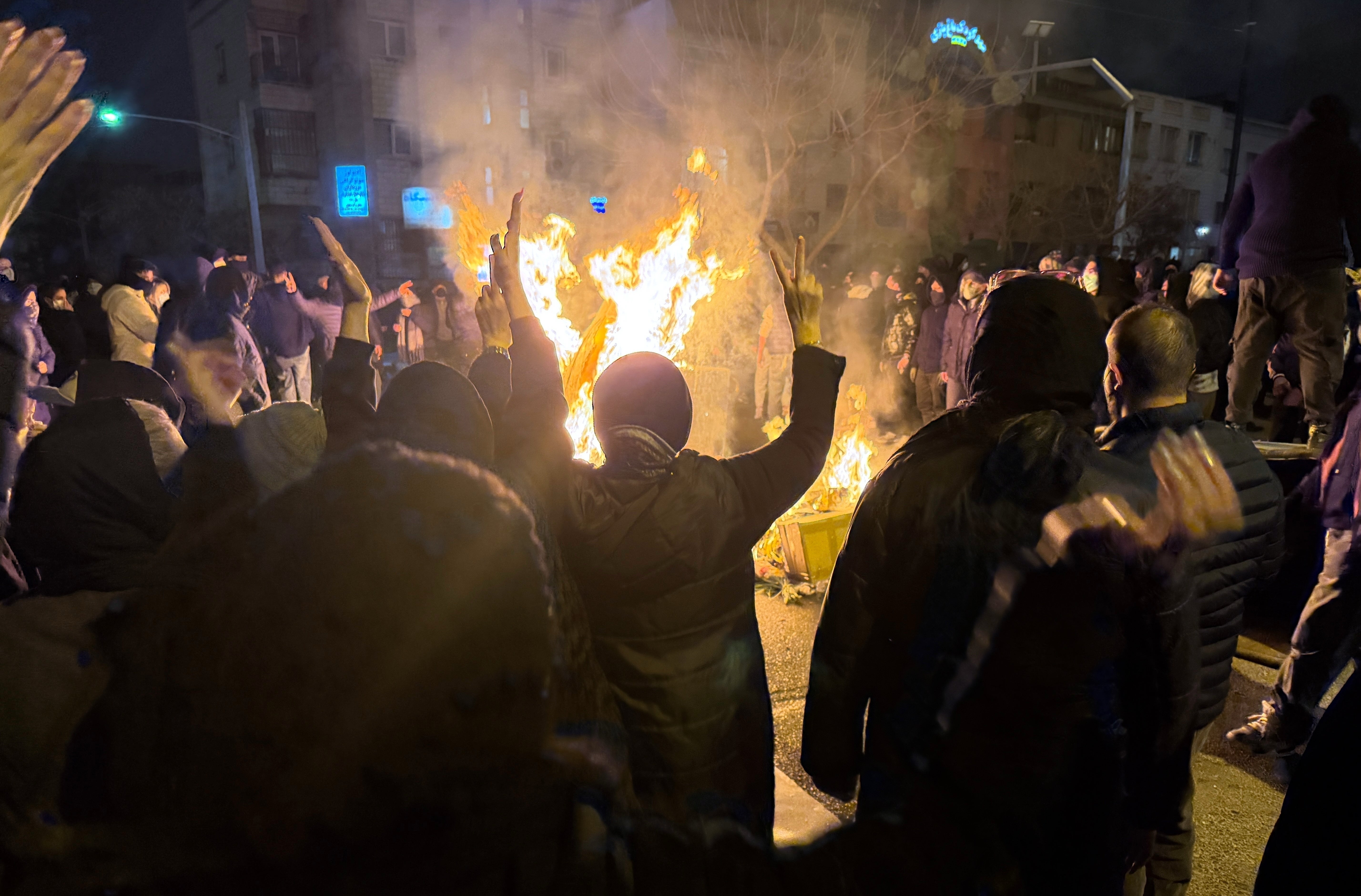
Tehran may feel under pressure to agree a deal with Washington, amid fears within the regime that a US strike could drive an enraged population to once again take to the streets, despite the scale and severity of January’s crackdown, which some estimates suggest saw up to 30,000 killed.
In high-level meetings, officials told Khamenei that public anger over last month's crackdown - the bloodiest since the 1979 Islamic Revolution-- has reached a point where fear is no longer a deterrent, four current officials briefed on the discussions told the Reuters news agency.
It is unclear whether US special envoy Steve Witkoff – who is in the region this week ahead of expected meetings with Israeli prime minister Benjamin Netanyahu, the head of the Mossad intelligence service and the Israeli military's chief of staff – will join the Iran talks.
Later this week, he is due to travel to UAE capital Abu Dhabi for further talks on the Russia-Ukraine war.
Bookmark popover
Removed from bookmarks