Uranium enrichment ‘a question of national pride’, says Iran’s foreign minister
Tehran can’t abandon its enrichment programme, he says
Iran's Foreign Minister Abbas Araghchi says that Tehran cannot abandon its uranium enrichment programme, which was seriously damaged in June’s conflict with Israel.
The declaration follows five rounds of nuclear talks between Tehran and Washington, mediated by Oman, which failed to agree on the extent of Iran's enrichment.
While Israel and Washington claim Iran was close to levels for rapid nuclear weapon production, Tehran insists its programme is for civilian purposes.
“It is stopped because, yes, damages are serious and severe,” Mr Araghchi said on the Fox News show Special Report with Bret Baier on Monday.
“But obviously we cannot give up (on) enrichment because it is an achievement of our own scientists. And now, more than that, it is a question of national pride.”
The foreign minister said the damage to the Iranian nuclear facilities after US and Israeli strikes is being evaluated further.

Israel targeted some of Iran’s key nuclear facilities – Natanz, Isfahan and Fordow – and killed several Iranian nuclear scientists in the strikes.
The facilities are heavily fortified and largely underground.
Natanz and Fordow are Iran’s uranium enrichment sites, and Isfahan provides the raw materials.
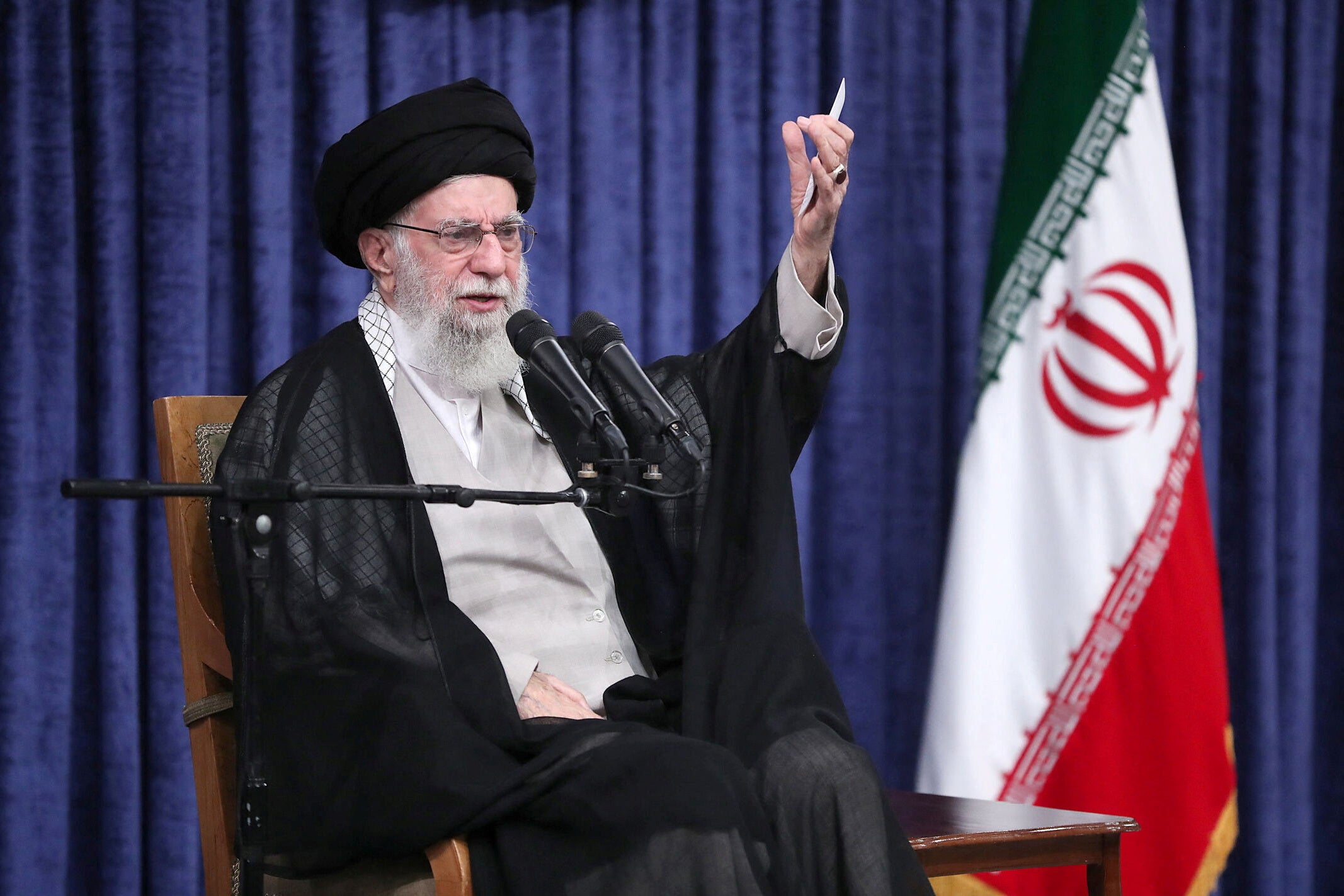
Mr Araghchi also said that Iran's Supreme Leader Ayatollah Ali Khamenei is in "good health" and that Tehran is open to talks with Washington but that those will not be direct "for the time being".
Israel attacked Iran on 13 June and the Middle Eastern rivals then engaged in an air war for 12 days, in which Washington also bombed Iran's nuclear facilities. A ceasefire was reached in late June.
Iran is a party to the Nuclear Non-Proliferation Treaty, while Israel is not.
The UN nuclear watchdog says it has "no credible indication" of an active, coordinated weapons program in Iran. Tehran maintains its nuclear programme is solely meant for civilian purposes.
Israel is the only Middle Eastern country believed to have nuclear weapons and said its war against Iran aimed to prevent Tehran from developing its own nuclear weapons.
Join our commenting forum
Join thought-provoking conversations, follow other Independent readers and see their replies
Comments
Bookmark popover
Removed from bookmarks