Silenced by shutdown: Iranians abroad wait in fear after protests turn deadly
Families with loved ones in Iran experience an excruciating wait for news following the regime’s total internet blackout after the brutal crackdown of protests across the country. Caspar Barnes and Moha Tahery report
For more than two weeks, British-Iranian NHS doctor Nima Ghadiri has looked wearily at the undelivered messages on his phone to his loved ones in Iran. The 41-year-old has uncles, aunts and young cousins spread across the country’s two largest cities, Tehran and Isfahan.
Sitting inside the whitewashed walls of his clinic at Royal Liverpool University Hospital, Dr Ghadiri glances at his phone again. He checks WhatsApp, Signal and Instant Messenger. Still nothing.
On 8 January, at around 8.30pm local time, the Islamic Republic of Iran turned off all internet and mobile signals in the country and blocked signals coming in from abroad.
According to human rights organisations, including Amnesty International, the internet blackout was an attempt by the Iranian leadership to cover up the massacres that took place across 8-9 January in the crackdown against anti-government protesters.
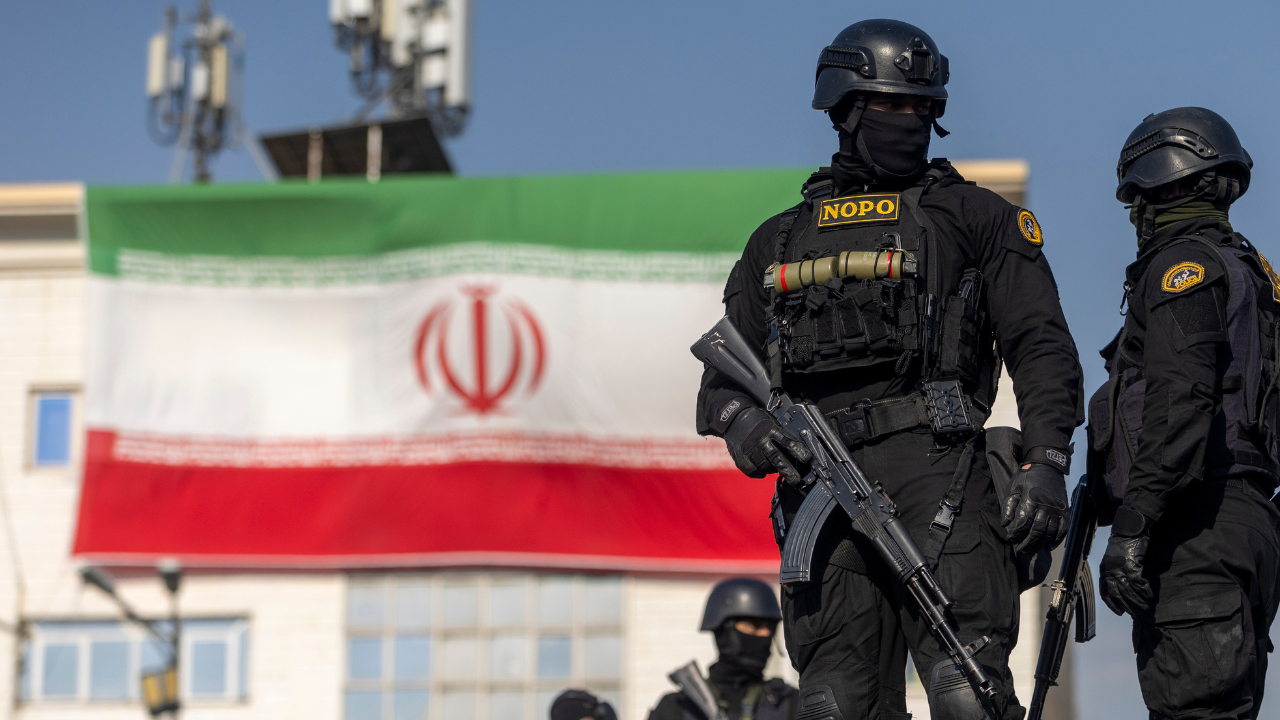
Due in part to the internet shutdown, it is impossible to accurately estimate the number of dead, but Iran’s supreme leader, Ayatollah Ali Khamenei, finally admitted in a speech on Saturday that “several thousand” protesters had been killed.
However, according to medical reports collected by The Sunday Times from hospitals in Iran, at least 16,500-18,000 people have died so far – with a further 330,000-360,000 reportedly injured.
When information has been successfully smuggled out of the country, either over the border or via satellite internet, it is rarely good news.
“My cousin’s wife got shot and died,” Dan Vahdat, a healthcare CEO, tells The Independent from his company’s office in London.
“She’s like 30 years old. Young. What do you do with that? And what’s the crime? Nothing. Just walking in the street peacefully.”

Psychotherapist Shirin Amani Azari was born in Tehran but now lives in London. She has been counselling young Iranians ever since the “Women, Life, Freedom” movement in 2022. That protest was sparked by the police killing of a 22-year-old woman, Mahsa Amini, who was arrested for failing to wear a hijab properly.
Ms Azari fears for the lives of many of the people she works with: “They know that leaving their homes to go out and chant and protest, you may not come back again.”
Before the blackout, the psychotherapist would usually complete her counselling sessions over a special landline; her clients do not trust video conferencing software, fearing it might be monitored by the regime.
It is anyone’s guess when Ms Azari will be able to start offering sessions again, and how many of her clients are still alive. What is certain is that many survivors of this violent episode in Iran’s history will need serious psychological support.
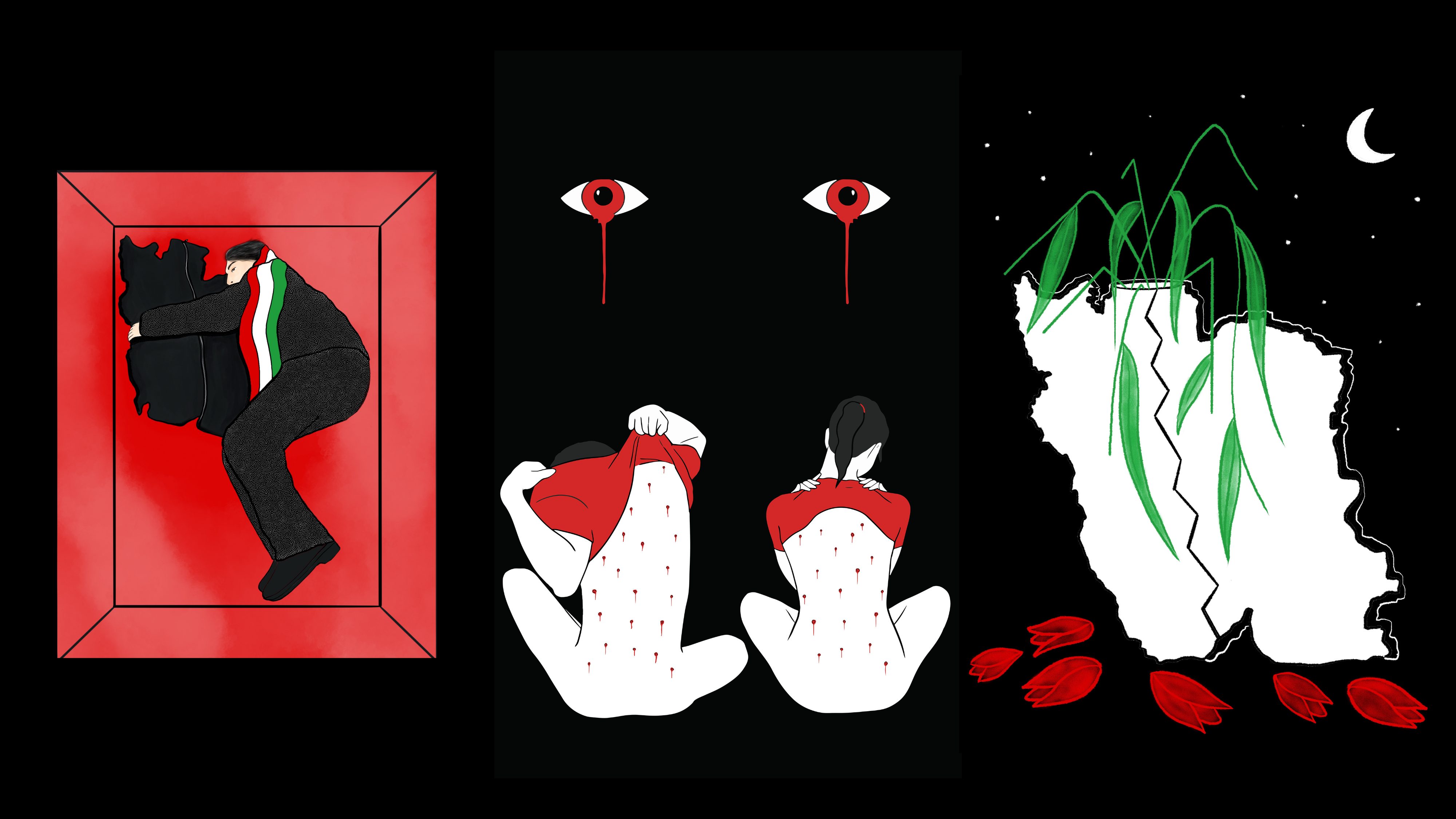
For British-Iranian illustrator Roshi Rouzbehani, almost all of her family members and friends still live in Iran. Before the blackout, she would speak with her mother every day, and checking in on each other was an important daily ritual. When the internet and phone services were cut off, there was no way to get in touch.
“Even in normal circumstances, that kind of silence is hard, but when you are terrified, not knowing whether your loved ones are alive or dead, it becomes unbearable,” Ms Rouzbehani says.
As those days of silence stretched into a week, anxiety started to seep into every part of her life. She had nightmares and couldn’t focus.
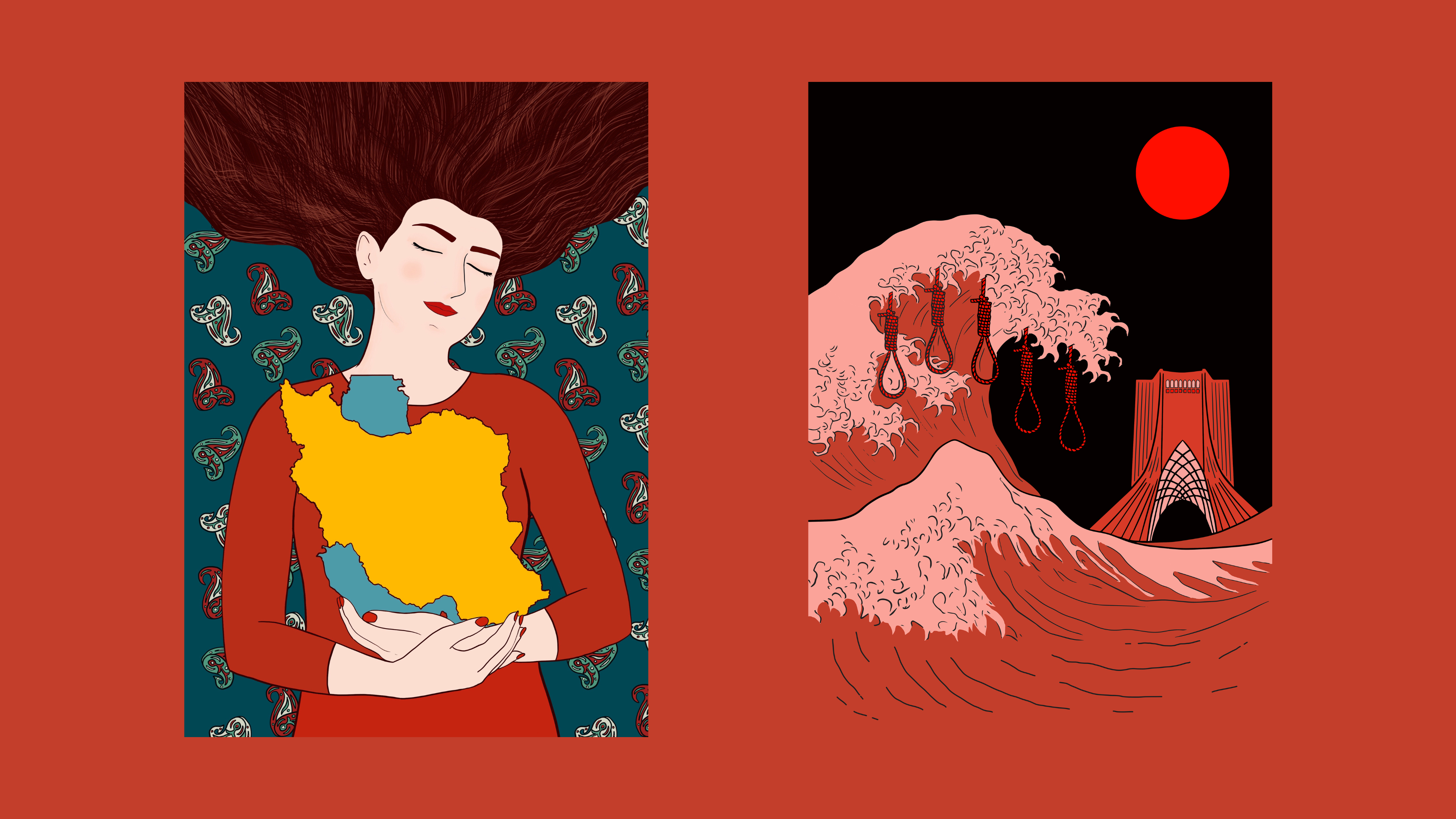
“It felt impossible to separate my personal life from what was unfolding in Iran,” she explains. The only way she felt she could respond was through her work. She would pen illustrations and share them on social media in an attempt to raise awareness and “keep the focus” on Iran when so much was being silenced.
After several days of radio silence, her mother was finally able to call directly and deliver the news that no one in her close circle had been killed or injured. Another family member, who had been visiting from Germany, said they had never witnessed such brutality towards protesters.
“The blackout is experienced as part of the violence,” says Dr Hossein Dabbagh, an assistant professor in philosophy at Northeastern University with relatives in Iran. The internet shutdown isolates people, blocks any help from coming in, and forces families to assume the worst.
Dr Dabbagh does hold out hope. Yes, fear can empty streets, and a blackout can reduce visibility, but in the long run, this strategy is self-defeating, he suggests, because fear highlights that the regime cannot govern by consent.
“That gap between control and legitimacy keeps returning, and each crackdown tends to widen,” he adds.
For now, the Iranian regime shows little sign of letting up. A heavy military and security presence has been reported in towns and cities where protests took place.
Eyewitness reports describe how security forces are raiding hospitals to apprehend and arrest wounded protesters. Online activity on Monday suggests the regime is testing a more heavily filtered internet – according to watchdog NetBlocks – as any external influence is deemed a threat by Ali Khamenei.
Anti-regime activists are now lobbying the Trump administration to allow US satellite internet over Iran. But many Iranians, including Dr Ghadiri, are afraid of what they will be met with, if and when information is freely able to get out of Iran.
And, even if the millions of blocked messages are one day delivered, thousands of people will no longer be around to read them.
Join our commenting forum
Join thought-provoking conversations, follow other Independent readers and see their replies
Comments
Bookmark popover
Removed from bookmarks