Trump heralded his ‘ceasefire’ in Gaza as the dawn of new era – but the slaughter continues
Families are being bombed, babies are dying of cold and phase two of the talks hasn’t gone anywhere – we need a genuine and meaningful ceasefire, Bel Trew writes
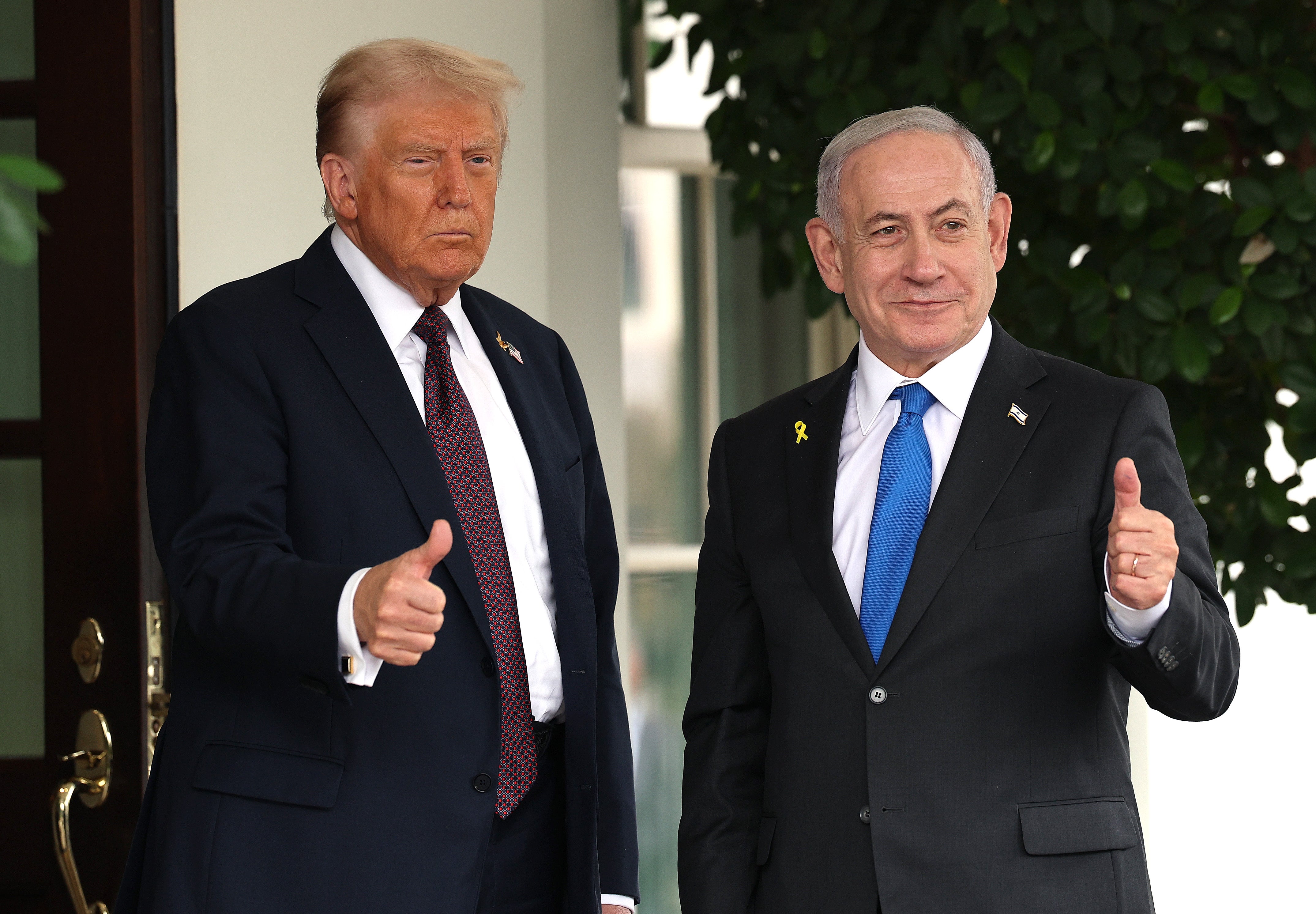
Donald Trump heralded his 20-point peace plan as the dawn of a new era for peace in the Middle East.
Yet since a ceasefire came into effect on 10 October, more than 400 people in Gaza have been killed in Israeli strikes, according to the Palestinian health ministry. Israel accuses Hamas of violating the ceasefire as well, including being behind IED explosions used against its soldiers.
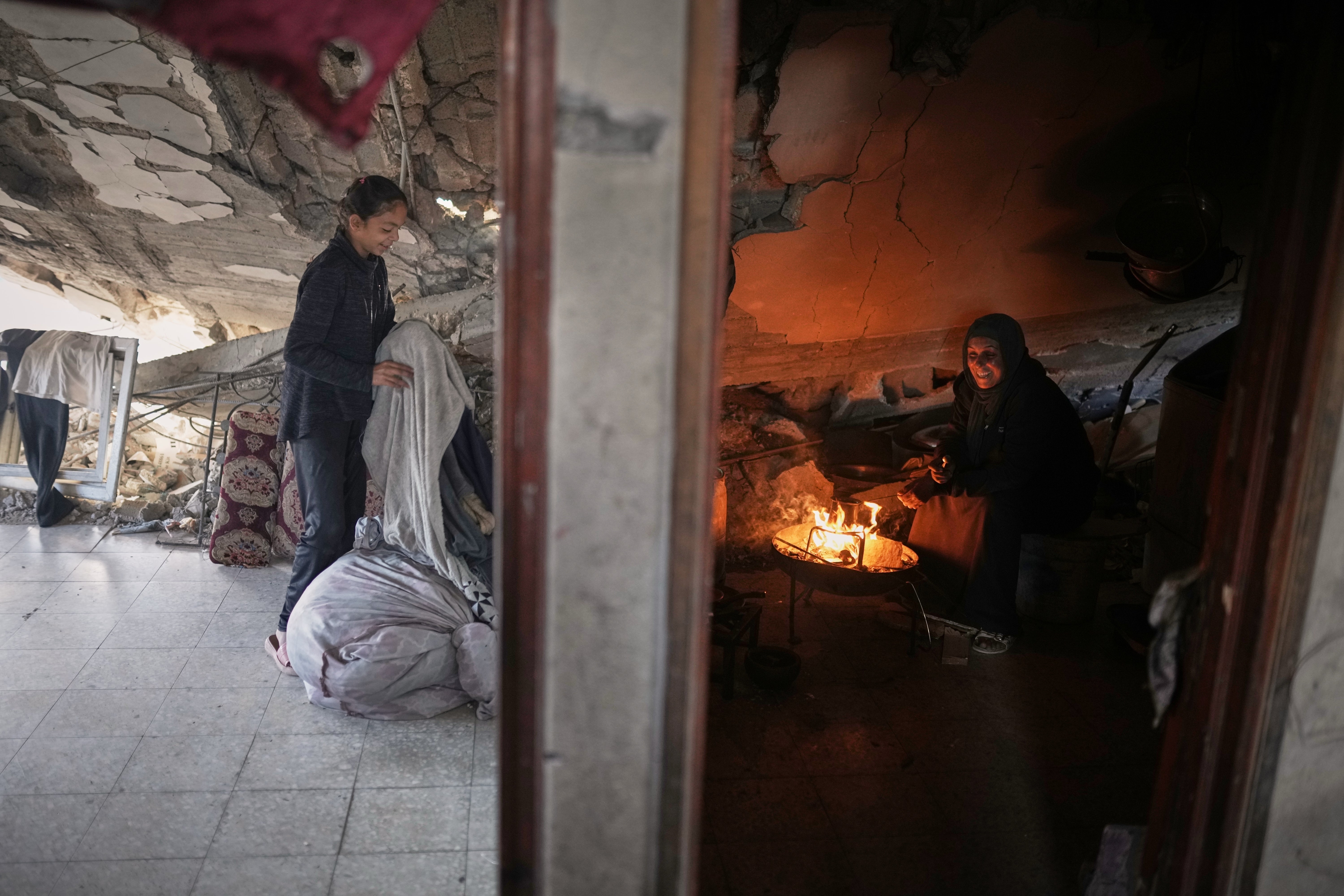
The United Nations last week confirmed the death of a two-week-old Palestinian baby from Khan Younis, in what it says is the first hypothermia-related death. The Palestinian health ministry says over a dozen people have now died as a result of extreme cold, as winter has set in.
More than 90 per cent of Gaza’s 2.3 million residents remain displaced, most living in tents and exposed to flooding and freezing temperatures.
And despite the global hunger monitor stating that Gaza is no longer technically in famine because of the entry of additional aid, humanitarian organisations say it is not nearly enough.
In reality, the initial stage of the deal Trump has so heralded is teetering on a knife edge before talks between the warring parties about phase two have even started.
The dawn of peace in the region is very far away. How can the critical points of phase two be hammered out when phase one is floundering and with both sides accusing each other of serious violations?
There has been little to no movement. Last week, Trump’s Middle East envoy Steve Witkoff reportedly hosted senior officials from across the region, including Qatar, Egypt and Turkey, in Miami, Florida. These negotiations were supposed to review the implementation of the second stage but, so far, no concrete steps have been taken.
In the Trump plan, phase two was supposed to include the deployment of an international security force, the establishment of an internationally supervised technocratic governing body for Gaza, the disarmament of Hamas militants, and further Israeli troop withdrawals.
But all this process is to be overseen by a so-called “Board of Peace” chaired by President Trump. It’s unclear who will be on that board or the executive council immediately under it. Tony Blair was slated as a key participant, but earlier this month was reportedly ruled out of running it.
Other names I’ve heard floated include Egyptian real estate billionaire Naguib Sawiris, which is perhaps an indication of the priorities of these institutions.
Phase two only addresses the basic “day after” temporary structures for Gaza. It doesn’t even tackle the difficult generation-long battles of Palestinian self-determination, of accountability and justice.
The peace plan doesn’t mention the West Bank, which, since Hamas’s deadly 7 October attacks two years ago, has witnessed its bloodiest period since Israel first occupied the territory in 1967, according to rights groups.
There are also concerns about some of the mechanisms that have been partly established.
Right now, there is a proposed joint international command centre, reportedly based in a warehouse in Israel. From what I understand, it was supposed to be a place to monitor the ceasefire and aid flows and to generate ideas for the deal.
It was initially welcomed by multiple stakeholders. In practice, I’ve been told it has become something of an embarrassment. Nothing is happening, and nothing is moving forward.
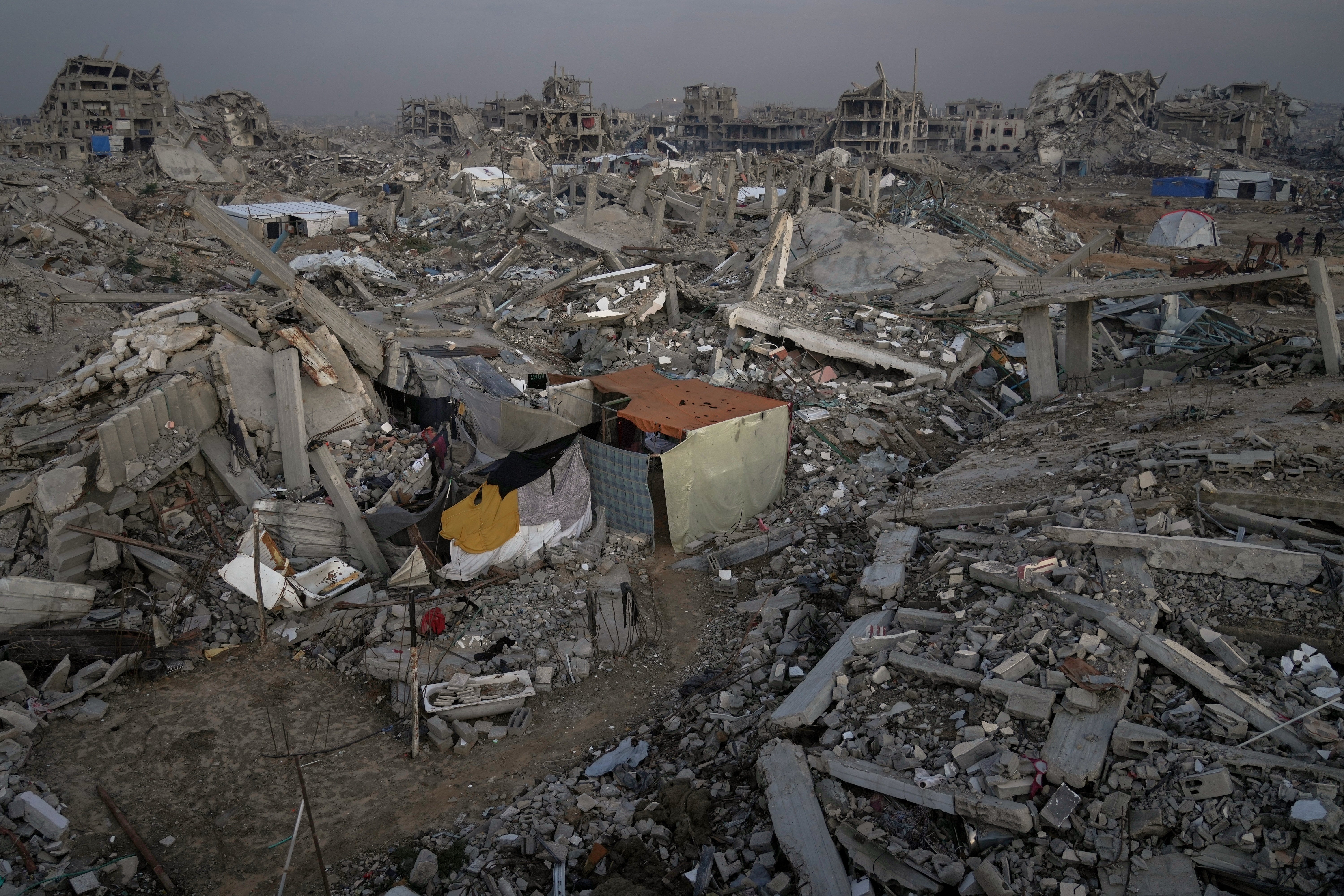
Concerns are also growing about the underlying motives of all sides. Diplomatic and humanitarian sources fear that Israel is constructing a permanent boots-on-the-ground buffer zone kilometres into Gaza, where it continues to raze neighbourhoods and maintain a ground presence.
This week, Israeli defence minister Israel Katz, speaking at a settlement in the Israeli-occupied West Bank, said the Israeli military would never leave all of Gaza. He said they planned to station a type of unit – Nahal – that has historically played a role in establishing Israeli communities, including settlements which are illegal under international law.
He later distanced himself from the alarming comments, saying Israel has no interest in developing settlements in Gaza, but Hamas has said it is a clear violation of the ceasefire.
There are also concerns that instead of there being a genuinely international, Palestinian-led administration to help with the transition of Gaza, a reconstituted version of Cogat is being developed to operate within the territory.
Cogat is the Israeli military unit responsible for coordinating civilian affairs with Palestinians, like, for example, the entry of aid, which has been intermittently fully and partially strangled over the last two years.
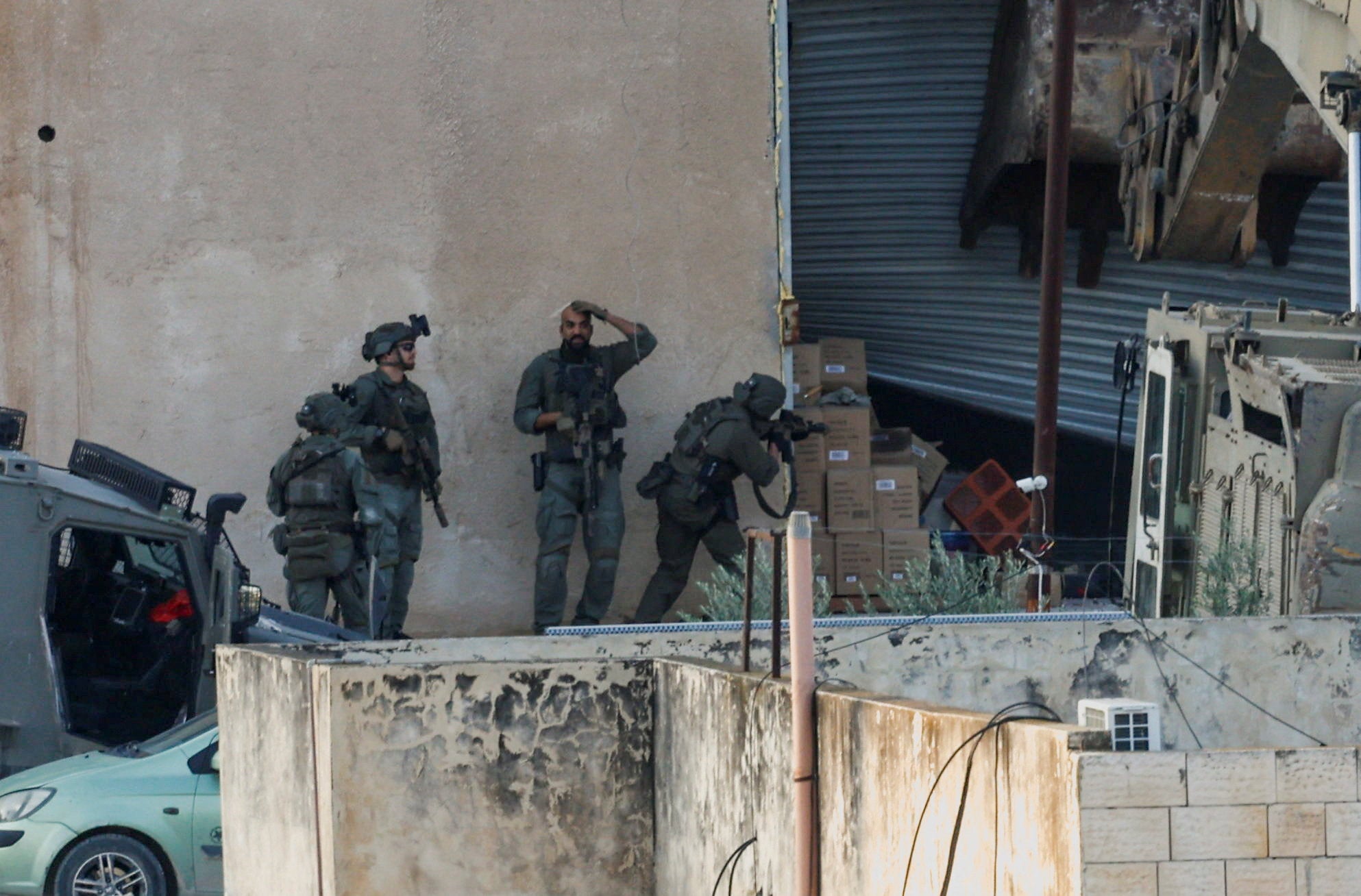
Israel has repeatedly denied any nebulous intentions, as it has also denied violating ceasefires, or committing any crimes intentionally or being responsible for genocide in Gaza (an accusation levelled at the country by the UN commission of inquiry).
There are also concerns from Israel's side that Hamas has no interest in disarming or disbanding. Meanwhile, the violence is soaring in the occupied West Bank, settlement expansion is booming, and the displacement of Palestinians by Israelis continues.
Obviously, a 20-point PDF is not going to be enough to solve the Gordian knot of this conflict. Especially when slaughter continues, the tough issues like Palestinian self-determination aren’t on the table, and key elements of its early phases are being trampled on.
There needs to be an immediate and serious joint effort to put in place – and hold – a genuine and meaningful ceasefire, and start the long journey to true peace and justice.
Join our commenting forum
Join thought-provoking conversations, follow other Independent readers and see their replies
Comments
Bookmark popover
Removed from bookmarks