Scientists to get closest look yet at mysterious object as it blasts past Mars
The interstellar object will hurtle within 18 million miles (29 million kilometres) of the Red Planet
A rare visitor from beyond our solar system, comet 3I/Atlas, is poised to make a dramatic close approach to Mars this Friday, as a fleet of spacecraft trains its sights on the interstellar visitor.
The interstellar object will hurtle within 18 million miles (29 million kilometres) of the Red Planet, marking its nearest pass during its journey through the inner solar system at a staggering speed of 193,000 mph (310,000 kph).
Both of the European Space Agency's satellites orbiting Mars have already begun training their cameras on the comet, which is only the third interstellar object known to have traversed our cosmic neighbourhood.
NASA's satellites and rovers stationed on Mars are also prepared to contribute to the extensive observations.
Discovered in July, the comet poses no threat to Earth or its planetary neighbours. It is expected to reach its closest point to the sun by the end of October.
Throughout November, the ESA's Juice spacecraft, currently en route to Jupiter and its icy moons, will continue to monitor the comet.
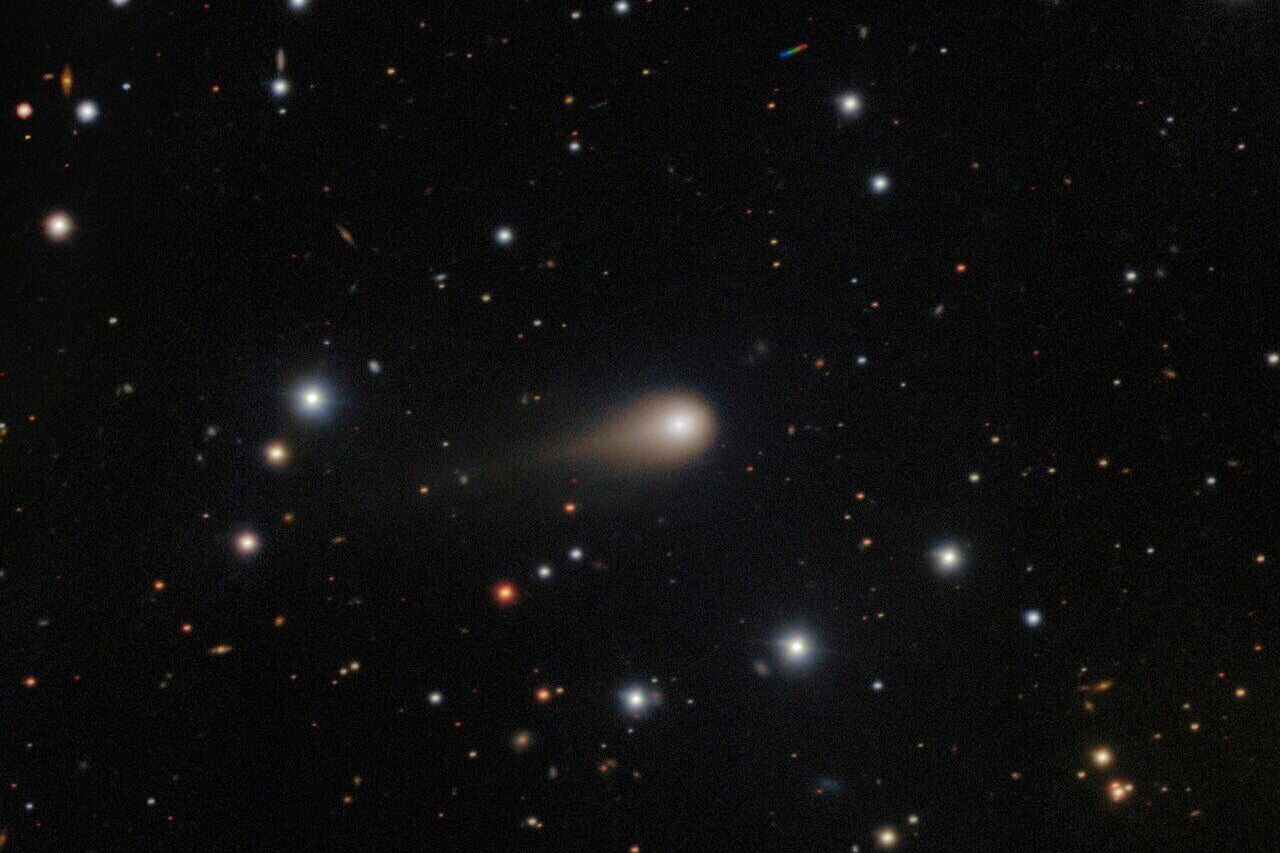
Its closest approach to Earth will occur in December, passing at a distance of 167 million miles (269 million kilometres).
Observations by the Hubble Space Telescope suggest the comet's nucleus measures no more than 3.5 miles (5.6 kilometres) across, with NASA indicating it could be as small as 1,444 feet (440 metres).
Join our commenting forum
Join thought-provoking conversations, follow other Independent readers and see their replies
Comments
Bookmark popover
Removed from bookmarks