What the Africa Cup of Nations tells us about Morocco’s ability to host 2030 World Cup
Morocco hosted the Africa Cup of Nations, and it is set to co-host the 2030 World Cup alongside Portugal and Spain
Morocco’s successful staging of the Africa Cup of Nations has bolstered its bid to co-host the 2030 World Cup alongside Portugal and Spain, despite a controversial final marred by a walk-off and a home team defeat.
The smooth running of the 24-team tournament, underpinned by impressive stadiums, efficient transport, and robust tourism infrastructure, should allay any lingering doubts about the North African nation’s capacity for the global spectacle in four years’ time.
The kingdom plans to utilise six venues for the 2030 World Cup, five of which were used during the Cup of Nations.
These facilities offered world-class playing surfaces and a spectacular backdrop. The 75,000-capacity Grande Stade in Tangier, a northern coastal city, is notably less than an hour’s ferry ride from Spain.
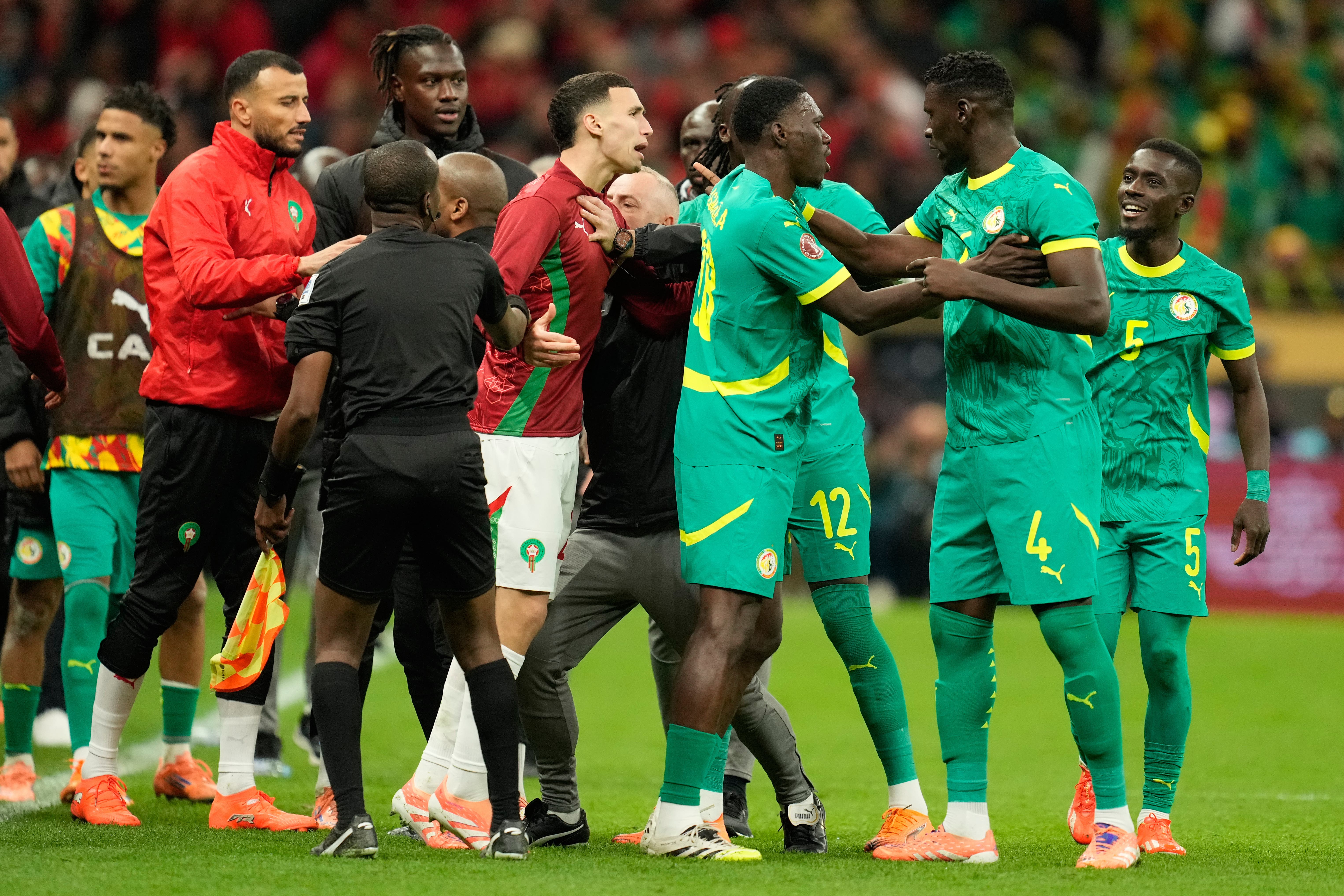
The tournament culminated in a dramatic final, with Senegal edging Morocco 1-0 after extra time.
The match was overshadowed by Senegal’s walk-off when a penalty was awarded against them in stoppage time at the end of 90 minutes.
Morocco's Brahim Diaz missed the spot kick, and Pape Gueye scored the winner for Senegal. The final, held at the Stade Moulay Abdellah in Rabat with a capacity of 69,500, saw an attendance of 66,526.
Other stadiums in Agadir, Fes, and Marrakech also proved more than adequate and are slated for renovation.
The proposed 115,000-capacity Stade Hassan II on the outskirts of Casablanca is a centrepiece of Morocco’s ambitious plans, with hopes it will host the World Cup final over Madrid’s Santiago Bernabeu Stadium.
The nation is committing $1.4 billion to its six stadiums, alongside extensive airport investment, with ten Moroccan cities already offering direct air links to Europe.
Further infrastructure development includes an extension of Africa’s only high-speed rail service, which already connects Tangier to Casablanca, southwards to Agadir and Marrakech.
While these monumental projects aim to modernise cities and stimulate economic growth, they have faced internal challenges.
Youth-led unrest last September exposed deep-seated public anger over poverty and public services, occurring amidst these ambitious infrastructure developments.
The protests highlighted a significant challenge for authorities: balancing order and economic progress with burnishing Morocco's international image ahead of the World Cup.
Morocco has distinguished itself among non-oil Arab economies by channelling billions into roads, rail, ports, renewable energy, and manufacturing.
Although the country's statistics agency reports a near halving of poverty, protesters demanded greater investment in healthcare and education, famously chanting: "Stadiums are here, but where are the hospitals?"
On the sporting front, Morocco harbours aspirations of becoming the first African nation to win the World Cup.
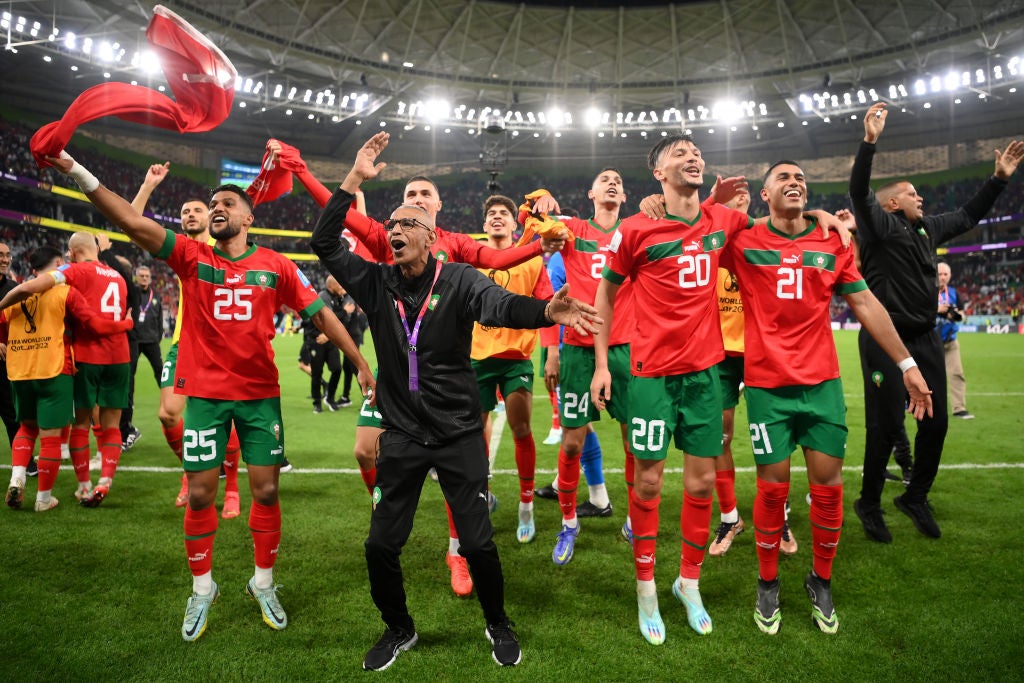
They failed to end their 50-year wait for an Afcon title in Sunday’s final but did make the World Cup semi-finals back in 2022.
They will hope for a similar impact at this year's finals in North America, after being drawn in Group C alongside Brazil, Scotland, and Haiti.
Join our commenting forum
Join thought-provoking conversations, follow other Independent readers and see their replies
Comments
Bookmark popover
Removed from bookmarks