The important lessons men should learn from the Women’s Rugby World Cup
The World cup crowds have exceeded all expectations and drawn a new and diverse audience to the game, writes Harry Latham-Coyle

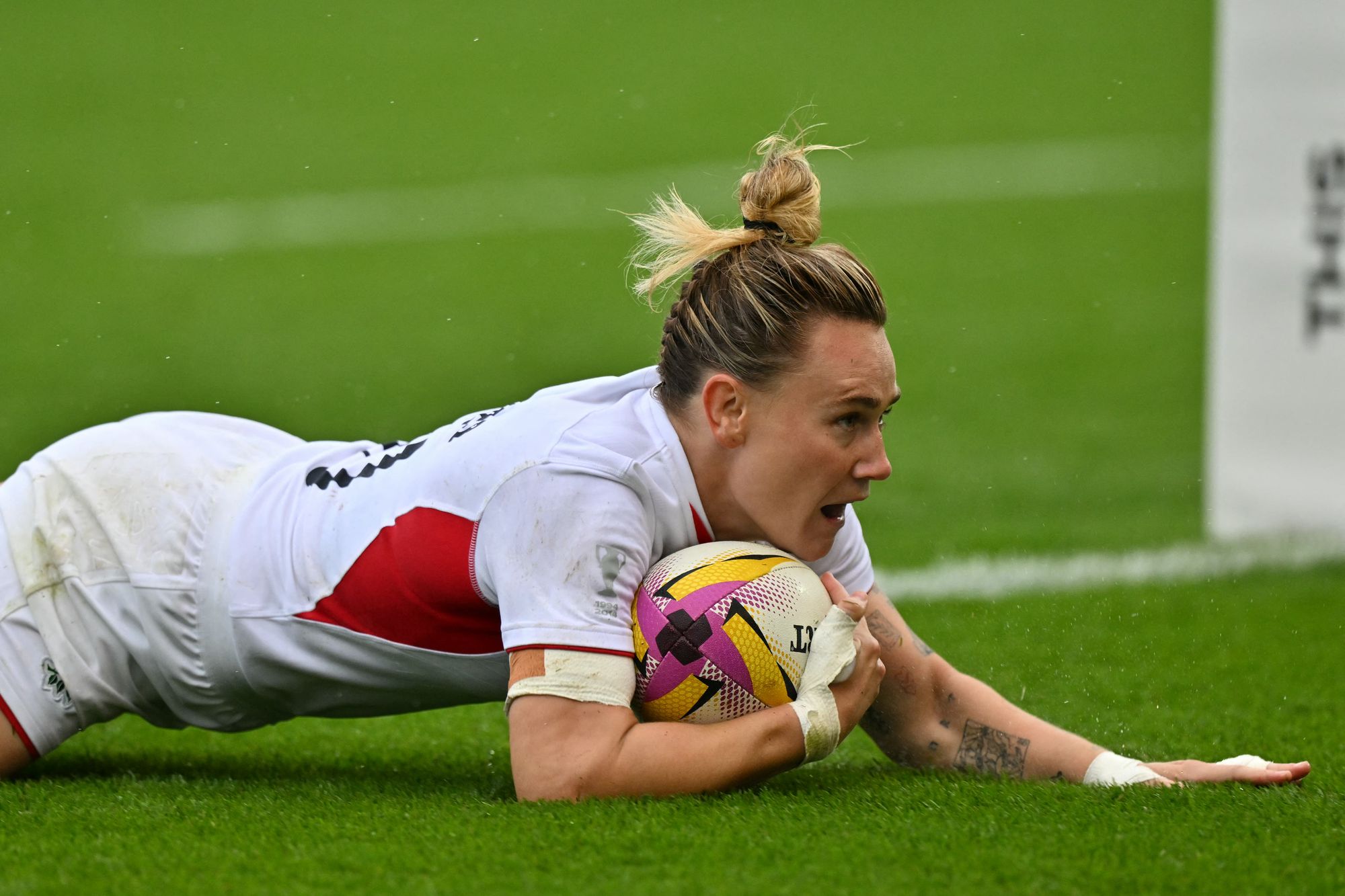
The Rising Sun sits just a weak toss of a stone from Ashton Gate, a proper pub inundated with football fans on a Bristol City matchday given its proximity to their home. On the outside wall sits a mural depicting former club captains Louis Carey and Geoff Merrick, part of a collection of famous faces that adorn the surfaces along Ashton Road proudly and prominently.
Had you visited the Rising Sun last weekend, though, you’d have seen painted faces of a different kind. Indeed, one had to be careful to avoid a brush with a volunteer diligently decorating the rugby fans making their way in to watch the second Women’s World Cup semi-final between England and France, just a few flecks of bleu in among the red and white. Perhaps indicative, too, of a slightly less boozy culture is that when a fellow journalist asked for a zero-alcohol version of a popular stout, they were informed that the venue had sold-out their entire stock on the evening of the semi-final between Canada and New Zealand a day prior.
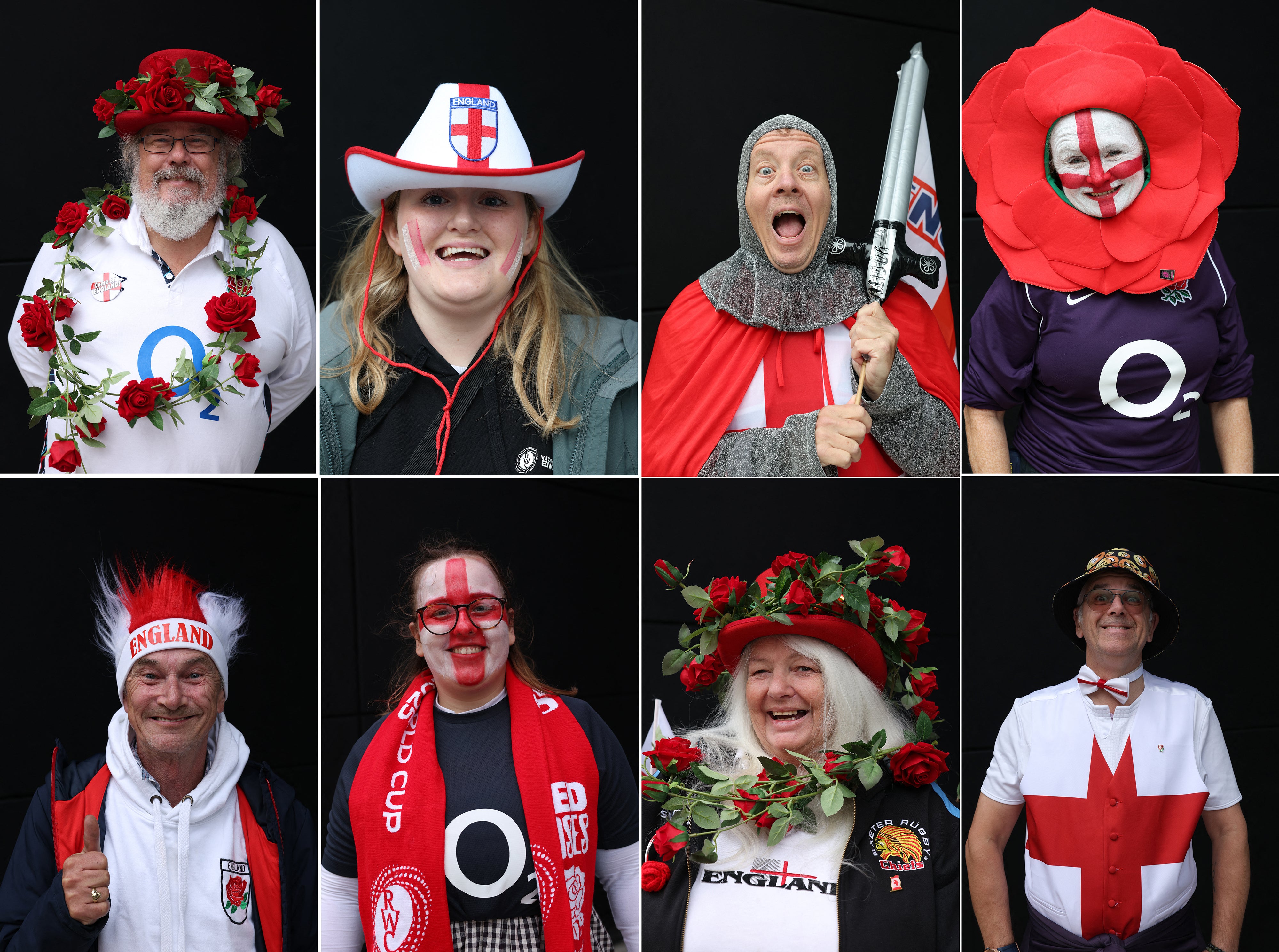
Of course, Bristol is just as much a rugby city as football but that sort of festival feel has been carried throughout a World Cup that has shown the changing faces of rugby fandom. From the moment England’s Red Roses took over Sunderland, the fans have come, with almost the games smashing attendance records and the targets of the organisers. They have been a different sort of rugby audience, too – the stereotype of all rugby fans being individuals with faces ruddy and chinos ruddier does not stand up to scrutiny but the experience when covering the Red Roses can be a welcome alternative to men’s match days, with more families, more diversity and more youth.
“It’s so important,” England flanker Sadia Kabeya explains. “We have such a diverse fanbase. To go to games, look into the crowd and see small families, people of different cultural backgrounds, old and young, it’s amazing.
“I didn’t grow up playing or watching rugby. To come into a sport where you feel so accepted because of the crowd and fans is amazing. It’s huge in terms of making it a sport that sees everyone. Anyone can play the sport – and if you look at our fanbase, it reflects that. I think it is a huge selling point between the men’s and women’s game.”


The flutter of England flags has not exactly served as a harbinger of inclusivity of late but follow the red and white flashes to a rugby ground around the country and one will find an altogether more welcoming atmosphere.
It helps, of course, that tickets are significantly cheaper than for equivalent men’s games; a family of four could have attended the opener at the Stadium of Light for £30, while 60 per cent of tickets were priced at under £25. Around 100,000 more tickets have been sold than the tournament organisers’ original objective, aided by the fact that, by World Rugby's calculations, 95 per cent of the English population are within two hours travel of a tournament venue. Thirty per cent of attendees across the first two rounds of the competition had not been to a rugby match before.
While they return to the home of English rugby for the final, being a travelling team has worked in the Red Roses’ favour. Economically, it does not make any sense to take the senior men’s side away from their southwest London home – match days at Twickenham drive 85 per cent of the Rugby Football Union's revenues – but the same has not been true of their women, who have played just about everywhere over the last few years.
Clearly, they will use Allianz Stadium more and more on the back of this World Cup after a sold-out final, with a fixture at the ground next September or October in the works to follow the Women’s Six Nations clash with Ireland on 11 April.
The broader impact of bringing more women, girls and diverse communities into the sport is significant, too. At the recreational level, adult male player numbers are falling, but, as RFU chief executive Bill Sweeney is fond of remarking, the clubs remaining strongest are those with successful women’s and girls sections.
A significant portion of the £12.13m in funding for the Impact ’25 programme that the RFU are delivering in partnership with UK Sport as the legacy piece of this World Cup is being used to upgrade club facilities throughout the country to make them more welcoming for females.
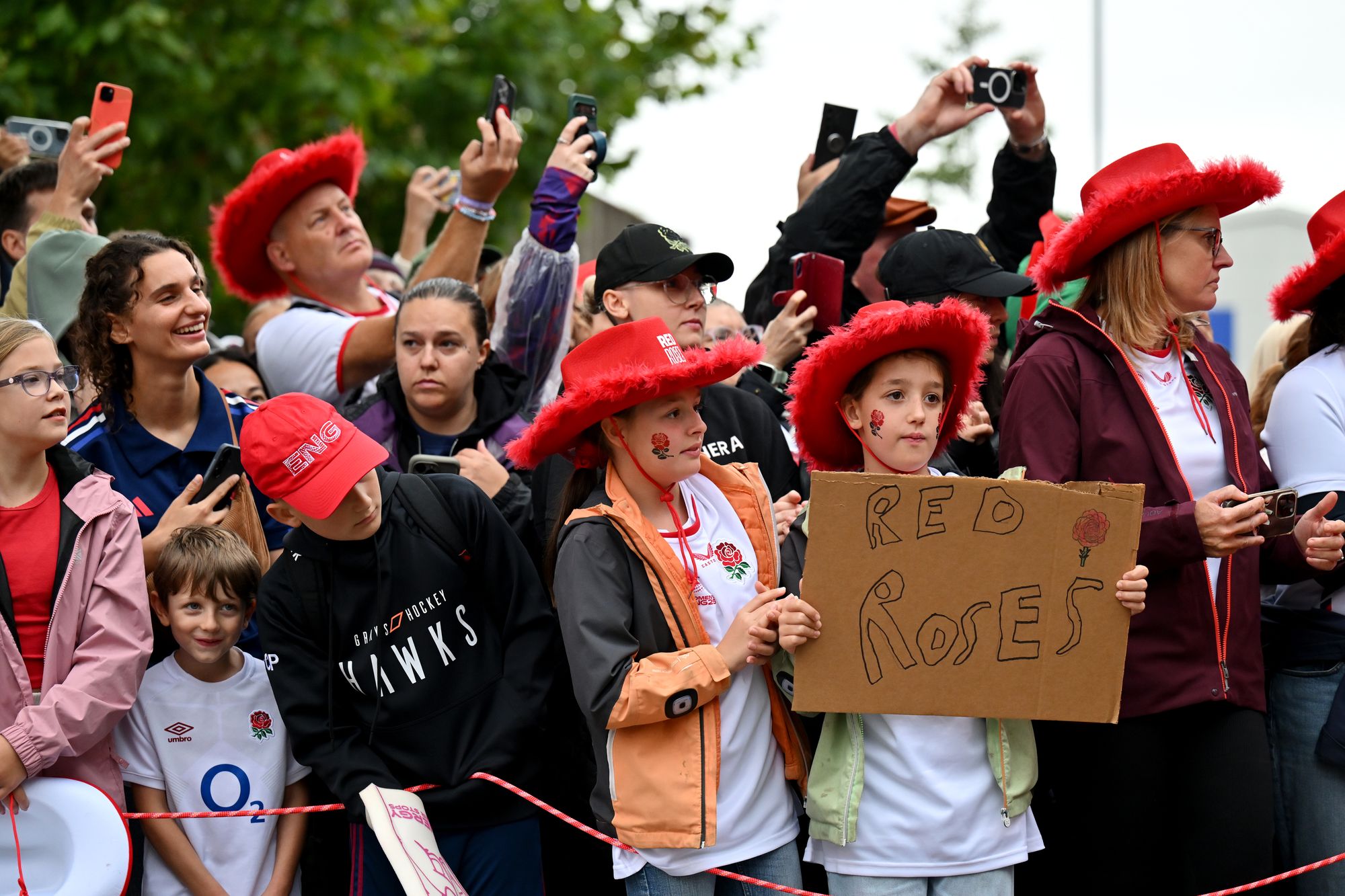
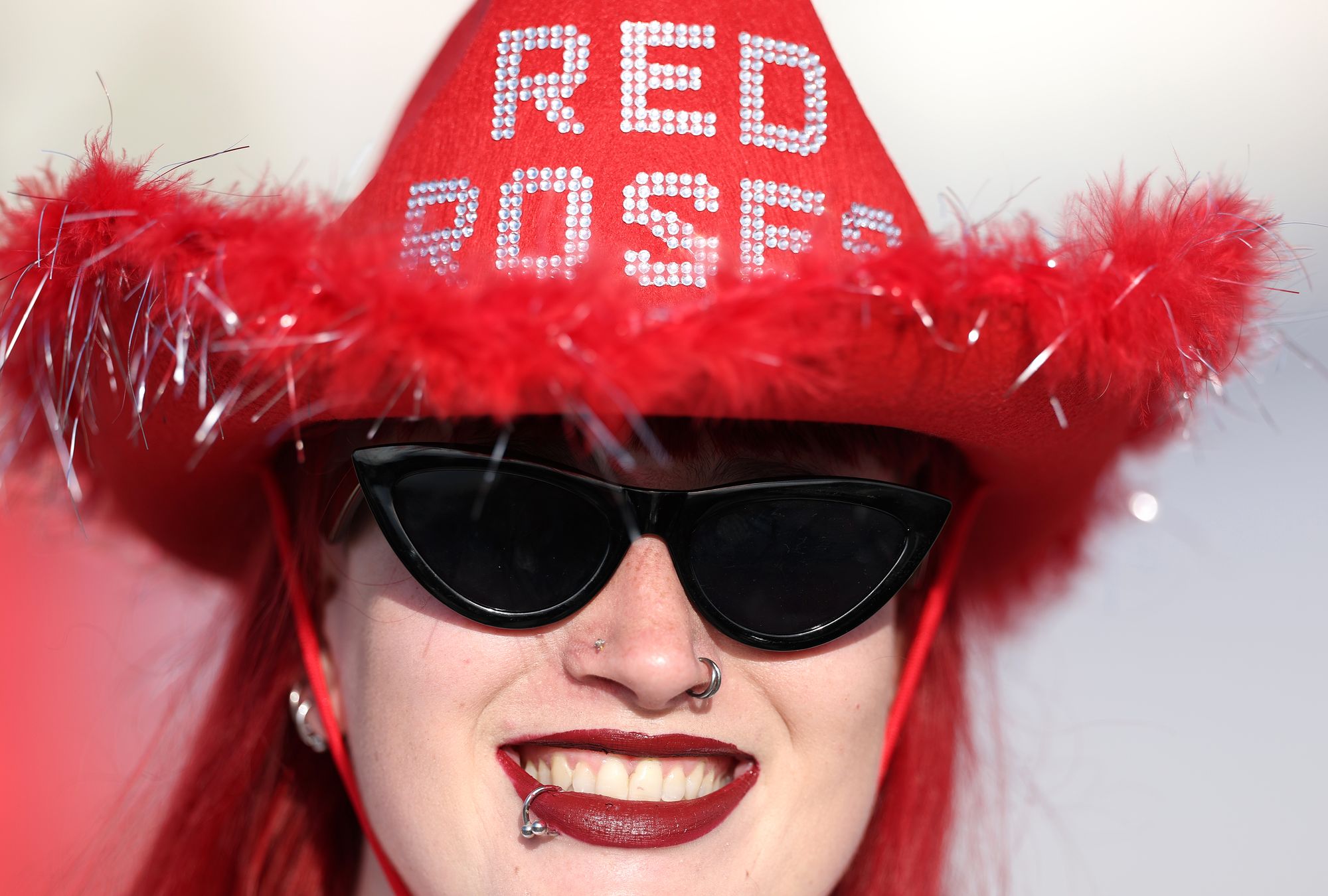
The RFU have also looked at ways at unlocking new revenue streams via the Red Roses. Special merchandise, such as branded red cowboy hats, has proved popular in the stands, while targeted partnerships with identities like Barbie, the Spice Girls and Clinique show a desire to find sponsors who probably would not have looked to rugby in the past. If there are still certain perceptions to be challenged, and outdated critics to be informed, change is clearly happening.
The England head coach, John Mitchell, tells a story of his wife Julie bringing along 25 couples from the Surrey village in which he lives to a game last year. “The women had a fantastic afternoon, and by their sides were their husbands. They were going for their first experience, and they were sold because they saw their wives having such a good time. That is just a small example of bringing a new audience that was probably biased in its mind to a different way of watching Test rugby and then to be exposed to fantastic athletes playing the game.”
That exposure remains key, and an England World Cup win would create heroes in the way that the success of the Lionesses and Olympians has in the past. This week, as she reflected on her rugby journey, centre Meg Jones lamented that her first exposure to women’s rugby had not been until her later teenage years; even though she had played the game since the age of six, her initial rugby heroes had all been male. That is no longer the case.
“It’s one of my key drivers,” Jones explains. “I think that is really important. This week there was a great example – Ellie Kildunne came off the pitch and there was a young boy just staring at her with mouth wide open. He just couldn’t believe that she was walking and talking in front of him. He didn’t say a word.

“She said, ‘have you got a voice?’. And he just shook his head. Those moments are so, so special. Because we’ve touched base with the community, we now have young girls and boys saying, ‘I want to be like Ellie Kildunne, I want to be like Meg Jones, I want to be like Zoe Aldcroft’. That’s really special and will only elevate the game further.”
Join our commenting forum
Join thought-provoking conversations, follow other Independent readers and see their replies
Comments
Bookmark popover
Removed from bookmarks