Brain chip startup restores vision loss in world first
New implant represents a ‘paradigm shift’ in treating a form of irreversible blindness

Scientists have developed the first ever retinal implant capable of restoring sight to people suffering from vision loss, according to a new study.
The breakthrough, made by Neuralink competitor Science Corporation, allows patients suffering from a form of irreversible blindness to read text and do crosswords through “artificial vision”.
The brain computer interface, called PRIMA, involves a pair of camera-mounted glasses that wirelessly emit signals to a chip placed under the retina
After a year of testing on people with macular degeneration (AMD), the PRIMA system allowed them to read numbers and words.
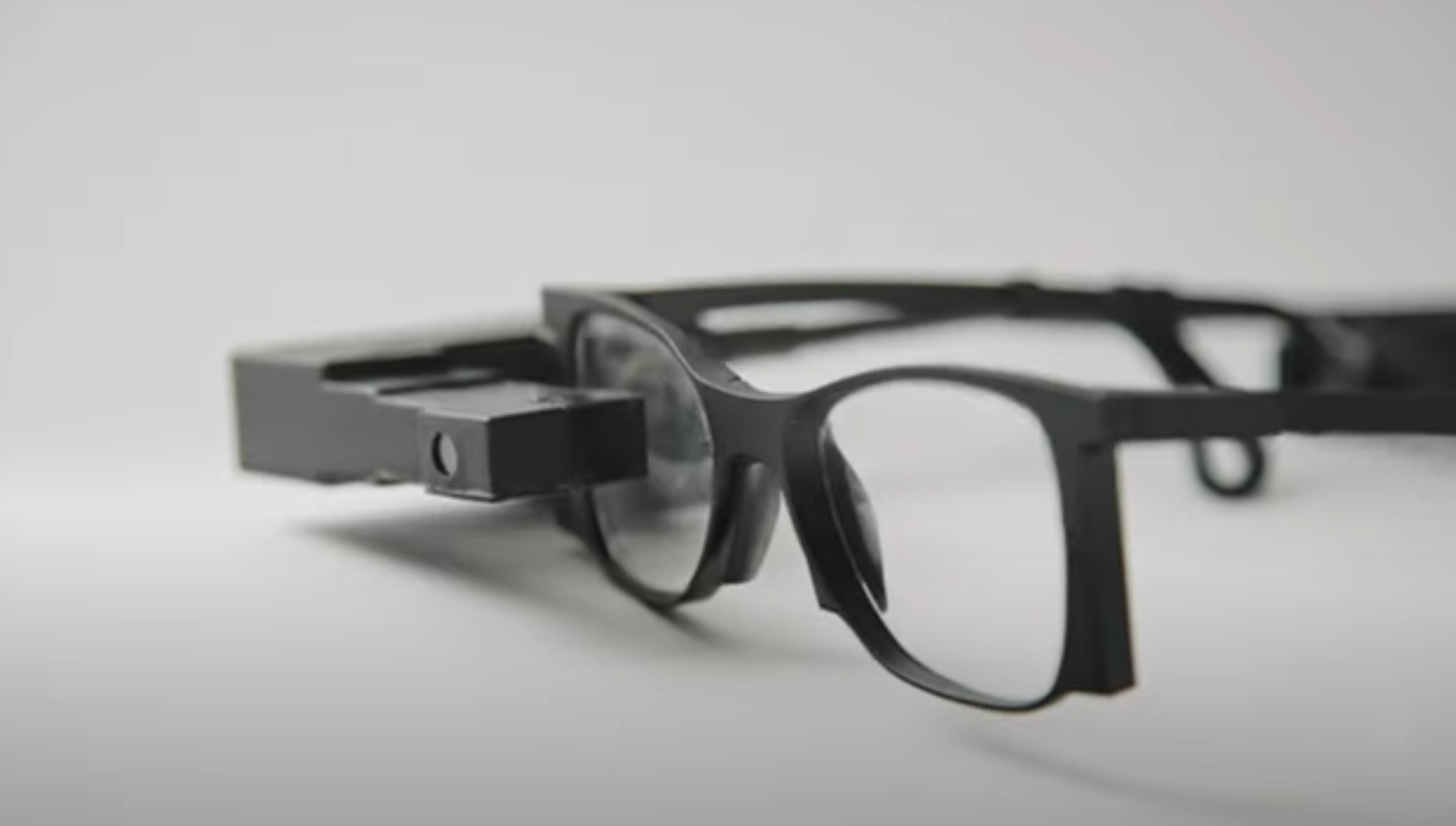
AMD is the most common sight loss condition over the age of 55, impacting more than 5 million people worldwide. It causes people to lose their central vision, making tasks like reading, driving or even recognising faces impossible.
Previous attempts to treat AMD have only succeeded in slowing the disease’s progression, not improving a person’s sight.
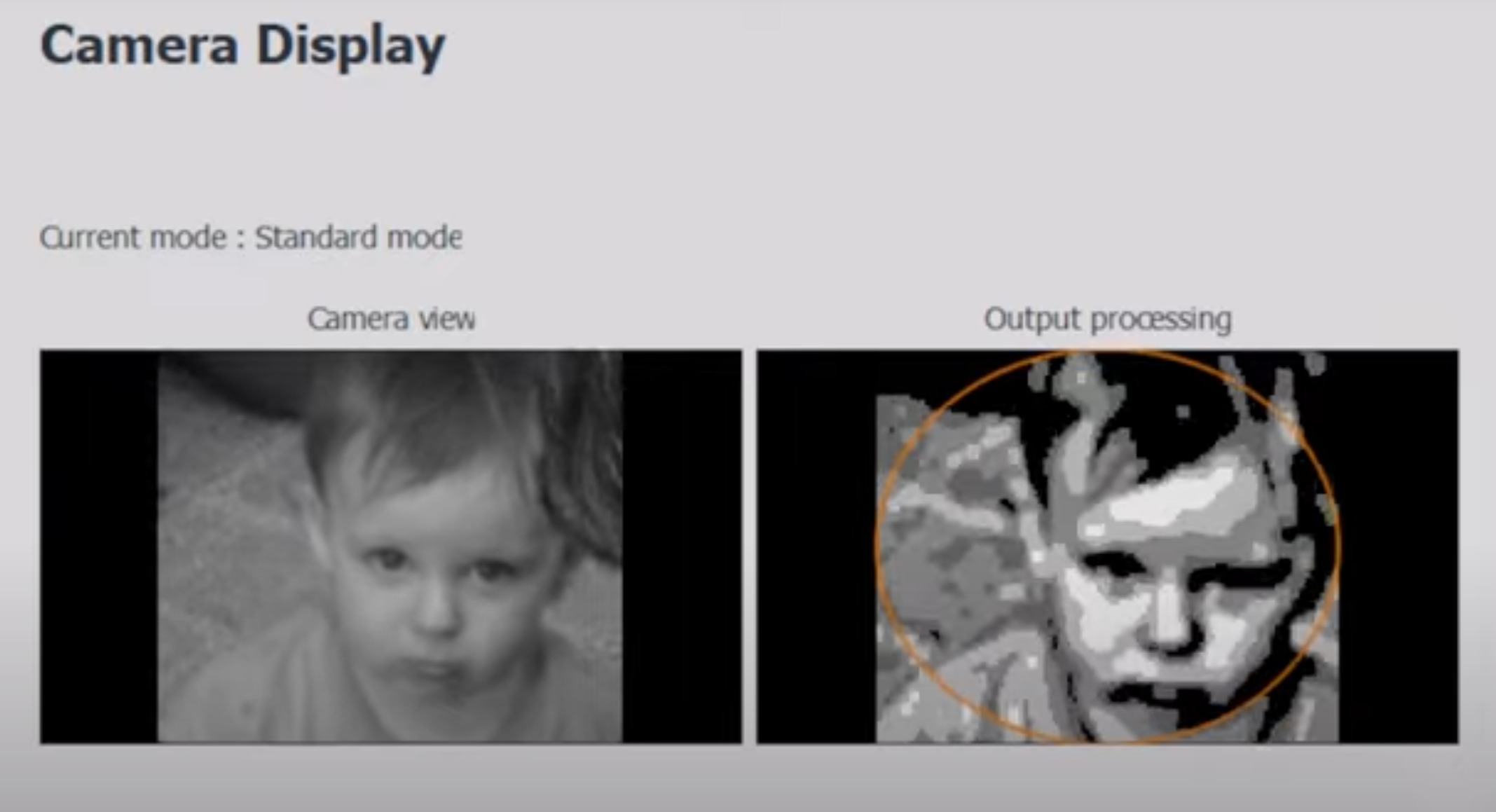
The technology was tested on 38 participants in a clinical trial, with over 80 per cent of the patients experiencing a “clinically meaningful improvement” after 12 months of use, according to the researchers.
“This breakthrough underscores our commitment to pioneering technologies that provide hope to patients in need, and which have the ability to transform lives,” said Max Hodak, founder and CEO of Science Corporation.
“We are excited about the potential of PRIMA to redefine vision restoration for these patients.”
Alongside Elon Musk, Mr Hodak was one of the cofounders of brain chip startup Neuralink, which is also aiming to restore people’s vision.
Neuralink is yet to demonstrate such abilities, with early prototypes used on paralysed patients to allow them to control a computer with their brain signals.
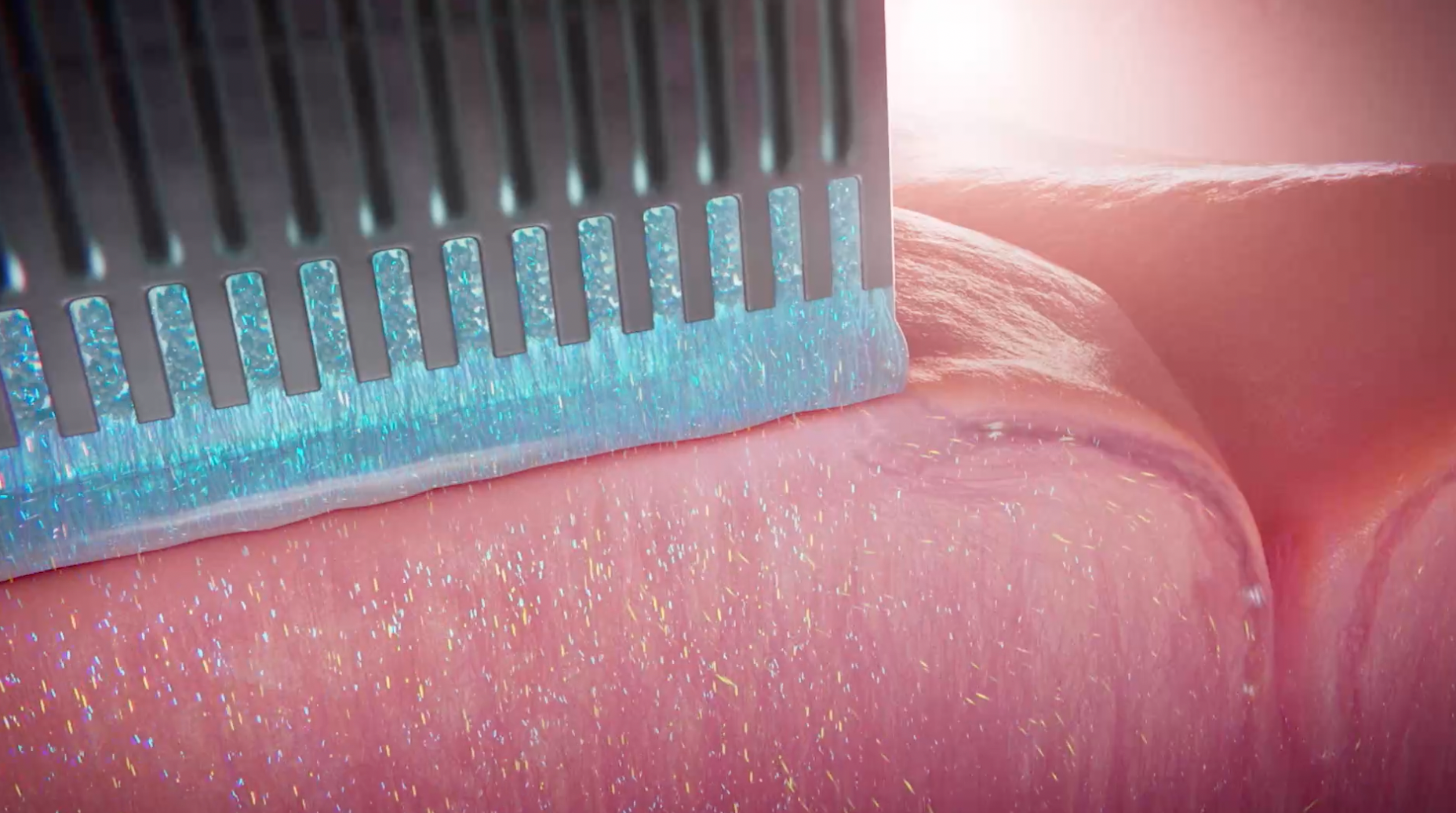
A study detailing the new technology, titled ‘Subretinal Photovoltaic Implant to Restore Vision in Geographic Atrophy Due to AMD’, was published in The New England Journal of Medicine on Monday.
“This study confirms that, for the first time, we can restore functional central vision in patients blinded by geographic atrophy,” said Dr Frank Holz, chair of the Department of Ophthalmology at the University Hospital of Bonn in Germany. “The implant represents a paradigm shift in treating late-stage AMD.”
Join our commenting forum
Join thought-provoking conversations, follow other Independent readers and see their replies
Comments
Bookmark popover
Removed from bookmarks