The little-known tropical island that is perfect for a winter sun break
Sarah Marshall finds Principe has all the tranquility of a Caribbean holiday without the crowds
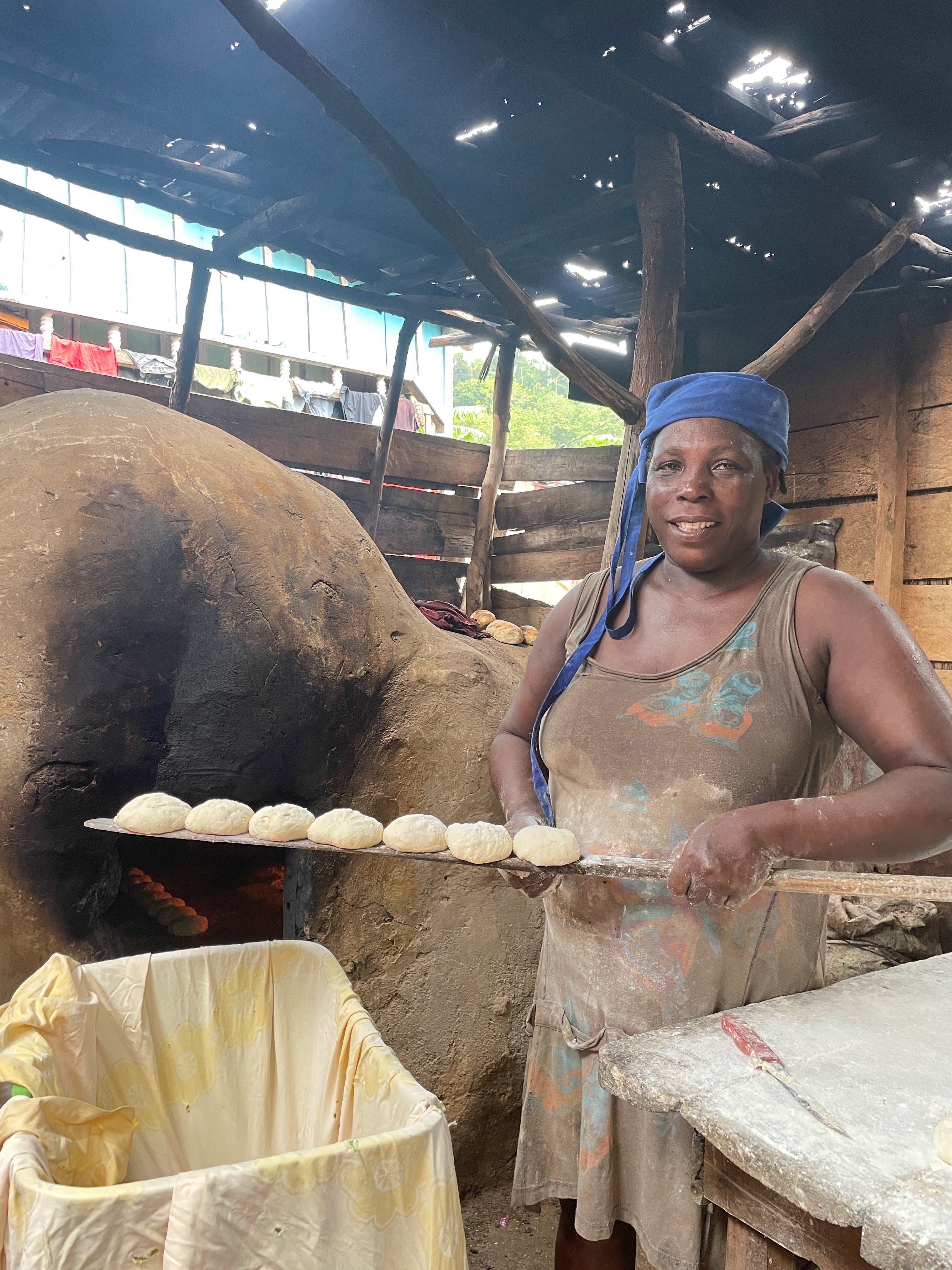
The enduring appeal of freshly baked bread transcends cultural boundaries, offering a universal comfort.
Seeking shelter from a tropical downpour, a small bakery in a Principe fishing village provided an unexpected haven. Inside, flames flickered captivatingly within a large clay oven.
Fortuitously, the day's first batch of bread was emerging. Tearing into the hot, steaming dough offered a timeless pleasure, a simple act that perfectly encapsulates the unassuming charm of this remote Gulf of Guinea island.
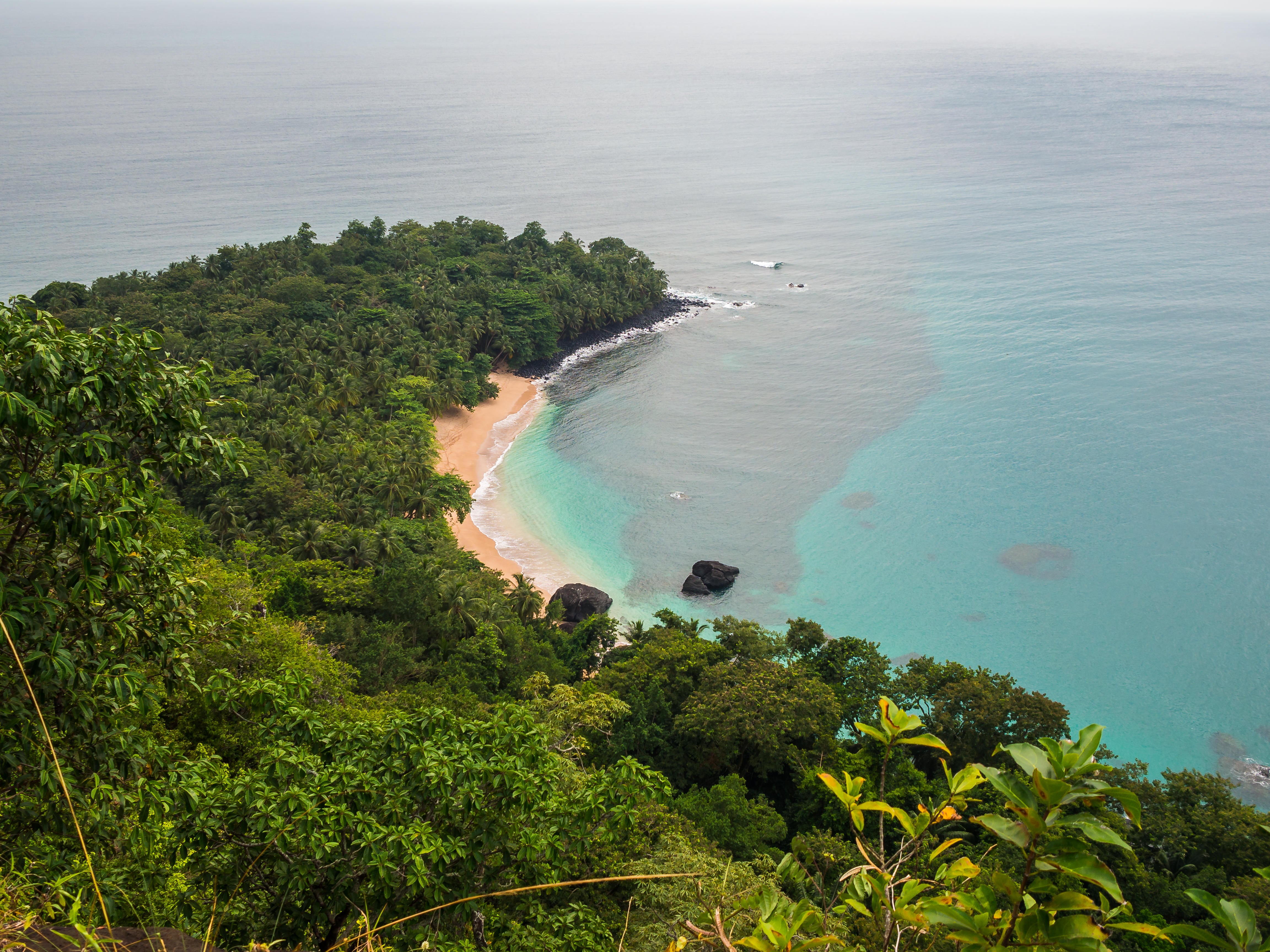
Together with Sao Tome, it forms one of West Africa's smallest nations. More tranquil and relaxed than the mainland, it resembles a Caribbean escape, boasting equally stunning sandy, unspoiled beaches.
Yet, unlike popular winter sun destinations, Principe remains largely undiscovered.
There are no major chains, no advertising billboards, and only a few basic shops in the sleepy main town of Santo António.
Read more: The bustling African city four hours from London hoping to break records
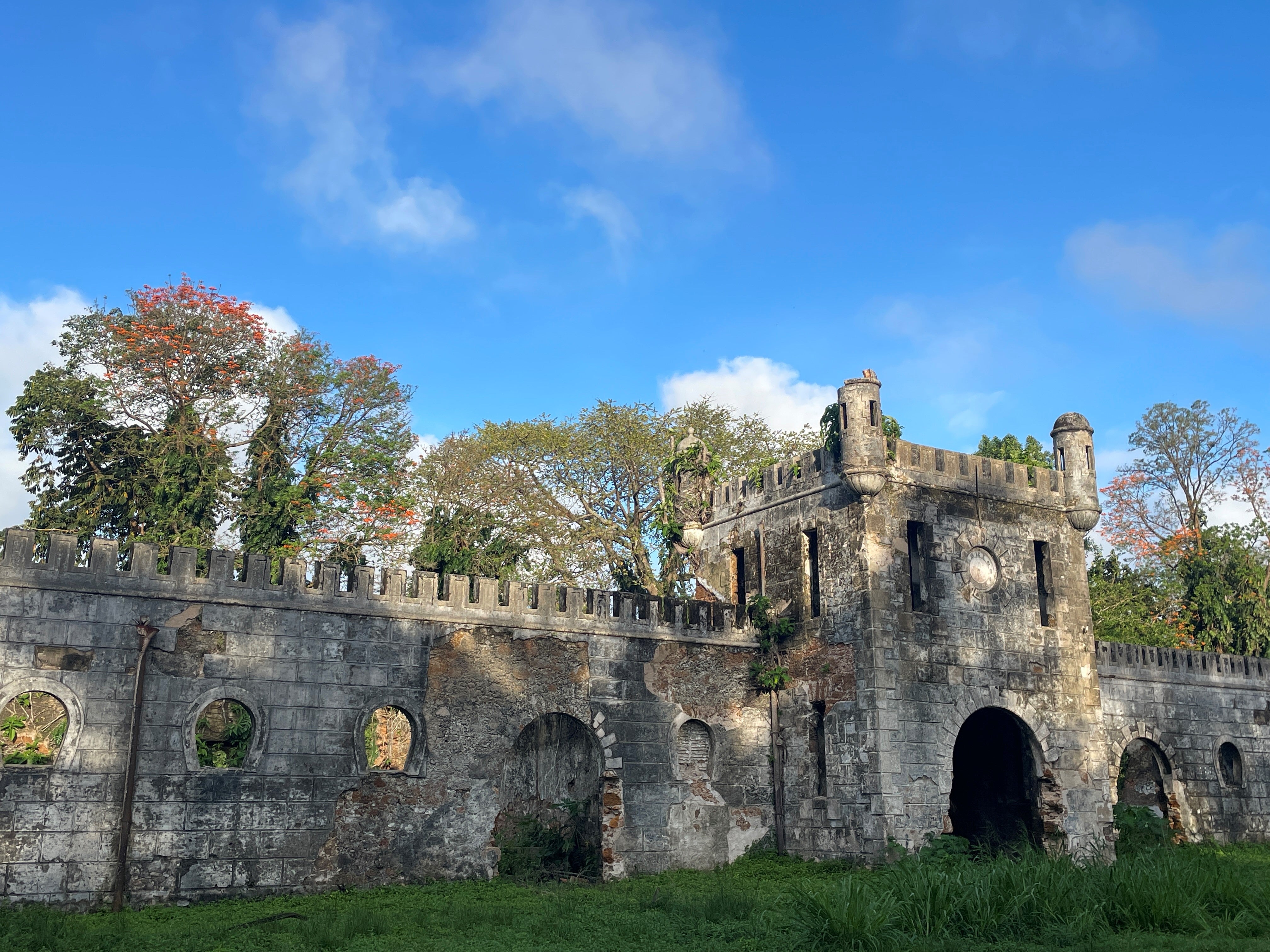
Built during Portuguese colonisation, when the islands served as a base for trading slaves, the ruins of sugar cane and cocoa plantations have since been reclaimed by the jungle.
Residents have admirably chosen to reject palm oil cultivation projects in favour of ecotourism, guided by the pioneering sustainable tourism enterprise HBD, which manages three properties on Principe and recently acquired the only other hotel in operation.
The backstory for HBD (Here Be Dragons) is an unusual one.
Making history by being the first African to enter space in 2002, entrepreneur Mark Shuttleworth had an epiphany while staring down at our tiny blue planet. By the time he’d landed back on Earth, he was determined to do whatever he could to protect it.
Initially, he looked at Principe as a private island investment but soon realised the population – the true custodians of the wild environment – would benefit from tourism. His intention was to create jobs by opening the destination up to the rest of the world, without disrupting the natural beauty at its core.
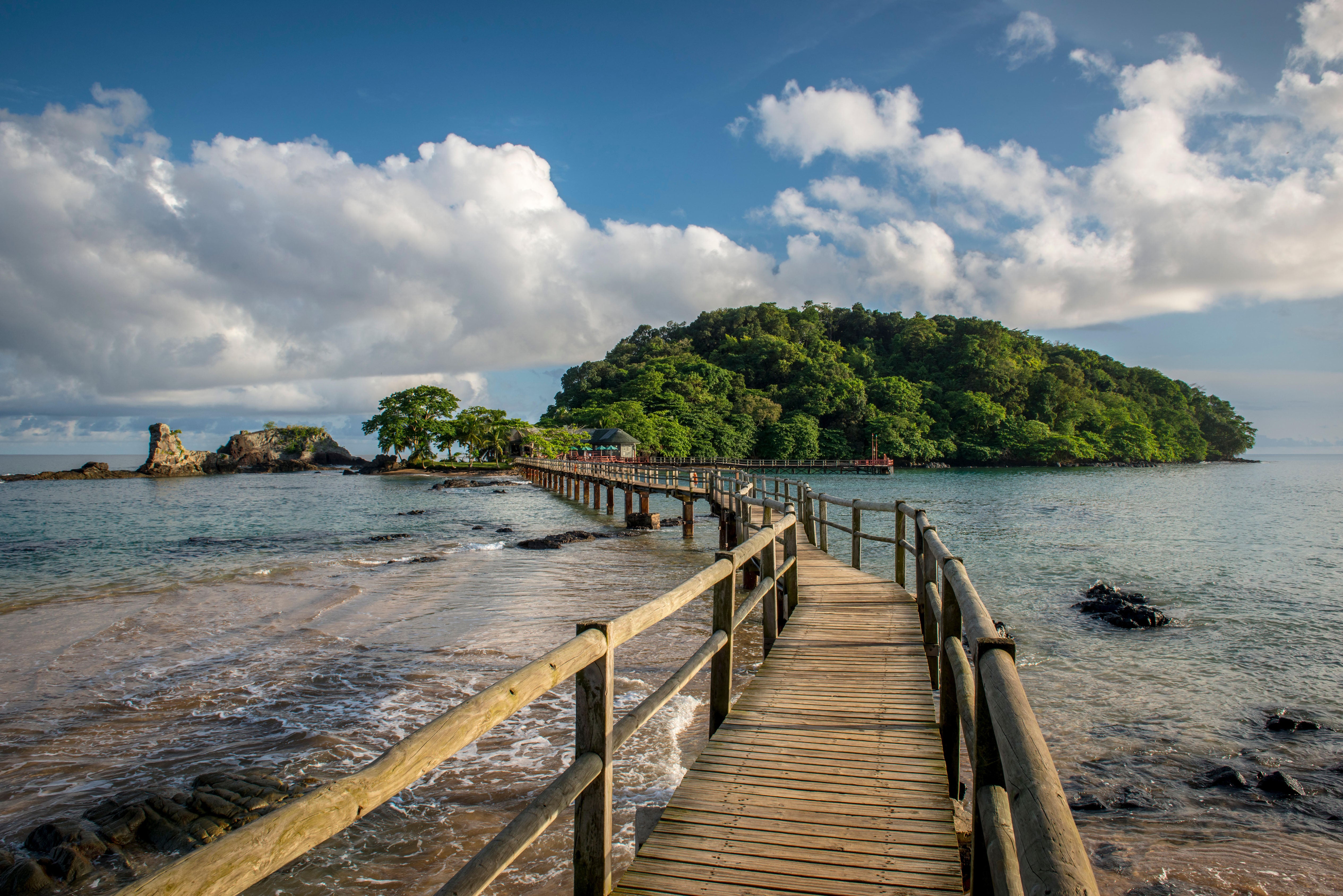
Set on a remote peninsula at the northern tip of the island, Bom Bom, a former fishing lodge, was the first hotel to open. A smart but unassuming collection of bungalows with two beachfronts – for sunset and sunrise – it’s since achieved accidental cult status.
Closed for three years since the pandemic, it’s recently reopened and I’m one of the first guests.
Mapped: Principe
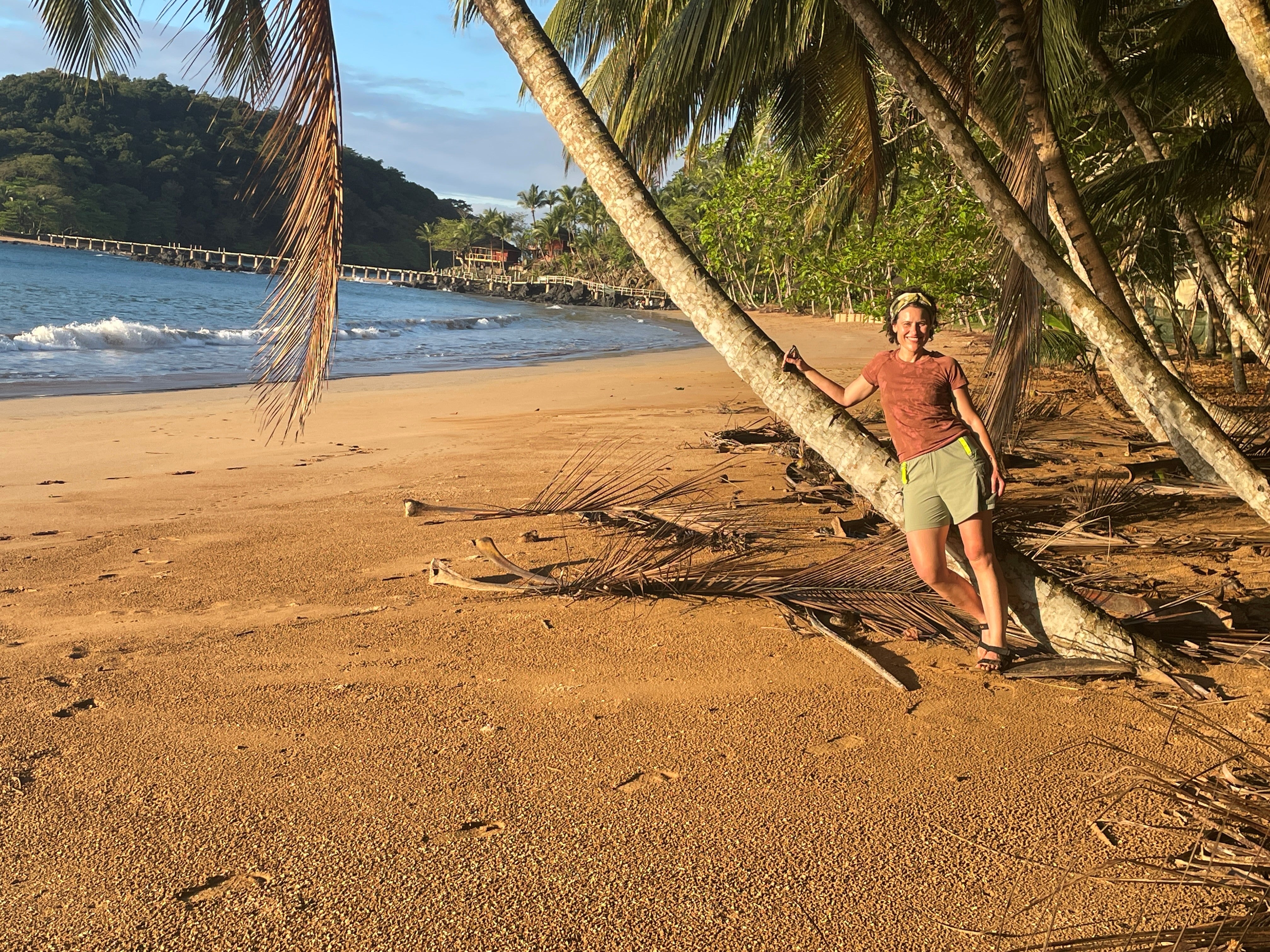
By 6am, it’s already light as I walk along my empty beachfront. Boys in wooden pirogue boats are silhouetted on the distant horizon.
Western reef herons forage along the shoreline, while brightly plumed malachite kingfishers add flashes of colour to the tangle of emerald forest which covers most of the island. But even their shimmering turquoise wings aren’t a match for the rich jade hues of an ocean so clear, I can see 15 metres to the bottom.
Although there have been several enhancements to Bom Bom, including a recently opened restaurant and a beach bar in the pipeline, growth is still refreshingly slow. Even getting here is a journey, requiring a flight via Lisbon and Sao Tome.
But distance and difficulty are in part responsible for preserving this time-frozen patch of paradise.
Pristine rainforests
In 2012, thanks partly to the efforts of HBD and rallying from members of the local community, the entire island and its islets were declared a Unesco World Biosphere. More than half of the mountainous volcanic island is a protected natural park, home to a high number of endemic species living in a rainforest estimated to be 31 million years old.
Rich marine life
Waters fringing the island are also teeming with marine creatures. Humpback whales can be seen between July and October, while five species of turtles – loggerhead, olive ridley, green, hawksbill and leatherback – nest on beaches from November to March.
Delicious chocolate
During the years of Portuguese rule, a cocoa industry thrived on the island. HBD has revived production on a small scale at heritage property Roca Sundy, a former plantation open to guests. A small shop sells edible and cosmetic products.
Heavenly hiking
Beyond the beach, the mountainous interior is well suited to hikes. One of the most popular routes is to the top of Pico do Papagaio (Parrot Peak), one of several phonolitic towers.
A new tourism model
HBD is in the process of launching a new Natural Dividend project which will financially reward islanders for their efforts in protecting ecosystems and biodiversity. Mark Shuttleworth hopes the model can one day be replicated across Africa.
Rainbow Tours hosted Sarah Marshall for this article.
How to do it
Rainbow Tours offers a stay at Bom Bom as part of a nine-night trip to Sao Tome and Principe. From £3,550pp (two sharing), including half-board accommodation and flights. Visit rainbowtours.co.uk
This article was first published on 1 March 2025 and has been updated.
Join our commenting forum
Join thought-provoking conversations, follow other Independent readers and see their replies
Comments
Bookmark popover
Removed from bookmarks