Can you suggest a budget trip to beat half-term hikes?
Simon Calder answers your queries on walking holidays, passports and the entry-exit system

Q I have a week available for going somewhere sunny – preferably with some hiking – at the end of October. It must be between Saturday 25 October and Sunday 2 November, but doesn’t have to be a full week. I know this coincides with the half-term holiday and therefore prices are likely to be painfully high. I live in Brighton, so Gatwick airport is my strong preference for flights. Can you recommend anything on a budget?
Ross McK
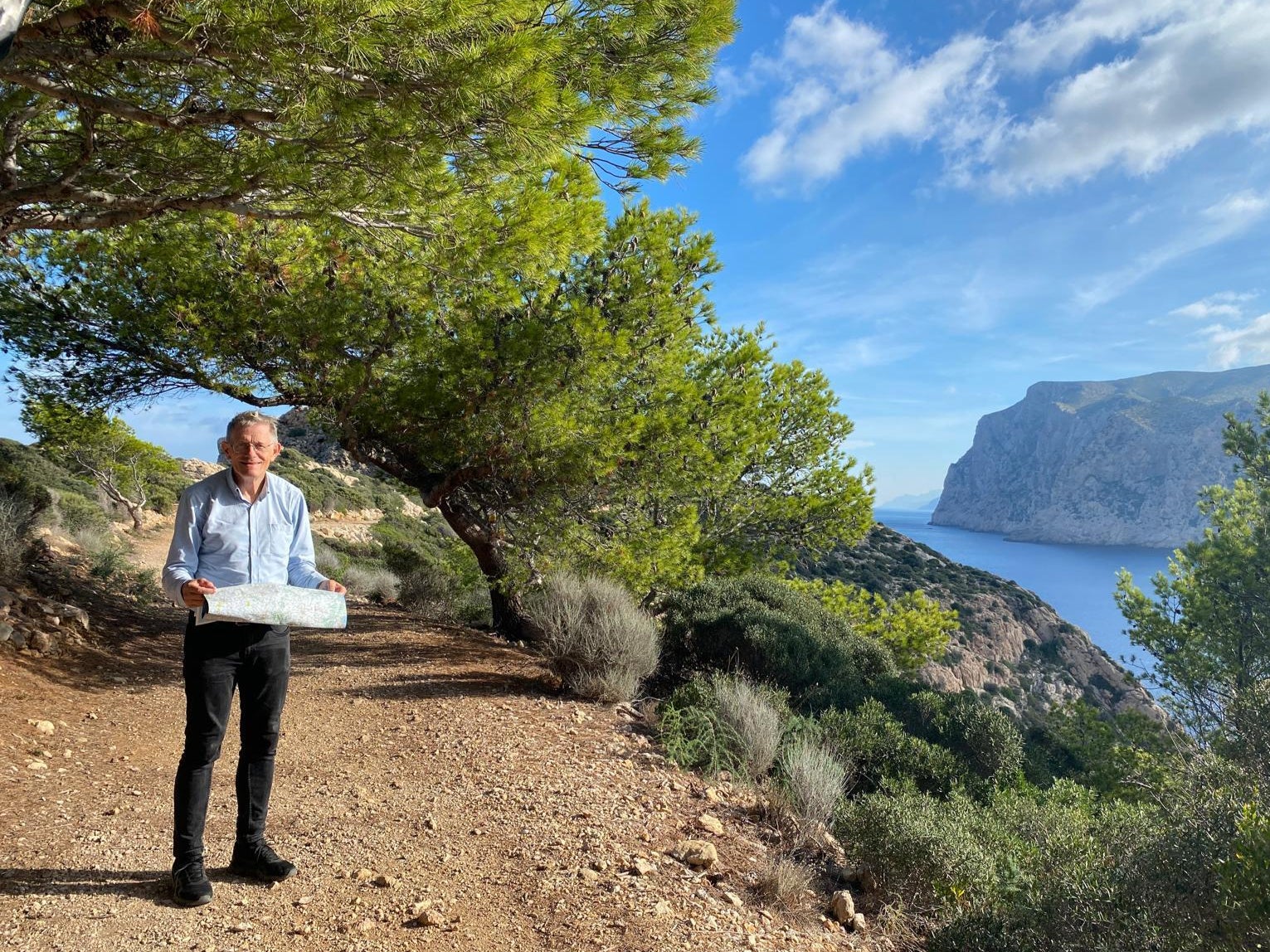
A School’s out, fares surge. For example, the Greek island of Crete is enticing at the end of October, with some excellent hiking. But flying from Gatwick to the main airport, Heraklion, on 25 October for a week is currently a minimum of £561 return. As always on Planet Travel, though, some weird stuff is going on. In particular, there appears to be a fares war from the London airports to Palma in Mallorca. On Saturday 25 October easyJet will fly you from Gatwick to the island for £18 on the late evening flight, or £36 if you prefer to arrive in Palma before 10pm, in good time for dinner. I was there earlier this month, and enjoyed some light hiking on the offshore island of Dragonera and the Tramuntana mountains on the northwestern side of Mallorca.
Alas, coming back is a different matter. From Wednesday 29 October there are no flights available from Palma to Gatwick under £200 until last thing on Sunday 2 November, when the fare eases only a little, to £179. To keep the trip within reasonable financial bounds, you would need to return all too quickly on Tuesday 28 October. Even then, you would be flying into Luton, a much longer train ride from Brighton than Gatwick.
The best alternative I can find is from Gatwick to Milan Malpensa – well placed for exploring the Italian lakes and southern Switzerland. The walks are superb, and (on the Swiss side of the border) well marked. Flying out on 25 October, returning on 29 October, you would pay just £130 return on easyJet. That would allow three full days for hiking: not optimal, but the best budget option at this high-pressure time of year.
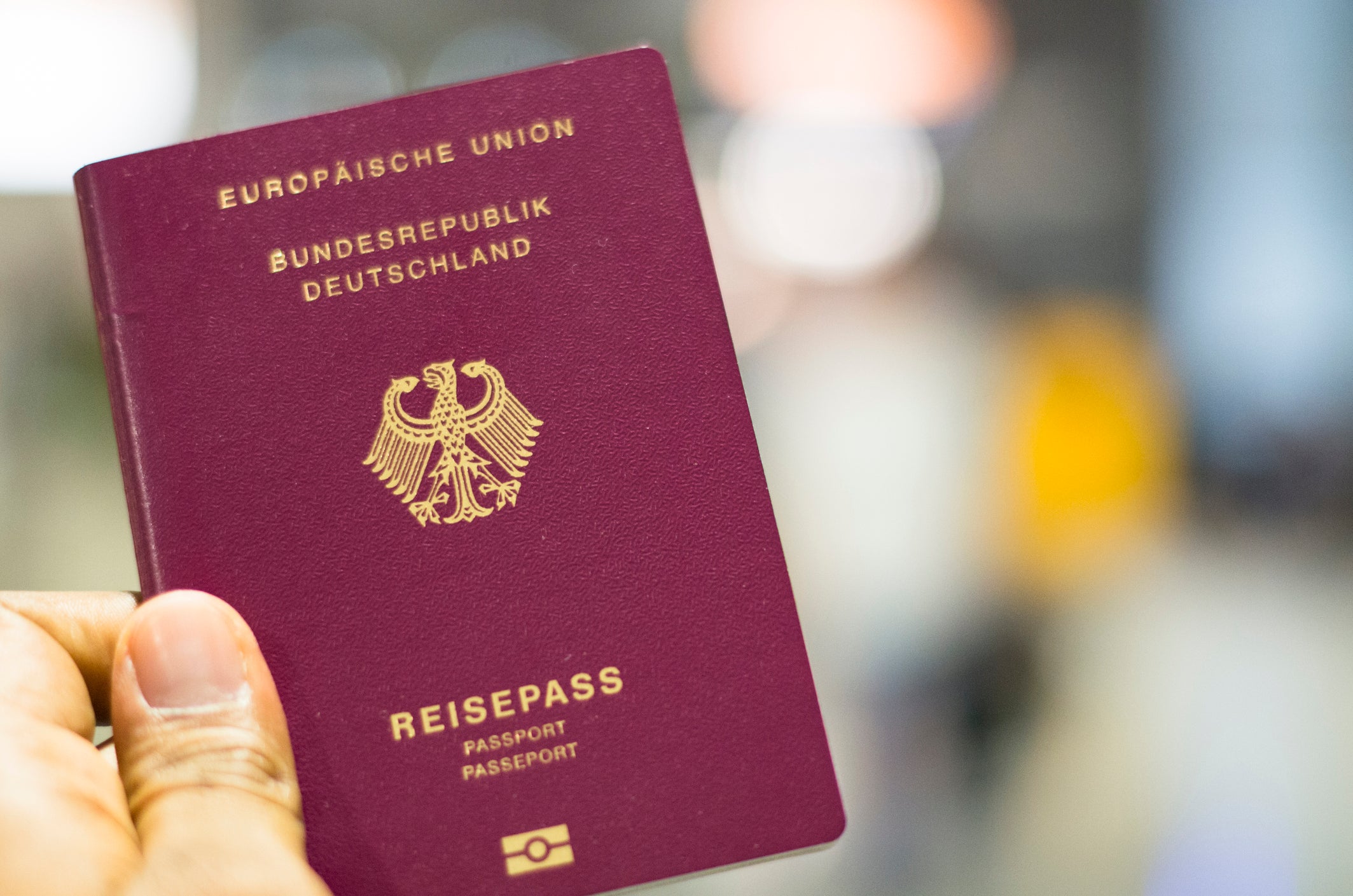
Q I’m eligible for a German passport, but, so far, have refrained from applying for one because of the bureaucracy involved; I used to be an academic, which induced a Pavlovian detestation of form-filling. Now that the entry-exit system is upon us, it will clearly be a good idea to have one. Are there any agencies that would handle the paperwork for me? I’d be happy to pay a reasonable fee.
Michael R
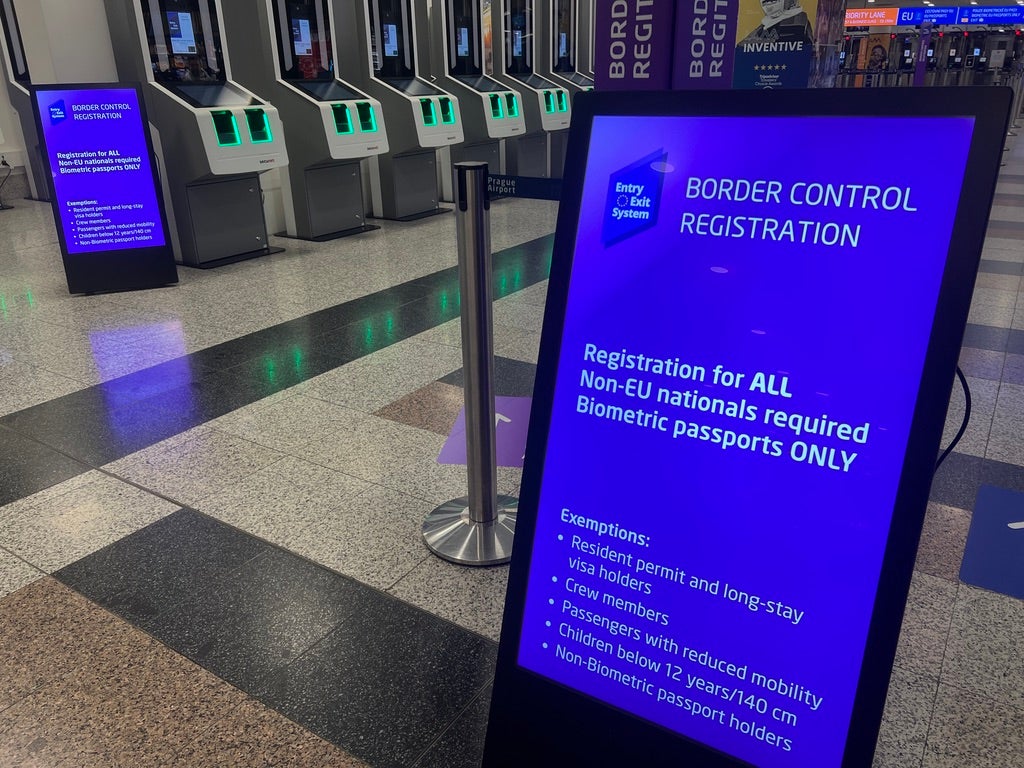
A May I suggest that if you have a Pavlovian detestation of form-filling, you may feel unhappy more broadly with bureaucracy at borders? If so, you should exploit your entitlement to a passport from one of the European Union nations as soon as possible. Having undergone the entry-exit system (EES) procedure at Prague airport, and seen the crowds of people waiting an hour or more to get through the Schengen area frontier post there, I would love to be in your position.
On arrival at a Schengen checkpoint, you will follow directions to the fast-track gates, where you simply need to demonstrate that (a) your passport is valid and (b) it belongs to you. No stamping, no fingerprinting, no limit on the length of stay. And probably all checked at an eGate in a few seconds.
The drawback, as you anticipate, is the amount of time and energy involved in gaining approval for German citizenship. A leading passport support agency, Passportia, no longer accepts clients for Germany, saying: “The German government processing times for citizenship applications outside of Germany have increased to over two years, therefore we feel unable to provide new clients with the service that we would want to. So, for the time being, we are not providing services to [process] German citizenship.”
My sense is that the main obstacle is time, not Kafkaesque red tape – though there will be a fair amount of form-filling and providing documentary evidence of your eligibility. In your position, I would press ahead with an application – and perhaps look on social media for a group of people in a similar position, who can advise on how to clear each hurdle.
Q With the new entry-exit system, do you know what happens with regard to transferring? I am travelling to Prague via Frankfurt soon but only have a short transfer time. Will I have to do the biometrics at Frankfurt when I land, or in Prague as it’s my final destination?
Lauren A
A I seem doomed to spend the rest of my travel days researching answers about the EU entry-exit system (EES). Yours, like the others, is a good and pertinent question, so I shall cheerfully tackle it. For any readers who are blissfully unaware of the plan: by 9 April 2026, all “third-country nationals” such as British passport holders will need to have their fingerprints and facial biometric taken at first crossing of a Schengen area border where the system is in place. On subsequent visits a facial biometric will suffice. And during the six-month rollout the existing analogue passport check and stamping must continue.
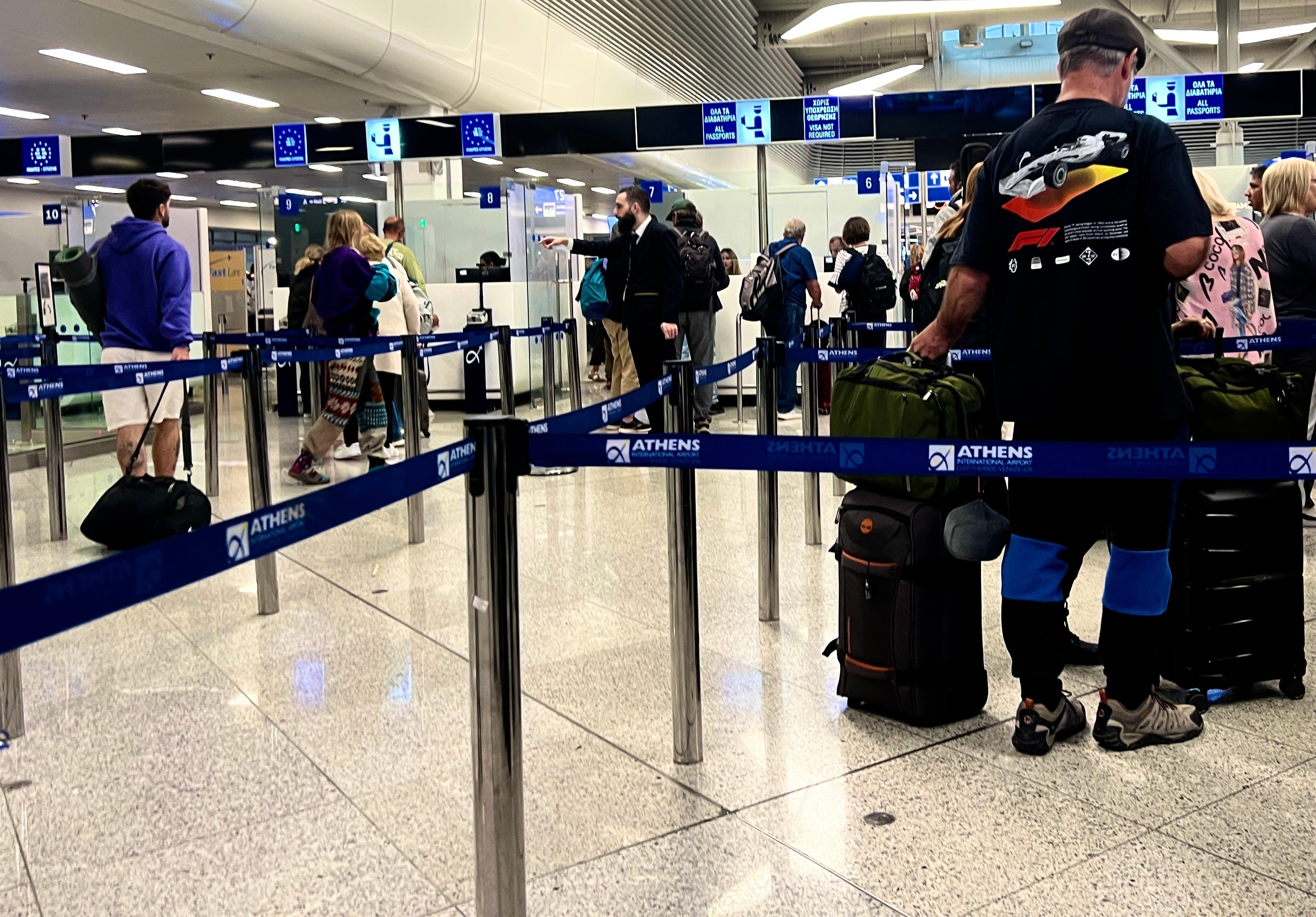
It is up to the individual EU government to decide the pace at which they roll out the EES in their territory. Germany has decided to trial the system at Dusseldorf airport – to identify potential problems rather than risking chaos at its main hubs, Frankfurt and Munich. So for your connecting journey, you will cross the Schengen frontier at Frankfurt airport. This should be accounted for in the time allowed for your transfer.
Once inside the Schengen area, your onward flight to Prague is regarded as domestic. There will be a perfunctory, airline-performed passport check before you board the plane. Even though Prague airport is conducting full entry-exit system biometrics on passengers arriving directly from the UK and elsewhere, you will swerve these. Assuming you are coming home by the same route, you will again be a domestic passenger from Prague and go through the Schengen exit at Frankfurt.
By the new year, Frankfurt (and Munich) should be operating the entry-exit system. Even then, it may be that passengers with short connection times are whisked through; the rollout rules allow this when queues build up too much.
Q Would you recommend that anyone with the possibility of obtaining an Irish passport should go down that avenue? My children and grandchildren would be eligible. They all currently have UK passports.
Penny F
A According to my latest analysis, Ireland’s Department of Foreign Affairs issues as many passports for people who reside outside the republic as it does for those who live in the country. I imagine many of those half-million-per-year non-residents are in the UK – and watching with increasing concern the ever-more-tangled red tape that we chose for ourselves by leaving the European Union.
The latest twist is the EU entry-exit system, requiring British passport holders to register their fingerprints and facial biometrics to cross a Schengen area border. By this time next year, the European Travel Information and Authorisation System (Etias) will probably be upon us, costing €20 (£17) for a maximum of three years and adding to travel bureaucracy.
All EU citizens avoid these hurdles. For anyone who travels moderately frequently to Europe and who is entitled to an Irish passport, applying for one is the ultimate no-brainer. That is particularly so for people who would like to work or study in the EU, or who wish to stay longer than 90 days in any 180 days. And the cost is only €75 (£65), about £30 cheaper than a British passport.
The corollary: is it worth hanging on to a UK travel document? Thanks to the Common Travel Agreement, Irish passport holders are the only foreign nationals who do not need to arrange a permit before coming to Britain. So why not save the cash and hassle of renewing a British passport? Personally, I would keep it on because having two passports bestows plenty of flexibility (eg applying for a visa on one while travelling on the other). And were you to lose one of the passports, having a backup would be tremendously valuable.
Email your question to s@hols.tv or tweet @SimonCalder
Join our commenting forum
Join thought-provoking conversations, follow other Independent readers and see their replies
Comments
Bookmark popover
Removed from bookmarks