The 12 weirdest and most wonderful Christmas traditions from around the world
Here are some of the unusual ways countries around the world celebrate the festive season
Christmas, at its core, is a season brimming with customs that, upon reflection, can appear quite peculiar – from bringing evergreens indoors and adorning them with vibrant baubles, to the divisive presence of Brussels sprouts on the festive plate.
While Britain largely adheres to its established Christmas rituals, these traditions often seem rather subdued when viewed against the backdrop of global celebrations.
Indeed, while Britons might debate the optimal time to deck the halls or ponder swapping turkey for beef, other nations embrace far more unconventional practices.
Across the world, festivities involve everything from throwing shoes and concealing cleaning equipment, to decorating trees with intricate spider webs or even live goats. Some even opt for a Christmas Day feast at KFC.
These diverse traditions, spanning centuries or merely decades, are deeply woven into the fabric of celebrations worldwide, from Catalonia to Caracas, forming an intrinsic part of the festive spirit.
In celebration of these Christmassy eccentricities, we’ve rounded up 12 of the most unusual customs from across the globe.
Read more: The world’s best Christmas markets for a magical festive break
Germany and Austria - The Krampus
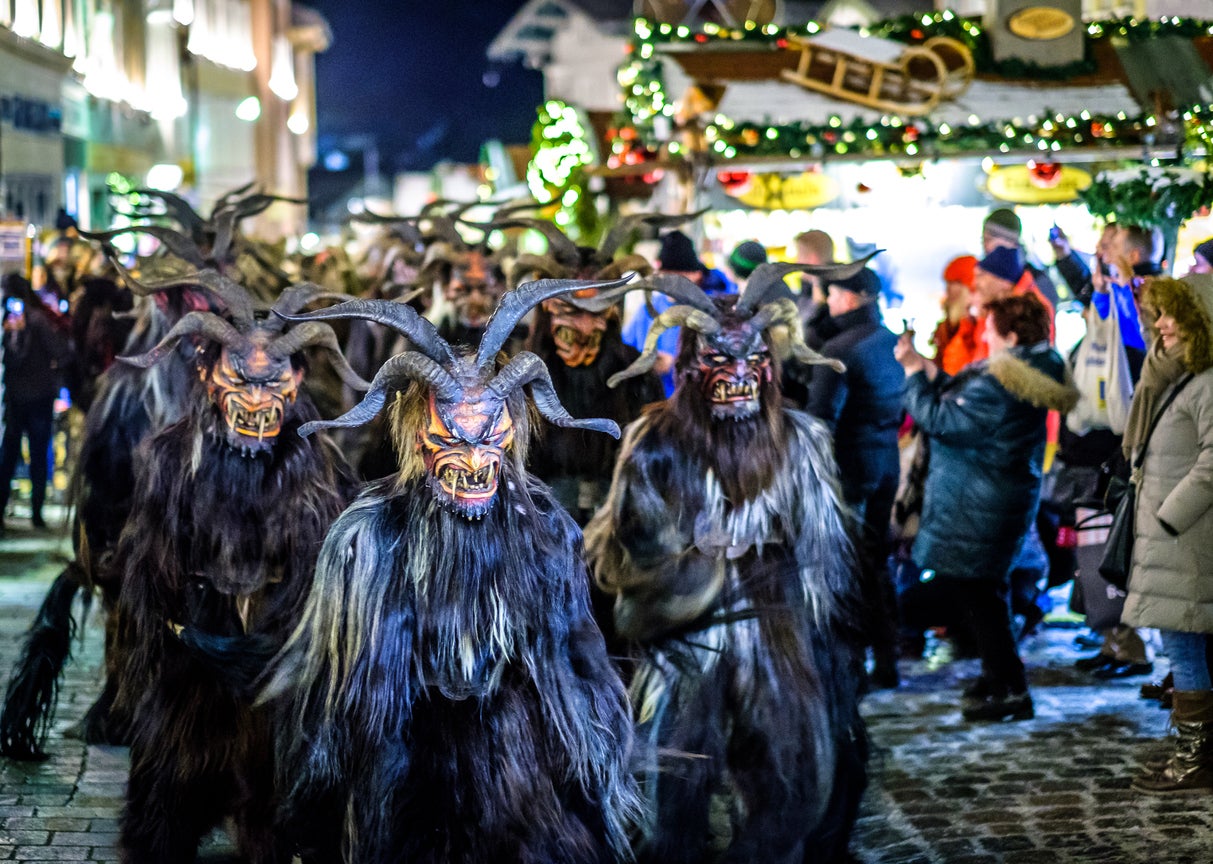
In Austro-Bavarian Alpine folklore, the Krampus is Father Christmas’s scary friend, a devilish creature who punishes naughty children throughout the festive period. The mythical beast, who is hairy, with hooves and large horns, is ‘celebrated’ every year on 5 December in many cities throughout Germany and Austria in a festival named Krampusnacht, often marked with a parade in which hundreds dress up as Krampus and chase each other through the streets.
Catalonia - Defecating logs

There are a couple of strange Catalan traditions, one of which is the caga tio or “defecating log”. In the fortnight leading up to Christmas, a grinning creature is created out of a small log and placed on the dining room table. The log must be fed every day with fruit, nuts, and sweets, before – on Christmas Eve – it’s beaten with sticks, excreting its goodies. Another faecal-themed Catalan custom is a caganer, a small defecating figurine, which traditionally appears in nativity scenes. In more recent years, caganers that are sold in stores and Christmas markets throughout the region have taken the form of just about any celebrity, from Donald Trump to your least favourite rival footballer.
Read more: A perfect European city Christmas market break with a hidden spa twist
Caracas - Skating to church
In Caracas, the capital of Venezuela, revellers travel to early-morning church services on roller skates throughout the festive period. Roads are even closed off especially on mornings between 16 December and Christmas Eve.
Japan - Fried chicken

Christmas isn’t a national holiday in Japan but that doesn’t stop a large number of people from celebrating the festival. Father Christmas, or Santa Kurohsu, is said to have eyes in the back of his head to keep an eye on naughty children, while Japanese Christmas cake is usually made up of sponge, whipped cream, and strawberries. In a further spin on Christmas food, many Japanese people head to branches of KFC on or around Christmas Day, with the week leading up to 25 December reportedly being the chain’s most profitable week of the year in Japan.
Portugal - Remembering the dead
In Portugal, a more religious Christmas is also a time for remembrance, as families set extra places at the dining table on Christmas Eve (or sometimes on Christmas morning) for deceased relatives. The practice is called consoda and is thought to bring the family good luck, with a meal, consisting of salted cod, potato and a range of regional desserts.
Read more: Why Antwerp is the only Christmas market you need to visit this year
Czech Republic - Shoe throwing
Over Christmas, Czech women use an interesting trick to predict their love lives for the coming year. Unmarried women stand with their backs to their front doors and toss shoes over their shoulders. If a shoe lands with its toe pointing towards the door, the woman may very well be planning a wedding within the next 12 months.
Norway - Hiding your brooms
In Norway, it’s thought that Christmas Eve coincides with the arrival of evil spirits and witches. In a bid to protect themselves, families hide all their brooms and mops before they go to bed.
Ukraine - Spider webs on trees

Ukrainian Christmas trees are traditionally decorated with a fake spider and web. The custom, which is said to bring good luck, stems from an old wives’ tale about a poor woman who could not afford to decorate her tree. She woke up on Christmas morning to find a spider had covered it in a glittering web.
Read more: The secret French town with a beautiful Christmas market you need to visit
Greenland - Whale skin for dinner
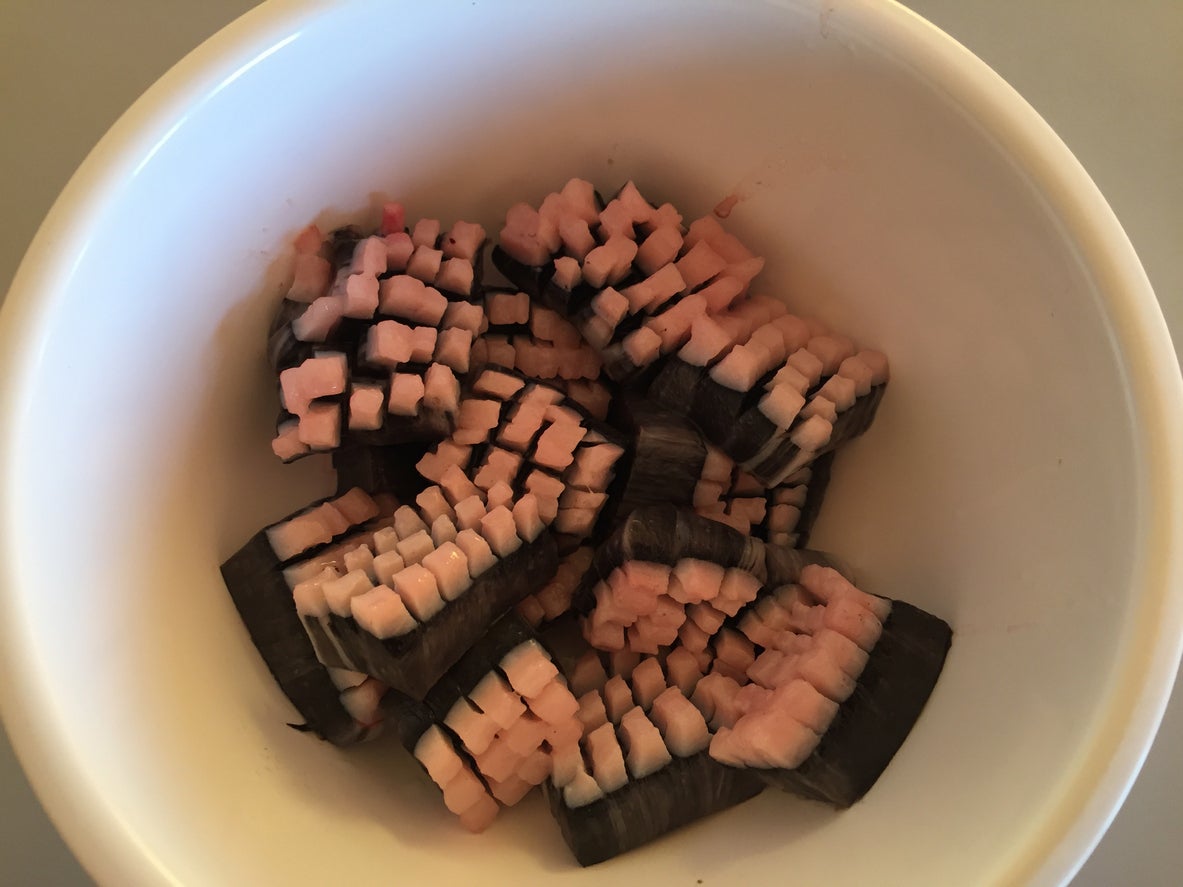
If you think sprouts are bad, you should try one of Greenland’s Christmas delicacies. Mattak – raw whale skin with blubber – is one. Another is kiviak, which is when an auk (a small bird) is wrapped in seal skin, buried for several months, and then eaten once decomposed.
India - Mango trees
Only about 2.3 per cent of the population of India are Christians, but that still works out as about 25 million people. The day is celebrated with midnight mass and present-giving, but in the absence of fir trees or pine trees, banana trees and mango trees are decorated instead.
Read more: The best Christmas markets in the world
Scandinavia - Yule goats
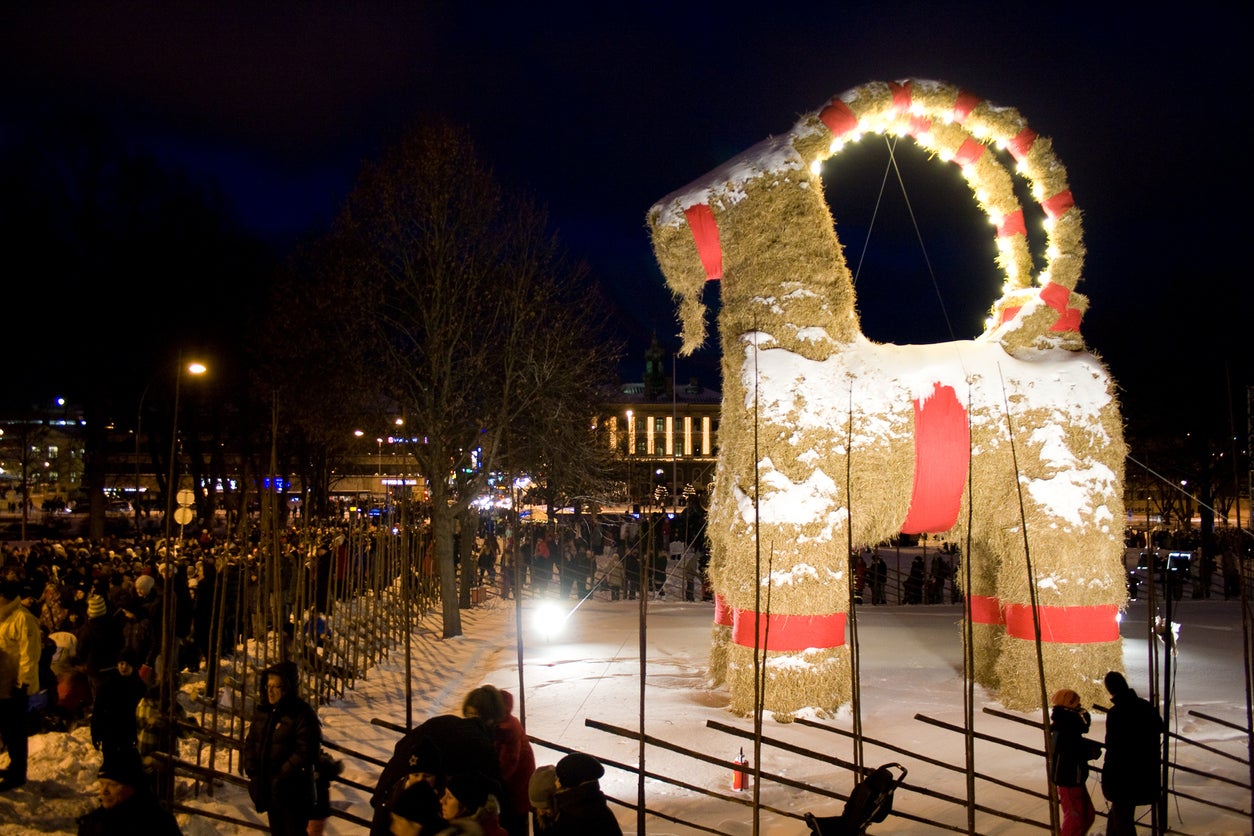
A traditional Scandinavian Christmas symbol, the Yule goat was believed to have been a spirit that would appear before the festive season to make sure that celebrations were carried out correctly. In later centuries, the goat’s role was as a gift-giver, before eventually being replaced by Father Christmas. Nowadays, small goats made out of straw are popular tree decorations throughout Scandinavia.
Slovakia - Pudding throwing
In Slovakia, it’s a Christmas dinner tradition for the most senior member of the family to throw some of the pudding (usually made from milk, bread, poppy seeds and something sweet) onto the ceiling. The amount that sticks indicates the luck everyone should receive in the coming year.
Read more: Brittany in winter is surprisingly beautiful
Join our commenting forum
Join thought-provoking conversations, follow other Independent readers and see their replies
Comments
Bookmark popover
Removed from bookmarks