Cuba flights crisis as aviation fuel runs out and Foreign Office issues warning
What effects are Trump’s sanctions having on flights and holidays to the Caribbean’s largest island?
Cuba, once the Caribbean destination of choice for millions of holidaymakers from the UK and elsewhere, appears to be nearing paralysis as a result of tougher US sanctions.
Dozens of flights to and from Havana and other Cuban airports have been cancelled after the island’s aviation authorities warned that no fuel is available for the next month.
The Foreign Office, meanwhile, has issued a new warning about power cuts across the island, some lasting more than 24 hours, due to a lack of fuel for generators.
Cuba is still popular with independent travellers from Europe, but the island is evidently in a precarious situation. These are the key questions and answers.
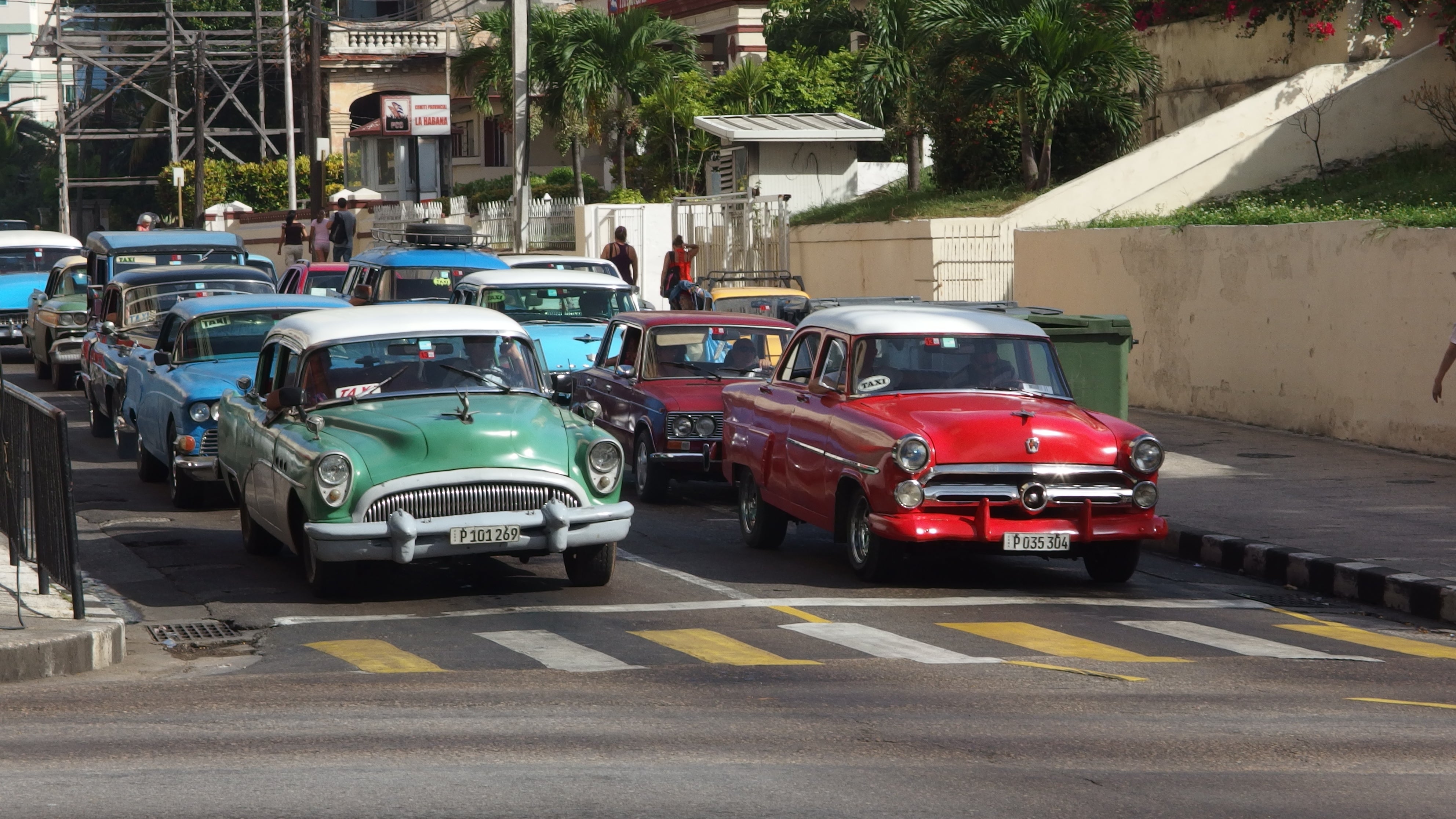
Why the fuel shortage?
Following the US seizure in January of the Venezuelan president, Nicolas Maduro, a key source of Cuba’s oil was interrupted. Mexican suppliers began to make up the shortfall. But in an executive order that took effect on 30 January, Donald Trump claimed: “The policies, practices, and actions of the government of Cuba directly threaten the safety, national security and foreign policy of the United States.”
The US president said that punitive tariffs would be imposed on any “country that directly or indirectly sells or otherwise provides any oil to Cuba”. As a result, supplies have dried up.


What is the effect on flights?
Considering its size and location, Cuba has relatively few flights – and they have just become even more scarce.
The island’s aviation authorities have warned in a Notice to Air Missions (Notam) that “Jet A1 Fuel Not Avbl [available]” from 5am GMT on Tuesday, until the same time on 11 March. The warning applies to the Cuban airports of Havana, Varadero, Santiago de Cuba, Holguin, Santa Clara, Cayo Coco and others.
As a result, Air Canada has cancelled its entire weekly programme of 32 flights between Canadian and Cuban airports.
The airline says: “Air Canada took the decision following advisories issued by governments (Notams) regarding the unreliability of the aviation fuel supply at Cuban airports.
“It is projected that as of February 10 aviation fuel will not be commercially available at the island’s airports.”
WestJet of Canada has also started cancelling some flights.
Some British travellers to Cuba travel via Canada. If they have booked tickets through Air Canada or WestJet, they will be able to obtain a full refund.
What will happen to passengers who are in Cuba but are due to fly home?
Thousands of passengers waiting to fly home from Cuba are set to be brought out on special “ferry flights”.
Air Canada says: “For remaining flights, Air Canada will tanker in extra fuel and make technical stops as necessary to refuel on the return journey if necessary.”
The term “tanker” means flights to Cuba will be loaded with more fuel than is required for the outward journey. If there is not enough remaining for the return leg, Air Canada will divert to locations such as the Bahamas to top up tanks.
Will other airlines follow suit?
At present, many of the links with Havana and other Cuban airports are from nearby airports (including Miami), from which it is no problem to tanker in fuel.
The main European flights are on Iberia and Air Europa from Madrid to Havana, from Paris to Havana on Air France, from Istanbul on Turkish Airlines and from Moscow on Rossiya. It is likely these aircraft will make a technical stop to refuel for the return leg.
What about shortages on the island?
The Foreign Office has issued a stark warning, saying: “Cuba is experiencing serious issues with its national power grid and fuel supply. Prolonged power outages – over 24 hours in some instances – are a daily occurrence across the country, affecting water supply, lighting, refrigeration and communications.
“There is also a shortage of fuel affecting transportation and resulting in long queues at petrol stations. The fuel shortage also impacts resorts and businesses which often rely on oil/diesel-powered generators.
The Foreign, Commonwealth and Development Office (FCDO) advises: “Take precautions by conserving fuel, water, food and mobile phone charge, and be prepared for significant disruption. The Cuban government has imposed strict limitations on the purchase of fuel at petrol stations from 7 February 2026. This will impact travel within Cuba.
“We understand that some tourists are being relocated to different hotels to maximise fuel consumption from generators.”
Can I cancel if I have a holiday booked?
If you have bought a flight-only ticket and the plane is still going, you have no right to cancel. If you have a holiday booked and your travel firm can provide the trip as agreed, again there is no obligation to give you a refund. If, though, the situation on the island makes it impossible to organise the planned itinerary, you should be given the option to cancel.
Were the Foreign Office to warn against travel to Cuba, you would have the right to cancel for a full refund. Travelling against FCDO advice renders standard travel insurance policies invalid.
Read more: How Cuban tourism has been traumatised
Join our commenting forum
Join thought-provoking conversations, follow other Independent readers and see their replies
Comments
Bookmark popover
Removed from bookmarks