Another city bans check-in keyboxes from its streets
Starting from January, fines of up to 400 euros will be put in place
Milanese authorities have issued a directive for owners of short-term rental properties, demanding the removal of self-check-in keyboxes from public areas across the northern Italian city. The move, announced on Thursday, is a direct response to growing concerns over overtourism.
While these keyboxes offer convenience, enabling guests to access properties without direct host interaction and saving time for both parties, they have drawn criticism. Opponents argue that the devices are an eyesore and raise significant security concerns due to the lack of face-to-face check-ins.
"Self check-ins by guests leads to the improper use of public space for the benefit of private individuals," city councillor Michele Albiani said in a statement.
"Furthermore, the uncontrolled proliferation of lockboxes may cause inconvenience for residents," he added.
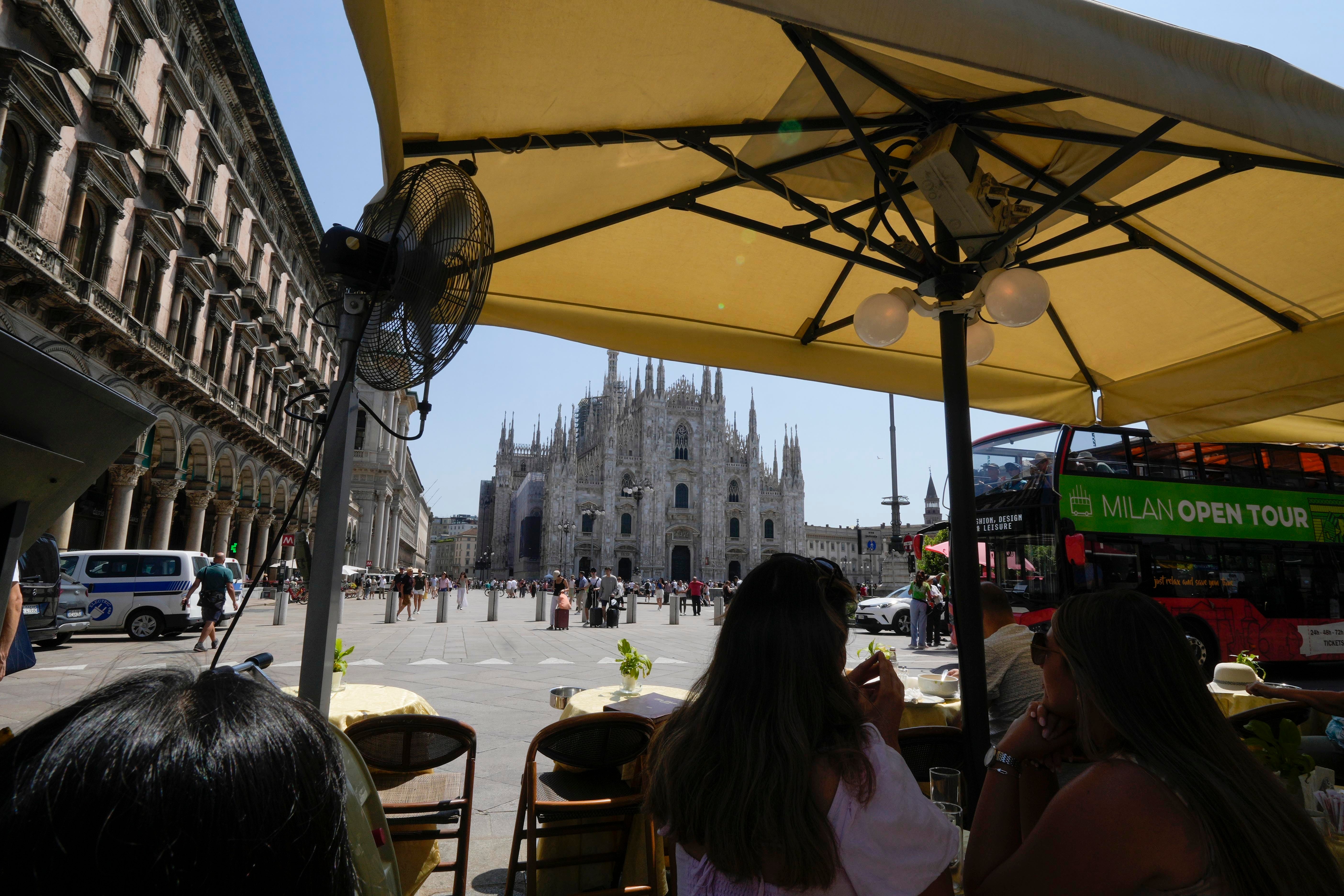
Starting from January, fines of up to 400 euros ($466) will be imposed on home owners who fail to comply, the city council said. A similar measure was introduced in Florence earlier this year.
Short-term rentals, often listed on online platforms such as Airbnb, are common in tourist hotspots such as Italy, but are politically sensitive amid Europe-wide protests over overtourism and soaring rents.
Prime Minister Giorgia Meloni's rightist coalition recently dropped plans to scrap a tax break on short-term rentals, a move that had been intended to encourage landlords to rent to long-term residents rather than tourists.
Earlier this year Airbnb blamed the hotel industry for overtourism in Europe following criticism that its services are pricing out local residents in popular holiday destinations and contributing to overcrowding.
Theo Yedinsky, vice-president for public policy at the home rentals company, said that his company was the victim of “scapegoating” by local authorities in cities such as Barcelona, following a spike in anti-tourism protests across the continent.
Rather than short-term rentals, Mr Yedinsky said it was, in fact, the hotel industry that was contributing to overtourism, not Airbnb properties.
“We end up getting a lot of the blame, especially in city centres [but] the reality is overtourism is really driven by the hotels,” he told the Financial Times.
“It is totally unfair.”
Join our commenting forum
Join thought-provoking conversations, follow other Independent readers and see their replies
Comments
Bookmark popover
Removed from bookmarks