Blind student awarded £18,000 in compensation after falling onto train tracks
Abdul Eneser, 23, injured his knees, hands and neck in the incident at Manchester Piccadilly in May 2022
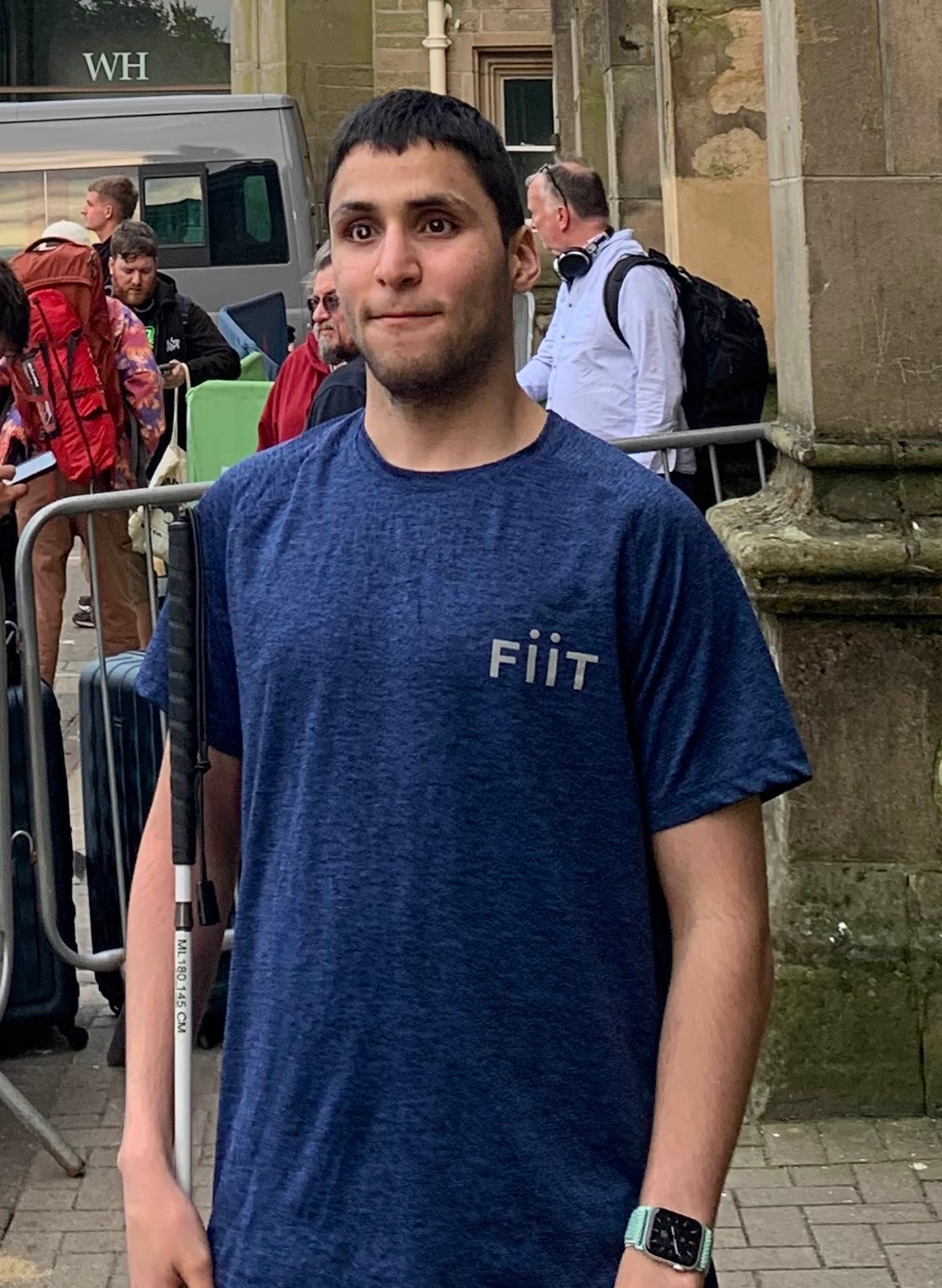
A blind student who fell onto train tracks at a railway station after an assistance service failed to meet him has secured £18,000 in compensation.
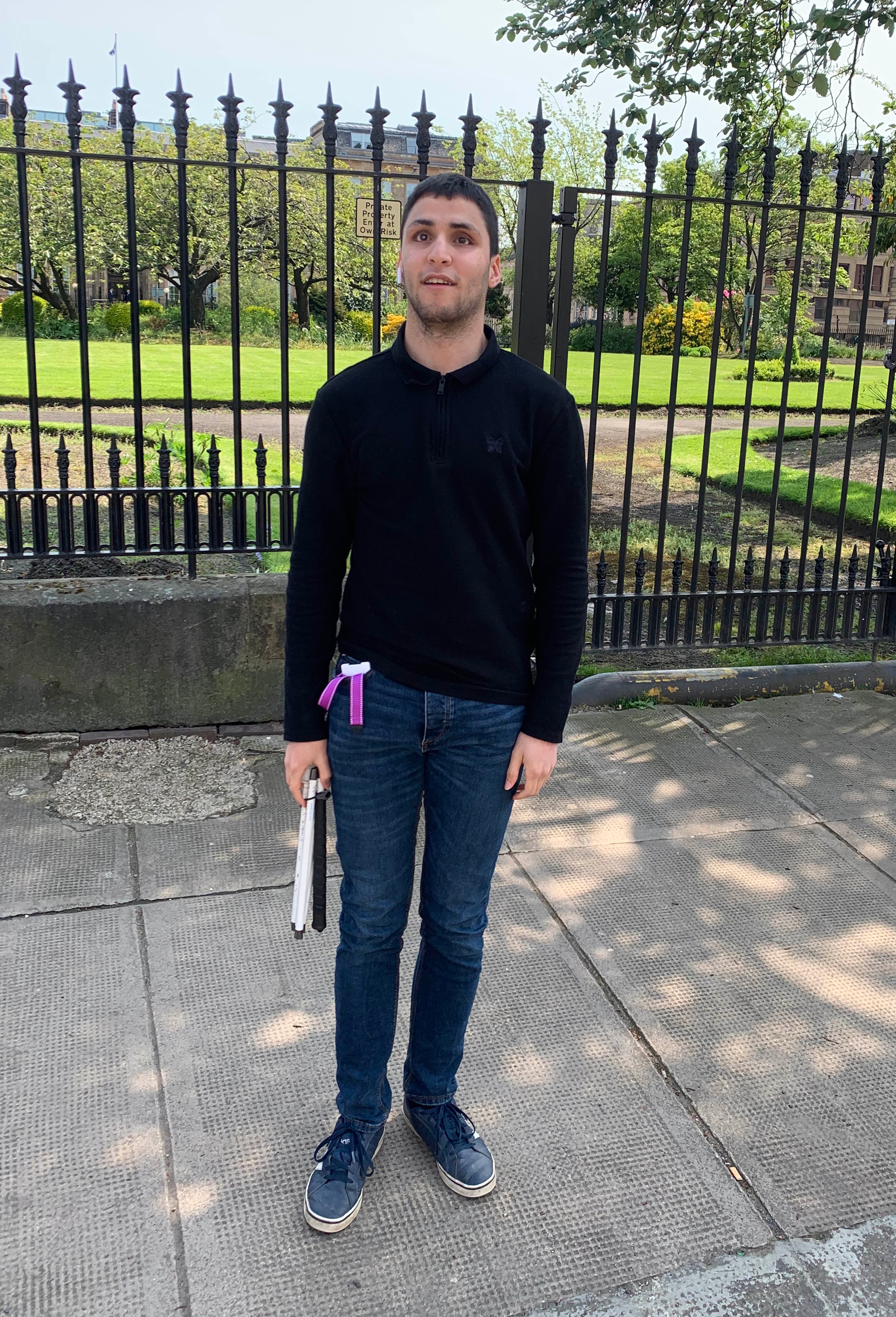
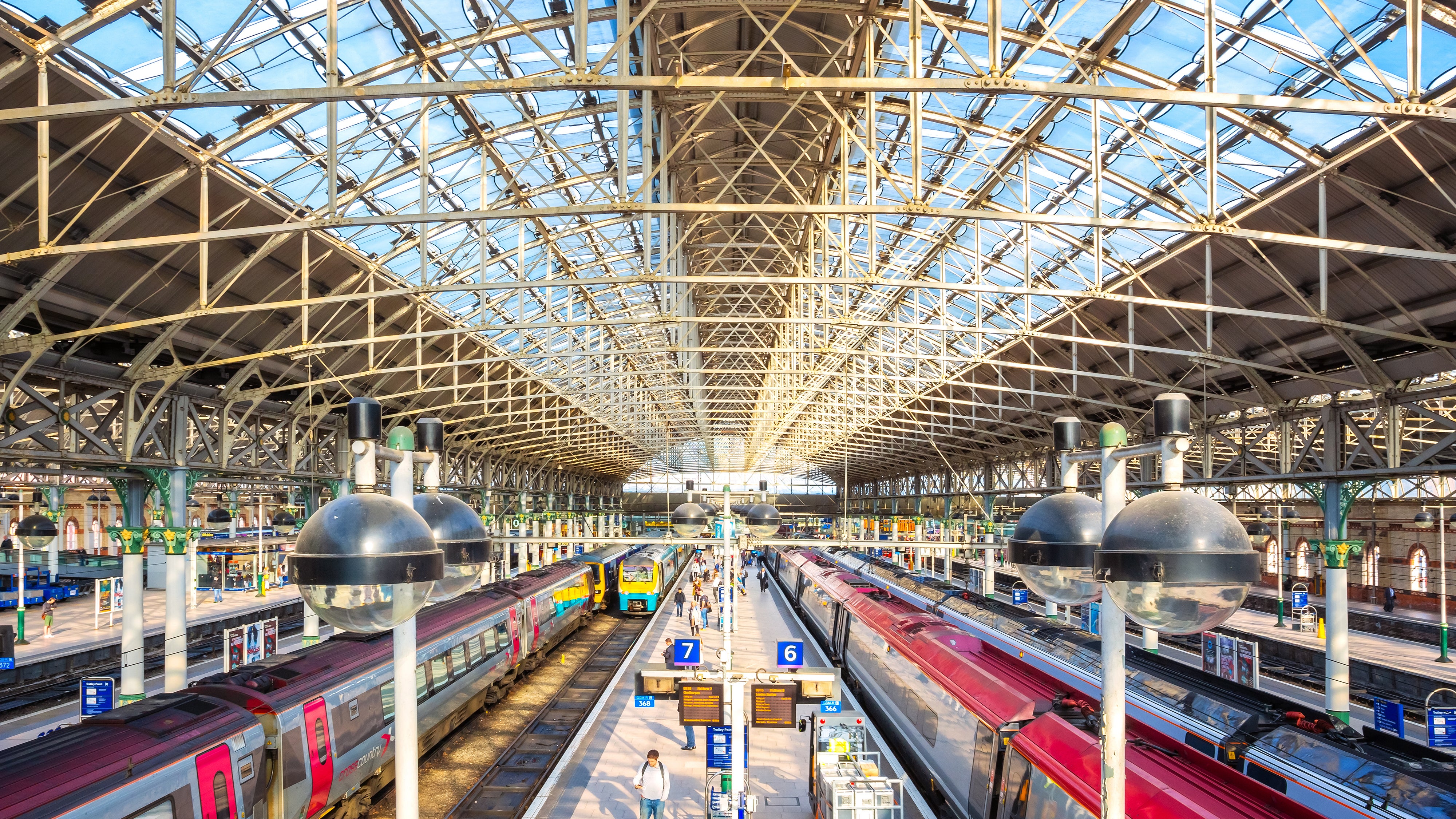
Abdul Eneser, 23, injured his knees, hands and neck and suffers from ongoing anxiety after the incident at Manchester Piccadilly in May 2022, law firm Leigh Day said.
The masters law student at the University of Strathclyde had booked Passenger Assist in advance but arrived by train at the station on a later service than planned after missing a connection at Preston because of delays.
Avanti West Coast staff at Preston told him they would radio through to Manchester Piccadilly to tell them he was on the train, but when he arrived after midnight, there was no one there to meet him.
He was later told that all Passenger Assist staff had gone home.
Mr Abdul tried to find the steps to leave the station but fell onto the tracks.
He managed to pull himself back onto the platform one minute before a non-stop freight train passed through on the same tracks, Leigh Day said.
The law firm launched court proceedings against Network Rail under the 2010 Equality Act and the Occupiers Liability Act 1957, for failing to install tactile paving at the station.
This paving is used to warn blind and visually impaired people that they are approaching a hazard, such as a platform edge, often by using raised studs.
Network Rail did not admit liability but agreed to pay Mr Abdul compensation, according to Leigh Day.
The amount is understood to be £18,000, which was first reported by the Guardian.
Mr Eneser said: “This case is about much more than compensation. Poor accessibility in rail travel is not just a one-off issue.
“This is something that prevents myself and others with visual impairments from travelling with confidence.
“I’m not always sure that I’ll be met with the right level of support to complete my journeys.
“At the best of times, it makes travel stressful, and in the worst-case scenario it can be really dangerous.”
Leigh Day senior associate solicitor Kate Egerton said: “Network Rail and train operators have a clear obligation to ensure that train stations are accessible for all.
“Not only is it distressing for passengers with visual impairments to try to navigate inaccessible platforms and services, it is also extremely dangerous.
“Whilst I am pleased that we were able to secure this settlement for Abdul, his case and continued experiences highlight wider accessibility issues across the rail network that need to be addressed.”
A Network Rail spokesperson said: “We are extremely sorry for the experience Abdul Eneser suffered at Manchester Piccadilly.
“We let him down and have offered him our full and unreserved apology.
“We recognise that there is much to do to make the railway more accessible for all and are working closely with industry partners to deliver these improvements across the rail network as quickly as we can.”
In July last year, the Department for Transport said the roll out of tactile paving across all railway stations in Britain had been completed.
This followed the death of blind charity worker Cleveland Gervais, 53, who fell from a platform at Eden Park station in Beckenham, south-east London – which had no tactile paving – in February 2020 and was struck by a train.
Join our commenting forum
Join thought-provoking conversations, follow other Independent readers and see their replies
Comments
Bookmark popover
Removed from bookmarks