Secret Colosseum tunnel used by Roman emperors reopens after nearly 2,000 years
It is believed Emperor Commodus survived an assassination attempt while walking through the tunnel
For the first time in nearly 2,000 years, a hidden imperial passage at Rome’s iconic Colosseum is set to open to the public, offering a unique glimpse into the ancient amphitheatre’s past.
From 27 October, visitors will be able to explore the once-secret corridor, known as the "Commodus Passage", which allowed Roman emperors to reach their reserved honour box overlooking the games, unseen and protected.
Named after Emperor Commodus, who reigned between 180 and 192 A.D. and was famously depicted in Ridley Scott’s film Gladiator, the passage was initially discovered in the 1810s.
Commodus was renowned for his passion for gladiatorial contests, and historical accounts suggest he even survived an assassination attempt while traversing the tunnel.
Archaeologists at the Colosseum Archaeological Park have revealed that remnants of decorative elements were found at the passage entrance.
These included depictions of boar hunts, bear fights, and acrobatic performances, which served as a fitting artistic prelude to the brutal spectacles that awaited within the arena.
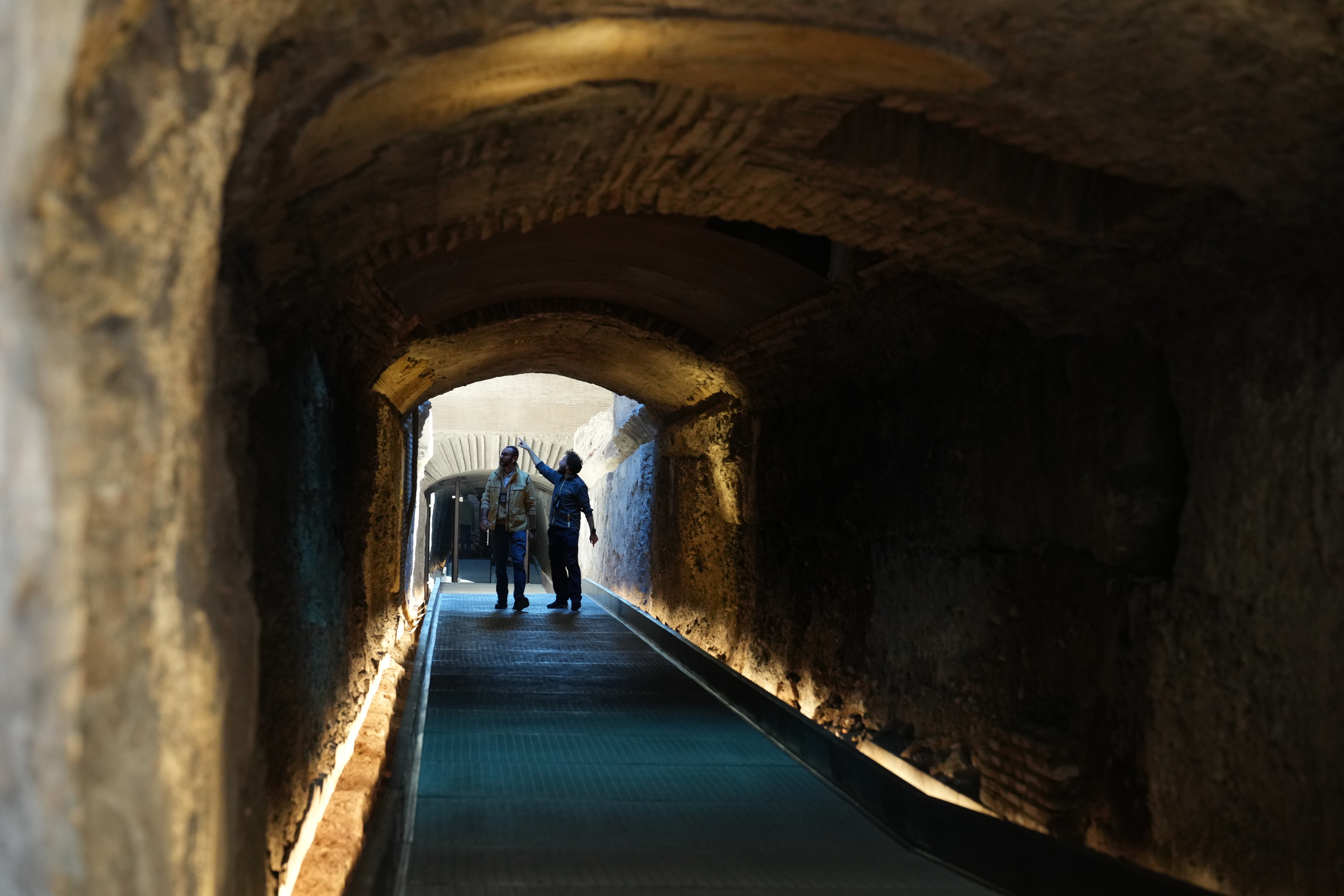
This extraordinary opening marks a significant milestone in archaeological preservation and public access.
The corridor is shaped as an ’S’ and continues outside the Colosseum arena, but its final destination remains uncertain.
“Visitors can now have a taste of what it was like to be an emperor entering the arena," said Barbara Nazzaro, the architect who oversaw the restoration works.
“With a little effort of imagination and the help of a virtual reconstruction, they can appreciate the decorations, stuccoes, frescoes and marbles that covered the walls.”
The project — completed between October 2024 and September 2025 — included structural conservation, restoration of decorative stuccoes and plasters and the installation of a new walkway.
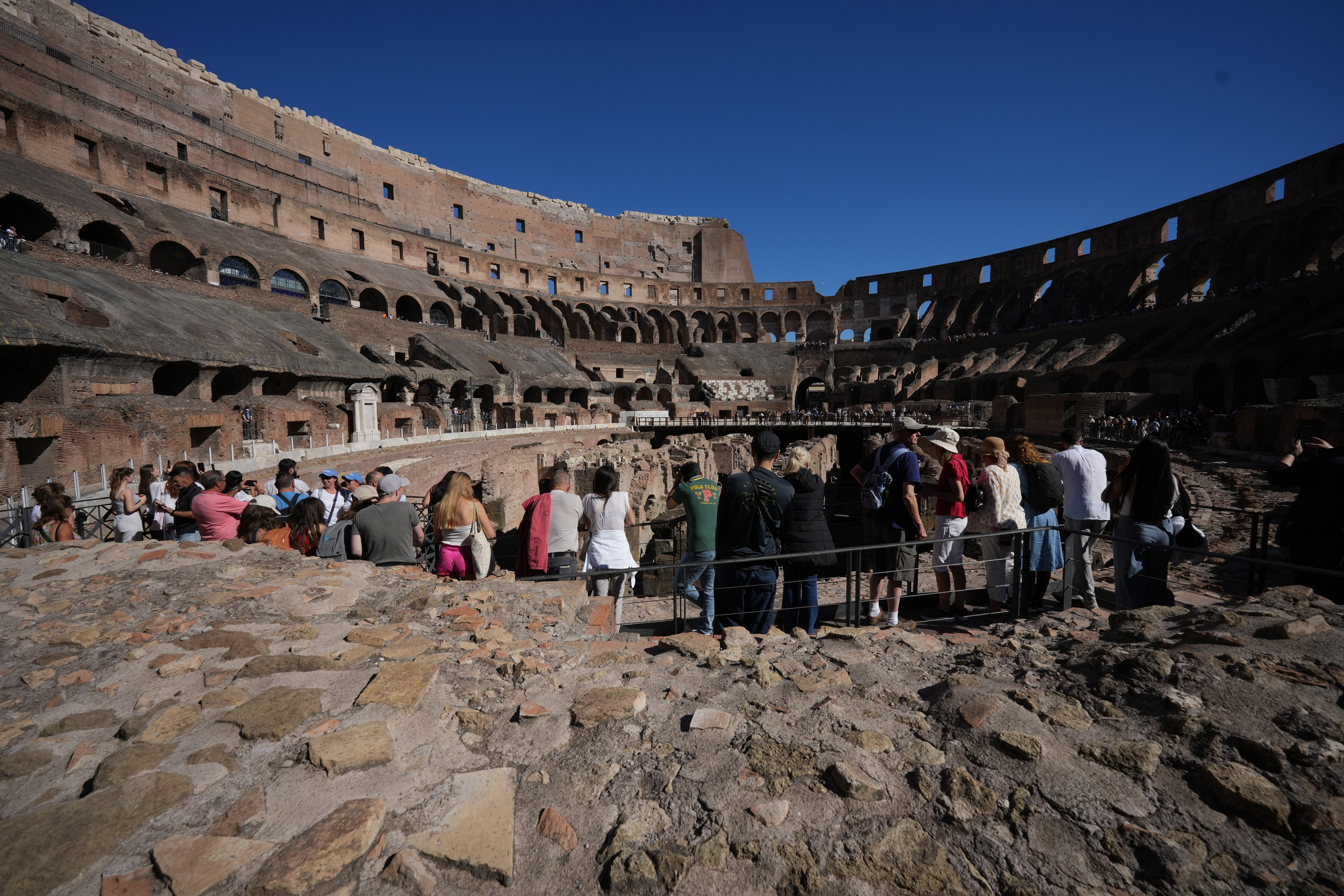
A new lighting system recreates the natural light that once filtered through small vault openings, and a digital reconstruction helps visitors visualise the passage’s original appearance.
A second restoration project, expected to begin in early 2026, will involve the section of the tunnel extending beyond the perimeter of the Colosseum.
Join our commenting forum
Join thought-provoking conversations, follow other Independent readers and see their replies
Comments
Bookmark popover
Removed from bookmarks