Where should we visit on our Portugal to UK road trip?
Simon Calder answers your questions on Bulgaria, French cities and flights to the Azores

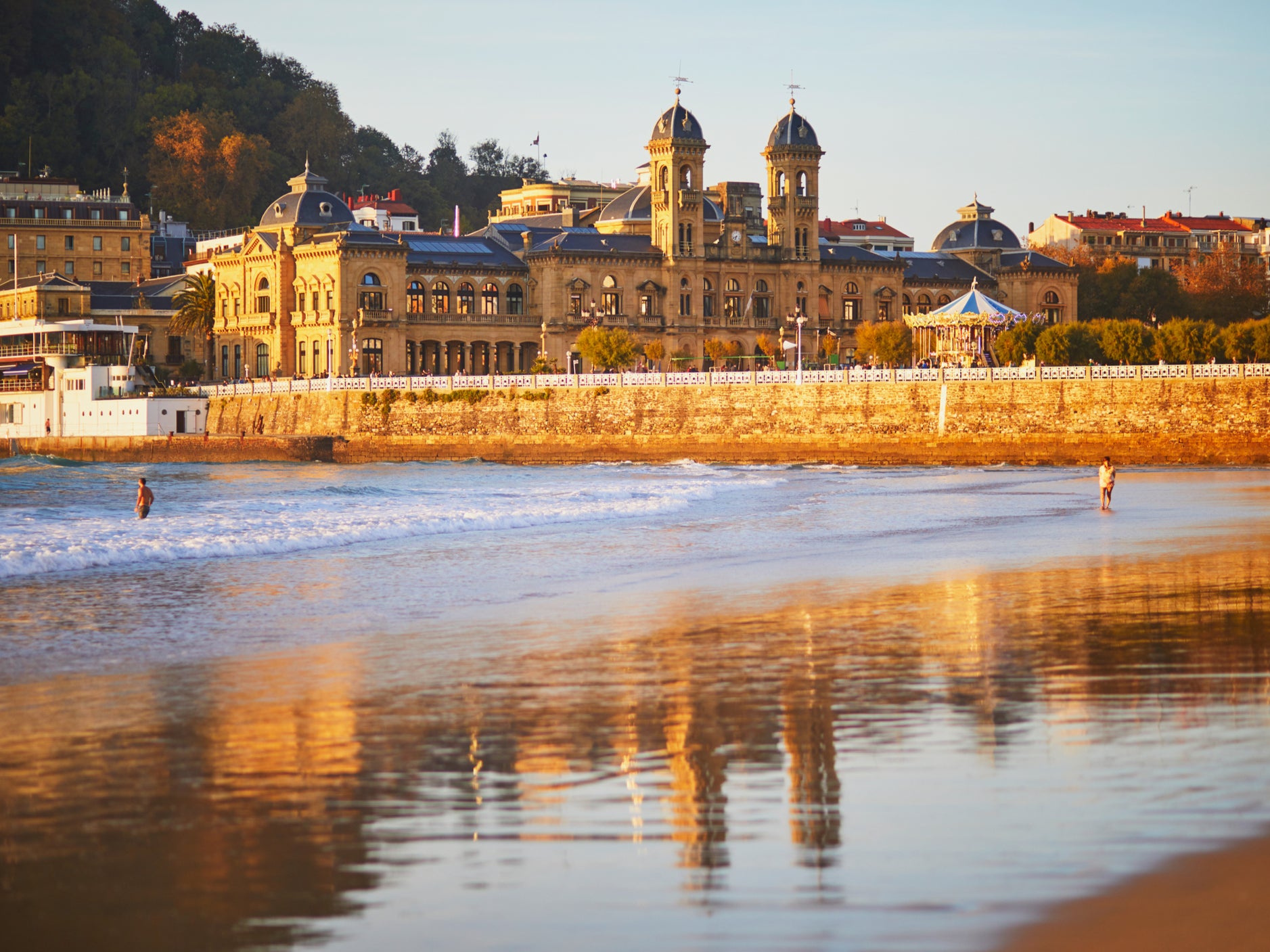
Q We have planned a road trip back from Portugal to the UK, pausing in San Sebastian and Tours (France). Anywhere else we should check out along the way?
Carol K
A As I have previously mentioned, San Sebastian, tucked into Spain’s beautiful north coast just west of the French frontier, was the first Spanish location I visited; I fell in love with the Basque city at first sight. But there is plenty more of interest nearby. Pause in the pretty French border town of Hendaye – and perhaps meander inland for about 20 miles to St-Jean Pied-de-Port, an important and enchanting stop along the pilgrimage trail to Santiago. Lunch by the sea in Biarritz is always rewarding, too.
Between here and Tours, you could branch off towards Rochefort – steeped in naval history, and with a fine setting on the Charente estuary. Even La Rochelle and the serene Ile de Re will not add too many miles to the journey.
Just east of Tours itself, you could pick a Loire chateau or two to visit, particularly Langeais and Villandry, and then follow the dreamy river upstream to the city. I am not sure which Channel crossing you plan to use, but you will probably be passing Le Mans. Sadly, the Museum of the 24 Hours of Le Mans – celebrating the legendary motor race – is currently closed, but the city’s Roman walls are well-preserved and worth a walk. If you are aiming for Dieppe or Calais for your crossing, Rouen will make an excellent stop. Perhaps, though, you are sailing back from Cherbourg or Le Havre. Plan a few hours in either city before your sailing: they have plenty worth exploring. Cherbourg celebrates its role in transatlantic travel (not least as the last European port the Titanic was moored in), while Le Havre is fascinating for those of us interested in ambitious post-war architecture.
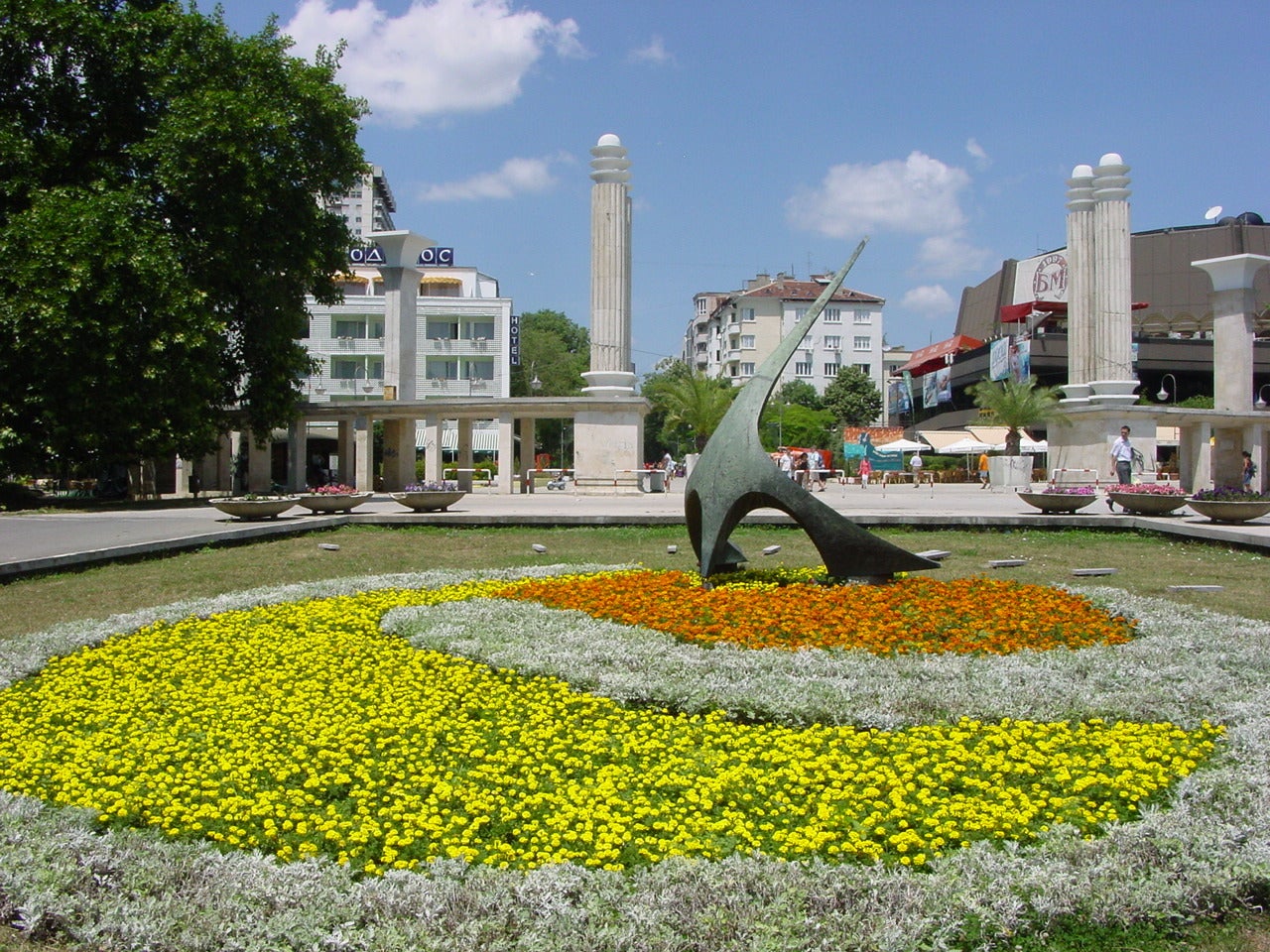
Q We are going to Bulgaria for the first time next week. What currency should we take: local or euros?
Name supplied
A You have made an excellent choice of destination. Bulgaria offers cheap and cheerful sunshine on the shores of the Black Sea. Package holidays may not deliver quite the quality you might find in Spain or Portugal, but the prices are commensurately low.
The locals are welcoming, the food fresh and excellent. If you can be tempted away from the seaside, there is much to enjoy culturally, particularly in Plovdiv. This fine city with Roman origins is about five hours by train from Bourgas, the city at the southern end of the Black Sea shore.
The local currency is the lev, which is said to mean “lion” in old Bulgarian (though that is not one of my specialist languages). The nation is cash-oriented, rather than a credit-card economy. For holiday spending, please take neither leva (the plural) nor euros. You could obtain Bulgarian currency in the UK, but only at a poor rate. For example, the Post Office is offering 2.11 leva for each pound, compared with the prevailing mid-market rate of £1 = 2.27 leva.
As with most former Eastern bloc nations, currency exchange in Bulgaria is a ferociously competitive and customer-friendly industry. That adds up to razor-thin margins. Even at the airport, you can expect a minimum of 2.20 per pound. And once in the resort, you should be able to shop around in search of £1 = 2.25 leva. Just take clean sterling notes (Bank of England, not Scottish or Northern Irish).
You also suggest taking euros. Traders across the Balkans will happily accept the single currency. Most will give a half-decent rate, and of course you can change the single currency for leva with ease at bureaux de change. Yet I suggest you leave at home any euros you might have – and actually reverse the transaction. In Bulgaria, as well as neighbouring nations, I always change more than I think I will need. Any that are left over I change for euros, ready for my next trip to Italy, Spain or wherever. The rates are so keen that I reckon I get a better rate converting sterling to leva and then to euros than I would receive at home with a straight £-€ conversion.

Q What are your top three French cities – not based on any logic, just your heart?
John H-J
A Let me first note some mighty cities that would make my top 10, but not the podium: Strasbourg, Lyon, Bordeaux and Toulouse. Each is rich in culture and colour, augmented by excellent places to eat and drink. Among smaller cities, I adore Avignon, Beziers and Perpignan: all of them intensely southern, a quality shared by two of my top three.
As you requested, I have gone with my gut reaction – and feel no uncertainty about naming my top three, in reverse order, starting with the bronze medal. I rolled into Marseille, aged 16, on a “classic” train from the north. Goodness, what a revelation. France’s main port has both astonishing diversity and a glorious setting. To be fair, some regard Marseille as worthy of only a one-word description: “gritty”. The western banlieue, down by the port, are best left behind as quickly as possible. But from the old harbour the beauty emerges as you climb the hills to the north and east. There is even a plausible beach within walking distance.
Nice, in second place, begins with a beach (though of pebbles rather than silken sand). Vieux Nice hangs on to its charm, however many tourists the world throws at it. To the west, the Negresco sparkles still across the Promenade des Anglais, reflecting the magnetic allure of Nice to foreigners like me. Add the Alpine foothills rising up behind the city centre, decorated with gems such as the Matisse Museum, and you have an almost-perfect tourist city.
Yet Paris has to top of the list. It was the first foreign capital I ever visited. Even as a teenager, I was immediately smitten by its sheer good looks and easy embrace. Happily, as it is the favourite overseas city for readers of The Independent, I am obliged frequently to return. I always stay in a new location, so I can enjoy a different piece of the Parisian jigsaw and appreciate the place from a fresh perspective. And the city never disappoints.
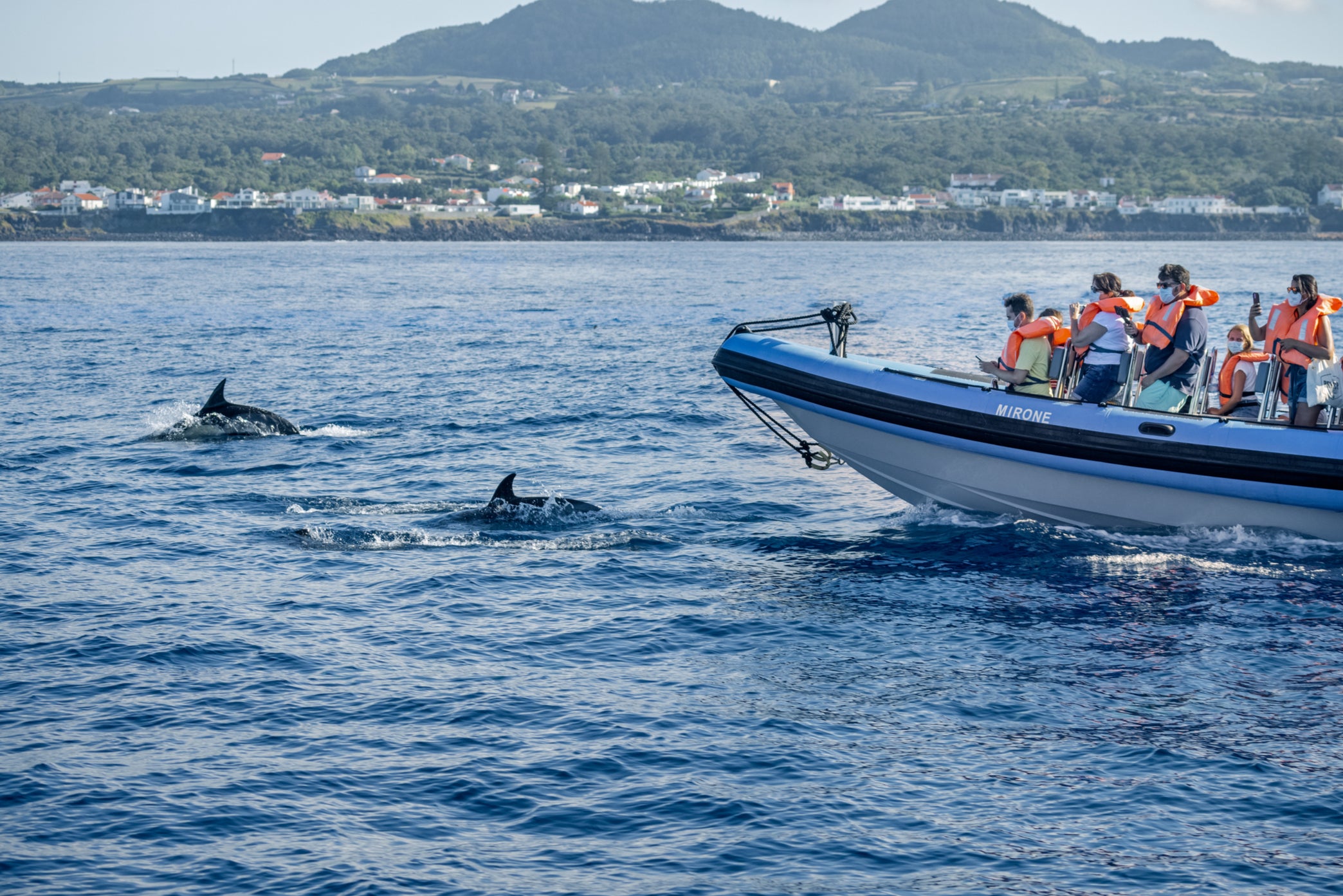
Q We want to go to the Azores (specifically Ponta Delgada) at Easter 2026 to go whale watching. We are struggling to find direct flights from the UK. Are there any yet to be announced? We are based in Leeds but happy to drive south.
Steve D
A Ponta Delgada presides over the island of Sao Miguel – and is the capital of the Azores, the magical Atlantic archipelago about 1,000 miles west of mainland Portugal. You can go one better than whale watching: swimming with the cetaceans in the ocean, on a professionally organised excursion. The city is an excellent base for a whole range of adventures, including cycling, hiking and some natural spa options.
Nonstop budget flights from London Stansted on Ryanair began a decade ago, opening up access to the Azores; going via Portugal was always slow and expensive.
Yet to my surprise, flights are dwindling. I would expect to see departures ramping up sharply from the last Sunday in March, when the clocks go forward and the airlines’ summer schedules officially begin. Convenient for an Easter escape, since it is relatively early next year (Easter Sunday being on 5 April). But according to the current schedules, there is no summer surge in 2026.
The good news is that British Airways resumes flying from London Heathrow to Ponta Delgada for the summer on Saturday 4 April; the bad news is that a return flight (coming back a week later) is a staggering £815. That’s 50 per cent higher than a trip to New York, which is over twice as far away. If you can postpone your visit by a week to fly out on 11 and back on 18 April, the BA basic fare on those dates is £279 return, which I would probably grab now.
Should Easter be a fixed requirement, my advice is not to book yet. Given the high yields BA is evidently winning on the route, a budget airline – probably Ryanair – may step in with flights to Ponta Delgada. They would likely be from Stansted, which is slightly easier to reach from Leeds than from Heathrow. And if I am wrong, you can always put together a Manchester-Lisbon and Lisbon-Ponta Delgada trip using budget airlines; you might want to plan overnight stays in Lisbon in each direction in case of flight disruption.
Email your question to s@hols.tv or tweet @SimonCalder
Join our commenting forum
Join thought-provoking conversations, follow other Independent readers and see their replies
Comments
Bookmark popover
Removed from bookmarks