Will dynamic pricing make train capacity issues worse?
Simon Calder answers your questions on rail fares, stopovers in the US and China, and border rules for ferries to France

Q Dynamic pricing on trains: does this mean pricing people out of peak-time travel instead of increasing capacity?
Billy B
A When I talked to the rail minister, Peter Hendy, on the day of the big reveal of Great British Railways, he was clear about the need to reform the byzantine system of rail fares in the UK – and equally clear on the importance of managing demand on intercity trips.
When there is a limited amount of capacity for a highly perishable commodity – such as a seat between London and Edinburgh – the best way to manage it is through dynamic pricing: adjusting fares according to demand. The airlines were first to demonstrate that if you have a scarce resource, such as a seat on a flight from London to New York, you should adjust fares to optimise revenue and maximise occupancy.
The idea that a seat from London to Edinburgh should cost the same on a wet Wednesday lunchtime or at teatime on Friday can look attractive. You can look upon it as simply a mechanism for moving a person 393 miles between the English and Scottish capitals. So why have any variation in price? Because humans have commitments and priorities that make time a relevant dimension of pricing.
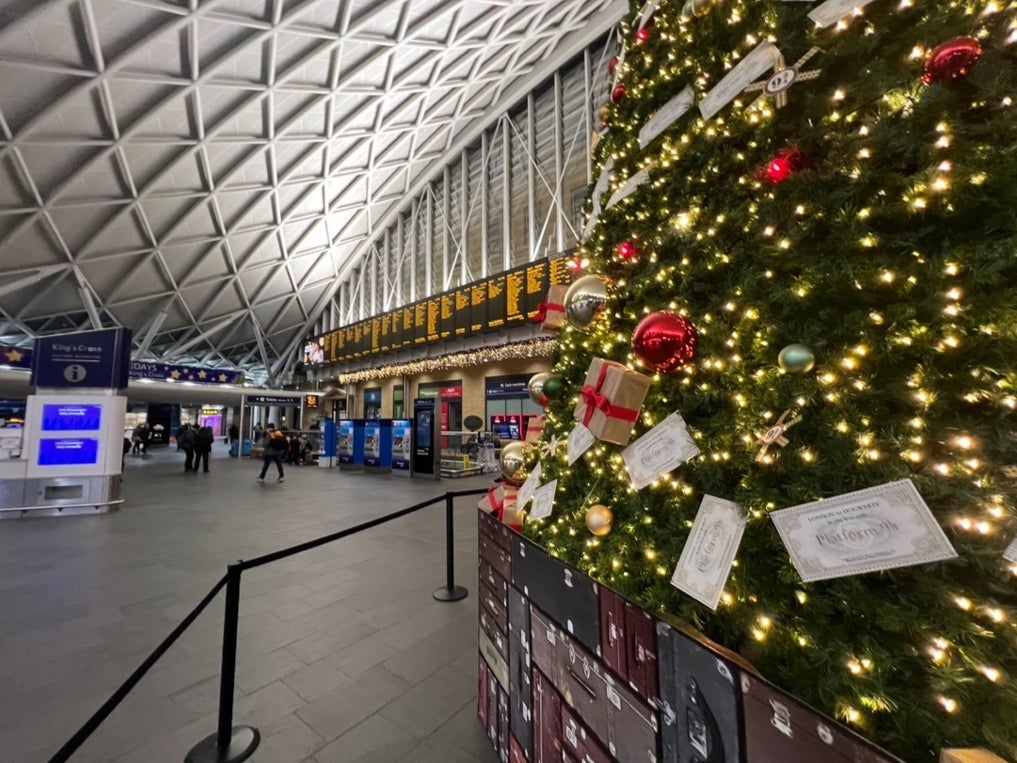
Flat fares work well only for the relatively small number of people who manage to grab a ticket priced at far below market rates for those high-demand days. Such trains are likely to be hugely oversubscribed. Lord Hendy talked, with a little exaggeration, of “14,000 people” trying to board the 6pm from London King’s Cross, while many other services would be almost empty.
It is more efficient and fairer to match travellers to seats by pricing: setting higher fares for the most in-demand departures and, conversely, offering very low fares for trains that would otherwise be carrying little more than fresh air. Passengers who are most flexible get the best deal. Dynamic pricing is the least bad solution for allocating scarce capacity, as well as maximising revenue, which may ultimately reduce the subsidy that taxpayers provide to the railway.
Q I read about the plan to make people going to the US provide their social media details to get an Esta. Would this affect passengers stopping off in the US? In May I am flying from Auckland to London via Los Angeles.
Jeremy B
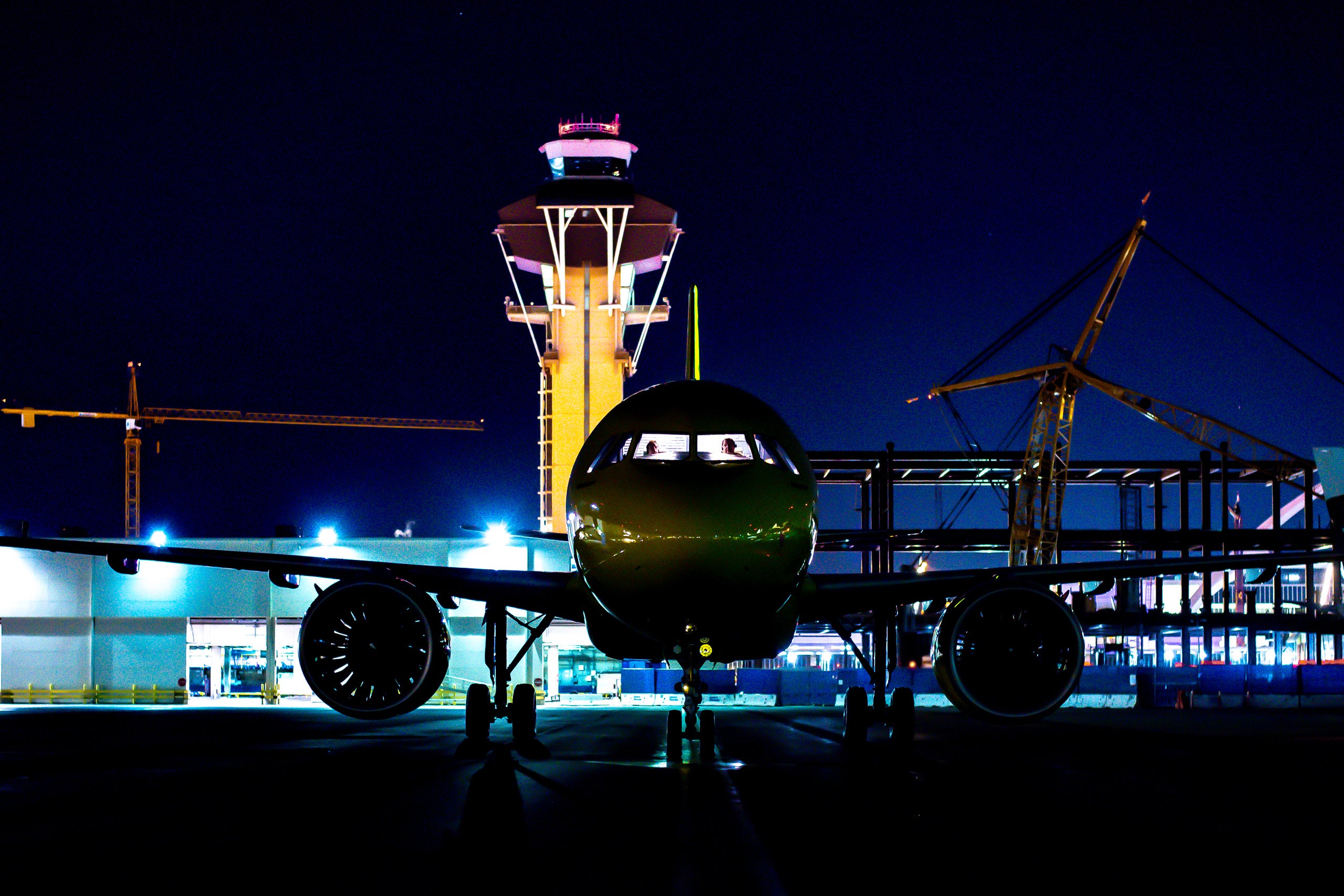
A All international passengers arriving at US airports are obliged to go through a full Customs and Border Protection check. Even if they are transit passengers planning to stay for just a few hours between flights, they are treated as though they were planning to stay for months.
During the time Air New Zealand flew all the way from Auckland via Los Angeles to London, passengers were given special dispensation to circumvent the red tape and stay in a special transit holding point during refuelling. But now a change of planes is required, anyone connecting at LAX or another hub will need to obtain an Esta (Electronic System for Travel Authorisation).
The permit costs $40 (£30) and allows multiple stays of up to 90 days within two years. At present, the application process merely invites prospective visitors to reveal their social media accounts; it is not mandatory.
But a new document from the Department of Homeland Security sets out how Customs and Border Protection plans to comply with a demand that President Trump made when his second term began: that foreign visitors should be “vetted and screened to the maximum degree possible”. To do this, Customs and Border Protection says it will be compulsory for applicants to provide details of their social media activity from the last five years.
Officials will be able to scrutinise the applicant’s views and comments, and use that information to help decide whether or not to issue an Esta to the traveller. In practice, I think it is likely that a social media search will only be made if there are other factors that make the applicant a “person of interest”. But to avoid it, you can apply now without having to surrender your social media details.
Q I have eight hours at Guangzhou airport in China between flights on a journey from Melbourne to London. I looked for some kind of lounge or hotel in the terminal where I could rest, but the price appeared to be around £100, which is a quarter of what I paid for the entire flight. Any suggestions?
Rebecca M
A You have paid roughly half the going rate on better-known airlines such as Emirates, Qatar Airways or Singapore Airlines. The in-flight experience won’t be much to write home about. But the aircraft themselves will be modern Airbus A350 and/or Boeing 787 planes, with a 3x3x3 seating layout that is reasonably comfortable. In addition, you will spend less time actually in the air compared with most other routings, because Chinese carriers fly across Russia – a far quicker route.
I looked at the timing and can see why you would like somewhere to rest. You fly overnight from Melbourne, getting in to Guangzhou shortly before 6am, and depart again at 1.40pm.
In Terminal 2, which is where your flights will arrive and depart, the Plaza Premium Lounge costs £25 for a maximum of two hours. Eight hours would indeed rack up a bill of £100. In your position, I might go along to the lounge in person and discuss a solution with them: perhaps to pay for a pair of two-hour sessions but stay for the entire eight hours.
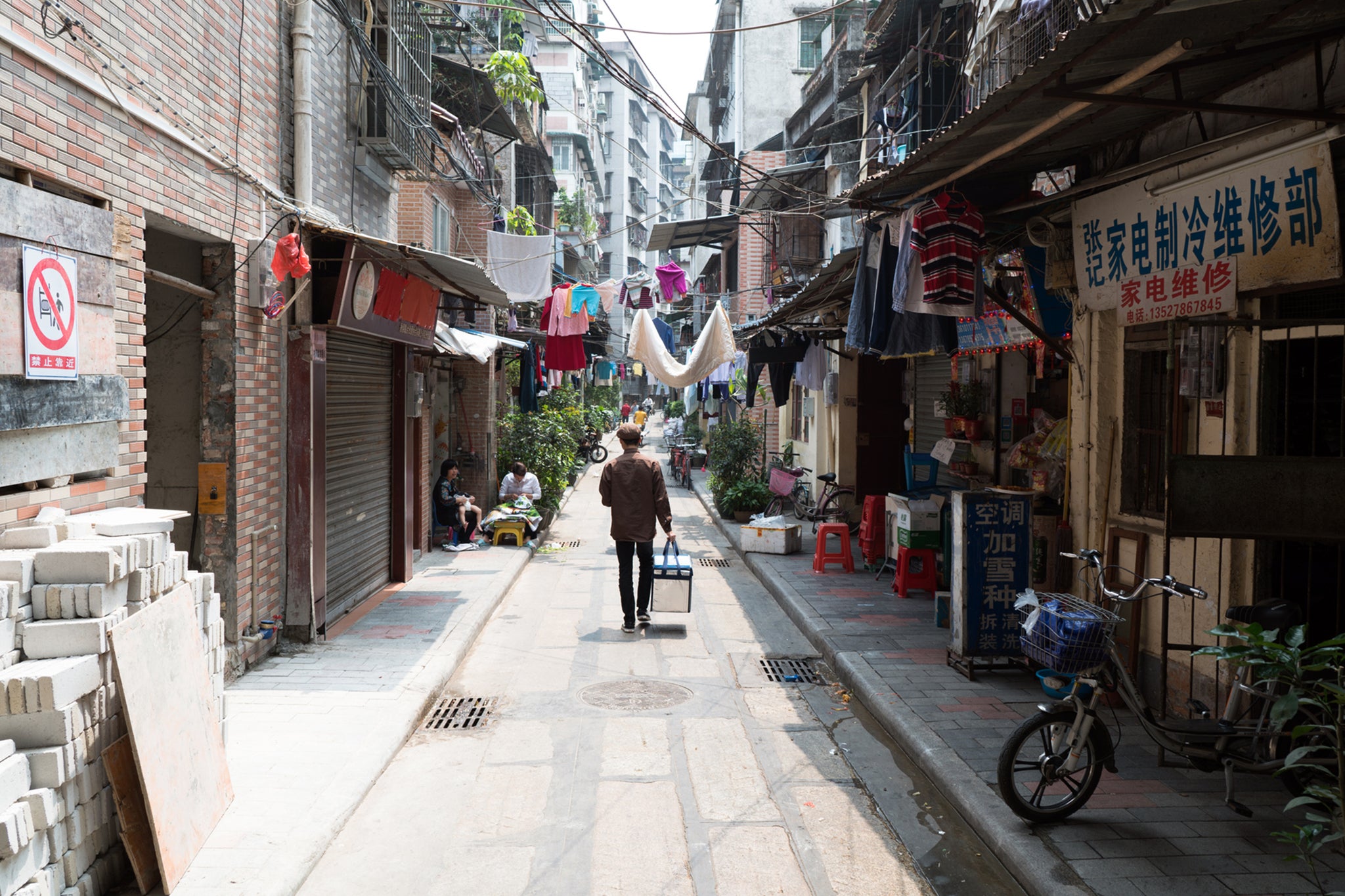
Had I managed to grab a bit of sleep on the flight, though, I would do something entirely different: exercise my right as a transit passenger to leave the airport and head into the centre of Guangzhou, a vast but manageable city. Terminal 2 has its own Metro station (“Airport North”). Trains take about 35 minutes on line 3 to reach Yantang, where you change to line 6 and continue to Beijing Lu. Everything is clearly signposted in English. You will be able to explore the historic core of the city, which is something of an oasis compared with the high-intensity activity elsewhere.
After a few hours of soaking up the atmosphere and eating some outstanding street food (get the WeChat or Alipay app for easy payment), retrace your steps and, hopefully, doze most of the way to London.
Q Can you please explain what happens at a UK port when you need to check in for a ferry leaving for France – in particular what happens now at passport control? Also, should I arrive at the port earlier to get processed?
Lyndon
A As Christmas approaches, with so many people on the move, I am getting more “what’s changed?” questions in the light of the EU entry-exit system (EES) roll-out. For most people, the answer is: nothing. Few Schengen area border posts have yet implemented the fingerprints-plus-facial biometrics requirements of EES. That applies to the main UK departure point for continental Europe, Dover. While the port has all the entry-exit system infrastructure in place, it has yet to be put into operation – and nothing will change before the New Year.
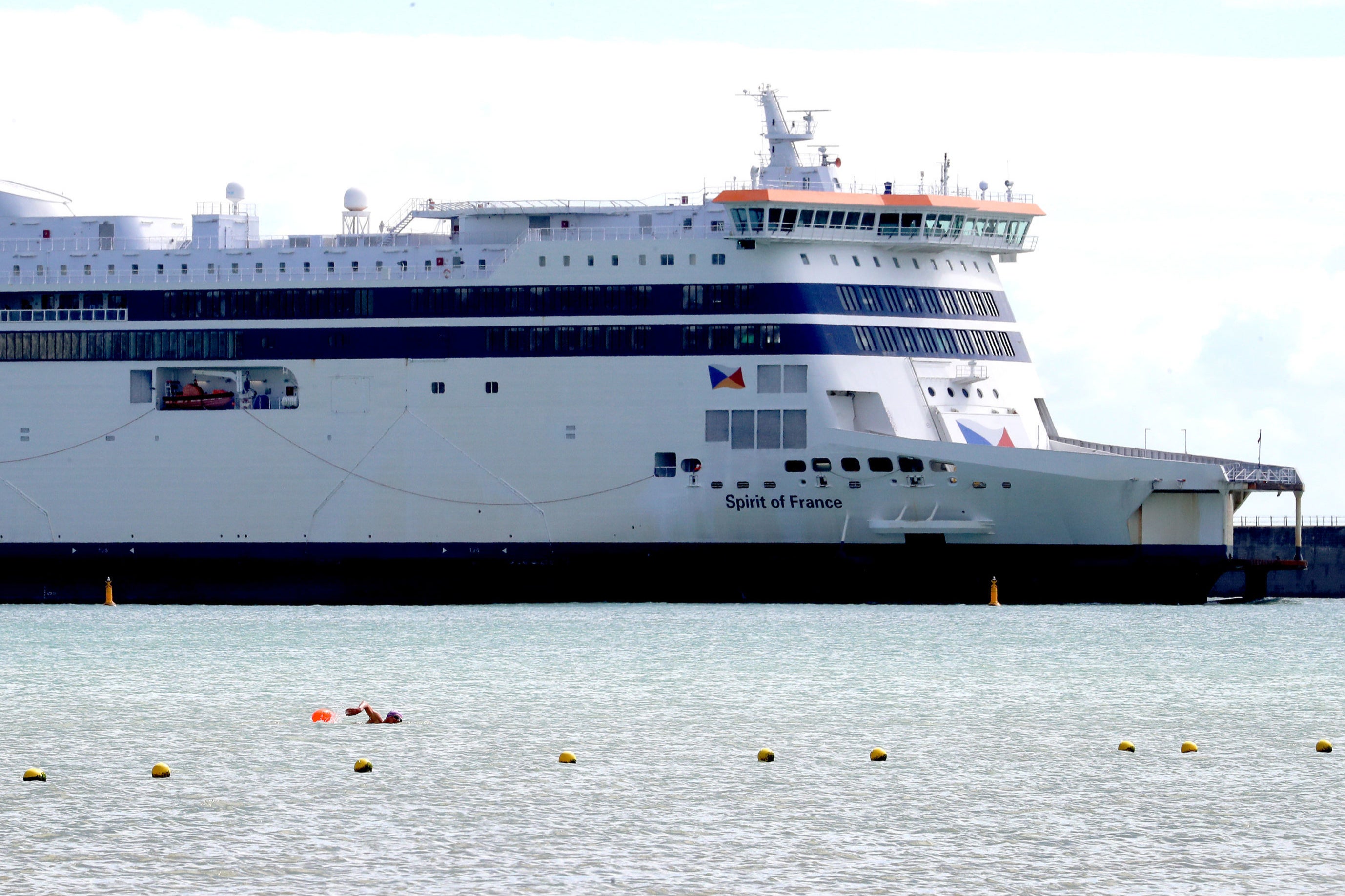
The chief executive of the Port of Dover, Doug Bannister, is asking motorists not to turn up any earlier than two hours before their scheduled sailing. Unlike aviation, there is no penalty for missing a ferry at Dover due to congestion; you will simply be rebooked on the next available sailing to Calais or Dunkirk free of charge. When the entry-exit system is fully in place, travellers will interact with it at Dover before boarding a ferry. The border controls are “juxtaposed”, with French frontier officials processing everyone while still on British soil. There is a special processing area at Western Docks, with cars then proceeding to the ferry port at Eastern Docks.
At all other ports, the system is different. There are no passport checks on leaving the UK. Whether a foot passenger or with a vehicle, you turn up as specified (at least 45 minutes ahead for Brittany Ferries at Portsmouth and Stena Line at Harwich) and board the ferry. Formalities take place on the continental side, and may or may not include the biometric element. Until 9 April 2026, passports will be scrutinised and stamped as normal – in addition to EES procedures, if these are in place.
Email your question to s@hols.tv or tweet @SimonCalder
Join our commenting forum
Join thought-provoking conversations, follow other Independent readers and see their replies
Comments
Bookmark popover
Removed from bookmarks