How Ramadan’s late-night chai culture can save London’s nighttime economy
As bars and clubs continue to close at a rapid rate in the capital, Queenie Shaikh explains how Islam’s holy month is a lesson in how to reinvigorate the city’s late night culture

On a freezing -2C January night in London, I walked across Piccadilly Circus. The Christmas lights and angels were gone, replaced by National Basketball Association posters to mark its return to the capital. At just after 11:30pm, the tourists had thinned out and Central London was left to the die-hards – avid nightclub-goers smoking and shivering, huddled around heat lamps and sat on the kerbside in flocks. A few groups were loitering, scanning the streets for somewhere – anywhere – to stretch the night a little longer.
Unlike global cities such as Tokyo, New York City and Dubai – where there are tea houses, 24-hour diners and cafes purely for late-night socialising – London offers far fewer options. Here, on most nights of the week, there are only two choices after-hours: go to the pub and spend an exorbitant amount on drinks, or go home.
Even that first possibility expires at 11pm thanks to licensing laws, as many venues are required by local councils to stop serving alcohol and close early. And if it weren’t for the Tube running a 24-hour service on Fridays and Saturdays, the night would end far earlier for Londoners. We’d be resigned to being buried under electric blankets, binge-watching trash telly.
Read more: Where to find Banksy artwork in London


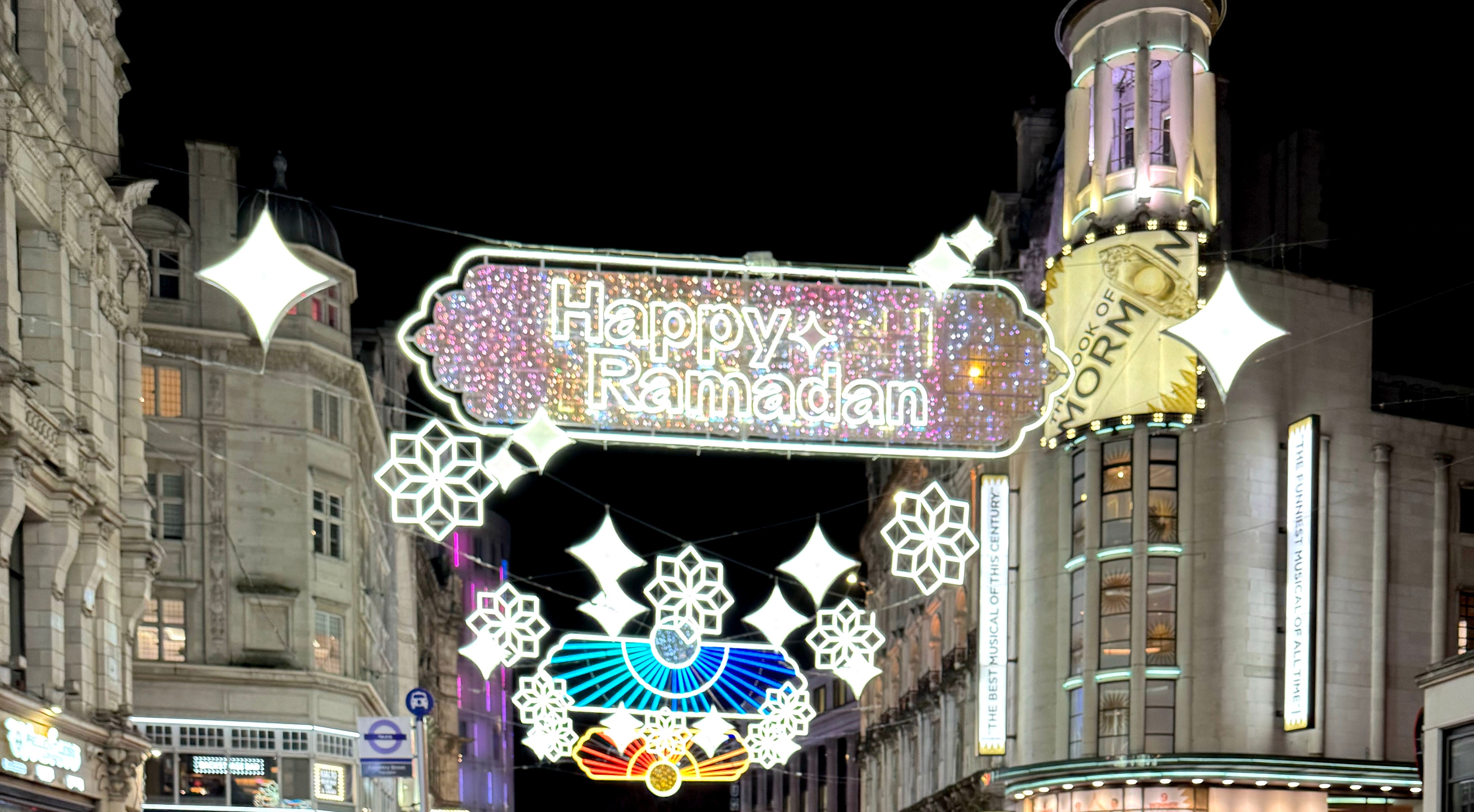
Though over the past few years, there’s one annual event that has caused a marked difference in after-hours habits: Ramadan. Each year, the month-long period of fasting observed by Muslims around the world brings a subtle shift to London. The streets become festooned with “Happy Ramadan” lights, and many halal cafes and restaurants change their hours to open just before iftar (the fast-breaking meal at sunset) and continue to accept customers well past suhoor (the pre-dawn meal).
In predominantly Muslim pockets of the city, such as along Edgware Road and around Regent’s Park, evenings stretch out late, as long conversations are fuelled by cups of chai. It’s an atmosphere that mirrors Muslim cultures across the Middle East, South and Southeast Asia.
It has also sparked a wider conversation about socialising without alcohol. With 43 per cent of young adults (aged 18 to 24) now choosing no and low-alcohol options – according to 2026 data – the landscape is shifting, and people are increasingly seeking out third spaces that aren’t centred on drinking.
Since 2020, the UK has lost 32 per cent of its nightclubs, while pubs are closing at a rate of one per day. Against that backdrop, Ramadan’s late-night culture feels like an outlier.
Read more: 20 best museums in London for 2025
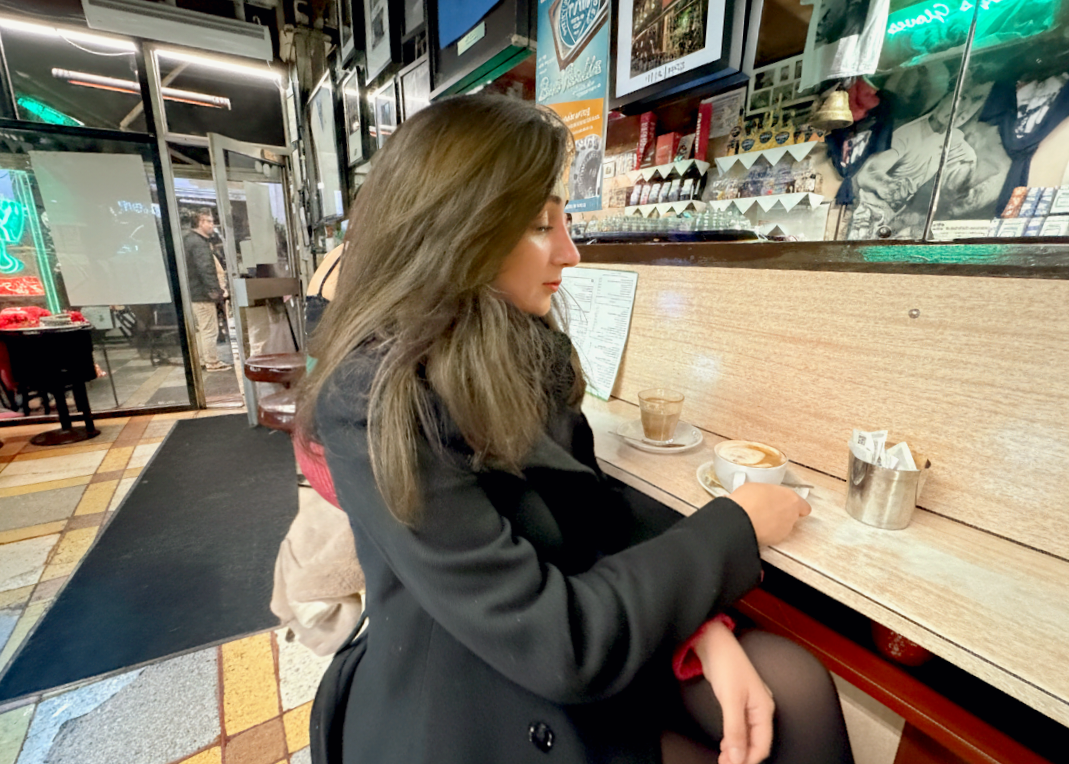
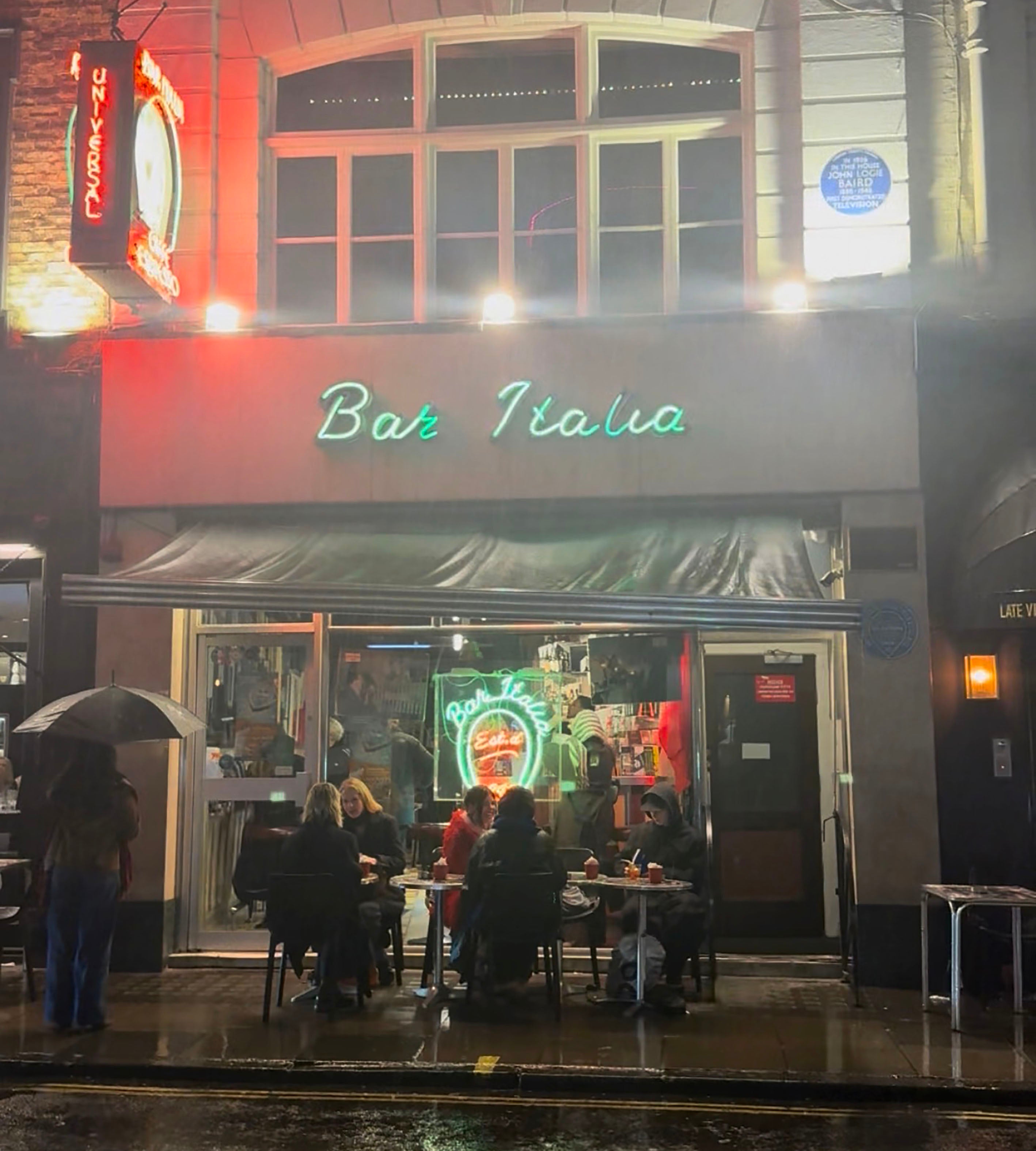
Though this isn’t a novel concept. At midnight, I meandered through Frith Street and opened the door to Bar Italia to catch up with a friend over coffee. Opened in 1949, the Italian cafe has long survived by being one of the few places in Soho still open until 4am, welcoming both drinkers and non-drinkers alike.
Outside, a blue plaque notes that the attic above the bar-cafe was the birthplace of television. Inside, a sign informed me that it was exactly 100 years to the day since television was invented. As we ordered cappuccinos, students lined the counter with open laptops, while another group settled into the sofas opposite, engrossed in a board game.
Scenes like this fuel a much bigger question about how London functions after dark. Ramadan alone now generates £1.3bn each year – a figure that is growing faster than the UK economy, with projections suggesting it could reach £2bn annually by 2030. If the city can accommodate this model for 30 days each year, why does it struggle to sustain it beyond that?
“London’s nighttime economy supports more than a million jobs, contributes more than £139bn to our economy and brings communities together, but action is needed to ensure that it can be a thriving part of life in our city for many years to come,” a spokesperson for Sir Sadiq Khan, Mayor of London, informs me.
The Mayor recently published a report from a new London Nightlife Taskforce that was set up last year in response to growing pressures on nighttime businesses and customers. Representatives from across London were invited to join the independent task force.
The report, which outlines 23 different recommendations, is claimed to be “the most up-to-date and comprehensive evidence base on London’s nightlife ever produced”.
“The [Nightlife Taskforce] report shows how nightlife has evolved to include a diverse range of cultural, social and community activity across the capital, and the activities that take place for Ramadan are a great example of the many ways our city comes to life at night,” the spokesperson added. Indeed, the city begins to stir in the weeks leading up to Ramadan.
The day after my night out, I made my way to Aldgate, where pamphlets were taped to street lamps advertising the Ramadan Souk as it unfolded across London, with one of its major stops at East London Mosque. Running the month before Ramadan each year, the programme brings arts and crafts, cooking workshops, children’s activities, and free food and drinks to the chosen stops.
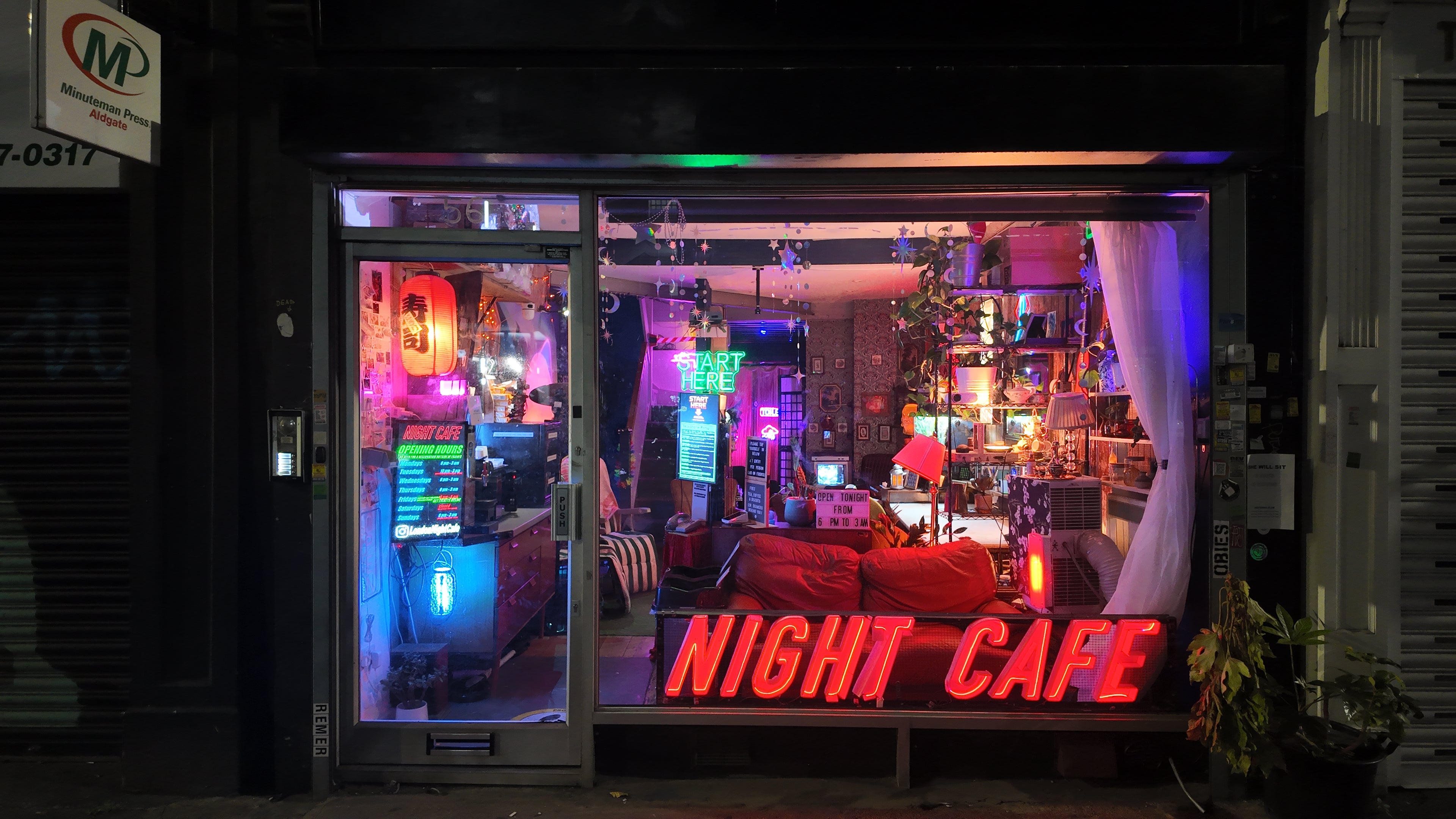
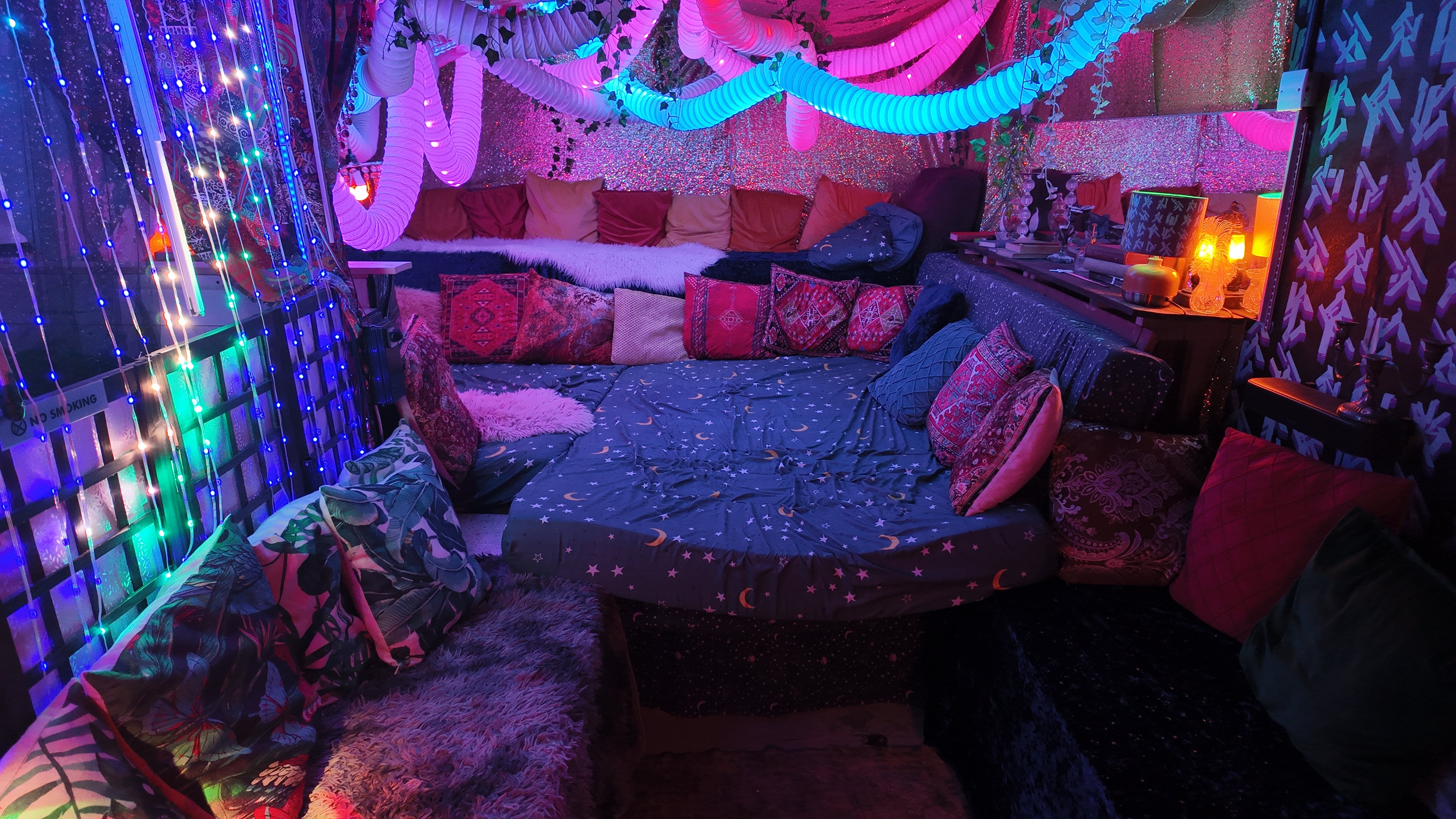
From there, I continued on to London Night Cafe. A small, independent communal space – it’s part cafe, part reading corner, part workspace. Entry costs £7 on weekdays and Sundays, when it stays open until 3am, and £10 on Fridays, when it runs through the night.
A small fridge stocked with soft drinks and milk sat beneath neatly stacked boxes of tea bags. There was a tower of Pot Noodles next to it, along with a coffee machine and microwave. The walls were lined with eclectic art, with a mattress-sofa arrangement and cushions running along one end of the room, and free video games, sunloungers and a mini ball pit in the other.
“A wholesome environment that stays open late definitely comes with its own set of challenges, particularly when it comes to licensing,” explained Dr. Eric Wycoff Rogers, founder of London Night Cafe.
“There’s the cost of acquiring a licence, which really incentivises you to sell alcohol because if you can, then you should, as that’s where the money is. But I also think that’s where the lack of imagination is in what nightlife can be since we don’t sell any alcohol.”
The Nightlife Taskforce report signals that “new powers” relating to licensing decisions are expected to be introduced later this year.
The Mayor’s spokesperson added that “[Sir Sadiq Khan] is committed to working with partners to do all he can to support life at night, and will be receiving new strategic licensing powers from the Government soon that will support the restaurant and hospitality industry, and help us to unlock the potential of our capital’s nightlife, as we build a better London for everyone.”
This sentiment is echoed by Visit London, whose Tourism Vision for 2030 includes plans to foster a stronger 24-hour economy through longer opening hours and improved access across a wider range of neighbourhoods.
“The experience economy is one of the key sectors in the London Growth Plan, and Ramadan fits naturally within this ambition,” said Rose Wangen-Jones, destination managing director at London & Partners (Visit London).
“During Ramadan, late-night dining options give visitors and Londoners alike more opportunities to take their time with iftar either after work or a day of exploring the city. More visitor destinations across wider parts of London, plus extended opening hours, will give space to a more even distribution of visitors, as well as benefitting businesses, Londoners and the local communities.”
Read more: The best hotels in London, from grand dames to perfect pubs with rooms
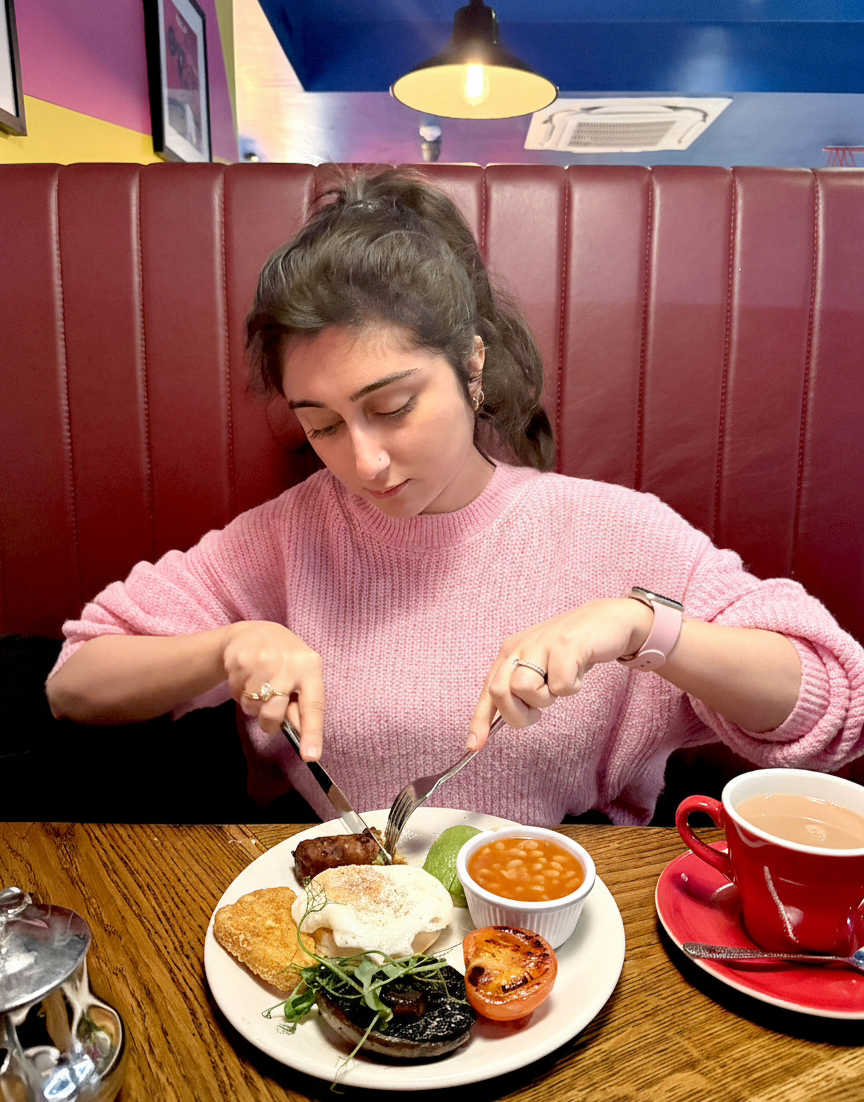
The next morning, I was up at 2:30am for a flight, but instead of my usual airport ritual – hash browns at Wetherspoons – I made a detour to VQ in Bloomsbury, London’s first 24-hour diner. Launched in 1995, it has a faintly American feel, with sleek communal tables, red booths and oversized coffee mugs. I ordered a classic small vegetarian full English – a fried egg on a toasted muffin with avocado, mushroom, grilled tomatoes, vegan sausage, beans, toast, butter, and a side of greasy hash browns.
What Ramadan makes visible is a different way of enjoying your time. In a city as large and culturally expansive as London, extending trading days from 12 hours to 18 isn’t about staying open for the sake of it, but about meeting people where they already are – before work, after work and in the hours in between. This includes those who don’t drink but still want to be out at night.

-European-Sleeper-Travel-Diary-26-(2).jpeg?quality=75&width=230&crop=3%3A2%2Csmart&auto=webp)
For businesses, those additional hours could fuel economic growth, flexibility and resilience. For cities, they keep streets active during periods usually written off as dead time.
Looking around, three distinct groups shared the space at VQ for entirely different reasons. At one table, students revised for what looked like an upcoming exam; another picked at sausages with the weary focus of people coming down from a night out; and at a third, two hijabi ladies carrying suitcases were refuelling before an early journey. All of us were there at the same hour for different reasons, drawn together by the same need: somewhere open, warm and communal in the middle of the night.
Read more: I live in London and these are the 11 best things you can do for free
Join our commenting forum
Join thought-provoking conversations, follow other Independent readers and see their replies
Comments
Bookmark popover
Removed from bookmarks