Raccoons steal booze and bite diners – will insurance cover it?
‘The insurance company may ask ‘Did you know about the raccoon,’ and try to deny the loss under a ‘known issue’ exclusion,’ one expert said
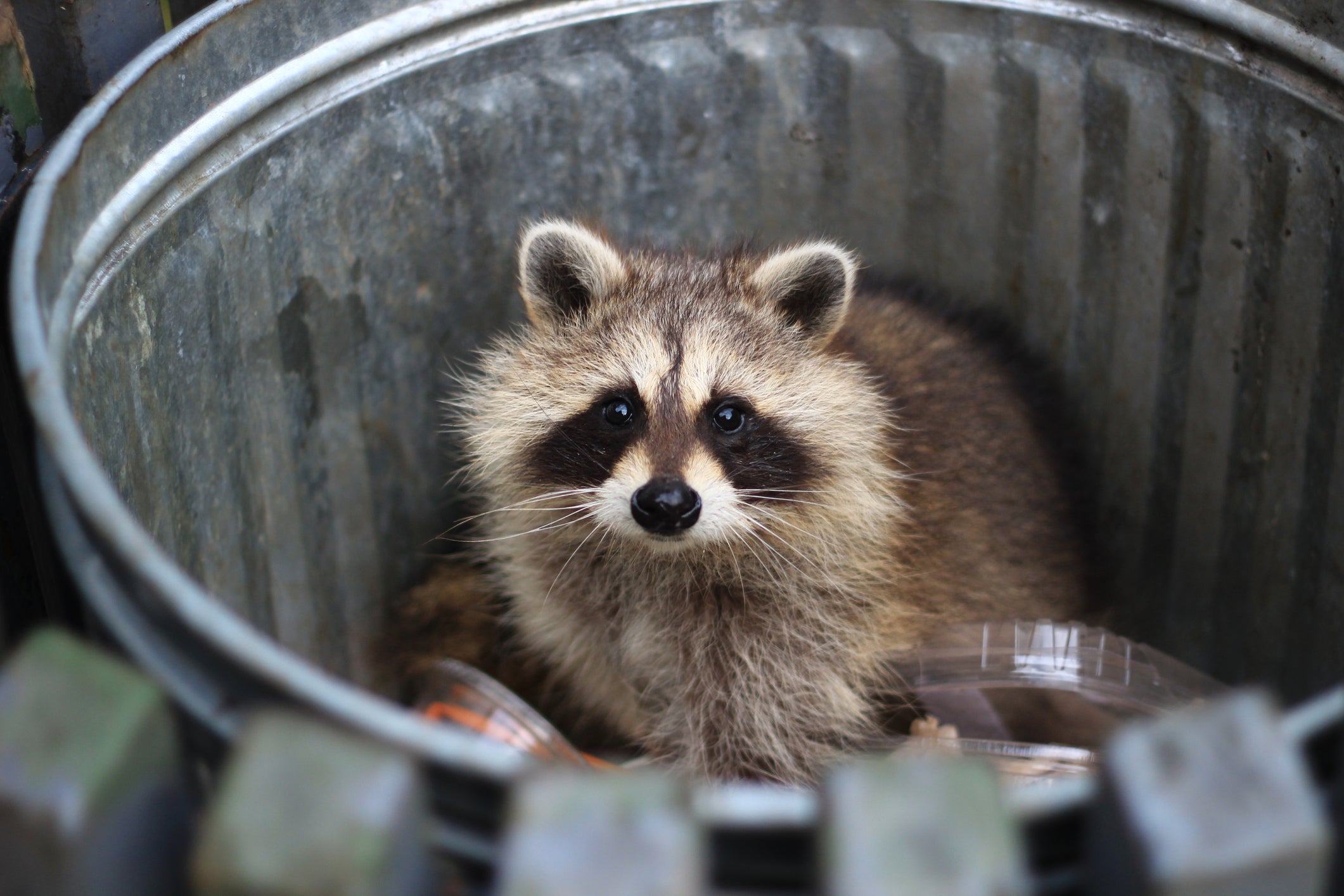
In recent weeks, two raccoons made headlines: one fell out of a ceiling in a Wisconsin restaurant and bit someone, and another pillaged the bottom shelf of a liquor store in Virginia, got drunk, and passed out in a bathroom.
In both cases, businesses had to deal with the aftermath, a process which often includes reaching out to an insurance company to make a claim for damaged property, lost inventory, or, in some cases, injury to a customer. In the cases of the ceiling savage and the booze bandit, how would insurance play a role? That depends on two important factors, said Franklin Manchester, principal global insurance advisor at analytics firm SAS.
“The first question I would ask in this scenario is whether the raccoon was indeed a wild animal or the property/pet of someone who could be identified,” Manchester told The Independent by email.
This is an important question because it can dictate whether the claim will be a business or personal insurance matter.
If the raccoon or other animal is not a pet
If a business lost inventory or patrons suffered damage from an animal incident, and the animal wasn’t someone’s pet, the business would likely be liable and would need to file a claim through its commercial general liability policy, Manchester said.
Yet filing a claim isn’t a guarantee that your insurance carrier will actually cover the incident. Why? The principle of “known issue,” Manchester said.
If you knew your restaurant vulnerabilities, like gaping holes in a wall or an entry point in your building’s roof that wasn’t supposed to be there, your insurer might deny your claim since you knew about the condition that helped cause the claim. Either way, your insurer will send out someone to investigate what happened.
They might first look at evidence of how many raccoons there are and if there are obvious entry points where an animal could get in.
“The investigator would want to determine if this is… a group of raccoons ... or an individual raccoon,” he said. “How did it get into the restaurant in the first place? Were windows, downspouts, and doors secured?”

If the investigator finds evidence of an infestation or rats, squirrels, or other animals that caused damage, your insurer may ask if you knew about the infestation. If you didn’t, the chances of your claim may improve.
“If it's not an infestation, and if those entry points were secured, and it is indeed a wild animal, then the insurance company may ask ‘Did you know about the raccoon,’ and try to deny the loss under a ‘known issue’ exclusion,” he said.
Even if you check all the boxes for preventative measures and you had no idea raccoons were afoot, there’s one last scenario that might put you in jeopardy of not having coverage for your customer’s medical issues due to certain animal-borne diseases.
“Typically communicable disease is excluded... So, if the patron was bitten and contracted rabies, that could be excluded,” Manchester said.
And, finally, if the damage is so bad that you have to shut down your business, you may be able to get compensation for loss of business through a business policy’s business interruption insurance. This type of insurance helps recover some or all of the cost of certain expenses such as revenue, lease and loan payments, taxes, and payroll, according to insurance carrier The Hartford.
If the raccoon is someone’s pet
Raccoons and other animals causing damage to a business property or injuring a guest can be a headache for a business, unless the animal in question was a pet, Manchester said. In that case, the pet owner’s personal liability coverage – not business liability coverage – would be involved.
“Now if the raccoon is someone's pet – say they left it in the car, which it then escaped in the parking lot and climbed into the ceiling – then the liability for the owner's personal policy would come into play,” he said.
But like other scenarios, there are several factors that could put the claim in jeopardy. For example, an insurer might try to argue that raccoons are exotic pets, and therefore not covered by personal liability insurance.
Join our commenting forum
Join thought-provoking conversations, follow other Independent readers and see their replies
Comments
Bookmark popover
Removed from bookmarks