Iconic whiskey brand set to declare Chapter 7 liquidation
The whiskey company is battling both its receivers and its lenders as it fights to settle its financial woes
An iconic American whiskey brand is teetering on the brink of Chapter 7 liquidation, which would force the sale of its vast vineyards and real estate portfolio.
While in receivership, Uncle Nearest Inc. has also been caught in a bitter battle between its founders and one of its major creditors.
The brand’s financial woes center on a $108 million lawsuit filed by its creditor, Farm Credit Mid-America, which alleges it is owed the staggering sum.
But, amid that battle, the whiskey firm’s founders, Fawn and Keith Weaver, are also grappling with their company’s court-appointed receivership.
That receivership is being overseen by Tennessee attorney Phillip G. Young, who planned to liquidate many of the firm’s assets.

.jpeg)
According to an October 1 court filing by Young, the company is gearing up to sell off its vineyards in France, a Cognac château, as well as real estate on the sunny island of Martha’s Vineyard.
Young maintained, though, that the core brand remained viable and that he expects the whiskey branch of the business to remain operational.
“The Receiver believes that this receivership is progressing smoothly and that the opportunity for the Company’s successful emergence from receivership is very good,” Young added in his filing. “While challenges lie ahead, the outlook is positive.”
Uncle Nearest was estimated to be worth more than $1 billion in 2024, according to Forbes.
Fawn Weaver said on Instagram that the brand had fallen victim to fraud, blaming their financial woes on former CFO Mike Senzaki.
“But for the fraud perpetrated by the Defendants’ former CFO, Defendants fulfilled their monetary obligations to the Plaintiff,” Weaver said, with “plaintiffs” referencing Farm Credit. “In other words, Defendants were, and are, victims of fraud — not perpetrators or conspirators.”
She also claimed that her company was “stronger than ever.”
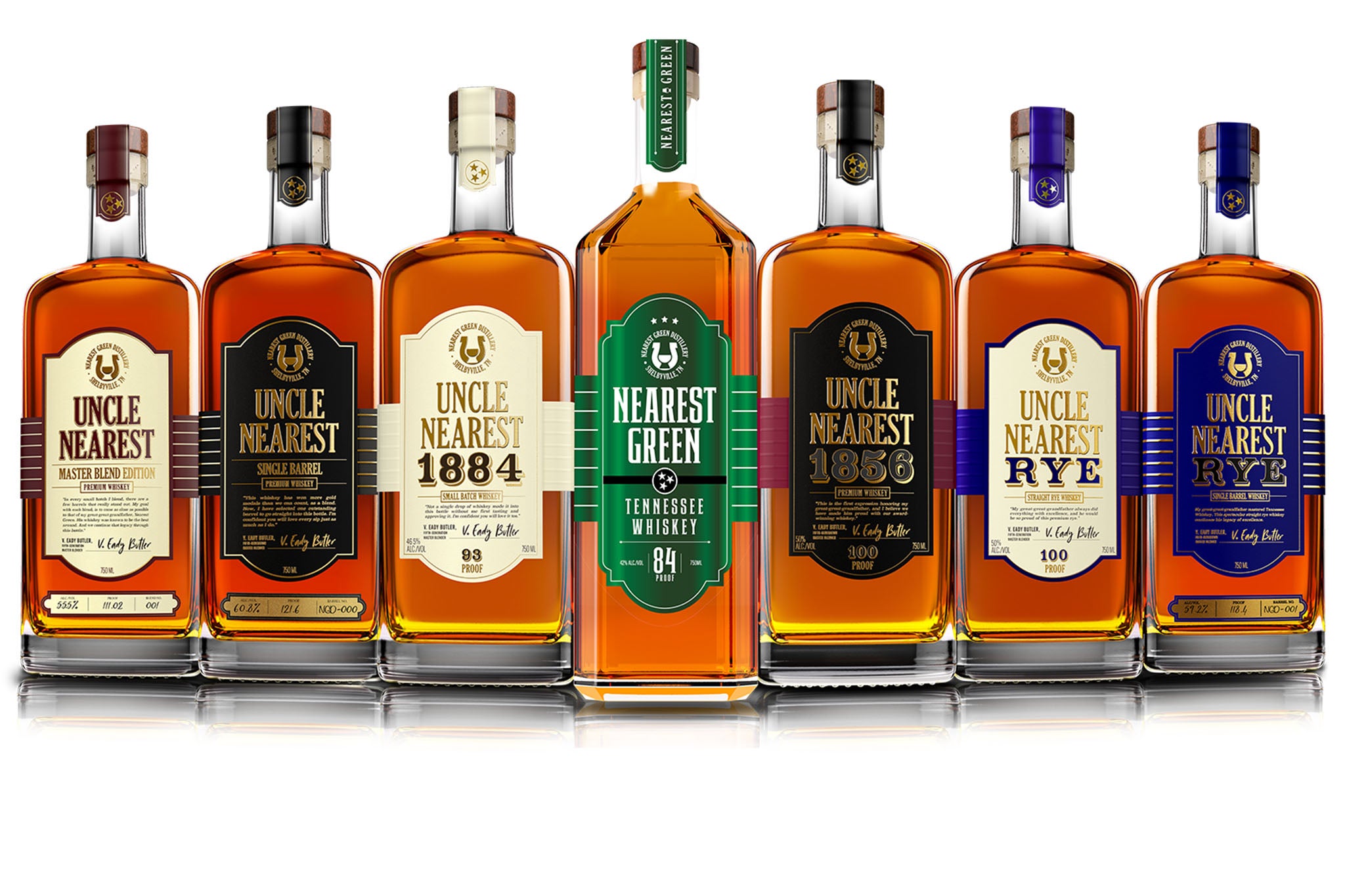
In an internal email obtained by the Lexington Herald-Leader, Weaver also claimed that neither she nor her husband has benefited financially from the business.
“I want to be absolutely clear. Neither Keith nor I have ever personally gained anything monetarily from Uncle Nearest,” the email allegedly read.
The Herald-Leader also reported that 100 parties had expressed an interest in refinancing Uncle Nearest’s debt, with 40 of those parties also considering an asset purchase.
However, Young told the newspaperthat NexGen 2780 was the only party to make a credible offer in negotiations so far since no other potential buyer “offered a valuation in excess of the amount of the secured debt.”
Young caveated that, though, by stating that some details of NexGen 2780’s $108 million proposal remain unknown.
Details yet to be hammered out include whether $108 million would cover the firm’s assets, the company itself, refinancing the debt or all three options.
The Independent has contacted Uncle Nearest, Farm Credit Mid-America and Phillip G. Young for comment.
Join our commenting forum
Join thought-provoking conversations, follow other Independent readers and see their replies
Comments
Bookmark popover
Removed from bookmarks